
Tired of Yellowstone crowds? We've unearthed jaw-dropping national parks that *outshine* it right now! Think mind-blowing landscapes, secret trails, and fewer selfie sticks. Your next epic adventure awaits – ditch the predictable, embrace the extraordinary!
Beyond the Geysers: Unveiling National Parks That Eclipse Yellowstone
I stepped off the sputtering, ancient bus, the air thick with the scent of pine needles and something wild, something untamed. It wasn't the familiar sulfurous tang of Old Faithful, but a primal perfume that whispered of ancient forests and untrodden earth. The silence, broken only by the distant cry of a hawk and the gentle rustle of leaves, was profound. This wasn't Yellowstone. And in that moment, I knew I’d found something even more extraordinary.
Yellowstone is undeniably magnificent. Its geysers, its bison herds, its sheer scale – it's a legend for a reason. But for the traveler seeking that electrifying spark of discovery, that feeling of having stumbled upon a secret, there are other titans waiting. Parks that, in their raw, untamed beauty and unique offerings, are currently offering an experience that, dare I say it, might just be more stunning.
1. Glacier National Park, Montana: Where Mountains Kiss the Sky and Lakes Reflect Infinity
Forget crowded boardwalks. Glacier is a symphony of jagged peaks, turquoise alpine lakes, and a sheer, breathtaking wildness that grabs you by the soul. Driving the Going-to-the-Sun Road is an experience in itself, a serpentine ribbon of asphalt clinging to sheer cliffs, revealing panoramic vistas that will steal your breath. But the real magic? It’s found on its trails.
The Hidden Gem: The Highline Trail. This isn't for the faint of heart, but the reward is unparalleled. You walk along a ledge with a sheer drop, but the path is wider than you think, and the views… oh, the views! Jagged peaks pierce the impossibly blue sky, and wildflowers carpet the meadows in a riot of color. I remember pausing, leaning against a sun-warmed boulder, watching a mountain goat nimbly navigate a rocky outcrop. It felt like stepping into a living postcard.
Pro-Tip: The Going-to-the-Sun Road is notoriously busy. Book your vehicle reservation well in advance. For a truly serene experience, hike a portion of the trail early in the morning (before 8 AM) or late in the afternoon. The light is softer, the crowds thinner, and the wildlife more active.
Quick Facts: Glacier National Park
- Estimated Costs ($): $35 entrance fee per vehicle (7-day pass), lodging can range from $150-$400+ per night, food $50-$100 per day.
- Best Time to Visit: July-September (for full road access and hiking). Shoulder seasons (late May/early June, October) offer fewer crowds but limited access.
- How to Get There: Fly into Glacier Park International Airport (FCA) near Kalispell, MT. Rent a car.
2. Olympic National Park, Washington: A Triptych of Wildness
Olympic is not one park; it's three distinct ecosystems, each more captivating than the last. You have the rugged, windswept Pacific coastline, with its dramatic sea stacks and tide pools teeming with life. Then, you ascend into the temperate rainforests, a moss-draped wonderland that feels like stepping back in time. Finally, there are the glaciated peaks of the Olympic Mountains, offering alpine meadows and sweeping vistas.
The Insider's Secret: Rialto Beach at sunset. Forget the manicured beaches; this is raw, untamed beauty. The air smells of salt and kelp, the sound of crashing waves is a constant roar, and the driftwood logs, bleached silver by the sun, create an otherworldly landscape. I spent an hour just watching the waves sculpt the sand, the sky ablaze with hues of orange and purple. It’s a photographer’s dream.
Pro-Tip: For the rainforest, visit the Hoh Rainforest. Wear waterproof gear, even on a sunny day, as the mist is constant. Hike the Hall of Mosses trail – it’s short but incredibly immersive. For the mountains, Hurricane Ridge offers stunning views with minimal hiking.
Quick Facts: Olympic National Park
- Estimated Costs ($): $30 entrance fee per vehicle (7-day pass), lodging $100-$300+ per night, food $40-$80 per day.
- Best Time to Visit: June-September for coastal and mountain access. Rainforest is beautiful year-round but can be very wet.
- How to Get There: Fly into Seattle-Tacoma International Airport (SEA). Rent a car and drive approximately 2-3 hours to the park's entrances.
3. Arches National Park, Utah: Sculpted by Wind and Time
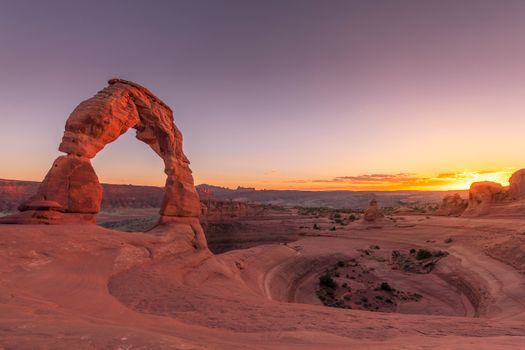
Yellowstone has its thermal wonders, but Arches has an architectural marvel crafted by nature itself. This park is a geological masterpiece, a canvas of deep red sandstone adorned with over 2,000 natural stone arches. It’s a landscape so alien, so surreal, it feels like you’ve landed on another planet.
The Unforgettable Experience: Sunrise at Delicate Arch. Yes, it’s popular, but for good reason. As the first rays of sun hit the iconic arch, it glows with an ethereal light, framing the distant La Sal Mountains. The hike itself is moderately challenging, but the payoff is immeasurable. I stood there, a tiny speck against this colossal natural sculpture, feeling an overwhelming sense of awe.
Pro-Tip: Visit Arches at sunrise or sunset. The light is magical, and the temperatures are more bearable. Book your timed entry permit well in advance – this is crucial! For a less crowded experience, explore the Devils Garden area with its numerous arches and fins.
Quick Facts: Arches National Park
- Estimated Costs ($): $30 entrance fee per vehicle (7-day pass), lodging in nearby Moab $120-$250+ per night, food $40-$70 per day.
- Best Time to Visit: Spring (April-May) and Fall (September-October) offer pleasant temperatures. Summer is very hot.
- How to Get There: Fly into Canyonlands Field Airport (CNY) near Moab, UT, or Grand Junction Regional Airport (GJT) in Colorado. Rent a car.
4. Zion National Park, Utah: A Sanctuary of Sandstone Giants
While Yellowstone offers vast plains, Zion offers a dramatic, vertical landscape. Towering sandstone cliffs, sculpted by the Virgin River, create a canyon of epic proportions. The sheer scale of these formations is humbling, the colors shifting from deep crimson to soft cream with the changing light.
The Thrill Seeker's Delight: Hiking The Narrows. This is not your average hike. You’re literally wading through the Virgin River, sometimes up to your waist, with canyon walls soaring hundreds of feet above you. The water is cool, the light dappled, and the experience is utterly unique. I remember the echoing calls of other hikers, amplified by the canyon walls, and the feeling of being completely enveloped by this natural cathedral.
Pro-Tip: The Narrows requires a permit and proper gear (water shoes, walking stick). Check the flash flood forecast religiously. For less intense but equally stunning views, hike the Emerald Pools trails or take the shuttle to Angels Landing (permit required for the chain section, but the views from Scout Lookout are still spectacular).
Quick Facts: Zion National Park
- Estimated Costs ($): $35 entrance fee per vehicle (7-day pass), lodging in Springdale $150-$350+ per night, food $50-$90 per day.
- Best Time to Visit: Spring (April-May) and Fall (September-October) offer ideal weather. Summer can be very hot.
- How to Get There: Fly into Las Vegas McCarran International Airport (LAS). Rent a car and drive approximately 2.5-3 hours to Springdale, UT.
5. Great Smoky Mountains National Park, North Carolina/Tennessee: America's Wild Heart
Often overlooked in favor of the western parks, the Great Smoky Mountains are an emerald jewel. This is the most visited national park in the US, yet it retains an incredible sense of wildness and beauty. Its rolling mountains, covered in a dense tapestry of hardwood forests, are alive with biodiversity. The air here is different – it carries the faint, sweet scent of honeysuckle and the earthy aroma of damp soil.
The Local's Favorite: Cades Cove Loop Road at dawn. While popular, arriving before sunrise offers a chance to see black bears foraging in the fields, deer grazing peacefully, and the mist rising from the valley floor, creating an ethereal, almost spiritual atmosphere. The historic cabins and churches dotted along the loop add a layer of human history to the natural splendor. I recall the quiet reverence of the few other early risers, the shared understanding of witnessing something truly special.
Pro-Tip: Visit Cades Cove early in the morning to maximize wildlife viewing and avoid traffic. Hike to Clingmans Dome for panoramic views of the "smoky" mountains. Explore the Roaring Fork Motor Nature Trail for waterfalls and historic buildings.
Quick Facts: Great Smoky Mountains National Park
- Estimated Costs ($): No entrance fee! This is a huge advantage. Lodging in Gatlinburg or Pigeon Forge $100-$250+ per night, food $40-$70 per day.
- Best Time to Visit: Spring (wildflowers) and Fall (foliage) are spectacular. Summer is warm and humid.
- How to Get There: Fly into McGhee Tyson Airport (TYS) near Knoxville, TN, or Asheville Regional Airport (AVL) in NC. Rent a car.
The Verdict: Your Next Epic Adventure Awaits
Yellowstone is a classic, a benchmark. But the world of national parks is vast and varied, offering experiences that can be equally, if not more, profound. These parks, with their unique landscapes, fewer crowds, and raw, untamed beauty, are calling. They offer the thrill of discovery, the peace of solitude, and the undeniable feeling of having found something truly extraordinary. So, pack your bags, lace up your boots, and step off the beaten path. Your most stunning national park adventure might be closer than you think.
More pictures

Tags
Share this guide
We may earn a commission if you click a link and buy a product or service, at no extra cost to you. How affiliate links work.
Been there?