Skip the muddy, gridlocked roads of Yellowstone this spring. From the roaring, thunderous waterfalls of Yosemite to the car-free glacial highways of Glacier National Park, here are five local-approved national parks that reach their absolute, jaw-dropping peak in May 2026.
The Muddy Truth About Yellowstone in May
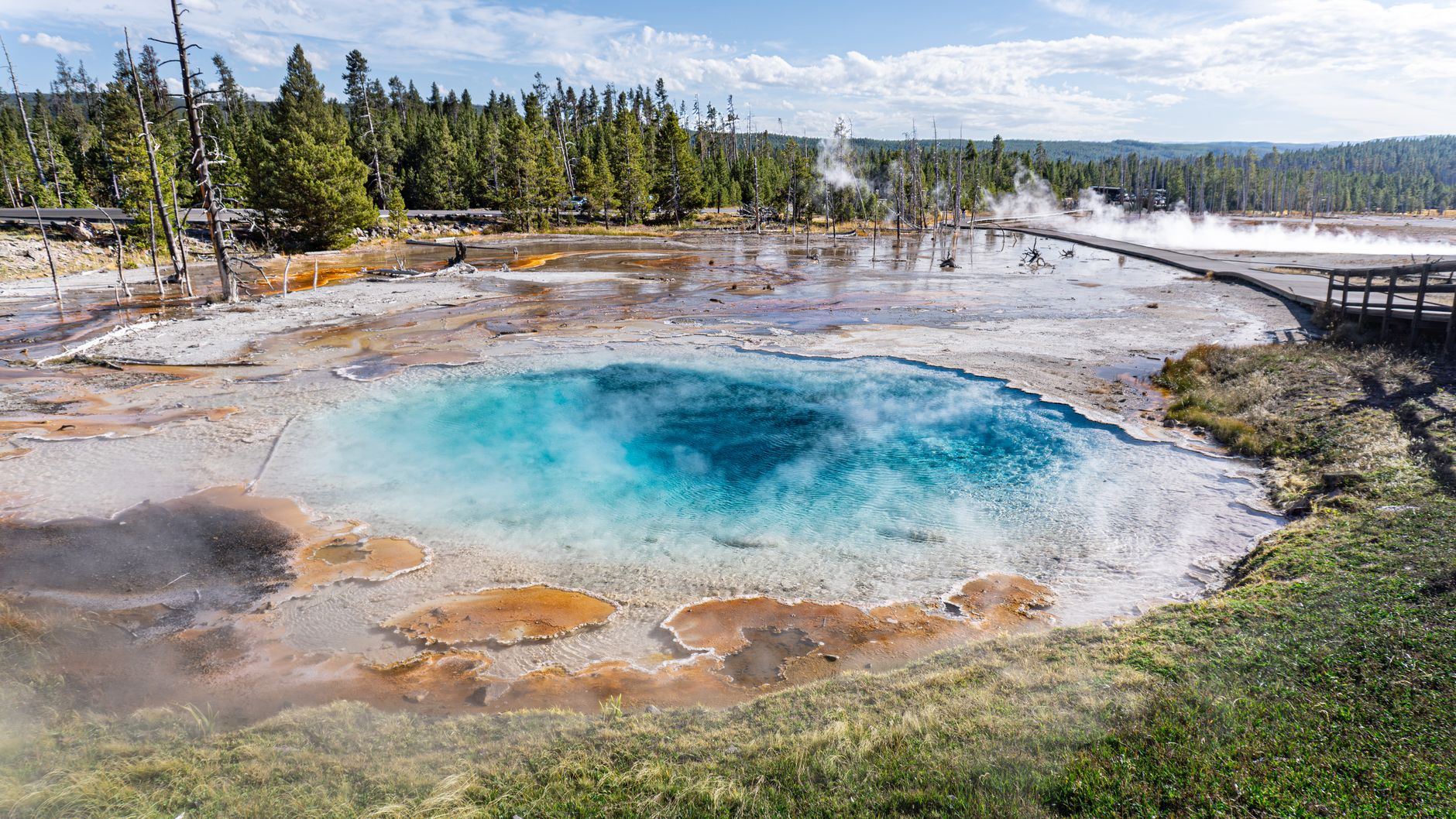
I stepped off the wooden boardwalk at West Thumb Geyser Basin, and a blast of freezing sleet immediately stung my cheeks. The scent of sulfur was heavy, trapped under a low, gray sky that seemed to press down on the steaming thermal pools. Around me, a line of frustrated travelers in matching plastic ponchos stood shoulder-to-shoulder, trying to catch a glimpse of a geyser through a thick wall of fog and diesel exhaust from idling tour buses.
This is the reality of Yellowstone in May: many high-altitude roads remain closed, trailheads are choked with thick, grey slush, and the wildlife is often obscured by the infamous "bison jams" of bumper-to-bumper traffic.
But you don't have to settle for shoulder-season mud and gridlock.
If you crave dramatic landscapes, roaring water, and pristine wilderness without the theme-park crowds, May 2026 is the perfect time to pivot. Across the country, other national parks are waking up in a spectacular explosion of color, rushing water, and crowd-free serenity. Here are five national parks more stunning than Yellowstone in May 2026.
---
1. Yosemite National Park (California) – The Great Water Wall Symphony
While Yellowstone’s waterfalls are impressive, they pale in comparison to Yosemite Valley when the Sierra Nevada snowpack begins its dramatic spring meltdown. May is the absolute zenith of Yosemite's waterfall season. The sheer volume of water cascading over granite monoliths like El Capitan and Half Dome creates a sensory experience that actually vibrates through the soles of your boots.
The Spring Transformation
In May, Yosemite Falls, Bridalveil Fall, and Vernal Fall are not just scenic viewpoints; they are roaring forces of nature. The mist from Vernal Fall on the Mist Trail is so intense it feels like a warm-weather hurricane, soaking hikers to the bone within minutes. The valley floor is painted in the neon-green of fresh cottonwood leaves, contrasting sharply with the dark, wet granite walls.
The Insider Experience
Walk into the El Capitan Meadow at 6:00 AM. As the first rays of golden light hit the 3,000-foot granite face, the valley is completely silent except for the distant, thunderous rumble of Yosemite Falls. The air smells of damp pine needles, ozone, and wet earth.
- Pro-Tip: Skip the main park entrances after 8:00 AM. Enter via the Hetch Hetchy entrance on the park's northwestern edge. It features its own stunning reservoir, towering waterfalls (like Wapama Falls), and a fraction of the valley's crowds.
- The Hidden Route: Hike the Chilnualna Falls Trail in Wawona. It’s a strenuous climb, but you will pass three massive cascades that most tourists never see.
---
2. Olympic National Park (Washington) – The Emerald Cathedral and Moody Coasts
If Yellowstone is a land of fire and steam, Olympic National Park in May is a kingdom of water, moss, and ancient giants. May brings the sweet spot on the Olympic Peninsula: the winter rains have subsided into soft, atmospheric mists, the temperate rainforests are at their most vibrant green, and the snow-capped Olympic Mountains provide a dramatic backdrop to wild, driftwood-strewn beaches.
A Triple-Threat Ecosystem
Olympic is three parks in one. In the Hoh Rain Forest, you can walk beneath a canopy of sitka spruce and western hemlock draped in curtains of glowing club moss. On the coast, beaches like Rialto and Ruby Beach are littered with bleached sea-stack giants and massive cedar trunks tossed ashore by winter storms. Up high, the alpine meadows of Hurricane Ridge are just beginning to show their first glacier lilies.
The Insider Experience
I stood on the damp cedar planks of the Hall of Mosses trail at 7:30 AM, surrounded by a silence so deep it felt holy. The air was cool and smelled of rich, decaying cedar (duff), wet moss, and salt air drifting in from the Pacific. A Roosevelt elk, its coat dark from the morning dew, stepped silently across the trail just twenty yards ahead.
- Pro-Tip: To experience the coast without the crowds, hike the Ozette Loop. It’s a 9-mile triangle that takes you through coastal forests on wooden boardwalks and deposits you onto a wild, rugged beach where you can search for ancient Makah petroglyphs at Wedding Rocks.
- The Hidden Route: Drive the Quinault Rain Forest Loop instead of the Hoh. It offers equally stunning moss-draped canopies but receives a third of the visitors.
---
3. Glacier National Park (Montana) – The Silent Highway of Ice
In May, Glacier National Park’s famous Going-to-the-Sun Road is still closed to motorized vehicles due to snow. To the average tourist, this is a deterrent. To the savvy traveler, this is the ultimate goldmine.
The Spring Biking Window
Every May, the park service plows the lower sections of the road, opening up a glorious, car-free window for cyclists, e-bikers, and hikers. You can pedal up the winding mountain highway with nothing but the sound of your tires on asphalt and the roar of meltwater creeks plunging down the cliffs beside you.
The Insider Experience
Renting an e-bike from West Glacier, I glided past Lake McDonald, its famous multi-colored pebbles gleaming through crystal-clear water. As I climbed higher toward Logan Pass, the road cut through towering walls of blue glacial ice. The air was sharp, smelling of cold stone and alpine fir, completely free of car exhaust.
- Pro-Tip: Rent your e-bike the afternoon before. Start your ride from the Avalanche Creek barricade at 7:00 AM. You will have the entire road to yourself before the rental shops in town open their doors to the general public.
- The Hidden Route: Hike the Johns Lake Loop. It’s an easy, flat 1.8-mile trail through old-growth hemlock and red cedar that leads to a hidden, rushing gorge of the McDonald Creek.
---
4. Great Sand Dunes National Park (Colorado) – The Surging Desert Oasis
Tucked against the rugged, snow-capped Sangre de Cristo Mountains, Great Sand Dunes National Park looks like a surrealist painting in May. This is the only time of year you can experience the rare geological phenomenon of Medano Creek’s "surge flow."
The Mountain Beach
As the winter snowpack melts off the high peaks, it flows down into the sand dunes, creating a wide, shallow river that flows over the sand. Because the sand dunes are constantly shifting, underwater ridges form and collapse, causing the water to flow in rhythmic, ocean-like waves (surges) up to a foot high. It creates a literal beach playground in the middle of Colorado.
The Insider Experience
I kicked off my hiking boots and waded into the cool, rushing waters of Medano Creek. The sand beneath my feet was warm from the high-altitude sun, while the water rushing over my ankles was icy cold, fresh from the mountain peaks. Looking up, the contrast of the massive, golden dunes against the jagged, snow-draped mountains was dizzying.
- Pro-Tip: The creek peaks in late May. Arrive by Thursday evening to secure a spot, as weekends draw local families. Set up your beach chairs on the far side of the creek to escape the day-trippers who congregate near the main parking lot.
- The Hidden Route: Hike up Star Dune—the tallest sand dune in North America—starting at 5:30 AM. You’ll catch the sunrise over the Sangre de Cristos, and the sand will be cool enough to climb comfortably without burning your feet.
---
5. Zion National Park (Utah) – The Desert Garden of Hanging Gardens
By June, Zion National Park becomes a searing, crowded furnace. But in May, the canyon is a lush, temperate paradise. The desert wildflowers are in full, vibrant bloom, and the Virgin River is rushing with spring runoff, feeding the park's famous weeping walls and hanging gardens.
The Canyon in Bloom
In May, the red Navajo sandstone cliffs of Zion Canyon are draped in hanging gardens of golden columbine, scarlet monkeyflower, and maidenhair fern. The temperatures hover in the mid-70s, making strenuous hikes like Angels Landing or the West Rim Trail incredibly pleasant compared to the brutal heat of summer.
The Insider Experience
Standing at the Canyon Overlook at dusk, the canyon floor below was bathed in deep violet shadows while the highest peaks glowed like burning coals. The scent of sweet sagebrush and wild desert primrose drifted on the cool evening breeze rising from the canyon floor.
- Pro-Tip: The Zion Canyon Shuttle is mandatory in May. To bypass the long morning lines at the Visitor Center, rent a cruiser bike in the town of Springdale and bike the Pa'rus Trail into the canyon. You can lock your bike at any trailhead, including the Temple of Sinawava, and enjoy a completely self-paced journey.
- The Hidden Route: Explore the Kolob Canyons section of the park, located 40 miles north of the main canyon. The soaring red finger canyons offer spectacular views, quiet trails, and none of the main valley's crowds.
---
Quick Facts & Logistics: Planning Your May 2026 Escape
| National Park | Estimated Weekly Cost ($) | Best Time to Visit (May 2026) | How to Get There | Key Highlight | | :--- | :--- | :--- | :--- | :--- | | Yosemite | $1,200 - $1,800 | Mid-May (Peak runoff) | Fly to Fresno (FAT), drive 1.5 hours | Roaring waterfalls & granite monoliths | | Olympic | $900 - $1,400 | Late May (Dryer weather) | Fly to Seattle (SEA), drive 2.5 hours | Hoh Rain Forest & rugged sea stacks | | Glacier | $1,100 - $1,600 | Early to Mid-May | Fly to Kalispell (FCA), drive 30 mins | Biking Going-to-the-Sun Road | | Great Sand Dunes | $700 - $1,100 | Late May (Peak creek flow) | Fly to Colorado Springs, drive 2.5 hours | Medano Creek surge flow | | Zion | $1,300 - $1,900 | Early May (Wildflowers) | Fly to Las Vegas (LAS), drive 2.5 hours | Emerald hanging gardens & red cliffs |
---
What to Pack for Spring National Park Travel
Spring in the national parks is a season of extremes. You might start your day in a down jacket and end it in a t-shirt. Here is the essential gear you need to pack for a May 2026 road trip:
- Gore-Tex Shell: Essential for the heavy mists of Yosemite’s waterfalls and Olympic’s rainforests.
- Neoprene Socks / Water Shoes: Crucial for wading through Medano Creek or hiking the wet canyons of Zion.
- Layered Apparel: Merino wool base layers, a lightweight fleece mid-layer, and a windproof outer shell.
- E-Bike Friendly Daypack: A lightweight, aerodynamic pack with a built-in rain cover for those long Glacier climbs.
Forget the muddy, crowded roads of Yellowstone this spring. Whether you choose to cycle past glacial walls in Montana or wade through a surging mountain river in the Colorado desert, these five parks offer the wild, pristine, and breathtaking adventure you actually deserve in May 2026.
More pictures


Tags
Share this guide
We may earn a commission if you click a link and buy a product or service, at no extra cost to you. How affiliate links work.
Been there?