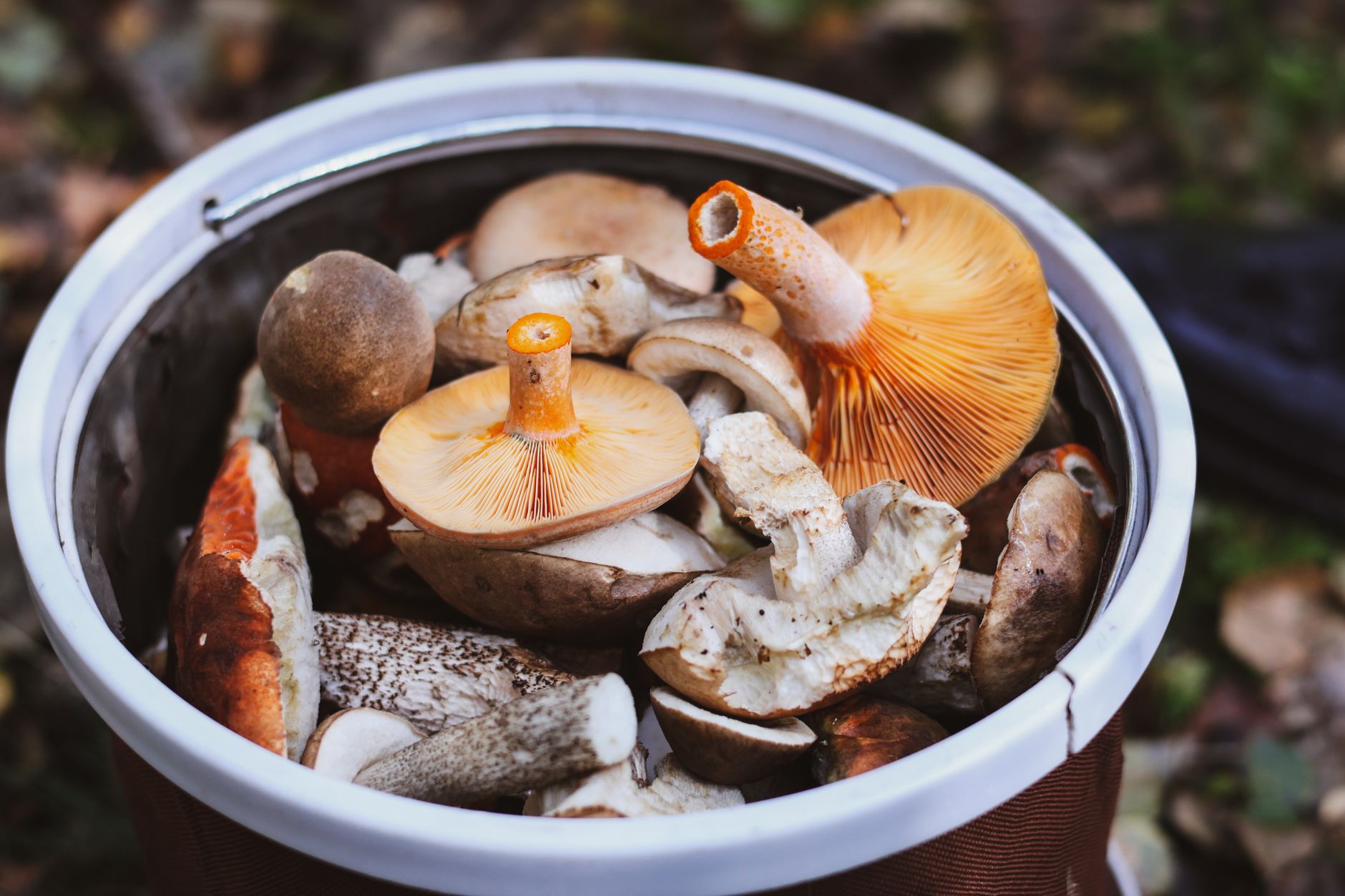
Forget the usual tourist traps! Imagine this: crisp March air, ancient forests whispering secrets, and the thrill of uncovering edible treasures beneath your feet. This is your insider's pass to legendary mushroom foraging in March 2026 – a culinary adventure you won't forget!
The Enchantment of the March Forest Floor
I stepped off the train, the faint scent of damp earth and pine needles already a promise on the air. March in the foothills of the Carpathian Mountains. It’s a time of awakening, a subtle shift from winter’s slumber to spring’s verdant embrace. The air held a crispness that was invigorating, a stark contrast to the stale, recycled air of the city. Birdsong, tentative at first, was beginning to weave a complex symphony through the ancient trees. I wasn't here for the postcard views, though they were undeniably spectacular. I was here for something more primal, something that connected me directly to the earth: mushroom foraging.
March isn't typically lauded as prime mushroom season. Most people associate fungi with the damp, earthy abundance of autumn. But for the seasoned forager, and for those in the know, March unveils its own quiet magic. It's a time for the early risers, the tenacious species that push through the lingering frost, offering a unique and rewarding harvest. This year, 2026, promises to be particularly exciting for those seeking these elusive spring treasures in some of the world's most legendary forests.
Unveiling Spring's Fungal Jewels: What to Expect in March 2026
While the king of autumn mushrooms, the porcini, might still be sleeping, March brings its own cast of edible stars. The key is understanding the microclimates and the specific species that thrive in the transitional season.
The Elusive Morel: A Springtime Obsession
H3: Where to Find Them The undisputed king of spring foraging, the morel mushroom, is the Holy Grail for many. In March, particularly in regions experiencing early warmth, you might find them. Look for them in areas with a history of disturbance, such as old apple orchards, burned areas (the fire can stimulate their growth), or along the edges of deciduous forests. They often favor sandy or loamy soil.
Pro-Tip: Morels are notoriously camouflaged. Wear gloves and use a stick to gently push aside leaf litter. Their honeycomb-like cap is unmistakable once you've seen it.
The Versatile Oyster Mushroom: A Forest Dweller
H3: Habitat and Identification Oyster mushrooms are a more common find in early spring. These beautiful, fan-shaped fungi typically grow in clusters on dead or dying hardwood trees, especially beech, elm, and poplar. Their delicate, slightly anise-like aroma is a giveaway.
Pro-Tip: Look for them clinging to the trunks of fallen trees, often in shaded, damp areas. They can appear even when there's a light dusting of snow.
The Hardy Spring Boletus: A Subtle Delight
H3: Identifying the Early Boletus While not as prolific as their autumn cousins, some boletus species can make an appearance in March. These are characterized by their spongy pore surface underneath the cap, rather than gills. Identification is crucial here, as some boletes can be toxic.
Pro-Tip: If you're new to bolete identification, stick to species known to be reliably edible and always consult a field guide.
Legendary Forests: Your March 2026 Foraging Arenas
The "legendary" aspect isn't just about folklore; it's about forests with a rich history, diverse ecosystems, and a reputation for yielding bountiful harvests. For March 2026, I'm focusing on locations that offer a unique blend of wild beauty and potential for early spring fungi.
The Black Forest, Germany: Ancient Woods and Hidden Valleys
H3: A Forager's Haven The Black Forest, with its dense pine and beech forests, offers a vast expanse for exploration. While known for its autumn bounty, March can surprise with early morels and oyster mushrooms, especially in the lower, more sheltered valleys. The air here is clean, carrying the scent of resin and damp earth.
Insider Tip: Seek out the less-trodden paths on the eastern slopes. The morning sun hits these areas first, potentially encouraging early growth. Local guides are invaluable for navigating the sheer scale of this forest.
The Białowieża Forest, Poland/Belarus: Primeval Wilderness
H3: Europe's Last Primeval Forest This UNESCO World Heritage site is a true ecological marvel. Its ancient oak, hornbeam, and spruce trees create a unique microclimate. March here is still cool, but the protected areas and the rich, undisturbed soil can yield early morels and various other edible fungi clinging to fallen logs.
Pro-Tip: Focus on the forest floor near decaying oak and beech. The sheer biodiversity means you might find species you wouldn't expect. Respect the strict regulations for protected areas.
The Scottish Highlands, UK: Misty Moors and Ancient Woodlands
H3: A Rugged Foraging Frontier While often associated with heather and rugged landscapes, the Highlands also boast ancient woodlands. March can be a gamble with the weather, but if a mild spell hits, you can find oyster mushrooms on decaying birch and alder. The misty atmosphere adds an undeniable mystique to the foraging experience.
Insider Tip: Look for sheltered glens and the edges of deciduous woodlands where the soil retains moisture. The local dialect has many charming names for fungi, so engaging with locals can be enlightening.
Mastering the Art: Essential Foraging Techniques
Foraging isn't just about stumbling upon mushrooms; it's a skill honed through practice, observation, and respect for nature.
Identification is Paramount: The Golden Rule
H3: Never Eat What You Can't 100% Identify This cannot be stressed enough. The difference between a delicious meal and a trip to the emergency room can be a single misidentification.
- Invest in a good field guide: Local guides specific to your region are best.
- Learn key features: Cap shape, color, gill structure, stem characteristics, spore print color.
- Join a local mycological society: This is the absolute best way to learn from experienced foragers.
Sustainable Foraging Practices: Respecting the Ecosystem
H3: Leave No Trace, Take Only What You Need The future of foraging depends on responsible practices.
- Harvest Mature Specimens: Avoid taking young mushrooms that haven't released their spores.
- Use a Basket, Not a Plastic Bag: This allows spores to disperse as you walk.
- Cut, Don't Pull: Use a knife to cut the mushroom at the base of the stem. This leaves the mycelium intact.
- Observe, Don't Disturb: Avoid trampling delicate plants or disturbing wildlife.
The Right Gear: Equip Yourself for Success
H3: Essential Tools for the Trail Don't head into the woods unprepared.
- Sharp Knife: For clean harvesting.
- Basket: For spore dispersal and ventilation.
- Field Guide: Your essential identification tool.
- Compass/GPS: For navigation.
- Water and Snacks: Stay hydrated and energized.
- Gloves: For protection and hygiene.
- Small Brush: To gently clean off excess soil.
Quick Facts: Your March 2026 Foraging Trip Snapshot
| Category | Details | Estimated Cost ($) | | :--------------- | :----------------------------------------------------------------------------------------------------- | :----------------- | | Best Time | March 2026 (early to mid-March, depending on local weather patterns) | N/A | | Target Fungi | Morels, Oyster Mushrooms, Spring Boletes (species vary by region) | N/A | | Regions | Black Forest (Germany), Białowieża Forest (Poland/Belarus), Scottish Highlands (UK) | N/A | | Accommodation| Guesthouses, B&Bs, small hotels | $80 - $150/night | | Food | Local taverns, self-catering | $40 - $70/day | | Transportation| Train to nearest town, local buses, car rental recommended for flexibility | $100 - $300 (flights/trains) + $50-$100/day (rental) | | Foraging Tours| Guided tours can range from $100 - $300 per day | $100 - $300/day | | Gear | Initial investment for quality gear | $100 - $200 | | Permits | Generally not required for personal foraging in these regions, but always check local regulations. | $0 - $20 | | Total Est. Trip | (Excluding flights/trains to Europe) 5 days: $500 - $1500 (depending on luxury level and tour use) | $500 - $1500 |
How to Get There: Fly into major European hubs (e.g., Frankfurt for Black Forest, Warsaw for Białowieża, Edinburgh for Highlands) and then take regional trains or rent a car.
Beyond the Basket: Culinary Delights and Local Flavors
The reward of foraging isn't just the thrill of the hunt; it's the unparalleled freshness and flavor of ingredients you've gathered yourself.
The Perfect Pan-Fried Morel
H3: A Simple Masterpiece Once you've identified your morels with absolute certainty, the preparation is almost as simple as finding them.
- Clean Thoroughly: Use a brush and a damp cloth. Never soak morels; they absorb water like sponges.
- Slice in Half: This helps them cook evenly and allows you to inspect the interior.
- Sauté: Melt butter in a hot pan. Add the morels and cook until golden brown and tender. Season with salt, pepper, and a hint of fresh thyme.
- Serve: Delicious on their own, with steak, or tossed with pasta.
Insider Tip: A splash of dry sherry or Marsala wine towards the end of cooking adds an incredible depth of flavor.
Oyster Mushroom Risotto
H3: Creamy Comfort Oyster mushrooms, with their delicate texture, are perfect for a creamy risotto.
- Sauté: Gently sauté your cleaned oyster mushrooms in olive oil and garlic until tender.
- Risotto Base: Prepare a classic risotto with Arborio rice, white wine, and hot vegetable or chicken broth.
- Combine: Stir in the sautéed mushrooms, a generous knob of butter, and grated Parmesan cheese.
Local Spice Blend: In the Black Forest, look for "Kräuter der Region" (herbs of the region) – often a mix of parsley, chives, and lovage – to add a subtle, authentic flavor.
Planning Your March 2026 Foraging Expedition
This is your chance to step into a world of wonder, connect with nature on a profound level, and taste the true essence of the wild. March 2026 offers a unique, less-crowded window into the burgeoning life of legendary forests.
Pro-Tip: Book accommodation and any guided tours well in advance, as early spring can still be a popular time for nature enthusiasts.
Embark on this adventure. Breathe the crisp forest air, listen to the rustling leaves, and feel the quiet thrill of discovery. The legendary forests are calling, and the promise of spring's first fungal treasures awaits.
More pictures
Tags
Share this guide
We may earn a commission if you click a link and buy a product or service, at no extra cost to you. How affiliate links work.
Been there?