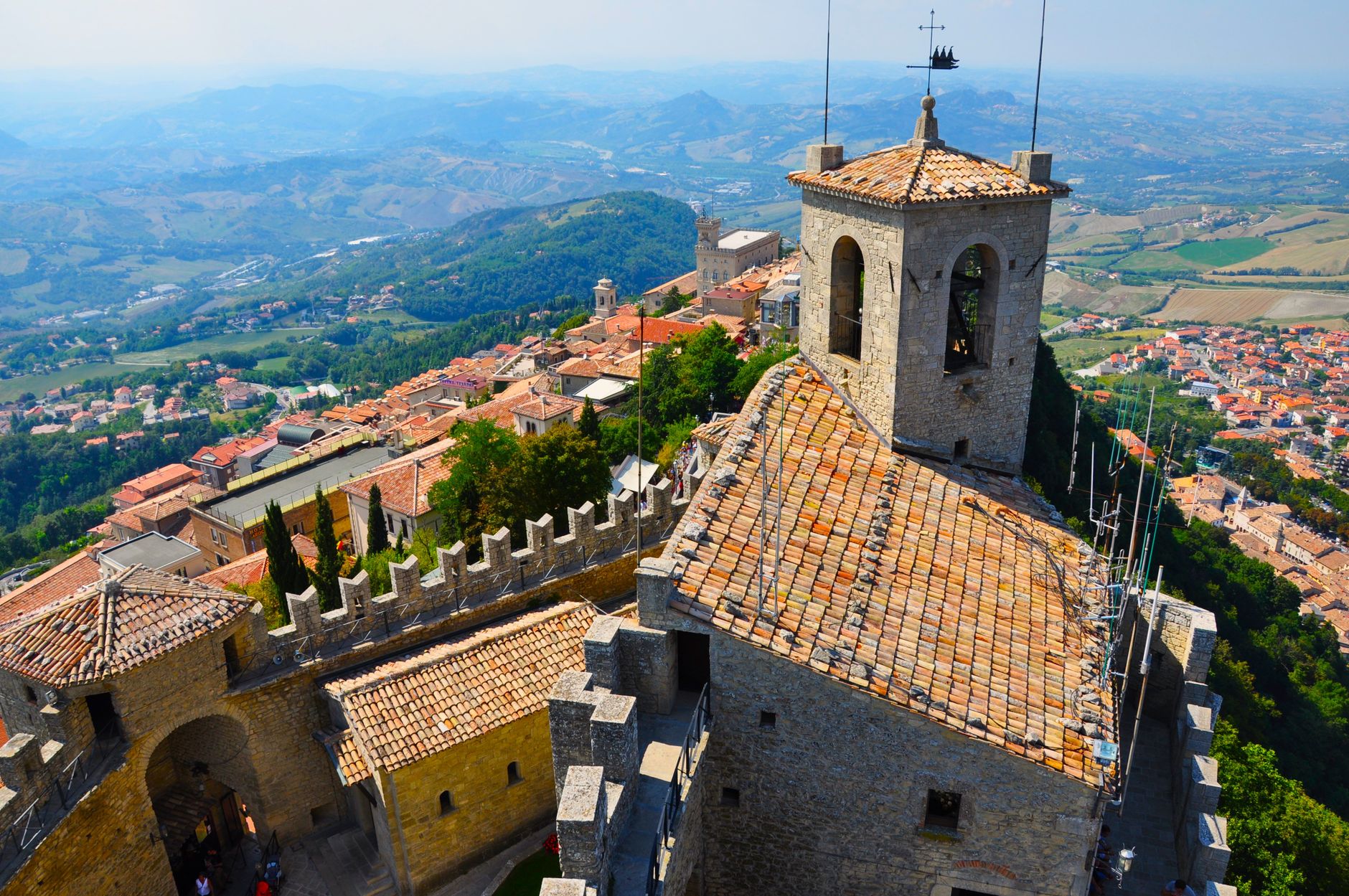
Skip the tourist-choked resort towns. This definitive, boots-on-the-ground guide reveals five emerging mountain villages across the globe that are perfect for an overnight escape this year. From medieval stone towers in the Caucasus to sun-blackened timber chalets in the Swiss Alps, these are the destinations where you can still experience raw, authentic mountain culture after the day-trippers go home. ---
The Hook: Why the Best Mountain Magic Happens After 5:00 PM
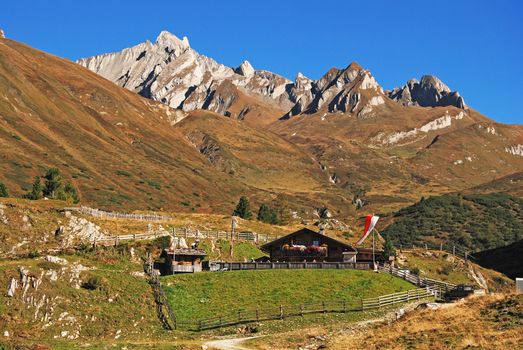
I stepped off the regional postbus in Albinen, and the first thing that hit me wasn’t the dramatic drop in temperature—it was the smell. It was a sharp, intoxicating blend of cured mountain ham, dry pine needles baking in the high-altitude sun, and the faint, sweet trace of woodsmoke drifting from a 300-year-old larch-wood chalet.
Below me, the valley floor of the Swiss Canton of Valais was swallowed by a sea of creeping white fog. Up here, at 1,300 meters, the air was crystalline, silent, and entirely devoid of the selfie-stick-waving crowds that plague nearby Zermatt.
As a travel journalist, I’ve spent the last decade hunting for places that still feel real. The truth is, most famous mountain towns have become caricatures of themselves. They are open-air museums where the locals have been priced out and the "authentic" fondue comes from a commercial bucket.
But if you know where to look, a new movement of slow, sustainable travel is quietly taking root.
This year, a handful of remote, architecturally stunning mountain outposts are emerging as the ultimate overnight escapes. These are places where you don't just pass through; you check into a local guesthouse, watch the peaks turn pink at sunset, and wake up to the sound of cowbells and baking bread.
Here are five emerging mountain villages perfect for overnight trips this year.
---
1. Castelmezzano, Italy: The Amphitheater of the Basilicata Apennines
``` ▲ ▲ ▲ [Jagged Sandstone Peaks] ▲ ▲ ▲ 🏠 🏠 🏠 [Castelmezzano Stone Houses] 🏠 🏠 🏠 🏠 🏠 🏠 🏠 🏠 🏠 ═════════════════════════════════════════════════════════ ```
While tourists jam the narrow coastal roads of Amalfi, those in the know are heading south to the rugged interior of Basilicata. Pinned directly to the sheer, tooth-like sandstone cliffs of the Dolomiti Lucane, Castelmezzano looks like a medieval village that was carved directly out of the mountain face.
During the day, thrill-seekers arrive to ride the Volo dell'Angelo (Flight of the Angel)—a high-speed zip line that suspends riders 400 meters above the canyon floor between Castelmezzano and its sister village, Pietrapertosa.
But when the zip line shuts down and the day-trippers depart, Castelmezzano undergoes a profound transformation. The golden hour illuminates the warm, honey-colored stone houses, and the quiet murmur of local dialects fills the steep, labyrinthine alleyways.
The Overnight Experience
Staying overnight allows you to tackle the Percorso delle Sette Pietre (Path of the Seven Stones) at dusk. This ancient trail connects the two cliffside villages and is punctuated by stone sculptures inspired by local folklore, witchcraft, and mountain legends.
For dinner, bypass the tourist-centric pizzerias and seek out a traditional trattoria. Order a plate of handmade strascinati pasta tossed with wild boar ragù and topped with a generous dusting of peperoni cruschi—sweet, sun-dried Senise peppers fried in olive oil until they shatter like glass. Pair it with a glass of robust Aglianico del Vulture, a volcanic red wine grown in the region.
- Pro-Tip: Wake up at 6:30 AM and climb the steep, hand-carved stone steps leading to the ruins of the ancient Norman castle at the very top of the village. The morning light hitting the jagged peaks above you is a spiritual experience.
---
2. Ainokura, Japan: Sleeping Under Historic Gassho-Zukuri Roofs
``` / \ [Thick Thatched Straw Roof] / \ / \ / \ /_________\ [Gassho-Zukuri Architecture] | [Irori] | [Traditional Hearth Inside] ```
Most travelers flock to Shirakawa-go to see Japan’s famous thatched-roof farmhouses, only to find themselves dodging tour buses and wading through crowds. For a far more intimate, atmospheric overnight stay, bypass the crowds and head deeper into the Toyama Prefecture to Ainokura.
Tucked away in the narrow, forested valley of Gokayama, Ainokura is home to just 20 traditional gassho-zukuri (constructed like hands in prayer) farmhouses. These structural marvels feature steep, multi-layered thatched roofs designed to withstand some of the heaviest snowfall on earth without using a single nail.
The Overnight Experience
Ainokura is not a living museum; it is a functioning agricultural community. Only a handful of these historic homes operate as minshuku (family-run guesthouses).
Booking an overnight stay here is like stepping back into the Edo period. You will sleep on thick futons laid out over fragrant tatami mats, heated by the gentle warmth of an irori (an open, charcoal-fired hearth set into the floor).
Your hosts will serve a traditional multi-course dinner featuring locally foraged sansai (wild mountain vegetables), freshly caught river trout (iwanana) roasted on wooden skewers over the hot embers, and homemade Gokayama tofu, which is so dense and rich it is traditionally tied with straw ropes for transport.
- Pro-Tip: The village is virtually unlit at night. Step outside around 10:00 PM to witness the Milky Way framed perfectly by the dark, towering silhouettes of the thatched roofs and surrounding pine forests.
---
3. Ushguli, Georgia: Europe's Highest, Wildest Outpost
``` [Mt. Shkhara - 5,193m] ▲▲▲▲▲▲▲▲ ┌─┐ ┌─┐ │ │ │ │ [Medieval Svan Defensive Towers] │_│ │_│ 🏠🏠🏠 🏠🏠🏠 [Stone Houses of Ushguli] ```
Situated at 2,100 meters in the Svaneti region of the Upper Caucasus, Ushguli is recognized as one of the highest continuously inhabited settlements in Europe. Backed by the colossal, glacier-draped wall of Mount Shkhara (Georgia’s highest peak), this village feels like a fantasy realm frozen in the Middle Ages.
What makes Ushguli visually arresting are the dozens of Svan towers (koshki) rising from the stone houses. Built between the 9th and 12th centuries, these stone defensive structures served as both watchtowers and secure family shelters during times of blood feuds and foreign invasions.
The Overnight Experience
While a newly paved road from Mestia has made day trips possible, the true magic of Ushguli is revealed only when the sun dips below the Caucasus range.
The village has no streetlights, and the sound of rushing glacial rivers dominates the night. Stay at a local homestay, where you will be treated to legendary Svan hospitality.
Your dinner table will groan under the weight of kubdari (a heavy, spiced flatbread stuffed with beef, pork, and local blue fenugreek), elarki (cornmeal cooked with fresh, elastic sulguni cheese), and endless pours of homemade grape chacha (a potent Georgian pomace brandy).
- Pro-Tip: To beat the day-trippers to the iconic Lamaria Church (a 10th-century stone chapel perched on a hill overlooking the valley), hike up at 7:00 AM. You will likely have the entire complex, and the panoramic views of the pink-hued Shkhara Glacier, completely to yourself.
---
4. Albinen, Switzerland: The Sun-Blackened Timber Sanctuary
``` ┌───────────────┐ │ [Larch Wood] │ [Centuries of Sun-Exposure] │ ■■■■■■■■■ │ [Rich, Dark Bronze Patina] │ [Stone Base] │ └───────────────┘ ```
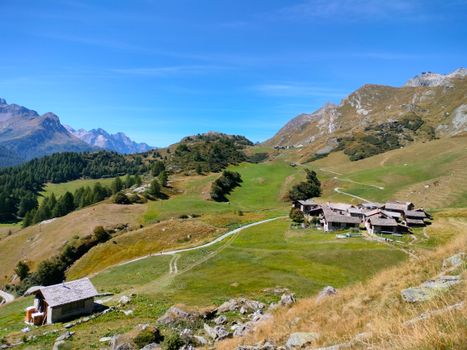
While neighboring resort towns boast high-rise hotels and designer boutiques, Albinen has quietly preserved its architectural heritage. Clinging to a steep, south-facing pasture high above the Dala Gorge, this Swiss gem is a masterclass in traditional Valais alpine architecture.
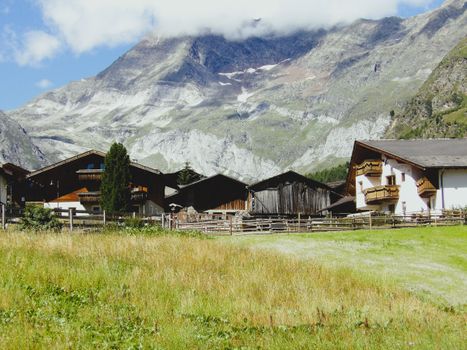
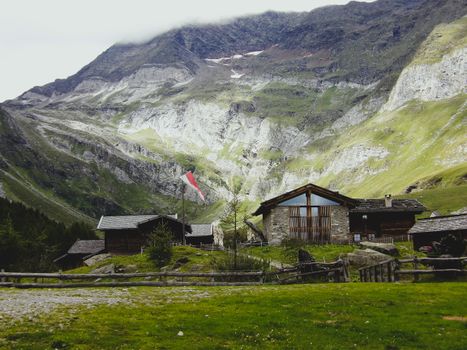
The village is famous for its remarkably preserved timber houses. Constructed from local larch wood, these buildings have been baked by centuries of intense high-altitude sunlight, turning them a deep, rich, almost metallic black-bronze color.
Supported by dry-stone foundations and capped with heavy slate shingles, these structures are connected by a network of narrow, car-free stone pathways called gassen.
The Overnight Experience
An overnight stay in Albinen is an exercise in pure alpine tranquility. Rent a restored historic chalet and spend your afternoon hiking the surrounding meadows.
After a day on the trails, descend to the nearby village of Leukerbad to soak in the natural, mineral-rich thermal waters, then return to Albinen for a classic Valais dinner.
Order a traditional Valaisanne plate featuring air-dried beef (viande séchée), rye bread, and local cheeses, followed by a hot pot of raclette scraped directly from the wheel over boiled potatoes. Pair this rich meal with a crisp, dry Fendant white wine produced in the vineyards just down the valley.
- Pro-Tip: For an unforgettable adventure, hike the historic Albinen Ladders (Albiner Leitern). This trail features eight wooden ladders pinned directly to the vertical rock face. The trailhead starts just behind the yellow hiking signpost at the southern edge of the village. It is safe but thrilling—avoid it if you suffer from vertigo!
---
5. Potes, Spain: Cider, Stone, and the Shadows of the Picos
``` ▲ ▲ ▲ [Picos de Europa Limestone Peaks] /───\ [Medieval San Cayetano Bridge] / \ ~~/~~~~~~~\~~ [Deva River] 🏠 🏠 🏠 [Stone Mansions of Potes] ```
Located in the green, mountainous heart of Cantabria in Northern Spain, Potes lies at the confluence of four mountain valleys, guarded by the towering, jagged limestone massifs of the Picos de Europa.
Unlike the dry, sun-baked hill towns of Andalusia, Potes is lush, wet, and deeply Celtic in feel. The town is defined by its medieval stone bridges, winding cobblestone streets, and the towering 15th-century Torre del Infantado, a massive stone fortress that dominates the town's skyline.
The Overnight Experience
Potes is the gastronomic heart of the Liébana region. Staying overnight allows you to experience the local tavern culture after the hiking crowds have gone.
Begin your evening by hopping between rustic stone taverns (tabernas) along the Deva River. Order a glass of sidra (natural Cantabrian cider), which bartenders pour from high above their heads to aerate the liquid, or try a glass of orujo, a potent, grape-based liqueur distilled in copper stills right in the valley.
For dinner, sit down for a bowl of cocido lebaniego. This hearty, slow-cooked mountain stew is made with tiny chickpeas grown in the valley, tender cabbage, and a rich assortment of pork meats, including chorizo, blood sausage (morcilla), and cured ham.
- Pro-Tip: Skip the busy restaurants on the main road. Cross the medieval San Cayetano bridge and head down the narrow alleyway to find the small, family-run taverns tucked into the historic quarter. Look for places where the menu is handwritten on a chalkboard—that is where you will find the best home-cooked mountain stews.
---
The Master Planner: Logistics, Budgets, and Best Times to Visit
To help you turn these profiles into your next travel reality, here is a quick-reference guide to planning your overnight mountain escape.
| Village | Best Time to Visit | Est. Overnight Cost (USD) | How to Get There | Key Local Specialty | | :--- | :--- | :--- | :--- | :--- | | Castelmezzano, Italy | May to October | $90 – $140 / night | Train to Potenza, then local bus or rental car. | Peperoni Cruschi & Aglianico Wine | | Ainokura, Japan | Year-round (Winter is magical) | $110 – $160 / night | Shinkansen to Shin-Takaoka, then Kaetsunou bus. | Iwanana Trout & Sansai Vegetables | | Ushguli, Georgia | June to September | $40 – $70 / night | 4x4 marshrutka (minibus) from Mestia. | Kubdari Spiced Meat Bread | | Albinen, Switzerland | June to October | $150 – $220 / night | Train to Leuk, then postbus 472 directly to village. | Valais Raclette & Fendant Wine | | Potes, Spain | May to October | $70 – $110 / night | Bus from Santander or rental car via the Hermida Gorge. | Cocido Lebaniego & Orujo |
---
The Verdict: How to Choose Your Alpine Escape
``` [Which Village to Choose?] │ ┌────────────────────┴────────────────────┐ [What is your priority?] [What is your priority?]
- Raw Adventure - - Pure Serenity -
│ │ ┌──────────┴──────────┐ ┌──────────┴──────────┐ [Ancient History] [Rugged Hikes] [Cultural Heritage] [Cozy Comfort] │ │ │ │ (Ushguli) (Potes) (Ainokura) (Albinen) ```
Choosing the right mountain village comes down to what kind of experience you are searching for:
- If you want high-altitude adventure and a feeling of stepping back into the Middle Ages, go to Ushguli.
- If you seek cultural preservation and the meditative peace of traditional Japanese country living, book a guesthouse in Ainokura.
- If you want jaw-dropping dramatic views and rich Southern Italian food, choose Castelmezzano.
- If you crave quiet, pristine alpine air and classic Swiss design, head to Albinen.
- If you love hearty mountain food, cider, and green valleys, make Potes your home base.
Whichever destination you choose, remember that the true beauty of these emerging mountain villages lies in their fragility. Travel slowly, respect local customs, support family-owned guesthouses, and leave nothing behind but your footprints.
---
More pictures

Tags
Share this guide
We may earn a commission if you click a link and buy a product or service, at no extra cost to you. How affiliate links work.
Been there?