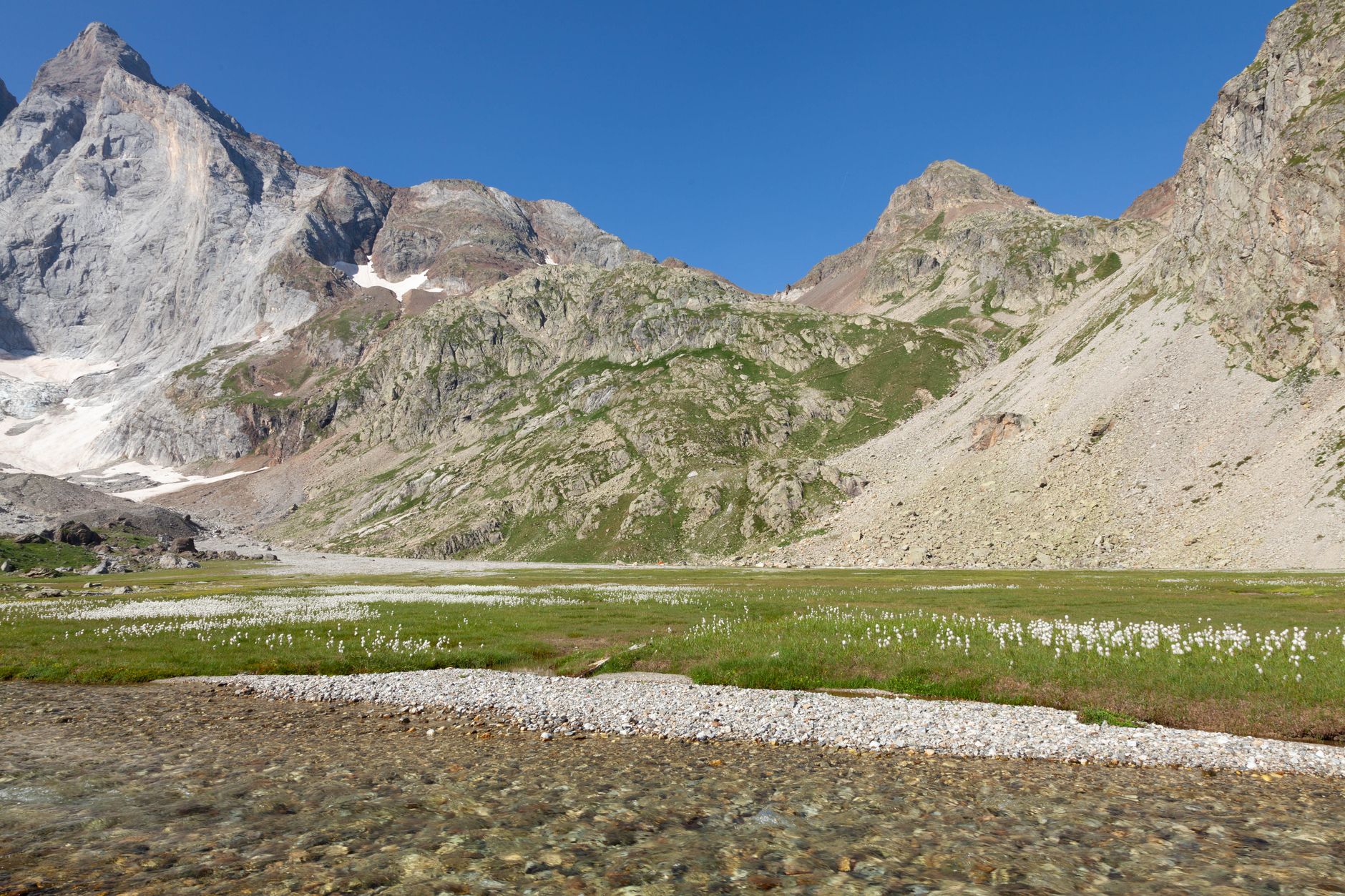
Mountain villages can suit remote workers who value quiet surroundings and easy access to outdoor activity. Connectivity, healthcare and daily logistics should be checked before committing to a longer stay.
Working from a mountain village can offer a very different daily rhythm from the one found in a large city. Mornings may begin with fresh air and a view of the peaks, and afternoons can be spent on a walk rather than in traffic. For some professionals, this combination of focus and open space is appealing. Yet a village that looks idyllic in photographs may have limits that only become apparent after arrival. Reliable internet, practical services and a realistic understanding of seasonal life all shape whether a stay will work well over several weeks or months.
This guide explains the main factors to review when considering a mountain village as a base for remote work. It does not promote any particular place, because conditions vary widely between regions, countries and even individual valleys.
Why Mountain Villages Appeal to Remote Workers
Many mountain villages sit within reach of larger towns but feel far removed from them. They often have lower noise levels, clean air and plenty of options for exercise before or after a working day. Some areas have a tradition of seasonal residence, so there may be furnished rentals and longer-term accommodation available outside peak tourist periods. For people whose work is portable, a quieter setting can help with concentration and wellbeing, and time spent outdoors can offset long hours at a desk.
The appeal is strongest when the trip has clear goals. Someone who wants a month of focused writing, software development or design work will have different needs from someone who plans to combine work with weekend hiking. Defining those needs early helps determine how remote a village can realistically be.
Checking Internet Reliability
Internet quality is the factor most likely to decide whether a mountain stay succeeds. Coverage can vary sharply between neighboring buildings, and fiber, cable, fixed wireless and mobile connections may all be available in different parts of the same valley. Before booking, ask the accommodation provider for the internet provider's name, the connection type and any recent speed information they can share. It is also sensible to ask whether the connection is shared among many guests, since this can reduce performance at busy times.
Mobile data is often a useful backup, but signal strength in steep terrain can be inconsistent. Consider a second data option, such as a separate mobile plan, and check whether the village has a reliable place with good coverage for video calls. Many professionals arrange a test call with colleagues during the first week to confirm that the setup works in practice.
Coworking Spaces and Community Hubs
Some mountain towns and villages have coworking spaces, libraries with study areas or cafes that welcome laptop users. These options can provide stable power and internet, a change of scenery and occasional contact with other professionals. Availability is uneven, however, and opening hours may be limited outside the main season. Checking current listings and calling ahead is more reliable than assuming a space will be open on a given day.
Community life in small villages can be warm but also quieter than in cities. Joining a local event, a class or a walking group is one way to build social connections. Visitors who are in the area for several weeks often find that these everyday contacts make a longer stay feel more settled and enjoyable.
Healthcare, Groceries and Everyday Logistics
Practical services deserve careful attention. Smaller villages may have limited pharmacies, shops and medical facilities, and the nearest hospital can be a significant drive away. Before arriving, identify the closest general practitioner or clinic, the emergency number for the area and the nearest pharmacy. If you rely on prescription medication, confirm that you have enough supply and that your insurance covers care in the region. Travel insurance terms should be read carefully, particularly for activities such as off-piste skiing or mountain biking.
Grocery shopping may require planning, especially if shops close early or on certain days. Transport can also be limited to buses with fixed timetables, so a car is often necessary for flexibility. Check road conditions in winter, as some mountain roads may require winter tyres or chains under local rules.
Seasonal Patterns and Access
Mountain life follows the seasons closely. Roads may close temporarily during heavy snowfall, some lifts and trails open only at certain times of year, and accommodation may change hands between seasons. Spring and autumn can be quieter, with fewer visitors but also more unpredictable weather and occasional closures of tourist facilities. Summer tends to bring hikers and more activity, while winter may bring snow sports and cold temperatures that affect both comfort and travel.
Because conditions change, it helps to check local tourism and transport sites shortly before departure. Local municipalities and regional authorities often publish notices about road works, closures and weather warnings.
Practical Tips
Ask for a written confirmation of internet details before paying a deposit. Set up a backup connection, and keep a list of local phone numbers for the accommodation host, transport and medical help. Keep a clear separation between work hours and leisure time, since the landscape can be a constant temptation. Pack for changeable weather, including layers, a waterproof jacket and footwear suitable for uneven ground. Finally, respect local customs, keep noise low in residential areas and be considerate of residents who live there year-round.
A mountain village can be an excellent base for remote work when the practical details line up with your needs. Taking time to test connectivity, understand local services and plan for seasonal changes helps turn an attractive idea into a stay that is productive as well as restful. The best choice is the one that supports both your work and the way you want to spend your days.
More pictures
Tags
Share this guide
We may earn a commission if you click a link and buy a product or service, at no extra cost to you. How affiliate links work.
Been there?