
Tired of fighting for a spot at overcrowded viewpoints? This post uncovers a curated list of six breathtaking mountain peaks perfect for capturing the magic of sunrise, still largely untouched by mainstream tourism. Prepare to discover your next epic dawn adventure and bring home truly unique photos. ---
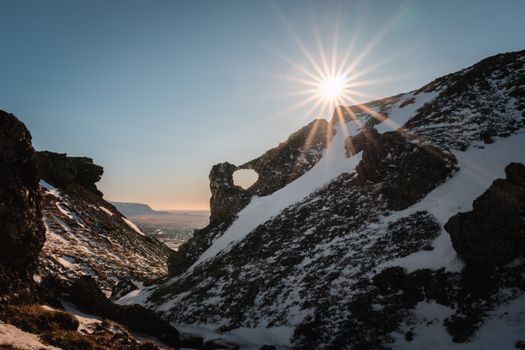
The chill in the pre-dawn air, the inky blackness slowly giving way to a canvas of deep blues and purples, and then that first fiery kiss of orange on a distant peak – there’s an undeniable, almost spiritual, magic to a mountain sunrise. For me, a travel photographer and an eternal optimist, it’s the purest form of travel bliss. It’s a moment of profound solitude, a connection to something ancient and grand, and, let’s be honest, an unparalleled opportunity for truly epic photography.
But here’s the rub: finding that perfect, unspoiled mountain sunrise spot is becoming increasingly difficult. Iconic locations, once whispered secrets among adventurers, are now plastered across Instagram, leading to swarms of photographers vying for the same sliver of light. The magic, for me, often fades when I’m jostling for tripod space.
That’s why I’ve dedicated years to chasing dawn in places that haven't quite hit the mainstream radar yet. I'm talking about peaks that offer all the drama, the scale, and the ethereal beauty of a world-famous vista, but with a fraction of the crowds. These are the places where you can still feel like an explorer, where the only sounds are the rustling wind and your own beating heart.
After countless early mornings, chilly hikes, and cups of lukewarm coffee, I'm thrilled to share six of my absolute favorite, "before-they-become-mainstream" mountain peaks that are simply perfect for sunrise photography. Pack your bags, charge your batteries, and get ready to witness dawn like never before.
1. Velika Planina, Julian Alps, Slovenia: Shepherd's Huts & Golden Glow
The Vibe: Imagine rolling alpine pastures dotted with quaint, mushroom-shaped shepherd's huts, mist clinging to the valleys below, and the mighty Julian Alps piercing the horizon as the sun paints them in hues of gold and rose. Velika Planina isn't a jagged peak in itself, but rather a high plateau offering unparalleled panoramic views, and it's an absolute dream for sunrise photography. It feels like stepping into a pastoral fairytale, far removed from the modern world.
My Personal Anecdote: My first visit to Velika Planina was a spontaneous detour. I’d seen a few photos of the unique huts, but nothing prepared me for the sheer tranquility. I opted to stay in one of the refurbished shepherd’s huts overnight – a rustic but cozy experience complete with a crackling fire. Waking up before dawn, I stumbled out into the biting cold, the only sound the distant clanging of cowbells. As the first light kissed the peaks of the Kamnik-Savinja Alps, illuminating the mist-filled valleys and casting long shadows from the huts, I felt a wave of peace. It was just me, my camera, and the vast, awakening landscape. No crowds, no rush, just pure, unadulterated beauty.
The Ascent/Journey: Velika Planina is surprisingly accessible. You can drive to the base of the mountain near Kamniška Bistrica and take a cable car up to the plateau, followed by a short chairlift ride or a 30-minute walk to the main shepherd's village. For sunrise, you'll want to either stay overnight in one of the huts (highly recommended for the full experience) or arrange for an early morning taxi to the cable car station if it operates early enough (check seasonal schedules!). Alternatively, for the adventurous, there are hiking trails up, but they are long and require a pre-dawn start.
The Sunrise Experience: The magic here is in the interplay of light on the unique architecture of the huts, the rolling terrain, and the distant mountain range. The sun typically rises over the Kamnik-Savinja Alps to the east, casting a warm glow across the entire plateau. Mist often lingers in the valleys, creating ethereal layers and a sense of depth.
Photography Tips:
- Foreground Interest: The shepherd's huts are your prime foreground subjects. Frame them against the rising sun or with the mountains in the background.
- Wide-Angle Lens: Essential for capturing the expansive landscape and the unique architecture.
- Telephoto Lens: Great for isolating distant peaks, details on the huts, or capturing the sun itself as it peeks over the horizon.
- Mist & Light: Arrive early to capture the blue hour and watch how the mist interacts with the first rays of light. Look for sun rays piercing through the fog.
- Time: Best in late spring to early autumn when the huts are active and the weather is generally favorable.
Practical Info:
- Accommodation: Several refurbished shepherd's huts are available for rent through local agencies (e.g., Velika Planina Tourist Association). Book well in advance.
- Cost: Cable car return ticket is around €15-€20. Hut stays vary but expect €60-€120 per night.
- Getting There: Fly into Ljubljana (LJU), then a 30-40 minute drive to Kamniška Bistrica. A rental car offers the most flexibility.
2. Bucegi Mountains, Romania: Mystical Formations & Carpathian Dawn
The Vibe: Less about classic jagged peaks and more about otherworldly rock formations, the Bucegi Mountains in Romania offer a truly unique sunrise experience. Home to the Sphinx and Babele – natural rock sculptures shaped by wind and rain – this high-altitude plateau feels ancient, mystical, and wonderfully off-the-beaten-path for international photographers. The vastness of the plateau and the dramatic drop-offs into the valleys below create a stunning backdrop for dawn.
My Personal Anecdote: I remember my first time ascending to the Bucegi Plateau. The cable car ride itself was an adventure, rising steeply above the town of Bușteni. I decided to camp near the Babele Chalet to ensure an early start. That night, a storm rolled in, and I worried my sunrise plans were ruined. But as the first hints of dawn appeared, the clouds began to part, revealing patches of brilliant orange and pink. The Sphinx, shrouded in swirling mist, looked even more enigmatic, almost alive. As the sun broke through, illuminating the ancient rock formations and casting long, dramatic shadows across the plateau, I felt like I was on a different planet. It was a raw, powerful, and utterly unforgettable moment.
The Ascent/Journey: The most common way to reach the Sphinx and Babele is via cable car from Bușteni or from Sinaia (via Cota 1400 and then another cable car). For sunrise, you must stay overnight on the plateau. There are a few chalets (like Cabana Babele or Cabana Piatra Arsă) or you can wild camp responsibly if permitted and you are fully equipped for alpine conditions. Hiking up is possible but a multi-hour trek, often starting from Bușteni, and requires significant fitness and pre-dawn planning.
The Sunrise Experience: The sun rises to the east, often casting incredible light on the Sphinx and Babele. The vastness of the plateau means you get a wide, unobstructed view of the horizon. Cloud inversions in the valleys are common, turning the landscape into an ethereal sea of white with peaks emerging like islands.
Photography Tips:
- Composition: Frame the Sphinx or Babele against the rising sun. Experiment with different angles around the formations.
- Wide-Angle & Telephoto: Use a wide-angle for the sweeping plateau and formations, and a telephoto for compressing the distant mountains or capturing the sun directly.
- Dramatic Skies: The weather changes quickly here. Be prepared for dramatic cloud formations, mist, and even light snow, which can add incredible texture to your photos.
- Layers: Long exposures during blue hour will smooth out any moving clouds, adding to the mystical feel.
- Time: Summer and early autumn offer the best chances for clear weather, though spring and late autumn can provide more dramatic skies with snow.
Practical Info:
- Accommodation: Book chalets (Cabana Babele, Cabana Piatra Arsă) well in advance, especially on weekends. Prices are budget-friendly (around €20-€40 per night for a dorm or basic room).
- Cost: Cable car return tickets are around €15-€20.
- Getting There: Fly into Bucharest (OTP), then take a train or bus to Bușteni or Sinaia (approx. 1.5-2 hours).
3. North Cascades National Park, USA: Rugged Wilderness & Alpine Glow
The Vibe: Often called the "American Alps," North Cascades National Park in Washington State is a rugged, glaciated wilderness with countless peaks, turquoise lakes, and dense forests. While popular with backpackers, specific sunrise photography spots that aren't already heavily trafficked are still discoverable. It's a place of raw, untamed beauty, perfect for those who love a bit of adventure with their photography. Think dramatic peaks, deep valleys, and the crisp, clean air of true wilderness.
My Personal Anecdote: I was on a road trip through the Pacific Northwest and decided to spend a few days exploring the North Cascades, drawn by photos of its impossibly blue lakes. I woke up early one morning, having camped at a basic site near the Maple Pass Loop trailhead (a fantastic hike for later in the day). Instead of heading straight up the loop, I hiked a lesser-known trail that led to a small, unnamed viewpoint overlooking some of the park's more remote peaks. The air was frigid, and I could hear the distant roar of a waterfall. As the sun crept over the horizon, it painted the jagged, snow-capped peaks in an intense orange, reflecting faintly in a hidden alpine tarn I'd discovered. It felt like I was the only person for miles, witnessing a private symphony of light and shadow.
The Ascent/Journey: Many of the best sunrise spots in the North Cascades require a hike. While Artist Point (near Mount Baker, just outside the park) is popular, try looking for viewpoints along the North Cascades Highway (SR 20) or short hikes off the main road. The Maple Pass Loop area, for instance, offers incredible views, but you'd need to camp or start hiking very early. Diablo Lake Overlook is easily accessible but can get crowded later in the morning. For a truly unique experience, consider a backcountry permit for camping at an alpine lake, allowing you to wake up directly in the heart of the mountains.
The Sunrise Experience: The sun typically rises over the eastern peaks, illuminating the glaciers and snowfields with a warm, golden light. The sheer scale of the mountains and the deep valleys create dramatic contrasts. Look for reflections in the pristine alpine lakes.
Photography Tips:
- Leading Lines: Use the rugged ridges, valleys, and even fallen logs as leading lines towards the rising sun.
- Reflections: Alpine lakes are your best friend here. Scout locations the day before to find the best reflection opportunities.
- Dramatic Skies: The weather in the Cascades can be unpredictable. Be ready for moody clouds, which can add immense drama to your photos.
- Polarizing Filter: Essential for cutting glare on lakes and saturating the blue skies (if you get them!).
- Time: Late spring to early fall when trails are mostly snow-free and the highway is open.
Practical Info:
- Accommodation: Camping is abundant (reservations often needed). Lodges like Ross Lake Resort offer unique stays. Towns like Winthrop or Mazama offer more traditional options.
- Cost: Park entrance is free, but some trailheads require a Northwest Forest Pass ($30 annually). Camping fees vary.
- Getting There: Fly into Seattle (SEA), then drive approx. 2-3 hours to the park entrance. A rental car is essential for exploring.
4. Triund Hill, Himachal Pradesh, India: Dhauladhar's Embrace & Himalayan Majesty
The Vibe: Triund Hill, near Dharamshala in the Indian Himalayas, offers an accessible yet profoundly rewarding mountain sunrise experience. While popular with Indian tourists and backpackers, it's still relatively unknown to the wider international photography community compared to other Himalayan giants. It's a moderate trek that culminates in a grassy ridge with jaw-dropping, unobstructed views of the mighty Dhauladhar range – a sub-range of the Himalayas – making it perfect for capturing the raw power of the mountains at dawn.
My Personal Anecdote: I arrived in McLeod Ganj, the spiritual home of the Dalai Lama, feeling a bit overwhelmed by the bustling streets. The idea of a quiet mountain escape was incredibly appealing. I hired a local guide and set off for Triund in the late afternoon. The trek itself was beautiful, winding through rhododendron and oak forests. We camped on the ridge, the air crisp and clear. That night, the stars were a dazzling blanket above us. As dawn approached, the eastern sky began to blush, slowly revealing the snow-capped Dhauladhar peaks directly in front of us. The first rays hit the highest points, turning them into molten gold. It was a sunrise that felt earned, a reward for the climb, and the sheer scale of the Himalayas unfolding before me was truly humbling. My guide brewed some chai, and we just sat in silence, soaking it all in.
The Ascent/Journey: Triund is a relatively easy-to-moderate 9 km (5.6 miles) trek from McLeod Ganj or Dharamkot, taking about 3-4 hours. The trail is well-marked. To catch sunrise, you must stay overnight at the top. There are basic guesthouses/dhabas (small eateries that also offer beds) and camping options available on the ridge. Many people hire a guide and porter, or simply carry their own gear.
The Sunrise Experience: The sun rises over the eastern valleys, gradually illuminating the entire Dhauladhar range directly to the north. The sheer proximity to the snow-capped peaks at such an accessible altitude is what makes this spot so special. The light changes rapidly, offering a dynamic show of colors and shadows on the rugged mountains.
Photography Tips:
- Panoramic Shots: The Dhauladhar range is expansive. A panoramic shot stitched from multiple frames will do it justice.
- Layered Composition: Use the foreground grasses or the occasional prayer flag to add depth to your mountain shots.
- Golden Hour Focus: The light on the Dhauladhar peaks during the first 30-60 minutes after sunrise is phenomenal.
- Manual Focus for Stars: If you arrive the night before, the Milky Way over the Dhauladhar is also a treat.
- Time: March to June and September to November are the best months. Avoid monsoon season (July-August) and heavy snow in winter.
Practical Info:
- Accommodation: Basic guesthouses/dhabas on the ridge offer beds for around ₹500-₹1000 (€5-€10). Tents can also be rented.
- Cost: Trekking permits are usually not required, but a small fee may be charged for camping.
- Getting There: Fly into Delhi (DEL), then take an overnight bus or a domestic flight to Dharamshala (DHM). From Dharamshala, take a local bus or taxi to McLeod Ganj/Dharamkot.
5. Mount Ontake, Japan: Sacred Volcano & Alpine Splendor
The Vibe: Japan’s sacred Mount Ontake, a stratovolcano located in the Kiso Valley of Nagano Prefecture, offers a profoundly spiritual and visually stunning sunrise experience. While Mount Fuji gets all the international attention, Ontake is a revered pilgrimage site for Japanese ascetics and offers breathtaking alpine views, often with clouds drifting below. It's a place of quiet reverence and dramatic natural beauty, still relatively undiscovered by foreign photographers seeking a unique perspective.
My Personal Anecdote: I was exploring the historic Nakasendo trail in the Kiso Valley and heard whispers of Mount Ontake's beauty. Intrigued by its sacred status and fewer crowds, I decided to make the pilgrimage. I took the Ropeway up and stayed at a mountain hut just below the summit. The air was thin and crisp, and the scent of pine filled my lungs. Before dawn, I hiked the final stretch to the summit, joining a handful of Japanese pilgrims. As the sun burst over the distant peaks, illuminating the serene crater lake (Nigoriike) and casting a long shadow of Ontake itself across the landscape, I felt an incredible sense of peace and wonder. The silence was broken only by the gentle murmurs of the pilgrims. It was a truly profound cultural and photographic experience.
The Ascent/Journey: Mount Ontake is accessible via the Ontake Ropeway (cable car) during summer and autumn. The ropeway takes you to around 2,150 meters (7,050 ft), from where it’s a moderate 2-3 hour hike to the summit (3,067 meters / 10,062 ft). To catch sunrise, you'll need to stay overnight at one of the mountain huts near the ropeway's upper station or higher up the mountain. Check the volcano's current activity level and restricted zones before planning your trip, as it is an active volcano.
The Sunrise Experience: The sun rises to the east, casting spectacular light over the surrounding Japanese Alps and the deep blue crater lakes of Ontake itself. Cloud inversions are common, creating a sea of clouds below your feet. The "shadow of Ontake" – the mountain's triangular shadow projected onto the distant landscape – is a classic shot.
Photography Tips:
- Wide-Angle for Panorama: Capture the vastness of the alpine landscape and the surrounding peaks.
- Telephoto for Details: Isolate distant mountain ranges, the crater lakes, or the "shadow of Ontake."
- Composition with Shrine Elements: Incorporate the small shrines and statues near the summit to add a cultural element.
- Cloud Inversions: Be patient. If clouds are present, they can make for incredibly dramatic and ethereal shots.
- Time: Late June to early October when the ropeway is operating and trails are clear of snow.
Practical Info:
- Accommodation: Mountain huts (e.g., Ontake Sanso, Odaki Sanso) offer basic accommodation and meals. Book in advance. Expect ¥8,000-¥12,000 (€50-€80) per night with meals.
- Cost: Ropeway return ticket is around ¥2,600 (€18).
- Getting There: Fly into Nagoya (NGO) or Tokyo (NRT/HND). Take a train to Kiso-Fukushima Station, then a bus to the Ontake Ropeway base station. A rental car offers more flexibility in the Kiso Valley.
6. Torridon, Scottish Highlands, UK: Ancient Giants & Wild Beauty
The Vibe: While the Isle of Skye often hogs the Scottish Highlands' photography limelight, the remote and ancient landscapes of Torridon, Wester Ross, offer an equally dramatic, if not more rugged and less crowded, sunrise experience. Dominated by majestic sandstone mountains like Liathach and Beinn Eighe, Torridon feels truly wild and untamed. The deep glens, lochs, and craggy peaks bathed in the soft, ethereal light of a Scottish dawn are simply unforgettable.
My Personal Anecdote: I'd been exploring the more well-trodden paths of Skye and decided to venture further north and west, seeking a different kind of solitude. I found myself in Torridon, a landscape that felt ancient and raw. I spent the night in a cozy B&B near Loch Torridon, setting my alarm for an ungodly hour. The drive to my chosen viewpoint – a small, unassuming pull-off overlooking a specific bend in a river with Liathach dominating the background – was shrouded in dense fog. My heart sank. But as the sky began to lighten, the fog began to lift, slowly revealing the colossal, weathered peaks. Then, a sliver of orange broke through the clouds, painting the exposed rock faces in a fiery glow. The mist clung to the valleys, creating incredible layers and a sense of depth. It was a sunrise that perfectly encapsulated the moody, majestic beauty of the Highlands, and I had it almost entirely to myself.
The Ascent/Journey: Many stunning viewpoints in Torridon are accessible directly from the roads (especially the A896), requiring only a short walk from a parking area. For more adventurous photographers, there are numerous hiking trails into the glens and up the lower slopes of the mountains, offering even more secluded perspectives. For sunrise, driving to a pre-scouted location is often the easiest option, but consider staying in a local B&B or wild camping (respecting local guidelines) to be on location before dawn.
The Sunrise Experience: The sun rises over the eastern mountains, slowly revealing the incredible scale and texture of the Torridonian giants. The light is often soft and diffused, even on clear mornings, due to the northern latitude. Mist and low-lying clouds are common, adding a dramatic, ethereal quality to the landscape. Look for reflections in the numerous lochs and rivers.
Photography Tips:
- Weather as an Element: Embrace the Scottish weather! Fog, mist, and dramatic clouds are often your best friends for creating moody, atmospheric shots.
- Foreground Interest: Use the gnarled trees, heather, or rocks to add depth and context to your mountain compositions.
- Long Exposure for Water: Use a neutral density filter to smooth out rivers and lochs, creating a serene contrast with the rugged mountains.
- Wide-Angle & Telephoto: Both are essential here. A wide-angle for the expansive glens and a telephoto for isolating the intricate details of the mountain faces.
- Time: Spring and autumn often offer the most dramatic light and fewer midges (a notorious Scottish pest!). Summer offers longer daylight hours but also more midges.
Practical Info:
- Accommodation: Limited but excellent B&Bs, guesthouses, and self-catering cottages in and around Torridon and Shieldaig. Book well in advance. Expect €80-€150 per night.
- Cost: Mostly free to explore, though some private estates may have parking fees.
- Getting There: Fly into Inverness (INV) or Glasgow (GLA). A rental car is absolutely essential for exploring the Highlands. Torridon is about a 1.5-2 hour drive west of Inverness.
General Tips for Chasing Unmainstream Sunrises
- Scout Ahead: Always try to visit your chosen spot the afternoon before. Understand the terrain, find your compositions, and note where the sun will rise. Apps like PhotoPills or Sun Surveyor are invaluable.
- Dress in Layers: Mountain mornings are almost always cold, even in summer. You'll be standing still for a while.
- Headlamp is Essential: Navigating in the dark is part of the adventure.
- Tripod & Remote Shutter: Crucial for sharp, low-light photos and long exposures.
- Wide-Angle & Telephoto Lenses: Bring both to capture the grand vistas and intimate details.
- Extra Batteries: Cold drains batteries faster. Keep spares warm in an inner pocket.
- Hot Drink & Snacks: A thermos of coffee or tea and a snack will make the wait much more enjoyable.
- Check Conditions: Mountain weather is notoriously fickle. Always check forecasts (and local advisories for active volcanoes like Ontake) before heading out.
- Leave No Trace: Pack out everything you pack in. Respect the environment and local communities.
- Safety First: Inform someone of your plans, especially if hiking alone. Be aware of local wildlife.
Embrace the Dawn, Embrace the Discovery
There's a unique satisfaction in discovering a place before the world catches on, in witnessing a spectacle of nature in relative solitude. These mountains offer not just stunning photo opportunities, but also a chance for genuine connection – with nature, with culture, and with yourself.
So, next time you're planning a trip, consider venturing a little further off the beaten path. Seek out these hidden gems, embrace the early mornings, and let the magic of an unmainstream mountain sunrise fill your lens and your soul. You might just find your new favorite place, and capture a truly unforgettable shot in the process.
Which of these peaks is calling your name? Have you discovered a secret sunrise spot we should know about? Share your thoughts and photos in the comments below!
---
More pictures
Tags
Share this guide
We may earn a commission if you click a link and buy a product or service, at no extra cost to you. How affiliate links work.
Been there?