
Ever dreamt of capturing that perfect, untouched landscape shot without a single tourist photobombing your frame? I've spent years chasing these elusive moments, and today, I'm pulling back the curtain on my most cherished, life-changing discoveries – places so stunning and serene, you'll wonder if they're real. Get ready to ditch the crowds and discover your next truly unforgettable adventure.
Beyond the Postcard: My Quest for Unseen Beauty and the Places That Changed Me Forever
There’s a moment etched into my travel memory – a moment that, frankly, sent me spiraling. I was in a supposed "paradise" – a world-famous beach, touted for its pristine beauty. Except, it wasn't pristine. It was a sea of selfie sticks, sun loungers packed shoulder-to-shoulder, and the constant drone of jet skis. My carefully composed "paradise" shot? Photobombed by no less than five strangers. That day, I vowed never again. Never again would I chase the Instagram hotspot only to find a sardine can.
That frustration ignited a new mission: to unearth the world's most photogenic spots that remain blissfully untouched by mass tourism. The places where you can hear your own thoughts, where the only "likes" that matter are the ones you feel in your soul, and where every photo tells a story of genuine discovery, not just another checkmark on a crowded bucket list.
It's been a journey of countless hours poring over satellite maps, befriending locals in remote villages, and taking leaps of faith down unmarked roads. And it changed my life. These aren't just pretty places; they're sanctuaries that offer true solitude, profound connection with nature, and a sense of wonder I thought had been lost.
Today, I’m sharing five of these sacred spaces with you. They require effort, sometimes a little grit, and always respect. But I promise you, the reward – for your camera roll and your spirit – is immeasurable. These are the places that changed my life forever.
1. Isla Escondida: Palawan's Secret Sapphire (Philippines)
Forget El Nido's crowded lagoons and Coron's famous wrecks. My heart belongs to Isla Escondida, a fictional name for a very real, very remote cluster of islands I discovered deep within the Palawan archipelago. It's not on Google Maps as a tourist destination, and that's precisely its magic.
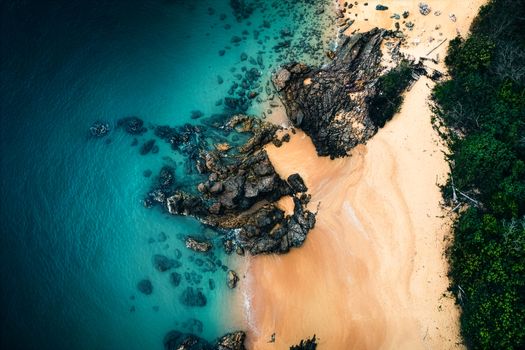
Imagine: water so clear it looks like glass, revealing vibrant coral gardens beneath. Towering limestone karsts, draped in emerald foliage, guarding secret lagoons accessible only by a small kayak at low tide. And at night, bioluminescent plankton turning the inky waters into a cosmic light show. On my last visit, I spent three days without seeing another tourist, just a handful of local fishermen sharing their fresh catch.
My Moment: I remember paddling into one such hidden lagoon, the entrance a narrow slit in the rock face. Inside, the water was an impossible shade of turquoise, perfectly still. I floated there for an hour, the only sound the gentle drip of water from the stalactites above. It felt like stepping into a prehistoric Eden, a feeling of absolute peace and profound solitude that brought tears to my eyes. Later that night, the bioluminescence was so intense I could literally "paint" with my hand in the water – pure magic.
Why it’s Crowd-Free: It's genuinely difficult to get to. There are no resorts, no scheduled tours. You need to charter a private boat from a smaller port (like Port Barton or even further south), which can be costly and requires negotiation. Most travelers stick to the well-trodden paths.
How to Get There: Fly into Puerto Princesa (PPS) or El Nido (ENI). From there, you'll need to arrange private transport (van or bus) to a more remote jump-off point like Port Barton or even San Vicente. From these towns, you’ll negotiate with local boatmen for a multi-day trip. Be prepared to camp or stay in very basic homestays on a local island. This isn't a luxury trip; it's an adventure.
Practical Tips:
- Best Time to Visit: Dry season (November to May) for calm seas and clear skies.
- Estimated Cost: Expect to pay $100-$200 USD per day for a private boat charter (which can be split among a small group), plus basic food and local accommodation (~$20-50/night).
- What to Pack: Dry bag is essential. Snorkel gear, reef-safe sunscreen, insect repellent, wide-brimmed hat, quick-dry clothing, a headlamp, and a portable charger. Cash is king here.
- Photography Tips: Wide-angle lens for landscapes and lagoons. Underwater housing for your phone or camera is a must. Golden hour light hitting the karsts is incredible. Try long exposures at night for bioluminescence (if present). Drone shots, if you have one, are unparalleled here.
- Respect: Always ask permission before entering private areas or taking photos of locals. Support local fishermen by buying their catch. Leave no trace.
2. Whispering Sands Canyon: Utah's Unseen Masterpiece (USA)
When most people think of slot canyons in Utah, Antelope Canyon immediately comes to mind. And while it's undeniably stunning, the experience is often rushed and crowded. My discovery, which I've affectionately named Whispering Sands Canyon, lies nestled deep within the Grand Staircase-Escalante National Monument – a vast, rugged expanse begging for true exploration.
This isn't a canyon you just stumble upon. It requires careful planning, route-finding skills, and a willingness to hike for hours through the desert. But once you descend into its cool, silent embrace, you're greeted by a symphony of swirling sandstone walls, carved by millennia of wind and water. The light filters in from above, creating ethereal beams and painting the rock in hues of orange, red, and purple. The silence here is profound, broken only by the whisper of the wind (hence the name) and the crunch of your own footsteps.
My Moment: The air grew cooler as I squeezed through the narrow entrance, the desert heat instantly forgotten. Deeper inside, a shaft of sunlight pierced the darkness, illuminating a perfectly smooth, undulating wall of rock. I sat there for what felt like an eternity, completely alone, mesmerized by the slow dance of dust motes in the light. It was a moment of pure, unadulterated awe, a visceral connection to the immense power of nature's artistry. I felt tiny, insignificant, yet utterly connected to something ancient and grand.
Why it’s Crowd-Free: Its remote location, challenging access (unmarked trails, scrambling), and the need for specific conditions (absolutely no rain in the forecast due to flash flood danger) deter casual tourists. It also requires a permit for certain sections, limiting daily visitors.
How to Get There: Fly into Las Vegas (LAS) or Salt Lake City (SLC) and rent a high-clearance 4x4 vehicle. Drive to a small town like Escalante or Kanab, Utah. From there, you'll need detailed topographical maps, GPS, and potentially local knowledge to find the trailhead. Permits are often required and should be obtained in advance from the BLM office.
Practical Tips:
- Best Time to Visit: Spring (April-May) or Fall (September-October) for milder temperatures. Avoid monsoon season (July-August) due to flash flood risk.
- Estimated Cost: Rental car (~$70-150/day), permit fees (if any, usually minimal ~$5-10), accommodation in nearby towns (~$100-200/night for motels/guesthouses).
- What to Pack: At least 1 gallon of water per person, sturdy hiking boots, navigation tools (GPS, compass, map), headlamp, first-aid kit, snacks, and layers of clothing.
- Photography Tips: Wide-angle lens is crucial for capturing the canyon's scale. A tripod for long exposures in low light. Capture the light beams as they change throughout the day. Look for interesting textures and patterns in the sandstone.
- Safety: Always check the weather forecast for the entire region (not just your starting point). Inform someone of your hiking plans and expected return time. Never enter a slot canyon if there's any chance of rain.
3. Monastery of Sveti Klement: Balkan Serenity (Montenegro/Albania Border)
Nestled high in the rugged Prokletije Mountains, straddling the border between Montenegro and Albania, lies the Monastery of Sveti Klement (Saint Clement). This ancient stone sanctuary, seemingly carved into the cliffside, offers not only breathtaking panoramic views but also a profound sense of peace that permeates every stone and every whisper of the wind. It’s a place where time seems to stand still, a testament to enduring faith and nature's raw beauty.
The journey to Sveti Klement is an adventure in itself, winding through remote valleys, past traditional shepherd huts, and across alpine meadows dotted with wildflowers. Upon arrival, the monastery's simple, powerful architecture stands in stark contrast to the dramatic, jagged peaks surrounding it. The air is crisp, the silence is absolute, and the feeling of being truly disconnected from the modern world is intoxicating.
My Moment: I arrived just as the morning mist was beginning to burn off, revealing the colossal mountains bit by bit. The elderly monk, Father Andrei, greeted me with a warm smile and a cup of surprisingly strong coffee. We sat in silence for a long time, simply gazing at the view. Later, he showed me ancient frescoes, their colors still vibrant, telling stories centuries old. It wasn't just a visit; it was an immersion into a way of life, a spiritual balm for the soul. The quiet dignity of the place, combined with the sheer majesty of the landscape, filled me with an indescribable sense of awe and gratitude.
Why it’s Crowd-Free: It's incredibly remote. Access requires navigating unpaved, winding mountain roads, which are often challenging and best tackled with a 4x4 or an experienced local driver. It's not a typical tourist stop and relies on word-of-mouth among hikers and cultural explorers.
How to Get There: Fly into Podgorica (Montenegro) or Tirana (Albania). Rent a robust 4x4 vehicle, or better yet, hire a local driver from a nearby town like Plav (Montenegro) or Theth (Albania) who knows the roads. The monastery is often a stop on multi-day hiking routes through the "Accursed Mountains."
Practical Tips:
- Best Time to Visit: Late spring (May-June) for wildflowers and melting snow, or early autumn (September-October) for crisp air and autumn colors. Winters are harsh and roads may be impassable.
- Estimated Cost: 4x4 rental (~$80-150/day), local driver (~$50-100/day for transport), guesthouse accommodation in nearby villages (~$30-60/night including meals).
- What to Pack: Sturdy hiking boots, layers of clothing (weather can change rapidly), cash (Euros in Montenegro, Lek in Albania, but Euros often accepted), respectful clothing for the monastery (shoulders and knees covered).
- Photography Tips: Wide-angle for sweeping landscapes. Telephoto for mountain details and wildlife. Capture the morning mist and dramatic cloud formations. Look for unique angles of the monastery against the peaks.
- Cultural Etiquette: Be respectful of the monastic way of life. Dress modestly. Silence is appreciated. A small donation to the monastery is customary and helps with its upkeep.
4. Laguna de Colores Escondidas: Bolivia's Alien Canvas (Altiplano, Bolivia)
The Bolivian Altiplano is a land of extremes, famous for the vast Salar de Uyuni. But venture beyond the main tourist circuits, into the remote southwest, and you'll discover the Laguna de Colores Escondidas (Hidden Colors Lagoon). This isn't just one lagoon, but a series of high-altitude lakes, each boasting its own vibrant, otherworldly hue – from fiery red to emerald green and sapphire blue – thanks to unique mineral deposits and micro-organisms.
Surrounded by towering, often snow-capped volcanoes and vast, desolate plains, this landscape feels less like Earth and more like an alien planet. Pink flamingos wade gracefully in the colored waters, vicuñas graze on sparse grasses, and the silence is broken only by the wind. It’s a raw, untamed beauty that challenges your perception of what a landscape can be.
My Moment: The air was thin and biting at 4,500 meters (14,700 ft), but the view stole my breath for an entirely different reason. We crested a small hill, and there it was: a lagoon the color of rust, teeming with hundreds of flamingos, their pink contrasting sharply with the red water and the deep blue sky. Further on, another lake shimmered emerald green. It felt like I was witnessing a painting come to life, but one painted by the most abstract and powerful artist imaginable. The sheer scale and the surreal colors made me feel incredibly small, yet part of something truly magnificent. The altitude headache was a small price to pay for such a profound experience.
Why it’s Crowd-Free: It's incredibly remote and high-altitude, requiring a multi-day 4x4 tour from an even more remote starting point than Uyuni (e.g., Tupiza). The harsh conditions and lack of infrastructure deter casual travelers.
How to Get There: Fly into La Paz (LPB) or Santa Cruz (SRZ). Take an overnight bus or a domestic flight to Tupiza, a mining town in southern Bolivia. From Tupiza, you must arrange a multi-day (3-4 day) 4x4 tour with a reputable local operator. This is not a self-drive destination due to the terrain and navigation challenges.
Practical Tips:
- Best Time to Visit: Dry season (April to October) for clearer skies and less chance of vehicle issues, though it's cold year-round.
- Estimated Cost: A 3-4 day 4x4 tour from Tupiza typically costs $200-$400 USD per person (for a shared vehicle), including driver, guide, food, and basic accommodation.
- What to Pack: EXTREME warm clothing (layers, hat, gloves, thermal underwear), good quality sunglasses, high-factor sunscreen, lip balm, altitude sickness medication (diamox), plenty of water, and snacks.
- Photography Tips: Wide-angle lens to capture the vastness. Telephoto for wildlife (flamingos, vicuñas). Look for reflections in the still water. Drone shots can be incredible here, but check regulations. The light changes dramatically throughout the day, offering endless opportunities.
- Health: Acclimatize in La Paz or Tupiza for a few days before the tour. Stay hydrated. Coca leaves or tea can help with altitude sickness.
5. Fjällbacka Enchanted Forest & Falls: Sweden's Fairytale Realm (Värmland, Sweden)
Deep in the less-traveled region of Värmland, Sweden, away from the bustling cities and well-known national parks, lies what I've christened the Fjällbacka Enchanted Forest & Falls. This isn't a named national park or a famous landmark; it's a specific area of ancient, moss-draped forest and cascading waterfalls that locals have known for generations but rarely share with outsiders.
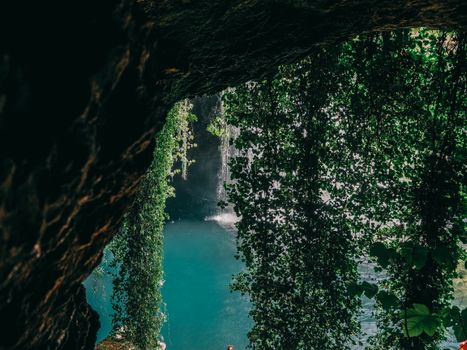
Stepping into this forest is like walking into a forgotten fairytale. Ancient trees, gnarled and covered in vibrant green moss, form a dense canopy. Sunlight filters through in dappled patterns, creating a mystical glow. Hidden streams tumble over mossy rocks, forming countless small waterfalls that fill the air with their gentle roar. In the autumn, the forest floor explodes with fungi and a riot of red and gold leaves. It’s a place of quiet magic, where you half expect to see elves or trolls peeking from behind ancient boulders.
My Moment: It was a misty autumn morning, and the air was thick with the scent of damp earth and pine. I followed a barely visible deer trail, the only sound the rushing water getting louder. Then, through a curtain of fog, I saw it: a series of waterfalls cascading over moss-covered rocks, framed by colossal, ancient trees. The light was ethereal, almost glowing. I spent hours there, just sitting on a mossy boulder, feeling the cool spray on my face, completely lost in the moment. It was a profound reminder of the simple, unadulterated beauty that exists when nature is left undisturbed. Every photograph I took felt like I was capturing a secret, a glimpse into another world.
Why it’s Crowd-Free: It's not advertised, not a major tourist attraction, and requires local knowledge or extensive mapping to find. It's in a region of Sweden often overlooked for more famous coastal or northern attractions.
How to Get There: Fly into Stockholm (ARN) or Oslo (OSL) and rent a car. Drive to the Värmland region, specifically towards smaller towns like Sunne or Arvika. From there, you'll need detailed hiking maps (often available locally) or GPS coordinates obtained from very specific sources (local tourism offices, but you might need to ask for "local hiking spots" not "tourist attractions").
Practical Tips:
- Best Time to Visit: Spring (April-May) for lush greenery and strong water flow, or Autumn (September-October) for incredible fall colors and mystical mist.
- Estimated Cost: Rental car (~$50-100/day), accommodation in a cabin or guesthouse (~$80-150/night), groceries for self-catering.
- What to Pack: Waterproof hiking boots, rain jacket, layers of clothing, insect repellent (especially in summer), a good camera with extra batteries, and a thermos for hot tea.
- Photography Tips: Macro lens for moss and fungi. Long exposures for silky waterfalls. Wide-angle for capturing the forest's depth. Look for natural frames and interesting compositions with fallen trees or rocks. The misty conditions are perfect for atmospheric shots.
- Respect: Stick to marked (or barely marked) trails. Do not disturb the flora or fauna. Leave no trace.
Your Journey to Unseen Wonders Awaits
These places aren't just coordinates on a map; they are gateways to experiences that reshape your perspective, challenge your comfort zone, and ultimately, enrich your life. They taught me that true beauty often lies beyond the well-worn path, demanding a little more effort but offering infinitely greater rewards.
So, next time you're planning a trip, consider looking beyond the glossy brochures and trending hashtags. Seek out the whispers, the forgotten corners, the places that haven't been "discovered" by the masses. Trust me, the moments you'll capture, both on your camera and in your heart, will be truly life-changing.
What's your hidden gem? Have you found a place that took your breath away and offered true solitude? Share your stories in the comments below! And if this post inspired you, please share it with your fellow adventurers – let's inspire more mindful, off-the-beaten-path travel!
---
More pictures


Tags
Share this guide
We may earn a commission if you click a link and buy a product or service, at no extra cost to you. How affiliate links work.
Been there?