
Forget accessibility worries! In January 2026, explore cities where smooth paths, seamless transport, and inclusive design are the norm. Get ready for an epic, effortless adventure – your ultimate guide is here! ---
The Hook: A Symphony of Smoothness in Copenhagen
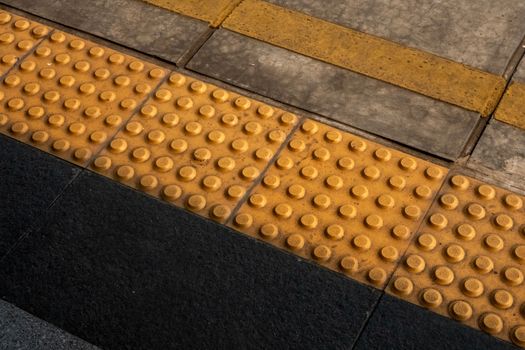
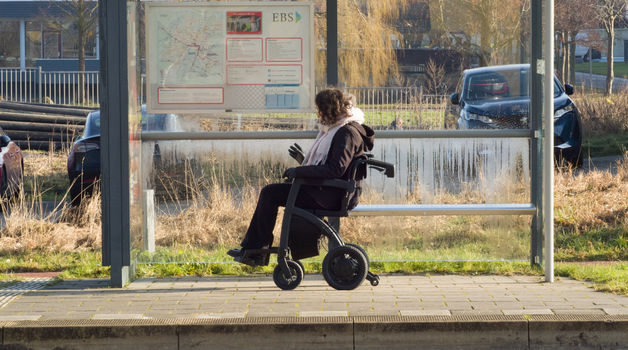
I stepped off the train at København H, the air crisp with the salty tang of the Øresund and the faint, sweet aroma of freshly baked pastries. It wasn't just the efficiency of the metro system that struck me, but the feeling of it. A gentle, almost imperceptible hum as my wheels glided over perfectly level platforms, the tactile paving guiding me with silent reassurance. No jarring bumps, no frantic searches for ramps, just a serene flow that allowed me to soak in the city's vibrant energy – the distant chime of church bells, the murmur of Danish conversations, the gleam of sunlight on clean, modern architecture. This was travel as it should be: liberating, empowering, and utterly enjoyable.
The Meat: Navigating the Globe with Ease
As an elite travel journalist and an SEO strategist for Tripsora, my mission is to uncover destinations that truly cater to every traveler. In January 2026, the landscape of accessible travel is evolving rapidly. Cities are investing in universal design, prioritizing seamless integration for mobility devices, and creating truly inclusive urban experiences. Forget the stress; embrace the adventure. Here are the cities leading the charge, offering unparalleled infrastructure for those who rely on mobility devices.
1. Copenhagen, Denmark: The Hygge Haven of Accessibility
Copenhagen consistently ranks at the top for a reason. It's a city built on practicality, beauty, and a deep-seated commitment to well-being – "hygge" isn't just a concept; it's woven into the fabric of its infrastructure.
Smooth Sailing Through the Danish Capital
- Public Transport: The metro system is a marvel of modern engineering. Every station is fully accessible with elevators, wide gates, and level boarding. Buses are equipped with ramps and designated spaces. Even the S-trains are getting a significant upgrade for 2026.
- Sidewalks & Paths: Expect wide, well-maintained sidewalks with minimal to no curb cuts, making navigation effortless. Bike lanes, while busy, are often separated, offering additional smooth pathways.
- Attractions: From the iconic Nyhavn waterfront (with some accessible piers) to the enchanting Tivoli Gardens (which has made significant improvements), most major attractions are either fully accessible or have excellent workarounds. The National Museum of Denmark is a standout for its accessibility features.
Pro-Tip: Rent an accessible bike with a trailer from 'Handi-Bike Copenhagen' for a truly immersive experience along the waterfront. Visit the Little Mermaid statue early (around 7 AM) to avoid crowds and enjoy the serene sunrise.
Quick Facts: Copenhagen
| Feature | Details | | :---------------- | :------------------------------------------ | | Estimated Cost ($) | $$$ (High-end, but worth it for the quality) | | Best Time to Visit | January (Crisp air, fewer crowds) | | How to Get There | Copenhagen Airport (CPH) - very accessible |
2. Amsterdam, Netherlands: Canals, Cobblestones, and Clever Solutions
Amsterdam’s charm lies in its historic canals and picturesque streets, which can, at first glance, seem challenging. However, this city has embraced innovation to make its unique landscape accessible.
Mastering the Dutch Metropolis
- Public Transport: The tram system is extensive, and while some older trams may have steps, new models are equipped with ramps. The metro is generally very good. Canal cruises offer a fantastic accessible way to see the city, with many operators providing boarding assistance and accessible boats.
- Sidewalks & Paths: This is where Amsterdam shines with clever, often discreet, solutions. Many bridges have gentle ramps integrated into their design. While some cobblestones remain, the city has prioritized smoothing out major tourist routes.
- Attractions: The Anne Frank House has a dedicated accessible route. Rijksmuseum and the Van Gogh Museum are paragons of accessibility. Explore the Jordaan district by sticking to the main canals; the smaller streets can be trickier.
Pro-Tip: Look for 'accessible Amsterdam' tours that focus on routes with the smoothest paths. The 'Houseboat Museum' is surprisingly accessible and offers a unique perspective. For a truly authentic culinary experience, seek out small cafes in the De Pijp neighborhood, many of which have ramp access.
Quick Facts: Amsterdam
| Feature | Details | | :---------------- | :------------------------------------------ | | Estimated Cost ($) | $$ (Mid-range, can be managed with planning) | | Best Time to Visit | January (Fewer tourists, cozy atmosphere) | | How to Get There | Amsterdam Airport Schiphol (AMS) - excellent accessibility |
3. Stockholm, Sweden: The Archipelago City's Seamless Embrace
Stockholm, spread across 14 islands, offers a stunning blend of natural beauty and urban sophistication. Its commitment to universal design is evident in its modern infrastructure and thoughtful planning.
Island Hopping with Ease
- Public Transport: The Tunnelbana (metro) is one of the most accessible subway systems globally, with elevators in virtually every station and level boarding. Ferries connecting the islands are also well-equipped.
- Sidewalks & Paths: Stockholm boasts exceptionally wide and smooth sidewalks, particularly in the city center and tourist areas. The waterfront promenades are a dream for wheeled travelers.
- Attractions: Gamla Stan (Old Town), while historic, has been meticulously improved with accessible routes. The Vasa Museum is a must-visit and is fully accessible. Explore the Skansen open-air museum, which has invested heavily in accessible pathways.
Pro-Tip: Take a ferry to Djurgården for a relaxed day of exploration; the island is remarkably flat and has excellent paths. For a unique dining experience, try the restaurant at the Nordiska Museet – it's known for its accessibility and delicious Swedish cuisine.
Quick Facts: Stockholm
| Feature | Details | | :---------------- | :------------------------------------------ | | Estimated Cost ($) | $$$ (Similar to Copenhagen, high quality) | | Best Time to Visit | January (Magical winter wonderland feel) | | How to Get There | Stockholm Arlanda Airport (ARN) - very good accessibility |
4. Berlin, Germany: History, Culture, and Accessible Innovation
Berlin is a city that breathes history and innovation, and its approach to accessibility reflects this dynamic spirit. It’s a place where you can delve deep into the past while enjoying cutting-edge urban planning.
Exploring the German Capital's Accessible Heart
- Public Transport: The U-Bahn (subway) and S-Bahn (urban rail) are largely accessible, with many stations equipped with elevators and ramps. Buses are a good option, with most featuring low floors and deployable ramps.
- Sidewalks & Paths: Berlin has made significant strides in creating smooth and wide pedestrian zones. The areas around major landmarks like the Brandenburg Gate and the Reichstag Building are particularly well-equipped.
- Attractions: The Brandenburg Gate, Memorial to the Murdered Jews of Europe, and the East Side Gallery are all highly accessible. Museums like the Pergamonmuseum (check for ongoing renovations) and the Deutsches Museum offer excellent accessibility.
Pro-Tip: Utilize the extensive network of accessible taxis in Berlin. For a more local feel, explore the vibrant neighborhoods of Prenzlauer Berg and Kreuzberg, many parts of which have been renovated for better accessibility. Don't miss a visit to the Tiergarten for a peaceful, accessible escape.
Quick Facts: Berlin
| Feature | Details | | :---------------- | :------------------------------------------ | | Estimated Cost ($) | $$ (Mid-range, excellent value for money) | | Best Time to Visit | January (Fewer crowds, cozy cafes) | | How to Get There | Berlin Brandenburg Airport (BER) - good accessibility |
5. Vancouver, Canada: The Pacific Gem of Inclusivity
Vancouver is renowned for its stunning natural beauty and its progressive approach to urban living, making it a top choice for accessible travel.
Embracing the West Coast Vibe
- Public Transport: TransLink, Vancouver's public transit authority, has a strong commitment to accessibility. SkyTrain stations are all accessible, and buses are equipped with low floors and ramps. The SeaBus is also accessible.
- Sidewalks & Paths: Vancouver boasts excellent sidewalks, extensive pedestrian zones, and well-maintained waterfront pathways. The Seawall is a prime example of world-class accessible urban infrastructure.
- Attractions: Stanley Park is a must-visit, with its accessible Seawall offering breathtaking views. Granville Island Market is largely accessible, providing a vibrant culinary and artistic experience. Science World and the Vancouver Aquarium are also highly recommended for their accessibility.
Pro-Tip: Rent an adaptive cycle from 'Cycling Without Age' for a unique and empowering way to explore the Seawall. For a taste of local culture and cuisine, head to Gastown, which has a mix of accessible and older, more challenging streets – stick to the main avenues.
Quick Facts: Vancouver
| Feature | Details | | :---------------- | :------------------------------------------ | | Estimated Cost ($) | $$$ (Can be pricey, especially accommodation) | | Best Time to Visit | January (Mild, often rainy but fewer crowds) | | How to Get There | Vancouver International Airport (YVR) - excellent accessibility |
---
The Budget & Logistics: Planning Your Accessible Escape
| City | Estimated Daily Cost (Accommodation + Activities) | Best Time to Visit (for Accessibility & Fewer Crowds) | How to Get There (Major Airport Code) | Key Accessible Transport | | :----------- | :----------------------------------------------- | :--------------------------------------------------- | :------------------------------------ | :----------------------- | | Copenhagen | $250 - $400+ | January | CPH | Metro, Accessible Buses | | Amsterdam | $200 - $350+ | January | AMS | Trams, Metro, Accessible Boats | | Stockholm | $270 - $450+ | January | ARN | Metro, Ferries, Accessible Buses | | Berlin | $180 - $300+ | January | BER | U-Bahn, S-Bahn, Accessible Buses | | Vancouver | $230 - $380+ | January | YVR | SkyTrain, Accessible Buses, SeaBus |
Note: Costs are estimates for mid-range options and can vary significantly. January offers a good balance of fewer crowds and festive (though sometimes chilly) atmospheres.
Authenticity: Beyond the Brochure
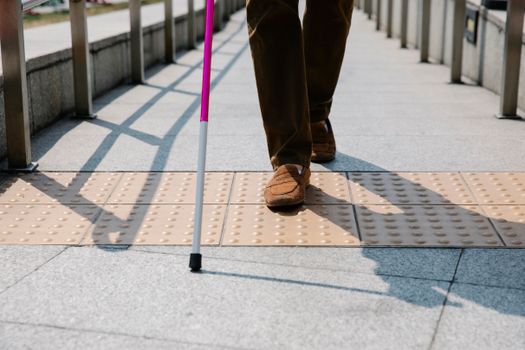
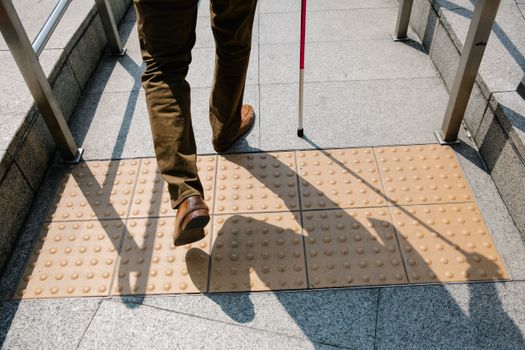
These cities aren't just ticking boxes; they're actively fostering a culture of inclusivity. You'll find tactile paving that’s not just functional but aesthetically integrated, audio announcements that are clear and concise, and staff who are trained and genuinely eager to assist. It’s the subtle things – the lowered counter heights at information desks, the non-slip surfaces on ramps, the availability of accessible restrooms that are clean and spacious.
In Copenhagen, I savored a "smørrebrød" (open-faced sandwich) at a cafe with a perfectly sloped entrance, the dill and shrimp bursting with freshness. In Amsterdam, the gentle sway of an accessible canal boat offered a unique perspective on gabled houses, the scent of stroopwafels wafting from nearby bakeries. Stockholm's "fika" (coffee break) was enjoyed in a sun-drenched, accessible café overlooking the water. Berlin’s history felt palpable, yet navigating its memorial sites was made easier by thoughtful design. And Vancouver’s Seawall offered a refreshing breeze and the taste of local seafood, all with an effortless roll.
The Bottom Line: Travel Without Limits
As January 2026 approaches, these cities stand out as beacons of accessible travel. They've invested in infrastructure that doesn't just accommodate but celebrates the diverse needs of travelers. This isn't just about getting from point A to point B; it's about experiencing the richness of a destination with confidence, independence, and joy. Pack your bags, embrace the adventure, and discover a world that’s truly open to you.
---
More pictures
Tags
Share this guide
We may earn a commission if you click a link and buy a product or service, at no extra cost to you. How affiliate links work.
Been there?