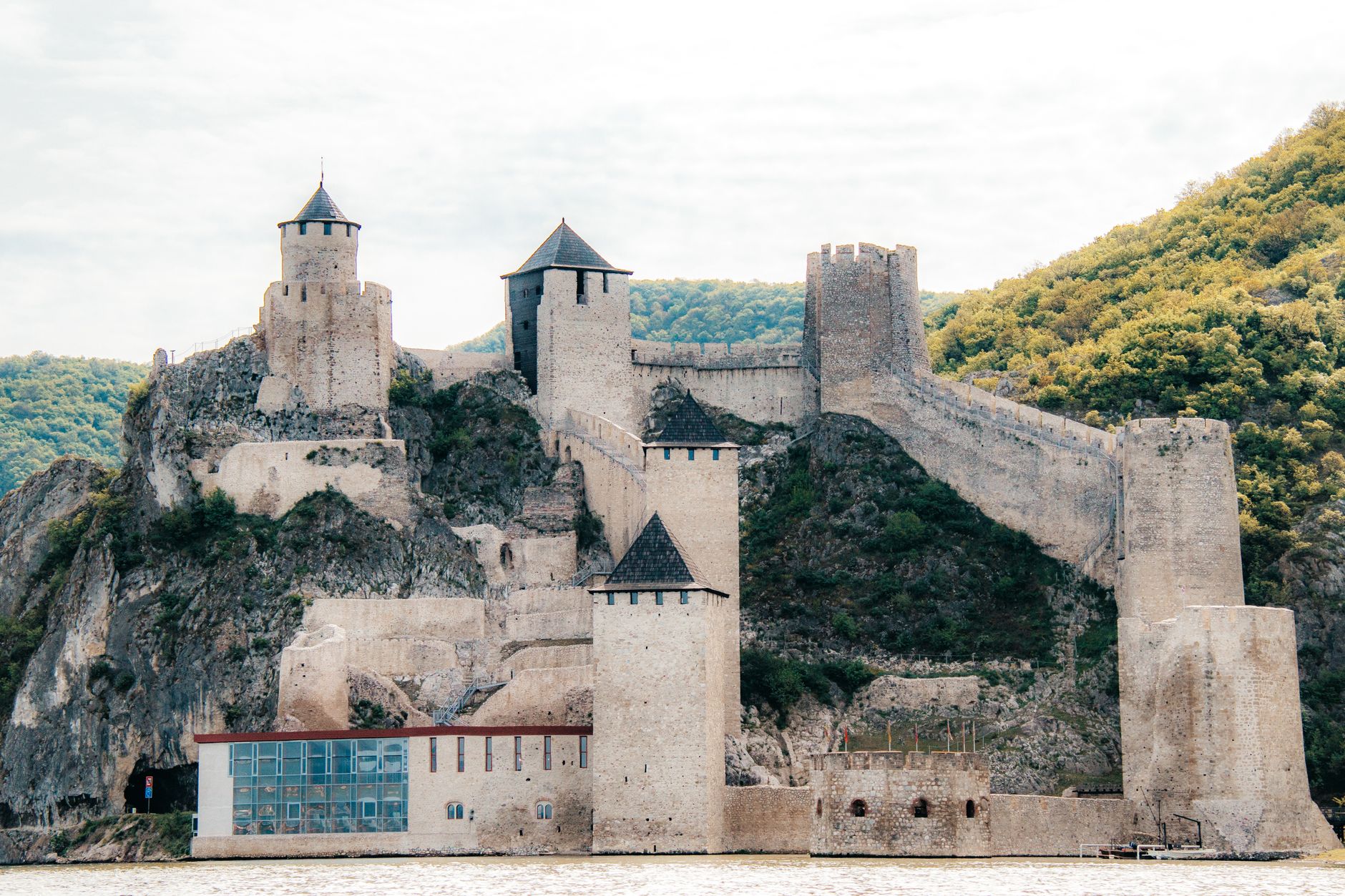
Tired of shoulder-to-shoulder elbowing on the Charles Bridge? While Prague remains an architectural titan, its summer crowds can break the fairy-tale illusion instantly. We’ve mapped out five breathtaking, authentic medieval towns across Europe that pack twice the charm, half the tourists, and centuries of history you can actually experience in peace. From fortified Romanian citadels to Catalan stone strongholds, here is where you should be traveling this summer. ---
The Death of the European Fairytale (and How to Save It)
I stepped off the local passenger train into Sighișoara at 6:15 AM, just as the morning mist rolled down from the surrounding Carpathian foothills. The air smelled crisp—a mix of damp limestone, woodsmoke, and freshly baked gogoși (powdered sweet dough) wafting from a bakery door opening for the morning shift.
While millions of travelers were currently getting jostled like cattle on Prague’s Charles Bridge, I had an entire 12th-century Saxon citadel to myself. The silence was broken only by the rhythmic strike of a blacksmith’s hammer echoing down a cobblestone alley and the soft coo of pigeons nesting in the eaves of pastel-painted burgher houses.
That morning, the truth hit me hard: Europe’s true medieval soul isn't found in overcrowded capitals anymore. It lives in the untouched market towns, fortified border settlements, and hidden river valleys where history isn't staged for mass tourism—it is simply lived.
If you love the Gothic spires, cobblestone alleys, and centuries-old mystery of Central Europe, but dread the selfie-stick swarms, inflated tourist prices, and staged postcard experiences, here are five trending, deeply authentic medieval towns that put Prague to shame this summer.
---
1. Sighișoara, Romania: The Last Inhabited Medieval Citadel in Europe
``` +-----------------------------------------------------------------------+ | QUICK FACTS | | Best Time to Visit: May to Late September | | Avg Daily Budget: $55 - $80 USD | | How to Get There: Direct train from Cluj-Napoca (3.5 hrs) or Brașov | | Architecture Style: Transylvanian Saxon Gothic & Renaissance | +-----------------------------------------------------------------------+ ```
Perched high on a hill in the heart of Transylvania, Sighișoara isn't a reconstructed open-air museum. It is a living, breathing 12th-century UNESCO World Heritage citadel where real people still shop, live, and walk down streets laid by German Saxon artisans over 800 years ago.
What Makes It Magic
Nine original defense towers still guard the citadel perimeter, each historically maintained and named after the guild that built it—the Tailors’ Tower, the Tanners’ Tower, the Blacksmiths’ Tower. The streetscapes are a watercolor splash of ochre, mustard yellow, dusty rose, and mint green, featuring steep tile roofs designed with tiny eye-like attic windows (the eyes of Sighișoara) that watch your every move.
What to Eat & Drink
Skip the overly commercialized Dracula-themed taverns near the central square. Instead, walk down the side street to Casa Georgius Krauss. Order a plate of slow-braised wild boar ragout accompanied by polenta (mămăligă) and sour cream, paired with a glass of dry red Fetească Neagră from the local Tarnave vineyards.
Journalist Pro-Tip
Climb the Scara Școlarilor (Covered Scholars' Stairs)—a dark, atmospheric wooden tunnel built in 1642 with 175 worn oak steps—at precisely 7:00 AM. At the top, you’ll reach the Church on the Hill. You will hear the morning church bells ring across the river valley in total solitude, before any tour buses arrive from Brașov.
---
2. Besalú, Spain: Catalonia’s Impregnable Stone Fortress
``` +-----------------------------------------------------------------------+ | QUICK FACTS | | Best Time to Visit: June or September | | Avg Daily Budget: $90 - $130 USD | | How to Get There: 45-min Teisa bus ride from Girona | | Architecture Style: Romanesque & Medieval Jewish Heritage | +-----------------------------------------------------------------------+ ```
When travelers think of Catalonia, they picture Barcelona’s crowded beaches or Girona’s colorful riverfront. But head inland toward the volcanic hills of La Garrotxa, and you will hit Besalú—a stone fortress town that feels ripped straight from a high-fantasy novel set in Westeros.
What Makes It Magic
The entrance to Besalú sets an unbeatable standard. To cross into town, you must walk across a seven-arched, 11th-century fortified stone bridge spanning the rushing waters of the Fluvià River. Mid-bridge stands an imposing gateway tower where guards once levied tolls on traveling merchants. Inside the walls, the town is a maze of volcanic stone structures, shaded arches, and hidden courtyards heavy with the scent of wild rosemary and drying pine resin.
Hidden Architectural Gem
Besalú houses one of the rarest historical sites in Western Europe: a subterranean 12th-century mikveh (Jewish ritual bath). Discovered accidentally in 1964 beneath a riverfront plaza, this underground room cut into solid bedrock is one of only three surviving medieval mikvahs on the European continent.
Journalist Pro-Tip
For the ultimate postcard shot without a crowd, descend the dirt footpath down to the grassy banks of the Fluvià River near Plaça de Prats de Sant Pere at 8:00 PM during golden hour. The reflection of the ancient bridge arches illuminated by the low setting sun hitting the volcanic cliffside is pure magic.
---
3. Quedlinburg, Germany: The Half-Timbered Time Machine
``` +-----------------------------------------------------------------------+ | QUICK FACTS | | Best Time to Visit: June through August | | Avg Daily Budget: $100 - $140 USD | | How to Get There: 2-hour regional train from Leipzig or Hanover | | Architecture Style: 5 Centuries of Fachwerk (Half-Timbered) Woodwork | +-----------------------------------------------------------------------+ ```
While tourists crowd Rothenburg ob der Tauber until the cobblestones buckle, Quedlinburg lies quietly at the foot of the Harz Mountains in central Germany. It boasts one of the largest concentrations of historical timber-framed structures in the world.
What Makes It Magic
Quedlinburg survived World War II virtually untouched, preserving over 1,300 historic half-timbered houses (Fachwerk) built across five distinct centuries. Walking these streets feels like traversing an architectural timeline:
- 14th Century: Heavy, thick timber frames with simple geometric cross-beams.
- 16th Century (Renaissance): Intricately carved wooden friezes, fan-rosettes, and gilded inscriptions.
- 18th Century (Baroque): Curved mansard roofs and elegant symmetry.
The entire town cascades down beneath the towering Sandstone cliff where the Collegiate Church of St. Servatius sits—housing the 10th-century tomb of King Henry the Fowler.
What to Eat & Drink
Find a quiet outdoor table at Brauhaus Lüdde, a former historic malt house. Order a hearty bowl of Harzer Roller cheese soup followed by a glass of unfiltered Pubasch—a dark, malty local beer brewed on-site using medieval traditions.
Journalist Pro-Tip
Walk away from the central market square (Marktplatz) and head up the cobblestone path to the Münzenberg district. This hillside neighborhood was historically settled by musicians and beggars. The tiny, fairytale-like cottages are built directly into the hill, offering an incredible panoramic shot of the castle and abbey across the valley.
---
4. Toruń, Poland: Red-Brick Gothic Grandeur on the Vistula
``` +-----------------------------------------------------------------------+ | QUICK FACTS | | Best Time to Visit: May to September | | Avg Daily Budget: $50 - $75 USD | | How to Get There: Direct 2-hour train from Warsaw Central | | Architecture Style: Brick Gothic (Backsteingotik) | +-----------------------------------------------------------------------+ ```
Prague’s Old Town Hall is famously majestic, but Toruń—located in northern Poland along the wide Vistula River—offers a completely unique aesthetic: imposing, towering Red-Brick Gothic architecture that survived centuries of European conflicts unscathed.
What Makes It Magic
Toruń was a powerhouse of the Hanseatic League and the birthplace of astronomer Nicolaus Copernicus. The city center is dominated by deep crimson-red brick cathedrals, grand merchant guild halls, and massive defensive ramparts. Unlike Prague's polished, selfie-stick-dominated plazas, Toruń smells like rich honey, toasted cinnamon, and dark cocoa, thanks to a 700-year-old gingerbread-baking tradition that continues to this day.
The Leaning Tower You Didn't Know Existed
Forget Pisa. Toruń has its own Krzywa Wieża (Leaning Tower)—a 14th-century Gothic brick defensive tower that tilted significantly shortly after construction due to the unstable sandy soil beneath its foundation. Local legend says if you can stand with your heels and back flat against the sloping wall without falling forward, your conscience is completely clear!
Journalist Pro-Tip
Skip the midday tours. Instead, head across the Józef Piłsudski Bridge to the southern bank of the Vistula River (Punkt Widokowy) at dusk. The view of Toruń’s illuminated red-brick city wall reflecting across the dark, glassy river is widely considered one of the top wonders of Poland—and you’ll likely share the riverbank with only a few local fishermen.
---
5. Mostar, Bosnia & Herzegovina: Where Stone Bridges Span Civilizations
``` +-----------------------------------------------------------------------+ | QUICK FACTS | | Best Time to Visit: June or Early September | | Avg Daily Budget: $45 - $70 USD | | How to Get There: 2-hour scenic train ride from Sarajevo | | Architecture Style: Classical Ottoman & Balkan Stone Vernacular | +-----------------------------------------------------------------------+ ```
If you seek a medieval experience that transports you beyond typical Western European design, cross the border into Bosnia & Herzegovina. Mostar offers a dramatic collision of Ottoman and Austro-Hungarian architecture, carved directly out of light-gray karst limestone along a turquoise-green river.
What Makes It Magic
The heart of Mostar is the iconic Stari Most (Old Bridge), a single-arch stone marvel originally commissioned by Sultan Suleiman the Magnificent in the 16th century. Surrounding the bridge is the Kujundžiluk—an old cobblestone bazaar where smooth river stones form narrow footpaths flanked by copper smiths hammering traditional coffee pots (džezva) by hand.
The air here carries a distinct sensory blend: roasted coffee beans, sizzling spiced meat, and the cool mist rising off the Neretva River as the sound of the Islamic call to prayer resonates alongside nearby Catholic church bells.
What to Eat & Drink
Find a table on the shaded stone terrace at Hindin Han, hanging directly over the Radobolja stream. Order a traditional plate of ćevapi (grilled minced meat sausages) stuffed into fresh flatbread (somun) with thick kajmak (clotted cream) and raw chopped onions, paired with a cold Sarajevsko lager.
Journalist Pro-Tip
The main bridge structure gets packed with day-trippers from Dubrovnik between 11:00 AM and 3:00 PM. Avoid the crowds by hiking down the stone steps beneath the bridge to the small pebble beach on the eastern side of the riverbank early in the morning. You can sit on the cool rocks, watch local bridge divers prepare for their 24-meter leaps, and snap photos looking straight up at the soaring stone arch.
---
Comparing the Contenders: Which Medieval Gem Suits You?
To help you pick the right destination for your summer road trip or rail itinerary, here is how our top alternatives compare on the ground:
| Destination | Primary Vibe | Crowd Level (Summer) | Budget Level | Highlight Experience | | :--- | :--- | :--- | :--- | :--- | | Sighișoara | Fairytale Saxon Citadel | Low to Moderate | $ (Budget) | Sunrise walk up the Scholars' Stairs | | Besalú | Dramatic Stone Fortress | Moderate (Day Trips) | $$ (Moderate) | Crossing the 11th-century bridge | | Quedlinburg | Historic Timber-Framed Charm | Low | $$ (Moderate) | Exploring 1,300+ Fachwerk houses | | Toruń | Red-Brick Gothic Grandeur | Low to Moderate | $ (Budget) | Fresh gingerbread making & river views | | Mostar | Ottoman-Balkan Heritage | Moderate to High (Midday) | $ (Budget) | Watching river divers from the rocky shore |
---
Final Thoughts: Reclaiming the Joy of Travel
Prague will always be beautiful, but real travel magic doesn't happen when you're fighting for standing room on a crowded footbridge. True travel magic lives in the quieter corners of the continent—where you can hear your own footsteps on the cobblestones, talk to artisans who have preserved traditions for generations, and breathe in the rich, unfiltered history of Europe on your own terms.
Pack your bags, skip the long queues, and explore these alternative medieval treasures before the rest of the world catches on.
---
More pictures


Tags
Share this guide
We may earn a commission if you click a link and buy a product or service, at no extra cost to you. How affiliate links work.
Been there?