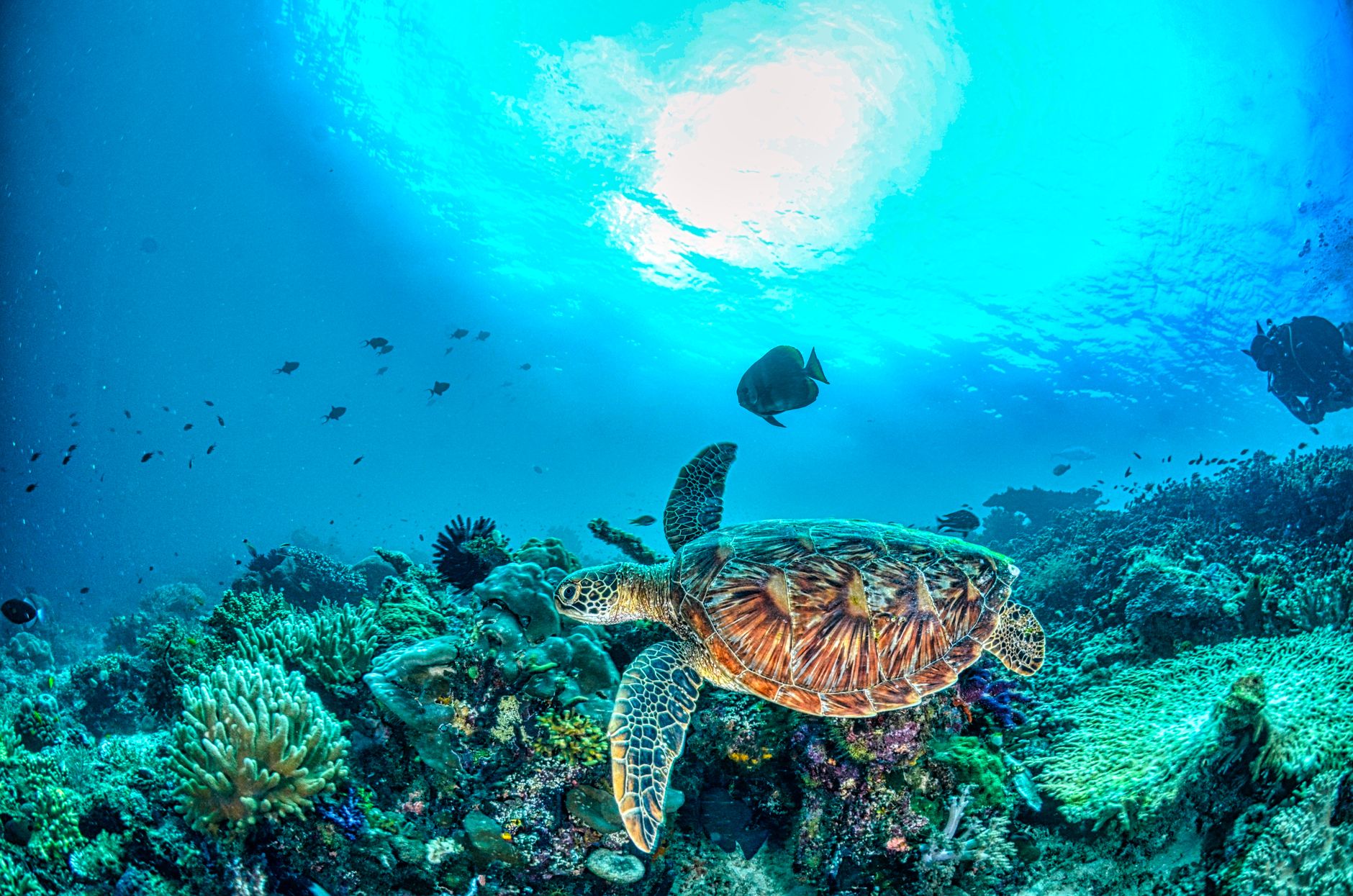
Forget passive beach bumming! We're diving into
Dive Deeper: Your Passport to Planet-Saving Adventures in Marine Protected Areas
I stepped off the small, sputtering boat, the salty spray kissing my face, and into a world of sapphire and emerald. The air hummed with the distant cries of seabirds and the gentle lapping of waves against the hull. Below me, a kaleidoscope of life teemed – a living, breathing testament to the power of protection. This wasn't just a vacation; it was a calling. I was at the forefront of citizen science travel, and let me tell you, it’s the most exhilarating way to see the world.
For too long, travel has been about observation, about being a passive spectator. But what if you could be an active participant in safeguarding the very wonders you came to admire? What if your next "getaway" could contribute to vital marine research, helping protect coral reefs, track endangered species, or monitor water quality? Tripsora is thrilled to unveil our curated list of marine protected areas (MPAs) where citizen science isn't just an option; it's the heart of the experience. These aren't your average tourist traps; they're vibrant hubs of conservation, teeming with biodiversity and eager for your helping hands.
The Guardian Angel's Playground: Why MPAs are Crucial for Citizen Science
Marine Protected Areas are like underwater national parks, designated zones where human activities are limited to protect marine ecosystems and biodiversity. They are vital sanctuaries, allowing marine life to thrive, reproduce, and recover. For citizen scientists, they offer unparalleled opportunities to engage directly with the ocean's health.
- Biodiversity Hotspots: MPAs are often the most biodiverse areas, offering incredible encounters with a vast array of marine life.
- Scientific Laboratories: They serve as living laboratories for researchers, and citizen scientists provide invaluable data that would otherwise be impossible to collect.
- Conservation Success Stories: Witnessing the positive impact of protection firsthand is incredibly motivating and inspiring.
1. The Raja Ampat Archipelago, Indonesia: Coral's Last Frontier
Imagine slipping into water so clear you can see for what feels like miles, the sunbeams dancing on the sandy bottom. Raja Ampat, often hailed as the "Amazon of the Seas," is a sprawling archipelago of over 1,500 islands in West Papua, Indonesia. Its marine protected areas are legendary, boasting the highest marine biodiversity on Earth.
The Citizen Science Experience: Here, you can join expeditions focused on coral reef monitoring and fish identification. Imagine diving alongside marine biologists, meticulously recording the health of coral colonies, identifying species, and contributing to long-term datasets that track the impact of climate change. You'll learn to use specialized apps and equipment, transforming your dives into scientific expeditions.
Pro-Tip: Many local dive operators partner with research institutions. Book through a reputable eco-lodge or dive center that explicitly offers citizen science programs for the most immersive experience.
Quick Facts: Raja Ampat
| Category | Details | | :----------------- | :------------------------------------------------------------------- | | Estimated Cost | $$$$ (High-end due to remote location and specialized tours) | | Best Time to Visit | October to April (Dry season, calmer seas) | | How to Get There | Fly into Sorong (SOQ) via Jakarta (CGK) or Makassar (UPG), then take a ferry or speedboat to your chosen island/resort. |
Insider Intel: The most impactful citizen science initiatives often involve community-based tourism. Look for programs that directly support local villages and their conservation efforts. Don't just photograph the manta rays; help track their movements!
2. The Mesoamerican Barrier Reef System (MBRS), Belize: A Living Wall of Wonders
Stretching over 600 miles along the coasts of Mexico, Belize, Guatemala, and Honduras, the MBRS is the second-largest barrier reef system in the world. Belize, with its vast expanse of protected waters, is a prime destination for those wanting to make a tangible difference.
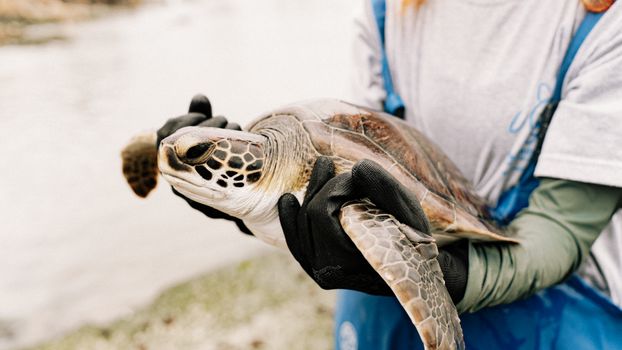
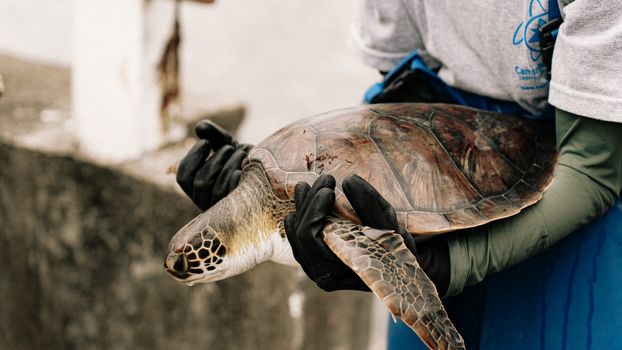
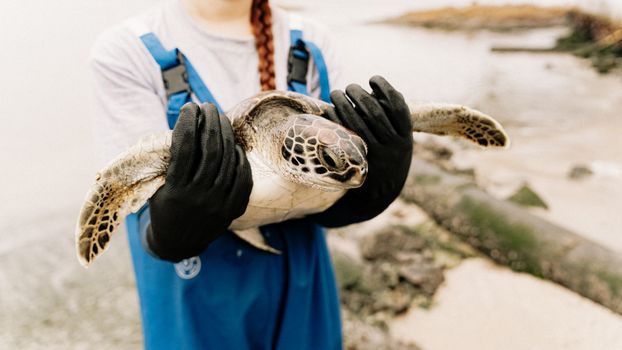
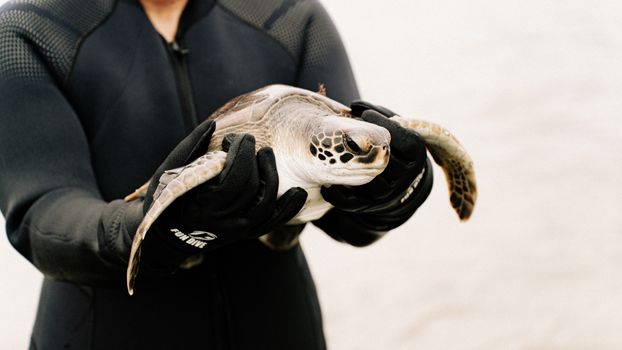
The Citizen Science Experience: Belize offers fantastic opportunities for sea turtle conservation and monitoring. Imagine spending your days assisting researchers in nesting beach surveys, helping to tag and measure sea turtles, or even participating in photo-identification projects for whale sharks in specific areas. You'll be contributing to crucial data that informs conservation strategies for these magnificent creatures.
Pro-Tip: The Belize Audubon Society and local NGOs frequently run volunteer programs. Check their websites well in advance as spots fill up quickly.
Quick Facts: Belize (Ambergris Caye/Caye Caulker)
| Category | Details | | :----------------- | :------------------------------------------------------------------- | | Estimated Cost | $$ - $$$ (Mid-range, depending on accommodation and tour operator) | | Best Time to Visit | December to May (Dry season, best visibility) | | How to Get There | Fly into Philip S. W. Goldson International Airport (BZE) in Belize City, then take a scenic 1-hour flight or a 2-hour water taxi to Ambergris Caye or Caye Caulker. |
Authentic Flavor: After a day of data collection, find a local "fry jack" stand for breakfast or a roadside BBQ for fresh grilled fish. The Caribbean spice blends are divine!
3. The Galápagos Islands, Ecuador: Darwin's Living Laboratory
A UNESCO World Heritage site, the Galápagos Islands are a living testament to evolution. The sheer uniqueness of its endemic species, coupled with strict conservation regulations, makes it an unparalleled destination for anyone passionate about wildlife.
The Citizen Science Experience: While highly regulated, the Galápagos offers opportunities for marine iguana and sea lion population surveys, as well as invasive species monitoring. You might find yourself assisting park rangers in tracking animal movements, recording behavioral observations, or helping to identify and document marine debris. The focus is on non-intrusive observation and data collection.
Pro-Tip: Choose tour operators that have a proven track record of supporting local conservation initiatives and work closely with the Galápagos National Park Directorate.
Quick Facts: Galápagos Islands
| Category | Details | | :----------------- | :------------------------------------------------------------------- | | Estimated Cost | $$$$ (High due to park fees, specialized tours, and remoteness) | | Best Time to Visit | December to May (Warm season, calmer seas, good for snorkeling) | | How to Get There | Fly into Seymour Airport (GPS) on Baltra Island or San Cristóbal Airport (SCY) via Guayaquil (GYE) or Quito (UIO). |
Insider's Whisper: The local "ceviche de canchalagua" (a type of sea snail) is a must-try. It's a taste of the ocean, prepared with local citrus and spices.
4. The Great Barrier Reef Marine Park, Australia: A Jewel in Peril
The world's largest coral reef system, the Great Barrier Reef (GBR), is an icon of natural beauty and a critical ecosystem. While facing significant challenges, its vast protected areas are still teeming with life and offer incredible opportunities for citizen scientists.
The Citizen Science Experience: The GBR is a hub for coral health monitoring, water quality testing, and marine debris surveys. Organizations like the Great Barrier Reef Foundation and various research institutions offer programs where you can help conduct regular surveys of coral bleaching, collect water samples to test for pollutants, and participate in beach clean-ups to remove harmful debris.
Pro-Tip: Look for operators based in Cairns or Port Douglas that explicitly promote "reef guardian" or "citizen science dive" programs. These are often integrated into their daily tours.
Quick Facts: Great Barrier Reef (Cairns/Port Douglas)
| Category | Details | | :----------------- | :------------------------------------------------------------------- | | Estimated Cost | $$ - $$$ (Mid-range, many day trip options available) | | Best Time to Visit | June to November (Dry season, lower humidity, less rain) | | How to Get There | Fly into Cairns Airport (CNS) or Proserpine Airport (PPP). Boat tours depart daily from coastal towns. |
Local Lore: Before you hit the water, grab a "Tim Tam" (a beloved Australian chocolate biscuit) and a flat white coffee. It's the perfect fuel for a day of conservation!
5. The Monterey Bay National Marine Sanctuary, USA: A Kelp Forest Classroom
On the coast of California, the Monterey Bay National Marine Sanctuary is a vast expanse of protected waters known for its dramatic underwater canyons, vibrant kelp forests, and abundant marine life, including sea otters, whales, and dolphins.
The Citizen Science Experience: This sanctuary is a pioneer in citizen science, offering programs focused on kelp forest monitoring, whale and dolphin identification, and marine mammal stranding network support. You can join tidepool surveys, contribute to photo-ID projects of marine mammals, or even help document the health of the iconic kelp forests.
Pro-Tip: The Monterey Bay Aquarium’s Citizen Science program is world-renowned. Check their website for ongoing projects and volunteer opportunities, some of which are accessible to visitors for short periods.
Quick Facts: Monterey Bay, California
| Category | Details | | :----------------- | :------------------------------------------------------------------- | | Estimated Cost | $$ - $$$ (Mid-range, accessible by car from major Californian cities) | | Best Time to Visit | April to October (Mild weather, good marine life viewing) | | How to Get There | Drive from San Francisco (approx. 2 hours) or San Jose (approx. 1.5 hours). |
Coastal Charm: Don't leave without trying some fresh Dungeness crab from a local fisherman's wharf, or a scoop of artisanal ice cream from a shop on Cannery Row.
The Responsible Traveler's Toolkit: Ethics and Etiquette in MPAs
Engaging in citizen science is a privilege. It requires respect for the environment, the local communities, and the scientific protocols.
- Follow Instructions Meticulously: Adhere strictly to the guidelines provided by researchers and program leaders. Accuracy is paramount.
- Leave No Trace: This applies tenfold in marine environments. Pack out everything you pack in, and avoid touching or disturbing marine life.
- Respect Local Cultures: Be mindful of local customs and traditions. Engage with communities respectfully and support local businesses.
- Choose Wisely: Opt for operators and organizations with strong ethical commitments to conservation and community benefit.
- Be Patient and Persistent: Scientific data collection can be demanding. Embrace the process and understand that your contribution, however small it may seem, is vital.
Beyond the Data: The Profound Impact of Citizen Science Travel
Stepping into the role of a citizen scientist transforms travel from a superficial experience into a profound connection. You're not just seeing the world; you're actively participating in its preservation. The knowledge gained, the skills honed, and the tangible impact you make will stay with you long after you've returned home.
This is the future of travel – a future where exploration and conservation go hand-in-hand, where every journey can leave a positive footprint. So, pack your sense of adventure, your curiosity, and your commitment to our blue planet. The ocean is calling, and it needs you.
More pictures

Tags
Share this guide
We may earn a commission if you click a link and buy a product or service, at no extra cost to you. How affiliate links work.
Been there?