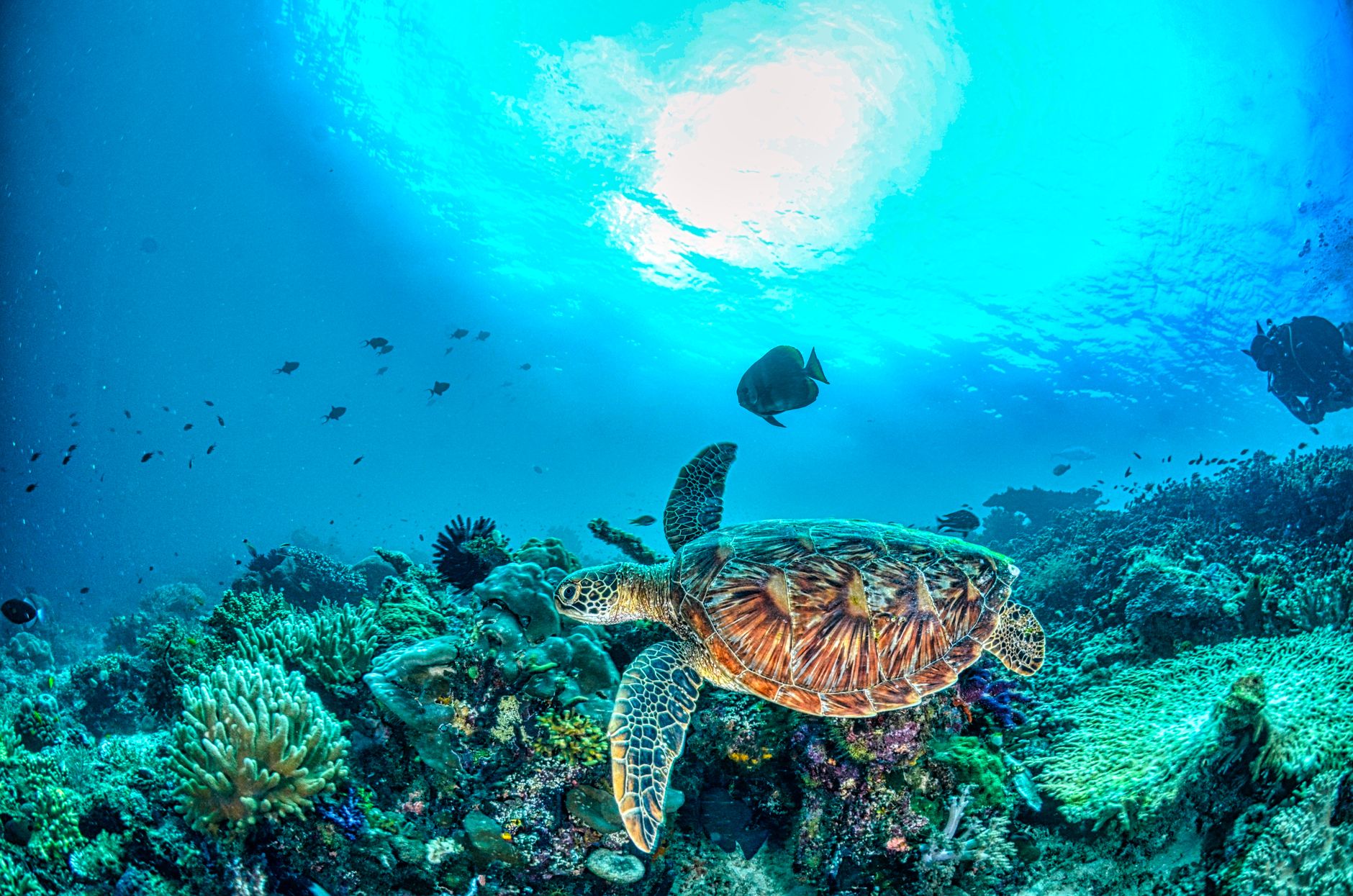
Forget passive sightseeing! We're talking about getting your hands dirty (or rather, wet!) in some of the planet's most stunning marine protected areas, actively contributing to vital ocean research. This isn't just a vacation; it's your chance to be a real-life ocean hero. Pack your sense of adventure – science awaits!
Dive In, Make a Difference: Your Guide to Marine Protected Areas Offering Citizen Science Right Now
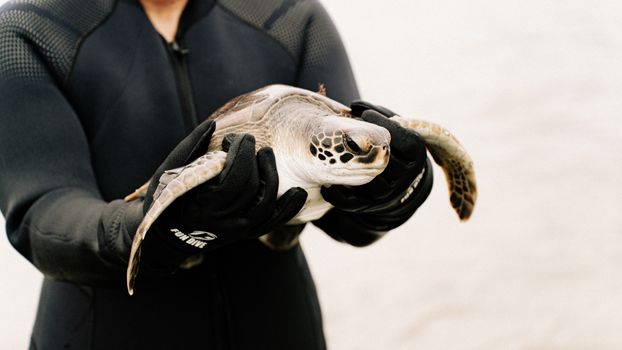
I stepped off the dive boat, the salty spray kissing my face, the rhythmic chug of the engine fading as we approached the shimmering turquoise expanse. Below the surface, a kaleidoscope of life pulsed – parrotfish nibbling at coral, a graceful sea turtle gliding past, sunlight dappling the sandy bottom. This wasn't just a postcard-perfect scene; it was my office for the week, and my mission was to help scientists understand this vibrant underwater world. Forget passively admiring the beauty; here, you become part of the solution.
The ocean, our planet's lifeblood, is facing unprecedented challenges. From climate change to plastic pollution, the threats are immense. But there's a growing movement of individuals like you and me, stepping up to become citizen scientists, contributing vital data that fuels conservation efforts. And the best part? You can do it in some of the most breathtaking marine protected areas (MPAs) on Earth, turning your next trip into an unforgettable adventure with purpose.
Why Citizen Science in MPAs is the Ultimate Travel Upgrade
Think about it: instead of just snapping photos, you're actively contributing to the survival of the very ecosystems you're admiring. Citizen science transforms you from a tourist into a steward. You're not just seeing; you're doing. You're collecting data, observing wildlife, and gaining an unparalleled understanding of the complex marine environments you’re exploring. This isn’t just about ticking off a bucket list; it’s about forging a deeper connection with our planet.
Pro-Tip: Many citizen science programs offer introductory workshops. Attend one! It’s the best way to understand the protocols and ensure your data is scientifically valuable.
Unveiling the Frontlines: Top MPAs for Hands-On Conservation
The world is brimming with incredible MPAs that actively welcome citizen scientists. These aren't just protected zones; they're living laboratories, and you're invited to be a researcher.
1. The Great Barrier Reef, Australia: Guardians of the Coral Kingdom
The sheer scale of the Great Barrier Reef is awe-inspiring, but it's also a testament to its vulnerability. Organizations here are at the forefront of coral health monitoring, and you can be a part of it.
- What You'll Do: Participate in coral bleaching surveys, fish identification counts, and even assist with reef clean-up initiatives. Some programs involve underwater photography to document reef health over time.
- The Vibe: Imagine the scent of sun-baked coral, the gentle sway of anemones, and the thrill of spotting a rare nudibranch. It's an immersive experience that connects you directly to the reef's pulse.
- Insider Info: Look for programs based out of Cairns or Port Douglas for easy access to prime reef sites. Early morning dives often offer the calmest waters and the most active marine life.
Quick Facts: Great Barrier Reef Citizen Science
| Category | Details | Estimated Cost ($) | Best Time to Visit | How to Get There | | :-------------- | :--------------------------------------- | :----------------- | :----------------- | :-------------------------------------------------------------- | | Program Type | Coral monitoring, Fish surveys, Clean-ups | $50 - $200/day | May - October | Fly into Cairns (CNS) or Proserpine (PPP); boat transfers. | | Duration | 1-day excursions to week-long expeditions | | | | | Skill Level | Beginner to Advanced (diving certification often required for some) | | | |
2. The Galápagos Islands, Ecuador: Darwin's Living Laboratory
This UNESCO World Heritage site is legendary for its unique biodiversity. Here, citizen science focuses on understanding and protecting the iconic species that inspired Darwin.
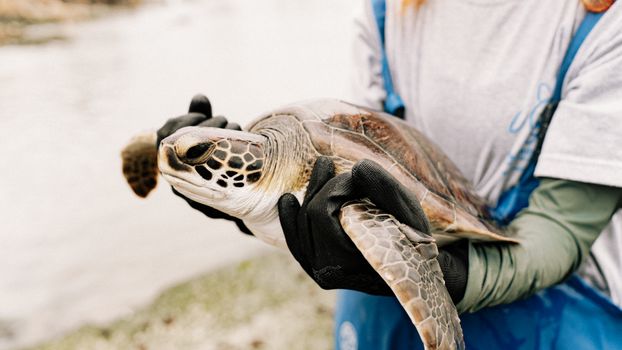
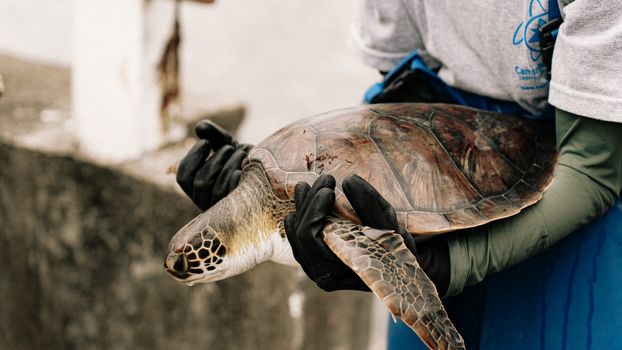
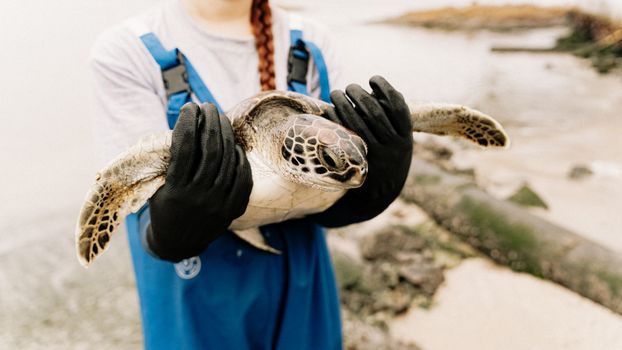
- What You'll Do: Assist with sea lion population counts, monitor marine iguana behavior, and help with invasive species removal. Some opportunities involve tracking sea turtle nesting sites.
- The Vibe: The air hums with the calls of seabirds, the volcanic landscape is starkly beautiful, and the animals show a remarkable lack of fear. It feels like stepping back in time.
- Pro-Tip: Many tours include opportunities for citizen science. Be sure to book with operators who have a strong commitment to conservation and actively involve guests in research.
Quick Facts: Galápagos Islands Citizen Science
| Category | Details | Estimated Cost ($) | Best Time to Visit | How to Get There | | :-------------- | :---------------------------------------------- | :----------------- | :----------------- | :---------------------------------------------------------- | | Program Type | Wildlife monitoring, Invasive species removal | $200 - $500/day | April - December | Fly into Baltra (GPS) or San Cristobal (SCY) via Guayaquil/Quito. | | Duration | 5-day trips to 2-week expeditions | | | | | Skill Level | Beginner to Intermediate (hiking, snorkeling) | | | |
3. The Mesoamerican Barrier Reef System (MBRS), Belize: Beneath the Azure
Stretching across Belize, Mexico, Guatemala, and Honduras, this is the second-largest barrier reef system in the world. Belize, in particular, offers fantastic opportunities for citizen scientists.
- What You'll Do: Contribute to whale shark migration tracking (seasonal), conduct reef fish surveys, and participate in coral restoration projects. You might even help with plastic pollution monitoring along the coast.
- The Vibe: The water is crystal clear, the calls of howler monkeys echo from the jungle, and the scent of tropical flowers mingles with the sea breeze. It’s a vibrant, biodiverse paradise.
- Insider Info: Consider staying on one of the cayes like Caye Caulker or Ambergris Caye. Many dive shops and eco-lodges partner with research organizations. For whale shark encounters, aim for March-June.
Quick Facts: Mesoamerican Barrier Reef System (Belize) Citizen Science
| Category | Details | Estimated Cost ($) | Best Time to Visit | How to Get There | | :-------------- | :-------------------------------------------- | :----------------- | :----------------- | :------------------------------------------------------------ | | Program Type | Whale shark tracking, Reef fish surveys, Coral restoration | $80 - $250/day | March - June (Whale sharks), Year-round for reef work | Fly into Philip S. W. Goldson International Airport (BZE); water taxi/ferry to cayes. | | Duration | 3-day dives to week-long research trips | | | | | Skill Level | Beginner to Advanced (diving certification recommended for reef work) | | | |
4. The Monterey Bay National Marine Sanctuary, USA: California's Underwater Wonderland
This vast stretch of California coastline is a haven for marine life, from sea otters to blue whales. Citizen science here focuses on monitoring and protecting this rich ecosystem.
- What You'll Do: Participate in tide pool surveys, beach clean-ups, and marine mammal observation. Some programs involve acoustic monitoring of marine life or assisting with seabird rescues.
- The Vibe: The air is crisp and cool, often carrying the tang of kelp and the distant cries of gulls. The coastline is rugged and dramatic, offering stunning views even before you hit the water.
- Pro-Tip: The Monterey Bay Aquarium is a hub for citizen science. Check their volunteer and citizen science pages for current opportunities. The 7 AM tide pool surveys are magical before the crowds arrive.
Quick Facts: Monterey Bay National Marine Sanctuary Citizen Science
| Category | Details | Estimated Cost ($) | Best Time to Visit | How to Get There | | :-------------- | :-------------------------------------------- | :----------------- | :----------------- | :------------------------------------------------------------ | | Program Type | Tide pool monitoring, Beach clean-ups, Mammal observation | $20 - $100/day | Year-round | Fly into San Jose (SJC) or San Francisco (SFO); drive south. | | Duration | Single-day events to ongoing volunteer roles | | | | | Skill Level | Beginner to Intermediate (hiking, observation) | | | |
5. The Red Sea, Egypt: A Corridor of Colour and Conservation
The Red Sea boasts some of the most vibrant coral reefs on the planet, teeming with a dazzling array of fish. Citizen science here often revolves around understanding and protecting these precious ecosystems.
- What You'll Do: Engage in coral health assessments, fish population surveys, and contribute to marine debris monitoring. Some initiatives focus on tracking the impact of tourism.
- The Vibe: The desert heat meets the cool embrace of the sea. The air is dry and clean, carrying the faint scent of salt and the distant call of prayer. Underwater, it’s an explosion of colour and life.
- Insider Info: Look for dive resorts in areas like Sharm El Sheikh or Hurghada that have strong eco-tourism credentials and partner with local conservation groups. The hidden entrance to the Blue Hole dive site offers incredible biodiversity with fewer boats.
Quick Facts: Red Sea Citizen Science
| Category | Details | Estimated Cost ($) | Best Time to Visit | How to Get There | | :-------------- | :------------------------------------------ | :----------------- | :----------------- | :------------------------------------------------------------- | | Program Type | Coral monitoring, Fish surveys, Debris tracking | $70 - $180/day | March - May, Sep - Nov | Fly into Sharm El Sheikh (SSH) or Hurghada (HRG). | | Duration | 3-day to week-long programs | | | | | Skill Level | Beginner to Advanced (diving certification often required) | | | |
Beyond the Dive: Citizen Science on Land and Shore
Not a diver? No problem! Citizen science opportunities extend far beyond the underwater realm. Many MPAs rely on terrestrial volunteers for crucial data collection.
- Beach Surveys: Help monitor shorebird populations, document nesting sites, or collect data on marine debris washed ashore.
- Coastal Clean-ups: Join organized events to remove trash and plastics from beaches, directly impacting the health of marine life.
- Wildlife Observation: From land-based vantage points, contribute to counts of marine mammals, seabirds, or coastal predators.
Pro-Tip: Even a simple beach walk can become a citizen science mission. Download apps like "Marine Debris Tracker" to log what you find.
Packing for Purpose: What to Bring
Beyond your usual travel essentials, consider these for your citizen science adventure:
- Durable, quick-drying clothing: Think rash guards, board shorts, and quick-dry pants.
- Reef-safe sunscreen: Protect yourself and the delicate coral.
- Reusable water bottle and bags: Minimize your plastic footprint.
- Journal and pen: Document your observations and experiences.
- Camera (waterproof if possible): Capture the beauty and your contribution.
- An open mind and a willingness to learn!
The Ripple Effect: Your Impact Matters
Every data point you collect, every piece of trash you remove, contributes to a larger picture. You're not just having a holiday; you're becoming an active participant in safeguarding our planet's most precious ecosystems. The satisfaction of knowing you've made a tangible difference, coupled with the thrill of exploring some of the world's most incredible marine environments, is an unparalleled travel experience.
So, ditch the ordinary. Embrace the extraordinary. Become a citizen scientist and explore the ocean with purpose. Your next adventure awaits, and it's waiting to make a difference.
More pictures

Tags
Share this guide
We may earn a commission if you click a link and buy a product or service, at no extra cost to you. How affiliate links work.
Been there?