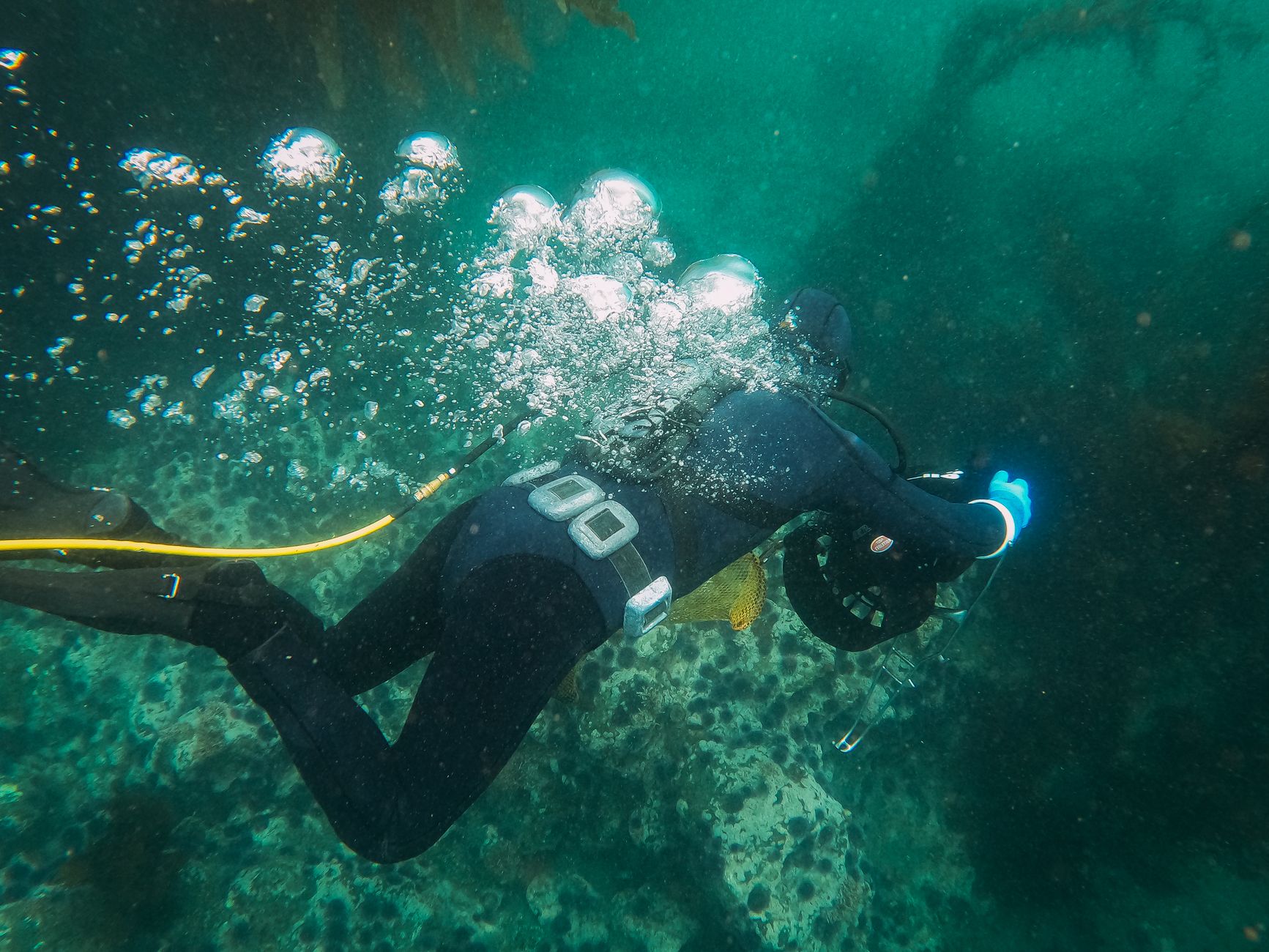
Ready to trade mindless sunbathing for high-impact ocean conservation? This definitive guide reveals the world’s top marine protected areas offering citizen science opportunities that leading marine biologists and conservation experts are actively recommending right now. From tracking hammerheads in Costa Rica to mapping resilient corals in Raja Ampat, here is how you can dive with a purpose. ---
The Frontier of Ocean Travel: Marine Protected Areas Offering Citizen Science Experts Are Recommending
The Hook: A Wake-Up Call in the Blue
I stepped off the dive platform of our research vessel into the ink-blue waters of the Pacific, the sharp, metallic tang of salt air still fresh in my throat. The water was surprisingly cold, a thermocline hitting my 5mm wetsuit like a sudden slap. But as my bubbles cleared, I wasn't just looking at pretty fish. I was holding a waterproof slate, a yellow pencil dangling from my wrist, and a laser photogrammetry rig.
My mission? To measure the wingspan of a giant oceanic manta ray glide-bombing toward us from the deep.
This isn't your standard tropical holiday. This is the cutting edge of regenerative travel. Across the globe, a select few marine sanctuaries have realized that passionate scuba divers and snorkelers are an untapped army of data-gatherers.
If you want to move beyond passive sightseeing and actively defend our oceans, these are the marine protected areas offering citizen science experts are recommending as the absolute gold standard for travelers who want to make their bubbles count.
---
1. Cabo Pulmo National Park, Mexico: The Miracle of the East Cape
``` "Cabo Pulmo is the ultimate proof that if you leave the ocean alone, it will heal. But we can't just leave it alone anymore; we have to monitor its recovery." — Dr. Sylvia Earle, Oceanographer & Mission Blue Founder ```
The Backstory
In the 1990s, Cabo Pulmo was heavily overfished, a barren underwater desert. The local community made a radical choice: they banned fishing entirely and established a 7,111-hectare Marine Protected Area (MPA). Today, biomass has increased by over 400%. It is a swirling vortex of jack fish, bull sharks, and pristine hard coral reefs.
The Citizen Science Mission
Experts recommend partnering with local NGOs like Cabo Pulmo Vivo or participating in Reef Check surveys.
- What you’ll do: You will be trained to use the Reef Check protocol. This involves laying down a 100-meter transect line across the rocky reef and recording benthic cover (what the sea floor is made of), counting key indicator species like groupers and parrotfish, and noting signs of coral disease or bleaching.
- The Data Impact: Your data goes directly into the global Reef Check database, helping scientists track the long-term health of the Gulf of California amid rising sea temperatures.
Pro-Tip
Skip the midday rush. Book your dive slots for the 7:30 AM departure. The wind is usually calmest then, visibility is at its peak, and you’ll avoid the day-trippers coming in from Cabo San Lucas. Ask your operator to take you to the El Bajo dive site to monitor the resident bull shark population.
---
2. Raja Ampat, Indonesia: Mapping the Epicenter of Biodiversity
The Backstory
Located in the heart of the Coral Triangle, Raja Ampat holds the world record for fish species diversity. The region’s network of MPAs is a masterclass in community-led conservation, but its vastness makes it incredibly difficult for a small team of scientists to monitor.
The Citizen Science Mission
This is where you come in. Experts highly recommend the citizen science programs run by Misool Foundation and The Marine Megafauna Foundation.
- What you’ll do: You will participate in the Manta Matcher initiative. Every time you dive with manta rays at sites like Manta Sandy or Magic Mountain, you will take high-resolution, flat-perspective photos of the manta’s belly. Each manta has a unique spot pattern, much like a human fingerprint.
- The Data Impact: You’ll upload these photos to a global database. The software uses facial-recognition-style algorithms to identify individual rays, helping scientists map migration corridors and habitat use to lobby for expanded sanctuary boundaries.
Pro-Tip
When photographing mantas for database entry, do not blow bubbles directly under the ray. Wait until the animal passes slightly to the side or above you, and aim for a perfectly perpendicular shot of its ventral (belly) side. If you identify a new, unregistered manta, you get to name it!
---
3. The Great Barrier Reef, Australia: Eye on the Reef Program
The Backstory
The Great Barrier Reef needs no introduction, nor do its threats. While warming waters pose existential challenges, parts of this 2,300-kilometer system are showing remarkable resilience. The Great Barrier Reef Marine Park Authority (GBRMPA) relies heavily on citizen scientists to act as its eyes and ears across this massive territory.
The Citizen Science Mission
The Eye on the Reef program is widely considered by marine conservation experts to be the most sophisticated citizen science app-based network in the world.
- What you’ll do: You can participate at any level, from casual snorkeler to advanced technical diver. Using waterproof color charts, you will conduct Rapid Monitoring surveys to assess coral bleaching levels, count Crown-of-Thorns starfish (a destructive coral predator), and record sightings of protected species like dugongs and sea turtles.
- The Data Impact: Real-time data uploaded via the app allows park rangers to deploy targeted management strategies, such as sending eradication teams to cull Crown-of-Thorns starfish outbreaks before they destroy entire reef sections.
Pro-Tip
Look for dive operators with High Standard Tourism status certified by GBRMPA. Operators like Passions of Paradise or Wavelength Reef Cruises run dedicated conservation days where marine biologists guide you through the data collection process step-by-step.
---
4. Cocos Island National Park, Costa Rica: The Wild Shark Frontier
The Backstory
Located 340 miles off Costa Rica’s Pacific coast, Cocos Island is a wild, pelagic outpost. It is a magnet for hammerhead sharks, tiger sharks, and massive schools of rays. It is also a prime target for illegal longline fishing, making constant monitoring vital.
The Citizen Science Mission
For advanced divers, experts recommend the expeditions organized by Turtle Island Restoration Network (TIRN) and Undersea Hunter.
- What you’ll do: This is high-octane science. You will assist researchers in acoustic telemetry projects. This includes downloading data from underwater acoustic receivers anchored at 100 feet, recording shark behavior on video, and using laser photogrammetry to measure the precise lengths of tiger and hammerhead sharks.
- The Data Impact: This research proved that sharks migrate along a biological corridor (the Cocos-Galapagos Swimway) between Costa Rica and Ecuador, leading to both nations expanding their marine reserves to create a massive, protected transboundary super-highway.
Pro-Tip
This is not a trip for beginners. Cocos Island features ripping currents, deep drop-offs, and open-ocean swells. Ensure you have your Advanced Open Water certification and at least 100 logged dives before applying for a research expedition. Bring a high-quality, 7mm wetsuit—the thermoclines here can drop to a chilly 60°F (15°C) in seconds.
---
5. Portofino Marine Protected Area, Italy: Mediterranean Seagrass and Microplastics
The Backstory
Citizen science isn’t exclusive to tropical coral reefs. The Mediterranean Sea is facing immense pressure from coastal development, tourism, and plastic pollution. The Portofino MPA, established in 1999 along the rugged Ligurian coast, protects vital Posidonia oceanica (seagrass) meadows—the "lungs of the Mediterranean."
The Citizen Science Mission
Experts recommend the programs run by Outdoor Portofino, which blend sea kayaking, snorkeling, and marine science.
- What you’ll do: You will paddle out into the marine reserve to collect water samples using specialized microplastic trawl nets designed for kayaks. You’ll also snorkel to monitor the health and density of Posidonia seagrass beds, recording the presence of invasive algae species.
- The Data Impact: Your findings feed directly into European Union marine health databases, helping track the spread of microplastics and guiding local policies on pleasure boat anchoring and coastal runoff.
Pro-Tip
After a morning of data collection, head to the tiny, car-free village of San Fruttuoso, accessible only by boat or hiking trail. Snorkel down to see the famous Christ of the Abyss bronze statue, which sits inside the protected area at a depth of 50 feet.
---
How to Choose an Authentic Program & Avoid "Greenwashing"
As voluntourism has grown in popularity, so has the practice of "greenwashing"—where operators charge high fees for "conservation" work that has zero scientific value. To ensure your time and money actually benefit the marine protected areas offering citizen science, ask these three hard questions before booking:
- Where does the data go? If they cannot name a specific university, government agency, or peer-reviewed global database (like Reef Check, Obis, or Manta Matcher) where your data is uploaded, walk away.
- Are they Green Fins certified? Green Fins is the global standard for environmentally friendly diving and snorkeling. Certified operators adhere to strict codes of conduct to ensure their research activities do not damage the very reefs they are studying.
- Is there a qualified marine biologist on staff? A legitimate program will have a scientist on-site to train you, verify your data sheets, and explain how your contributions fit into the broader conservation strategy.
---
Quick Facts & Budget Logistics
| Destination | Best Time to Visit | Estimated Cost ($/day) | How to Get There | Focus Area | | :--- | :--- | :--- | :--- | :--- | | Cabo Pulmo, Mexico | Oct – Nov (Best Viz) | $150 - $250 | Fly to San Jose del Cabo (SJD), rent a 4WD vehicle, drive 2 hours north. | Reef health & predatory fish counts | | Raja Ampat, Indonesia | Oct – April (Dry Season) | $200 - $400 (Liveaboard/Resort) | Fly to Sorong (SOQ) via Jakarta, take the ferry to Waisai. | Manta Ray ID & Coral mapping | | Great Barrier Reef, Australia| May – Oct (Cooler/Dryer) | $180 - $300 (Day trips) | Fly to Cairns (CNS) or Port Douglas. | Bleaching & Crown-of-Thorns tracking | | Cocos Island, Costa Rica | June – Dec (High shark action) | $500 - $800 (All-inclusive liveaboard) | Fly to San Jose (SJO), take a transfer bus to Puntarenas, board a 36-hour liveaboard. | Pelagic tracking & Telemetry | | Portofino, Italy | May – Sept (Warm water) | $100 - $200 | Fly to Genoa (GOA), take the scenic coastal train to Santa Margherita Ligure. | Seagrass health & Microplastic audits |
---
The Verdict: Dive with Purpose
The era of being a passive consumer of travel is over. The marine protected areas offering citizen science listed above aren't just vacation spots; they are active battlegrounds where the future of our blue planet is being decided.
By dedicating your next trip to data collection, you transition from a mere spectator to an active guardian of the deep. Pack your slate, prep your camera, and let’s get to work.
---
More pictures


Tags
Share this guide
We may earn a commission if you click a link and buy a product or service, at no extra cost to you. How affiliate links work.
Been there?