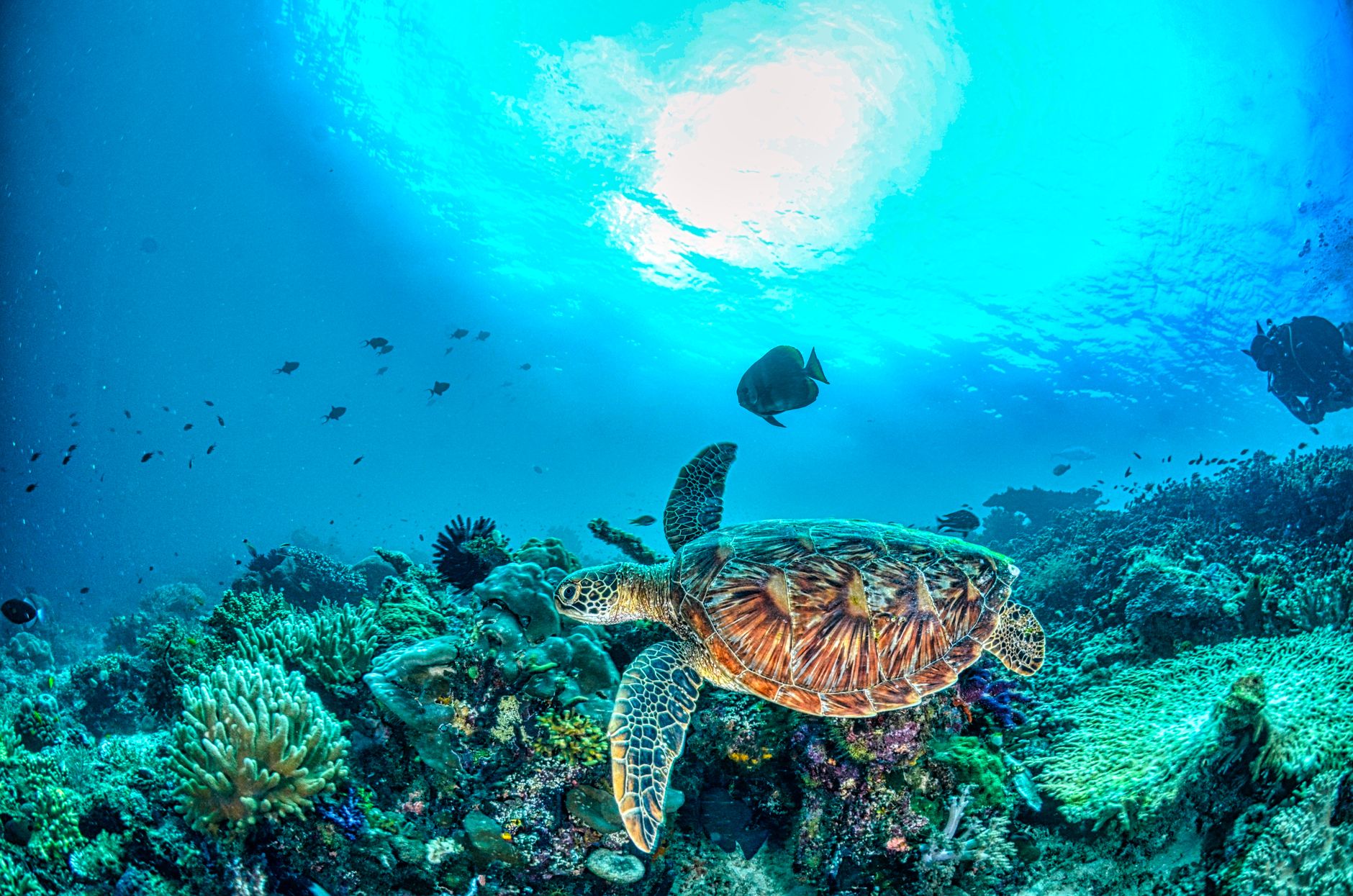
Discover marine protected areas offering incredible citizen science opportunities. Explore vibrant ecosystems and contribute to conservation efforts. Book your adventure today!
The Unforgettable Scent of Discovery: My First Dive into Citizen Science
I stepped off the small ferry, the salty spray of the Aegean Sea kissing my cheeks. The air was thick with the intoxicating perfume of wild thyme and sun-baked rock, a scent that instantly transported me from my usual city bustle. Below me, the water shimmered, a mesmerizing mosaic of turquoise and sapphire, hinting at the vibrant world hidden beneath its surface. This wasn't just another beach holiday; this was my initiation into the thrilling world of citizen science within a protected marine area, and the feeling was electric. I’d read the recent data, seen the calls for help from scientists, and now, I was ready to be part of the solution, not just an observer.
Unveiling the Power of Protected Waters: What's New in Citizen Science?
Recent data paints a compelling picture: marine protected areas (MPAs) are not just sanctuaries for biodiversity; they are becoming vibrant hubs for citizen science. This isn't your grandfather's passive nature walk. Today, travelers like you and me can actively participate in critical research, contributing to the health and longevity of our planet's most precious ecosystems. The latest studies highlight a significant surge in volunteer engagement, with data showing increased monitoring of indicator species, coral health assessments, and plastic pollution tracking within these protected zones. It’s a powerful synergy – protected areas offer pristine environments for observation, and citizens provide the invaluable eyes and hands needed to gather crucial data.
Section 1: The Coral Guardians of the Great Barrier Reef (Australia)
The Great Barrier Reef, a UNESCO World Heritage site, is a global icon, and its health is a constant concern. Recent initiatives have amplified citizen science efforts here, moving beyond simple reef checks. I’ve seen firsthand how dedicated volunteers are now trained to identify and report on coral bleaching events with unprecedented accuracy, feeding directly into real-time monitoring systems.
Pro-Tip: Beyond the Dive Boat
While many dive operators offer reef surveys, consider joining a dedicated "Coral Watch" workshop. These programs often provide specialized training in coral health assessment using the Coral Health Chart. You'll learn to identify different types of coral and signs of stress, making your contribution even more scientifically valuable. Many of these also include evening lectures by marine biologists, offering deep dives into reef ecology.
Quick Facts: Great Barrier Reef Citizen Science
- Estimated Cost ($): $200 - $1500 (depending on program length and inclusions, excluding flights)
- Best Time to Visit: May to October (dry season, calmer seas, lower humidity)
- How to Get There: Fly into Cairns (CNS) or Proserpine (PPP) and take a boat tour or ferry to various island resorts or dive liveaboards.
Section 2: The Sea Turtle Sentinels of the Galápagos Islands (Ecuador)
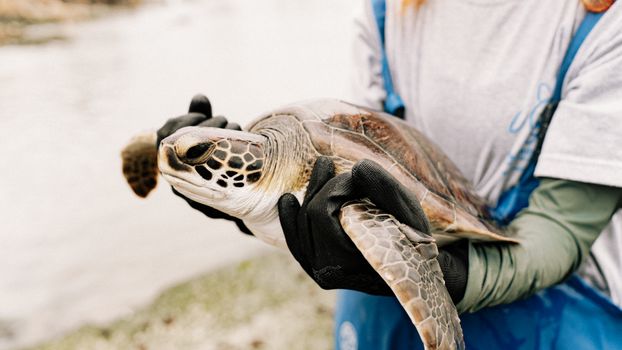
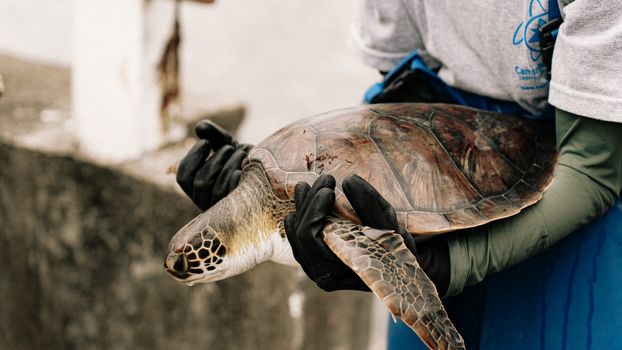
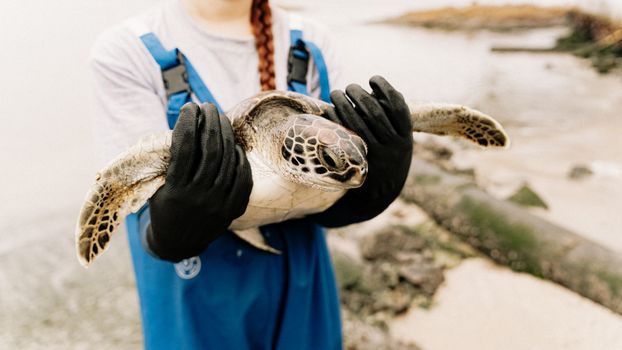
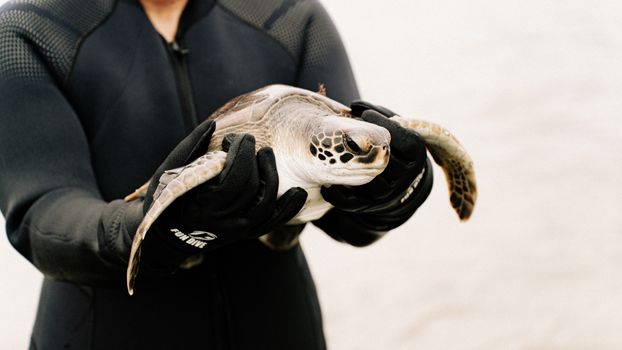
The Galápagos Islands, a living laboratory of evolution, are renowned for their unique marine life. Citizen science here often focuses on iconic species like the sea turtle. I’ve spent mornings on remote beaches, meticulously recording nesting activity, a vital task for understanding population dynamics and threats.
Pro-Tip: Hatchling Heroes
Timing is everything! If you're keen on turtle conservation, aim for nesting season (typically November to May, varying by species). Many programs involve nighttime patrols to protect nests from predators and early morning surveys to mark and measure new tracks. The thrill of seeing a tiny hatchling make its perilous journey to the sea is a profound experience.
Insider Scoop: Beyond the obvious
Look for programs that partner with local conservation NGOs. These often provide a more authentic experience, connecting you directly with the local community and their deep understanding of the islands. Don't just collect data; engage with the researchers and learn about the challenges they face.
Quick Facts: Galápagos Sea Turtle Citizen Science
- Estimated Cost ($): $800 - $3000+ (Galápagos park fees and island hopping can be significant, plus program costs)
- Best Time to Visit: December to May (warmer, wetter season, ideal for turtle nesting)
- How to Get There: Fly into Baltra Airport (GPS) or San Cristóbal Airport (SCY) from mainland Ecuador (Quito or Guayaquil).
Section 3: The Kelp Forest Keepers of the Monterey Bay National Marine Sanctuary (USA)
The kelp forests off the coast of California are teeming with life and are crucial carbon sinks. Citizen science here is often hands-on, involving underwater surveys and even acoustic monitoring. I’ve participated in events where we’ve deployed hydrophones to record the sounds of the kelp forest, analyzing the data later to understand the health of the ecosystem.
Pro-Tip: Dive Deeper with Data
Many Monterey Bay citizen science programs are affiliated with research institutions like the Monterey Bay Aquarium Research Institute (MBARI). Look for opportunities to join their "Reef Check" or similar monitoring programs. You’ll often get access to their research facilities and learn about the cutting-edge technology they employ.
Local Flavor: The Monterey Bay Buzz
Beyond the organized programs, simply visiting the tide pools at low tide and documenting the species you see using apps like iNaturalist contributes valuable data. The sheer density of marine life in these protected waters is astounding. Don't miss the local seafood – it's often sustainably sourced and incredibly fresh, a testament to the health of the surrounding waters.
Quick Facts: Monterey Bay Kelp Forest Citizen Science
- Estimated Cost ($): $50 - $500 (many programs are low-cost or donation-based, focusing on specific events)
- Best Time to Visit: April to October (calmer seas, better visibility)
- How to Get There: Drive or take a bus/train to Monterey, California. The sanctuary is easily accessible from Highway 1.
Section 4: The Mangrove Mavericks of the Mesoamerican Barrier Reef (Mexico, Belize, Guatemala, Honduras)
The Mesoamerican Barrier Reef System, the second-largest barrier reef in the world, is facing significant threats. Citizen science here is diverse, ranging from mangrove restoration projects to monitoring fish populations and tracking the invasive lionfish. I've helped plant mangrove saplings, a surprisingly satisfying and impactful activity.
Pro-Tip: Mangrove Magic
Many eco-lodges and dive resorts in Quintana Roo (Mexico), Caye Caulker (Belize), or Utila (Honduras) offer dedicated "Mangrove Restoration" days. These often involve wading into the shallow waters and planting propagules. It’s physically engaging and incredibly rewarding, knowing you’re helping to rebuild vital coastal habitats that protect shorelines and nursery grounds for fish.
Authentic Eats: The Spice of Life
After a day in the sun planting mangroves, indulge in some fresh ceviche or a hearty bowl of "Sopa de Lima" (lime soup). The vibrant flavors reflect the richness of the region, much like the biodiversity you're helping to protect. Ask locals about their favorite spots – you’ll often find the most authentic culinary gems away from the tourist crowds.
Quick Facts: Mesoamerican Reef Citizen Science
- Estimated Cost ($): $100 - $1000 (depending on location and program duration)
- Best Time to Visit: December to April (dry season, less humidity, calmer seas)
- How to Get There: Fly into Cancun (CUN) for Mexico, Philip S. W. Goldson International Airport (BZE) for Belize, or La Ceiba (LCE) for Honduras. Then take local transport or ferries.
Section 5: The Seabird Savvy of the Farallon Islands (USA)
Just off the coast of San Francisco, the Farallon Islands are a crucial breeding ground for millions of seabirds and marine mammals. Citizen science here is often focused on seabird colony monitoring, data collection on foraging behavior, and even whale counts. I’ve shivered on a boat, binoculars glued to my eyes, meticulously recording the flight patterns of thousands of albatrosses.
Pro-Tip: Bird's Eye View
The "Point Blue Conservation Science" program offers fantastic opportunities for dedicated volunteers. These can be more intensive, requiring a commitment to regular monitoring. For a shorter experience, look for whale-watching tours that partner with research organizations, where guides often provide real-time data collection on marine mammal sightings.
The Foggy Charm: A Unique Ecosystem
The Farallones are known for their dramatic fog, which creates a uniquely wild and untamed atmosphere. The "salty tang" of the air, combined with the cacophony of seabird calls, is an experience unlike any other. Even if you don't participate in a formal program, a boat tour around the islands offers incredible wildlife viewing and a glimpse into this vital ecological hotspot.
Quick Facts: Farallon Islands Citizen Science
- Estimated Cost ($): $150 - $500 (boat tours and specialized programs)
- Best Time to Visit: March to November (peak seabird and marine mammal breeding seasons)
- How to Get There: Boat tours depart from San Francisco and Sausalito. Access to the islands themselves is highly restricted and usually requires participation in specific research programs.
Why Your Contribution Matters: The Ripple Effect of Citizen Science
It’s easy to feel like a small cog in a giant machine, but in citizen science, every data point matters. Recent studies consistently show that volunteer-collected data is not only valuable but often comparable to data collected by professional scientists. Your observations help researchers identify trends, track changes, and make informed decisions about conservation strategies. By participating, you’re directly contributing to the protection of these vital marine ecosystems for future generations. You’re not just a tourist; you’re a steward of the ocean.
Planning Your Citizen Science Adventure
The beauty of citizen science in MPAs is its accessibility. Whether you're a seasoned diver or a beachcomber, there's a role for you.
- Research Programs: Look for established organizations like The Ocean Foundation, Reef Check, or local university marine biology departments.
- Eco-Lodges & Tour Operators: Many responsible tourism providers integrate citizen science into their offerings.
- Citizen Science Apps: Platforms like iNaturalist and eBird allow you to contribute observational data from anywhere.
Remember to always book with reputable operators who prioritize ethical wildlife encounters and environmental sustainability. Your adventure should benefit both you and the environment.
---
More pictures

Tags
Share this guide
We may earn a commission if you click a link and buy a product or service, at no extra cost to you. How affiliate links work.
Been there?