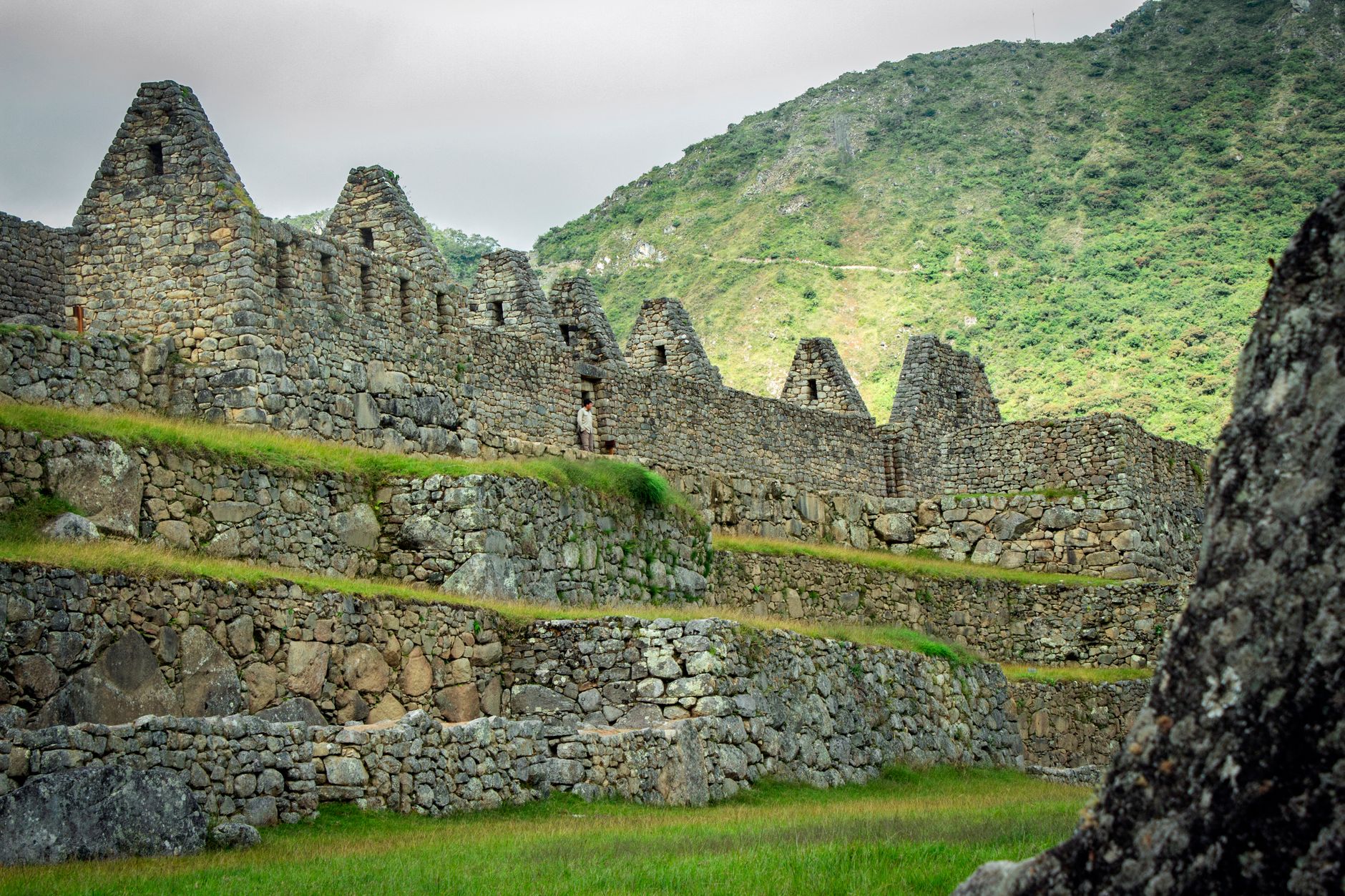
Tired of fighting for circuit tickets, dodging selfie sticks, and paying extortionate prices to see Machu Picchu? Recent Peruvian Ministry of Tourism (MINCETUR) visitor metrics reveal that while 4,500+ tourists cram onto Machu Picchu's granite terraces every day, thousands of equally majestic Inca and pre-Inca citadels sit completely empty. Here is your definitive, data-backed guide to the six best crowd-free alternatives in Peru, complete with insider logistics, exact costs, and secret trail access points. ---
The Hook: Beyond the Velvet Ropes of Overtourism
I stepped off the train at Aguas Calientes at 5:30 AM, hit by a humid wave of diesel exhaust, boiling coffee, and the deafening roar of 500 tourists shuffling toward the shuttle buses. My boots clicked against the damp cobblestones as guides shouted numbers into bullhorns. Two hours later, standing on Machu Picchu’s upper terrace, I found myself waiting in a single-file line just to take a photo without someone’s neon rain jacket blocking the background.
Three days later, my experience could not have been more different. I was standing on a razor-thin ridge 4,100 meters above sea level, leaning against a pre-Inca stone wall carved with double-jamb niches. The only sound was the fierce wind hauling across the Apurímac Canyon and the distinct crunch of wild mint (muña) under my boots. Below me sat Waqrapukara, a towering horned fortress that rivals any stone sanctuary on Earth.
My total head count for the day? Four wild vicuñas, two local Quechua shepherds, and zero tourists.
If you are planning a trip to Peru, you have likely run into the wall of red tape surrounding Machu Picchu: strict timed-entry circuits, non-refundable tickets that sell out months in advance, and daily visitor caps. But recent tourism data reveals a stark reality—you do not need to subject yourself to the circus to experience the genius of ancient Andean architecture.
---
What the 2024 Tourism Data Actually Shows
According to recent data from Peru’s Ministry of Foreign Trade and Tourism (MINCETUR) and the National Park Service (SERNANP), Machu Picchu saw over 1.2 million visitors in the past year, operating near its absolute maximum cap of 4,500 to 5,600 visitors per day under its revised circuit system.
In contrast, look at the visitor metrics for Peru's alternative archaeological zones:
- Choquequirao: Averages roughly 15 to 35 visitors per day.
- Kuelap (Northern Peru): Averages 150 to 300 visitors per day (down significantly from pre-pandemic numbers, despite the operational cable car).
- Waqrapukara: Receives fewer than 50 international visitors per day.
- Espíritu Pampa (Vilcabamba): Sees fewer than 200 visitors per year.
The math is simple: over 90% of international travelers crowd into 1% of Peru’s archaeological sites. By adjusting your itinerary based on this data, you bypass the crowd bottlenecks, support local rural economies that actually need tourism revenue, and experience authentic Andean solitude.
---
The 6 Definitive Crowd-Free Citadel Alternatives
1. Choquequirao: The True "Sister Citadel"
If you want the scale, drama, and architectural brilliance of Machu Picchu without a single selfie stick in sight, Choquequirao is the undisputed king.
Perched at 3,050 meters above the Apurímac River, Choquequirao is three times larger than Machu Picchu, yet only 30% of the site has been excavated. It served as a critical administrative and religious checkpoint between the Amazon Basin and Cusco, featuring massive stone terraces adorned with inlaid white quartzite llamas.
- Why it beats Machu Picchu: You cannot reach it by train or bus. It requires a grueling, multi-day foot trek, which completely filters out mass tourism.
- The Vibe: Raw, silent power. You will often have the entire central plaza to yourself as cloud forest mists roll over the terraces.
- Pro-Tip: Skip the standard out-and-back route from Capuliyoc. Book a trek that continues across the Yanama Pass to connection points near Santa Teresa. Visit the White Llama Terraces at 6:30 AM; the morning light hits the quartzite carvings directly, and the valley floor below is wrapped in a blanket of clouds.
---
2. Waqrapukara: The Horned Fortress of the Apurímac
Rising like a pair of blackened stone horns out of a dramatic cliff face, Waqrapukara is perhaps the most visually striking structure in South America. Built first by the Qanchi culture around 1200 AD and later incorporated into the Inca Empire, this high-altitude sanctuary was used for elite religious ceremonies and political defense.
- Why it beats Machu Picchu: It sits at 4,150 meters, overlooking a gorge that drops 1,000 meters straight down to the roaring Apurímac River. The sheer drama of the topography makes Machu Picchu’s setting look modest by comparison.
- The Vibe: Mystical and windswept. The stone portals frame vast, empty canyons where Andean condors ride thermals right at eye level.
- Pro-Tip: Most day-tours from Cusco take the long trail from Sangarará. Instead, take a private taxi to the trailhead at Huayqui. The hike from Huayqui is shorter (about 2.5 hours each way) and follows a stunning, gently sloping Inca trail along the rim of the canyon.
---
3. Kuelap: The Cloud Fortress of the Chachapoyas
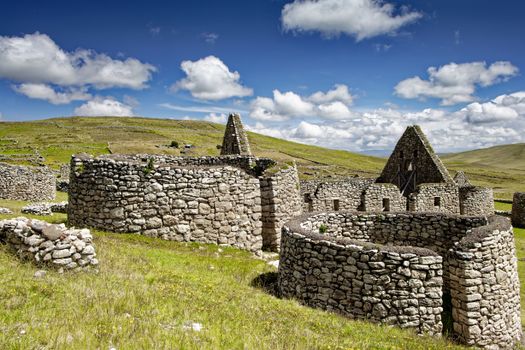
Located in northern Peru’s Amazonas region, Kuelap was constructed by the Chachapoyas ("Cloud Warriors") culture around 800 AD—predating Machu Picchu by more than 600 years.
This massive walled city sits atop a limestone ridge at 3,000 meters. Its perimeter wall reaches heights of 20 meters, protecting over 400 circular stone dwellings featuring intricate geometric friezes.
- Why it beats Machu Picchu: It is an entirely different architectural tradition. Instead of polished, rectangular Inca granite, Kuelap showcases circular limestone structures adorned with zig-zag carvings, surrounded by bromeliads and wild orchids.
- The Vibe: Indiana Jones-level discovery. It feels ancient, moist, and remote.
- Pro-Tip: Take the Kuelap Cable Car (Teleférico) from Nuevo Tingo to save 3 hours of driving on dirt switchbacks. Despite recent conservation work on the outer wall, interior access has reopened via controlled boardwalk paths. Book tickets via the official MINCETUR portal early in the morning to beat the regional mid-day tours from Chachapoyas town.
---
4. Huchuy Qosqo: "Little Cusco" Above the Sacred Valley
Perched on a natural ledge 800 meters directly above the town of Lamay in the Sacred Valley, Huchuy Qosqo was the royal estate of the 8th Inca Emperor, Viracocha. He fled here during the Chanca invasion of Cusco around 1438 AD.
The site features rare two-story adobe and stone construction, an enormous grand hall (kallanka), and an intricate system of stone water channels that still function today.
- Why it beats Machu Picchu: Accessibility without the logistics nightmare. You can hike up from the valley floor or take a high-altitude trek down from Chinchero, ending your walk with a cold craft beer at a local valley brewery.
- The Vibe: Peaceful rural solitude with unmatched panoramic views of the snow-capped Urubamba mountain range.
- Pro-Tip: Take the high route starting from Tauqa village near Chinchero. This 14km route takes you over a high mountain pass (4,400m) lined with turquoise alpine lakes before dropping down the narrow canyon that opens directly into the upper gates of Huchuy Qosqo.
---
5. Espíritu Pampa & Vilcabamba: The Last Secret Stronghold
When Manco Inca rose against the Spanish conquistadors in 1536, he retreated deep into the dense cloud forests west of Machu Picchu, establishing the kingdom of Vilcabamba—the last stand of the Inca Empire. Espíritu Pampa is the deep-jungle ruin complex where this final chapter played out.
- Why it beats Machu Picchu: Pure historical mythos and zero crowds. While Hiram Bingham mistakenly thought Machu Picchu was the "Lost City of the Incas," historical data proves that Espíritu Pampa was the real lost city.
- The Vibe: Overgrown jungle exploration. Moss-covered stone walls are wrapped in thick vines, with brightly colored toucans darting overhead.
- Pro-Tip: Reaching Espíritu Pampa requires true expedition spirit. Take a bus from Cusco to Quillabamba, proceed by collectivo to Chugana, and hire a local Quechua-speaking guide. Do not attempt this trip without a satellite communicator (e.g., Garmin InReach) and high-grade jungle boots.
---
6. Marcahuasi: The Mystical Granite Plateau
Located east of Lima in the Huarochirí Province, Marcahuasi is a massive volcanic plateau sitting at 4,000 meters altitude. While technically a natural geological wonder filled with megalithic granite formations that resemble human faces and animals, it contains numerous pre-Inca burial towers (chullpas), ritual altars, and ancient water management systems built by the Huanca culture.
- Why it beats Machu Picchu: It offers an entirely unique, otherworldly landscape that combines high-alpine trekking, pre-Inca archaeology, and world-class stargazing.
- The Vibe: Surreal, cold, cosmic solitude.
- Pro-Tip: Camp at El Anfiteatro, a natural stone bowl on the plateau that blocks the bitter high-altitude wind. Bring a sub-zero sleeping bag; temperatures drop below freezing the moment the sun dips below the Pacific horizon.
---
Logistics & Data Comparison Matrix
To help you plan your itinerary based on real logistics rather than marketing gloss, here is a breakdown of costs, difficulty levels, and current visitor volumes across these top sites:
| Site Name | Distance from Hub | Avg. Daily Visitors | Est. Transport Cost ($USD) | Entry Fee ($USD) | Best Time to Visit | | :--- | :--- | :--- | :--- | :--- | :--- | | Machu Picchu (Baseline) | 3.5 hrs from Cusco | 4,500 - 5,600 | $150 - $350 (Train/Bus) | $45 - $62 | May – September (Dry) | | Choquequirao | 4-day hike from Cusco | 15 - 35 | $120 - $250 (Guide/Mules) | ~$15 | May – October | | Waqrapukara | 3 hrs drive from Cusco | 20 - 50 | $40 - $90 (Private Taxi) | Free / $3 local | Year-round (Dry season best) | | Kuelap | 1 hr from Chachapoyas | 150 - 300 | $15 (Cable Car + Bus) | ~$8 | April – November | | Huchuy Qosqo | 1.5 hrs from Cusco | 10 - 25 | $10 - $30 (Local Transport) | ~$6 | May – October | | Espíritu Pampa | 10+ hrs from Cusco | < 1 per day | $150 - $300 (Logistics) | ~$4 | June – August (Strict dry) |
---
The Local Gear & Tactical Playbook
Navigating Peru’s crowd-free alternatives requires a slightly different approach than stepping onto the PeruRail train with a daypack. Here is how to execute these trips flawlessly:
1. Altitude Acclimatization Strategy
Do not land in Cusco (3,400m) and hit the Waqrapukara trail (4,150m) the next morning. You will get acute mountain sickness (AMS). Spend your first two days in lower-elevation Sacred Valley hubs like Ollantaytambo (2,792m) or Pisac (2,972m). Drink local muña (Andean mint) tea—which works noticeably better for altitude headaches than standard coca leaf tea.
2. Money Matters
While Machu Picchu vendors accept credit cards and Apple Pay, none of these alternative sites do. Carry small denominations of Peruvian Soles (S/10, S/20). Local trail stewards checking entrance permits in villages like Huayqui or Capuliyoc cannot break a S/100 bill.
3. Hiring Local Mules (Arrieros)
For multi-day treks like Choquequirao, avoid booking giant international trekking agencies that pocket 80% of the profit. Fly into Cusco, head to the trailhead town (e.g., Capuliyoc), and hire an arriero (muleteer) directly. You will pay around S/60 - S/80 ($16-$22 USD) per day per horse, putting 100% of that income directly into the local village economy.
---
The Verdict: Rethinking Your Peru Itinerary
Machu Picchu is undeniably an engineering marvel. But if your dream South American adventure involves real discovery, physical challenge, and quiet moments standing among ancient stones without being rushed by a park ranger with a whistle, the recent data clear-cuts the path for you.
Skip the ticket wars. Pack a good pair of worn-in boots, learn a few words of Quechua (Allianllachu goes a long way), and head for the Horns of Waqrapukara or the misty plazas of Choquequirao. The real Andes are still waiting—and they are completely silent.
---
More pictures



Tags
Share this guide
We may earn a commission if you click a link and buy a product or service, at no extra cost to you. How affiliate links work.
Been there?