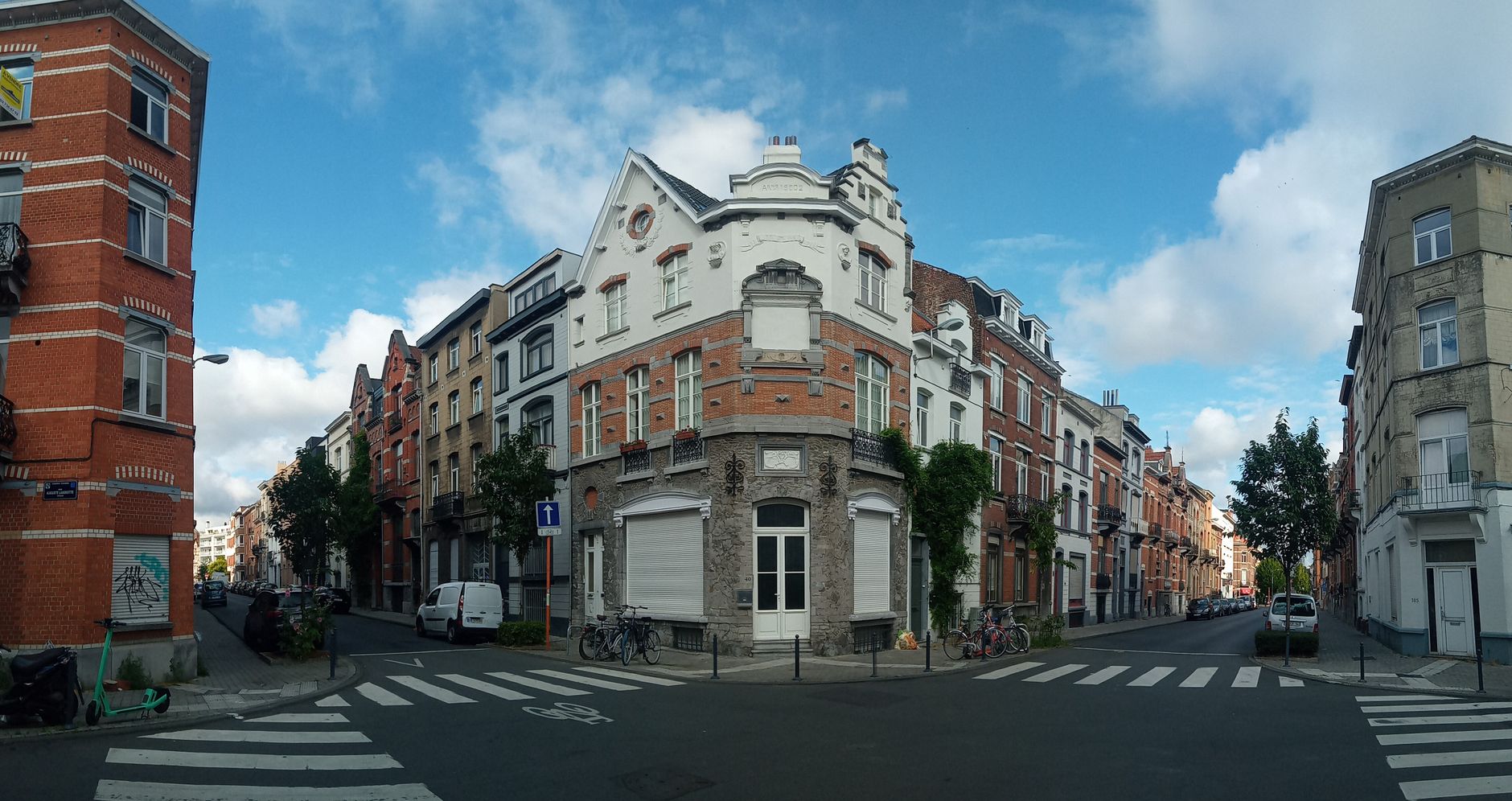
Forget the $300 resort massage. A global wellness revolution is quietly happening, and it’s gloriously cheap. From neon-lit designer bathhouses in Tokyo to floating fjord saunas in Oslo and ancient Ottoman steam rooms in Budapest, a new wave of high-design, low-cost wellness spaces has arrived. We’re talking world-class architecture, mineral-rich thermal waters, and deeply restorative experiences—all for the price of a specialty oat-milk latte. Here is your definitive guide to the luxury spas charging what you pay for coffee emerging this year. ---
The Hook: A $4.00 Ticket to Nirvana
I stepped off the train at Shibuya Station into a sheeting Tokyo rain, my shoulders knotted from a twelve-hour flight and my brain thoroughly scrambled by jet lag. The smell of damp asphalt, sizzling yakitori fat, and exhaust fumes hung heavy in the neon-lit air. I wasn’t heading to a glitzy five-star hotel spa to drop half my paycheck on a massage. Instead, I threaded through a quiet residential alley in Higashi, following a glowing blue neon sign of a stylized whale.
This was Kairyu-yu (改良湯), a neighborhood bathhouse (sento) founded in 1916 but recently reimagined by cutting-edge architects into a minimalist, dark-mode wellness sanctuary. I slipped my shoes into a wooden locker, dropped 520 Japanese Yen (exactly $3.40 USD) into a vending machine, and received a small green ticket.
Inside, the air smelled of freshly cut hinoki cypress and rich, earthy mineral water. I spent the next two hours cycling between a carbonated micro-bubble bath, an electric-pulse pool that gently kneaded my lower back, and a sauna infused with local birch oils—all beneath a stunning modern mural painted by local artist Kentaro Tanaka.
As I sat on a plastic stool washing my hair with high-end charcoal soap, it hit me: this wasn't just a cheap bath. It was a world-class, design-forward wellness experience that cost less than the flat white I had drank at Tokyo Haneda Airport.
A quiet revolution is taking over the travel world. The era of the exclusionary, $300-an-hour hotel spa is being challenged by a highly aesthetic, democratic counter-movement. Across the globe, high-end, self-guided thermal circuits, designer communal baths, and public saunas are emerging. These are luxury spas charging what you pay for coffee emerging this year, and they are changing how we travel and heal.
---
1. The Rise of "Micro-Wellness" and the Death of the $300 Massage
For the past decade, "wellness travel" has been synonymous with luxury resorts, silent retreats in Bali, and astronomical bills. But a macroeconomic shift, combined with a post-pandemic craving for authentic, communal experiences, has birthed the "micro-wellness" trend.
Gen Z and Millennial travelers are rejecting the stuffy, hushed treatment rooms of traditional spas. Instead, they are seeking out high-frequency, low-cost social bathing. The focus has shifted from passive treatments (like a therapist rubbing oil on your back) to active, self-guided thermal cycling (hot, cold, rest, repeat).
Because these spaces require minimal staff and rely on communal spaces, they can operate on incredibly thin margins. The result? Stunning, architect-designed spaces that charge local, everyday prices.
---
2. Tokyo’s Designer Sentōs: The $4 Neon Oasis
The traditional Japanese sento (public bathhouse) was once a dying breed, closing down by the dozens as modern apartments built private showers. But a new generation of creative directors and architects is saving them, transforming these historic neighborhood hubs into ultra-cool, design-centric hangouts.
The Vibe at Kairyu-yu (Shibuya)
At Kairyu-yu, the traditional tiled murals of Mount Fuji have been replaced with striking contemporary art. The lighting is low and moody, casting soft shadows across deep indigo Hakata ceramic tiles.
The water here is soft-water (soft-sui), processed to remove minerals that dry out the skin, leaving your body feeling incredibly silky. The star of the show is the kuroyu (black water bath), rich in ancient humic acid that naturally detoxifies the skin.
- Pro-Tip: The hidden entrance is behind a sliding gray concrete door on the side of the building. Look for the small blue curtain (noren) hanging low.
- The Etiquette: Wash thoroughly while sitting on the provided plastic stools before entering any pool. No towels are allowed in the water; rest your folded hand-towel on top of your head like the locals do.
---
3. Oslo's Fjord-Side Floating Saunas: The $15 Nordic Shock
In Norway, wellness isn’t a luxury; it’s a birthright. Over the last three years, Oslo's harbor has transformed from a gritty industrial port into a bustling hub of architecturally stunning, floating public saunas.
The Experience at KOK or SALT
Picture a series of sculptural, wood-fired cedar cabins floating directly on the freezing waters of the Oslofjord. For roughly 150 Norwegian Krone (about $14 USD), you can book a two-hour "Felles" (communal) session.
Inside, the air is thick with the scent of burning birchwood and saltwater steam as the sauna master throws water onto red-hot stones. When the heat becomes unbearable, you push open the heavy glass door and plunge directly into the sub-zero fjord water. The rush of endorphins is immediate and intoxicating.
- Pro-Tip: Visit at 8:00 AM on a Tuesday. The harbor is dead quiet, the rising sun reflects off the glass facade of the nearby Munch Museum, and you’ll likely share the sauna with just one or two quiet locals reading the morning paper.
- The Etiquette: Bring two towels—one to sit on inside the sauna (hygiene is paramount) and one to dry off with after your fjord plunge.
---
4. Budapest's Secret Neighborhood Baths: Beyond the Tourist Trap
While tourists flock to the famous Széchenyi or Gellért baths—paying upwards of $35 to $40 for crowded pools filled with selfie sticks—savvy travelers head to the city's historic, neighborhood-run bathhouses.
Veli Bej: The 16th-Century Ottoman Secret
Tucked away inside a modern hospital complex is Veli Bej, one of the oldest and most beautiful Turkish baths in Budapest. Built in 1574 by Sokollu Mustafa Pasha, this hidden gem was meticulously restored by architect Csaba Virág, who blended ancient red-clay brickwork with sleek, modern glass and concrete.
Under a massive central dome supported by four octagonal arches, you’ll find a thermal pool heated to a perfect 39°C (102°F). Light streams through tiny, star-shaped glass windows cut into the cupola, illuminating the rising steam. The cost for a three-hour ticket? Only 3,500 Hungarian Forints (roughly $9.50 USD).
- Pro-Tip: Veli Bej has strict capacity limits to preserve the quiet atmosphere. Arrive at 3:00 PM, right when the afternoon session opens, to guarantee entry without waiting in line.
- The Etiquette: A swim cap is strictly mandatory if you want to swim in the cold lap pool. You can rent one at the desk for pennies, but bringing your own saves time.
---
5. Seoul’s High-Tech Jjimjilbangs: The 24-Hour Clay Oven Escape
In South Korea, wellness is a 24-hour affair. Jjimjilbangs are massive, multi-story public bathhouses equipped with hot tubs, saunas, ice rooms, and heated sleeping chambers.
The Neighborhood Sanctuary: Spa Lei
While some tourist-heavy jjimjilbangs have raised prices, neighborhood favorites still offer entry for around 15,000 KRW (about $11 USD).
At these sanctuaries, you can sweat out your toxins in a traditional dome-shaped sauna lined with yellow clay and pine firewood, then cool down in a room lined with blocks of pink Himalayan salt. Afterward, grab a straw and sip on ice-cold shikhye (a sweet, traditional fermented rice drink) while lying on heated linoleum floors.
- Pro-Tip: Don't skip the scrub. For an extra $15, you can hire an ajumma (middle-aged Korean woman) to give you a traditional seshin body scrub. It’s a no-nonsense, incredibly vigorous exfoliation that will leave your skin feeling brand new.
- The Etiquette: Jjimjilbangs are strictly divided by gender for the wet bath areas, where clothing is completely forbidden. Once you change into the provided cotton t-shirt and shorts, you can access the co-ed sauna and dining zones.
---
6. The New Wave of Urban Biohacking Pods
The trend of ultra-affordable luxury wellness has also hit major Western metropolises like London, New York, and Sydney, but with a high-tech twist. Instead of wet baths, "recovery kiosks" and automated biohacking lounges are popping up.
These spaces feature zero-gravity chairs, medical-grade red light therapy panels, and compression boots. By eliminating the need for therapists, these lounges offer 20-minute recovery sessions for as little as $10 to $15.
Instead of booking weeks in advance, urbanites are using apps to book a quick, affordable midday reset—swapping out their afternoon espresso for a session of cellular repair.
---
Quick Facts & Logistics: The World's Best Budget Luxury Spas
| Location | Spa Name | Estimated Cost (USD) | Best Time to Visit | How to Get There | | :--- | :--- | :--- | :--- | :--- | | Tokyo, Japan | Kairyu-yu (改良湯) | $3.40 (520 JPY) | 3:00 PM (Opening) | 10-min walk from Shibuya Station East Exit | | Oslo, Norway | KOK Floating Sauna | $14.00 (150 NOK) | 8:00 AM (Sunrise) | Langkaia harbor, next to the Opera House | | Budapest, Hungary | Veli Bej Baths | $9.50 (3,500 HUF) | 3:00 PM | Tram 4 or 6 to Margit Híd, then a short walk | | Seoul, South Korea| Spa Lei | $11.00 (15,000 KRW)| Late evening (10:00 PM)| Sinsa Station, Exit 5 | | London, UK | Modern Recovery Pods| $12.00 (£10.00) | Midday slump (2:00 PM) | Various central tube stations |
---
7. How to Master the "Coffee-Price" Spa Circuit
To successfully navigate these budget-friendly luxury sanctuaries without looking like an oblivious tourist, keep these golden rules in mind:
- Pack Your Own Kit: Budget-friendly spas keep their entry fees low by charging extra for amenities. Always pack a travel pouch containing a lightweight microfiber towel, a pair of rubber flip-flops, high-quality facial moisturizer, and a comb.
- Learn the Local Bathing Rituals: These spaces are deeply rooted in local culture. Take five minutes to research the specific etiquette of the country you are visiting. In Japan, wash before you soak. In Germany and Scandinavia, saunas are strictly textile-free (no swimsuits allowed due to off-gassing chemicals).
- Embrace the Silence: Unlike expensive hotel spas where soft pan flute music is piped through hidden speakers, these local spaces are filled with the real sounds of the city—the low hum of local gossip, the splash of water on hot stones, and the deep, communal sighs of relaxation. Embrace it. It is infinitely more authentic.
The next time you plan a trip, don't budget hundreds of dollars for a sterile hotel spa. Look for the glowing neon signs of the local bathhouses, the steam rising from the harbor, and the historic brick domes hidden in plain sight. True luxury isn’t about how much money you spend; it’s about how deeply you connect with the world around you.
---
More pictures


Tags
Share this guide
We may earn a commission if you click a link and buy a product or service, at no extra cost to you. How affiliate links work.
Been there?