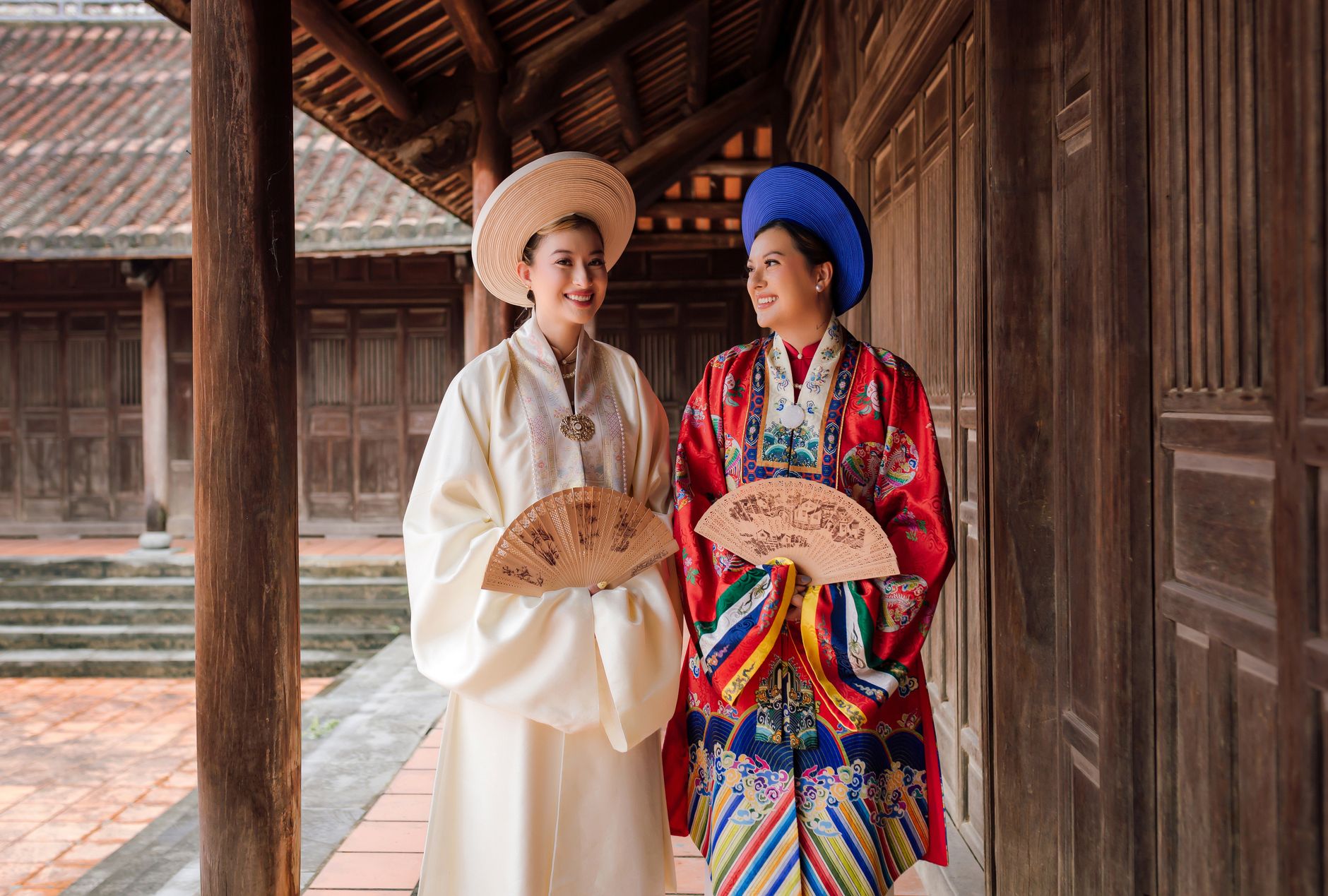
Ever felt that thrill of stumbling upon a local custom so unique it completely reshapes your understanding of a place? We're diving deep into the most surprising and trending local traditions right now, guaranteed to add an unforgettable layer to your next adventure. Get ready to ditch the guidebooks, embrace the unexpected, and truly travel like a local!
Beyond the Guidebook: Trending Local Customs That Will Blow Your Mind (and Elevate Your Trip!)
I’ll never forget my first time in Kyoto. I was at a traditional ryokan, about to step into the onsen (communal bath). I’d read the rules, felt prepared. But as I rounded the corner, a tiny, elderly Japanese woman, completely at ease in her natural state, gave me a friendly nod. My Western sensibilities, despite my research, still did a double-take. It was a moment of pure, delightful culture shock – a beautiful reminder that travel isn't just about seeing famous landmarks; it's about diving headfirst into the vibrant, often surprising, tapestry of local life.
In a world increasingly connected, travelers are craving more than just snapshots; we want stories, connections, and authentic experiences. This means a rising trend in seeking out and respectfully engaging with local customs – the charming, the peculiar, and the downright surprising traditions that truly define a destination. These aren't just quaint old habits; they're living, breathing aspects of culture that are trending right now as travelers look to go deeper.
So, ditch the tourist traps for a moment, and let’s explore some incredible local customs that are currently making waves, offering unforgettable moments, and providing the ultimate bragging rights for your next adventure. Get ready to bookmark this, because your travel game is about to get a serious upgrade!
1. The Art of the Unexpected Greeting: More Than Just a Handshake
Forget your standard "hello" and prepare for a whole new level of social interaction. Greetings are often the first point of cultural contact, and getting them right (or hilariously wrong) can set the tone for your entire trip.
The Maori Hongi in New Zealand: A Breath of Life Imagine meeting someone and pressing your nose and forehead against theirs. That’s the hongi, a traditional Maori greeting in New Zealand. It’s not just a physical touch; it’s a symbolic sharing of the "ha" (breath of life). I first encountered a hongi during a cultural performance in Rotorua, and the profound intimacy of it was truly moving. It’s a custom gaining significant traction as New Zealand tourism emphasizes indigenous culture.
- Why it's trending: Travelers are seeking deeper connections with local cultures, and the hongi offers an incredibly unique, respectful, and memorable way to connect with the Maori people.
- My Anecdote: I was invited to a small community event, and after a formal welcome, a local elder approached me. I hesitated, then remembered my research. As our foreheads and noses met, a wave of respect and connection washed over me. It felt incredibly ancient and powerful, far more impactful than any handshake.
- Practical Tip: If offered a hongi, accept it gracefully. Look the person in the eye as you press your nose and forehead together. It's a sign of immense respect. Don't initiate unless you're explicitly invited or in a very specific cultural context.
- Instagram-worthy: While you might not snap a selfie during a hongi, a photo with a Maori elder after a cultural exchange, explaining the significance of the greeting, is incredibly powerful and shareable.
The Nuances of the Thai Wai: A Bow and a Prayer You’ve probably seen the wai – the graceful pressing of palms together, often accompanied by a slight bow. But did you know the height of your hands and the depth of your bow convey respect based on social status? Higher hands and a deeper bow for elders, monks, or royalty; lower for peers. I once wai-ed an older street vendor with hands too low, and while she smiled, I noticed her subtly correcting her own wai to me, implying I needed to show more respect. It was a gentle lesson!
- Why it's trending: As more travelers flock to Thailand, understanding the wai beyond a simple gesture is crucial for respectful interaction and often opens doors to warmer local exchanges.
- Practical Tip: Observe locals! Generally, for elders, bring your hands up so your fingertips touch your nose. For peers, chin level is fine. For children, a simple nod is usually enough. Always return a wai if given one.
- Instagram-worthy: A photo of a beautifully adorned temple, with a local offering a wai, can capture the essence of Thai reverence.
2. Dining Delights & Delicious Dilemmas: Eating Your Way into Culture
Food is the universal language, but the how of eating can be a minefield of surprising customs. Embrace them, and you’ll unlock a whole new level of culinary adventure.
Slurping Noodles in Japan: A Sign of Enjoyment For many Westerners, slurping is rude. In Japan, especially with ramen or soba, it's a sign that you’re enjoying your meal, and it helps cool down hot noodles. My first time in a tiny ramen shop in Tokyo, I was self-consciously trying to eat quietly. Then I looked around: everyone was slurping with gusto! The chef even smiled at a particularly enthusiastic slurp from a salaryman next to me.
- Why it's trending: Japanese cuisine is globally adored, and travelers want to fully immerse themselves in the dining experience, including the delightful cacophony of a ramen shop.
- My Anecdote: I decided to go for it. My first attempt was more of a cough than a slurp, but soon I was happily joining the chorus. It felt incredibly liberating and truly enhanced the flavor of the broth. The chef gave me a thumbs-up as I left!
- Practical Tip: Don't be shy! Embrace the slurp. It's not about being loud for the sake of it, but allowing air to mix with the noodles and broth, enhancing the flavor.
- Instagram-worthy: A close-up of a steaming bowl of ramen, maybe with chopsticks mid-slurp (if you’re brave enough to try for the shot!), perfectly encapsulates this custom.
Eating with Your Hands in India & Ethiopia: A Communal Affair In many parts of the world, cutlery is secondary to the tactile pleasure of eating with your hands. In India, especially in the South, or in Ethiopia with injera (a spongy flatbread), eating with your right hand is the norm. The left hand is considered unclean. I remember my first thali in Kerala, feeling clumsy trying to scoop rice and curry with my fingers. My host gently reminded me to use only my right hand and showed me the proper technique – using fingertips to form a small ball.
- Why it's trending: Food tourism focusing on authentic, immersive experiences is booming. Travelers want to get their hands dirty (literally!) and experience meals as locals do.
- Practical Tip: Always use your right hand. Wash your hands thoroughly before and after. Don't be afraid to ask for a quick demonstration if you're unsure. Embrace the sensory experience!
- Instagram-worthy: A vibrant plate of Indian thali or Ethiopian injera surrounded by hands, highlighting the communal and tactile nature of the meal.
3. Social Norms & Navigating Public Spaces: The Unwritten Rules
Beyond greetings and meals, how people behave in public spaces reveals much about a culture. Understanding these unwritten rules can save you from awkward moments and earn you respect.
The Sacredness of Shoe Removal in Asia & Beyond Stepping into someone’s home, a temple, or even some restaurants in Japan, Korea, or Southeast Asia? Take off your shoes! This isn't just about cleanliness; it's a sign of respect and humility. I once saw a tourist in a Kyoto temple almost cause a minor incident by striding in with muddy boots – a flurry of polite but firm gestures quickly corrected him.
- Why it's trending: With the rising popularity of these destinations, more travelers are encountering this custom and sharing their experiences, highlighting its importance.
- My Anecdote: I was visiting a friend’s home in Seoul, and instinctively took off my shoes at the door. Her grandmother, who had seemed a bit reserved, immediately warmed up, offering me tea and a wide smile. It was a simple gesture that clearly made a big difference.
- Practical Tip: Always observe. If you see a pile of shoes at the entrance, yours should join them. Wear socks you're comfortable showing!
- Instagram-worthy: A neat row of shoes outside a beautiful temple or traditional house, symbolizing respect and cultural immersion.
Personal Space: A Global Spectrum The invisible bubble of personal space varies wildly. In some cultures (e.g., USA, UK), it's large; in others (e.g., many parts of Latin America, Middle East, bustling Asian cities), it’s practically non-existent. Navigating a crowded market in Mumbai, I realized my Western concept of personal space was a luxury. People bump, jostle, and stand incredibly close – it's not rude, just normal.
- Why it's trending: As travelers venture into more diverse urban environments, understanding and adapting to different personal space norms is key to feeling comfortable and respectful.
- Practical Tip: Observe the local proximity in queues, on public transport, and during conversations. If someone stands closer than you're used to, it's usually not aggressive; it's just their cultural norm. Avoid backing away too dramatically.
- Instagram-worthy: A dynamic shot of a bustling market or public square, capturing the energy and close proximity of people in a respectful way.
4. The Language of Gestures: Saying More Without Words
A simple hand gesture can mean entirely different things across cultures. What’s polite in one country can be offensive in another, leading to hilarious (or mortifying) misunderstandings.
Thumbs Up: Not Always a Good Sign! In many Western countries, a thumbs-up means "good job!" or "okay." In parts of the Middle East, West Africa, and South America, however, it can be equivalent to giving someone the middle finger. I once innocently gave a thumbs-up to a taxi driver in Iran who had been very helpful, and he looked genuinely confused, almost offended. A local friend quickly intervened and explained my blunder!
- Why it's trending: With global travel, understanding these non-verbal cues is essential for avoiding unintended offense and promoting smooth interactions.
- Practical Tip: When in doubt, avoid using ambiguous hand gestures. A simple smile and a verbal "thank you" are universally safe.
- Instagram-worthy: A photo of a local demonstrating a unique, positive gesture (e.g., the 'fig sign' for good luck in Portugal, or the 'okay' sign in Japan where it means money).
Head Nods in Bulgaria & Greece: Yes Means No, No Means Yes! This one is a classic traveler's tale. In Bulgaria and parts of Greece, a single nod means "no," and a shake of the head means "yes." Imagine the confusion! I found myself in a Bulgarian restaurant, nodding enthusiastically when asked if I wanted more wine, only to watch the waiter take my glass away. It took a few confused back-and-forths, and much laughter, to realize the cultural flip.
- Why it's trending: This unique reversal is a common point of discussion and amusement among travelers, making it a "must-know" for those visiting the region.
- Practical Tip: When asking a yes/no question, try to also use verbal confirmation. "Yes, please" or "No, thank you" will save you a lot of confusion.
- Instagram-worthy: A playful video demonstrating the "yes" and "no" head movements in these countries, highlighting the cultural difference.
5. Celebrations & Community: Immersive Experiences Beyond the Tourist Trail
Beyond daily interactions, some of the most profound cultural insights come from observing and, if respectfully invited, participating in community rituals or unique social institutions.
Balinese Canang Sari Offerings: Daily Devotion Every day in Bali, you’ll see intricate little palm-leaf baskets filled with flowers, rice, cookies, and even cigarettes or candy, placed everywhere – on sidewalks, shrines, doorways. These are Canang Sari, daily offerings to the gods, a beautiful and essential part of Balinese Hindu life. I was mesmerized by the women meticulously crafting them, often with their children by their side. It's a constant, gentle reminder of spirituality woven into everyday existence.
- Why it's trending: As Bali continues to be a top destination, travelers are increasingly drawn to its spiritual side and the visible, tangible expressions of its unique culture. The aesthetic beauty is highly Instagrammable, promoting mindful travel.
- My Anecdote: I purchased a small Canang Sari from a local market (around $1 USD) and, after observing how others placed them, I carefully put mine down at the base of a small temple. It felt like a small, respectful gesture of participation in their profound daily rhythm.
- Practical Tip: Be mindful where you step; these offerings are sacred. Never walk over them or disturb them. If you see one being made, you can politely observe, or even ask if you can learn.
- Instagram-worthy: A close-up shot of a beautifully arranged Canang Sari against a lush Balinese backdrop, or a photo of a local woman gracefully placing an offering.
Japanese Onsen Etiquette: The Art of Communal Bathing My initial apprehension about communal nudity in an onsen quickly faded into a deep appreciation for this ancient Japanese custom. It’s not just about getting clean; it’s about relaxation, purification, and community. The rules are strict: wash thoroughly before entering the main bath, no swimsuits, and keep your modesty towel out of the water. The serene silence and the feeling of the mineral-rich water were incredibly restorative.
- Why it's trending: Wellness travel is on the rise, and onsen offer an authentic, deeply relaxing, and uniquely Japanese experience that travelers are increasingly seeking out.
- My Anecdote: After my initial shyness, I found myself in a beautiful outdoor rotenburo in Hakone, surrounded by misty mountains, feeling utterly at peace. It was one of the most authentically Japanese experiences I had, pushing me out of my comfort zone in the best way possible.
- Practical Tip: Research onsen etiquette before you go. Most facilities have clear signs (often in English). Always shower thoroughly before entering the main bath. If you have tattoos, check the onsen's policy beforehand, as some may not permit them (though many are becoming more inclusive).
- Instagram-worthy: A stunning landscape shot of a Japanese ryokan with a steaming outdoor onsen (without people, of course, for privacy!), or a shot of the beautiful yukata (robe) you wear to and from the baths.
Embrace the Unexpected, Travel Deeper
These trending local customs are more than just quirky traditions; they are windows into the soul of a culture. They offer opportunities for genuine connection, profound learning, and unforgettable stories. By approaching them with an open mind, a respectful attitude, and a willingness to step outside your comfort zone, you'll transform your trip from a mere vacation into an enriching, authentic adventure.
So, on your next journey, don't just see the sights – feel the culture. Engage with the customs. You’ll be surprised at how much richer your travel experiences become, and you’ll return home with stories that truly resonate.
What's the most surprising local custom you've encountered? Share your stories and tips in the comments below! Let's inspire each other to travel deeper!
---
More pictures
Tags
Share this guide
We may earn a commission if you click a link and buy a product or service, at no extra cost to you. How affiliate links work.
Been there?