
Forget soulless souvenir shops and chain restaurants; the heart of any destination beats strongest in its local businesses. This isn't just about spending money; it's about investing in genuine human connection, tasting true culture, and making memories that will stay with you long after your flight home. Prepare to discover the most soul-stirring local experiences you absolutely need to have before you die.
I still remember the first time I truly "got it." It was a sweltering afternoon in Hoi An, Vietnam, and I was utterly lost – not geographically, but existentially. My itinerary was packed with all the "must-sees," but everything felt… generic. Then, driven by hunger and a desperate need for shade, I ducked into a tiny, unassuming eatery. There was no English menu, just a smiling elderly woman pointing to a steaming bowl of something fragrant. I nodded, took a leap of faith, and was rewarded with the most incredible Cao Lầu I’ve ever tasted – a symphony of chewy noodles, tender pork, fresh herbs, and crispy croutons.
But it wasn’t just the food. It was the way the woman’s eyes crinkled when I tried to say "delicious" in Vietnamese, the shared smile, the feeling of being welcomed into her world, however briefly. That simple meal, costing less than a dollar, completely changed my travel philosophy. It taught me that the real magic of a destination isn't found in a glossy brochure, but in the heart of its local businesses – the places where people pour their passion, heritage, and livelihoods into creating something authentic.
Supporting local isn't just a feel-good phrase; it's a powerful way to ensure your travel dollars have a direct, positive impact on the communities you visit. It's about preserving culture, fostering unique experiences, and quite frankly, experiencing things that will blow your mind and stay with you long after the tan fades. Ready to ditch the tourist traps and dive deep? Here are seven types of local businesses you absolutely need to seek out and support before you die.
---
1. The Culinary Soul: Taste the True Local Flavor at Family-Run Eateries & Street Stalls
Forget Michelin stars for a moment. The true soul of a cuisine often resides in the humble, family-run eateries and vibrant street food stalls. These are the places where recipes have been passed down through generations, perfected with love, and served with a side of genuine hospitality.
Why it's a Must-Experience: When you eat at a local street food stall or a small, family-owned restaurant, you're not just consuming calories; you're tasting history, tradition, and the everyday lifeblood of a community. These businesses often use hyper-local ingredients, support local farmers, and offer a culinary experience that big chains simply cannot replicate. The flavors are bolder, the atmosphere more authentic, and the connection to the people behind the food is immediate and profound.
My Unforgettable Bite: I once stumbled upon "El Comedor de Doña Elena" in a dusty side street of Oaxaca, Mexico. It was literally a few plastic tables in her front yard. Doña Elena, a woman with eyes that sparkled like obsidian, served me her legendary mole negro. It wasn't just a sauce; it was a complex tapestry of chilies, spices, nuts, and chocolate, slow-cooked for hours. As I savored each bite, she told me, through broken Spanish and hand gestures, about her grandmother teaching her the recipe, about the specific cacao she used, and how her family had been feeding the neighborhood for over 50 years. That meal, costing about $5, was an education in flavor, heritage, and human connection. It was infinitely more memorable than any fancy restaurant I visited.
Practical Tips for Finding Your Culinary Gem:
- Follow the Locals: The longest lines of locals are your best indicator. If grandmas are queuing, you know it's good.
- Ask for Recommendations: Don't be shy! Ask your guesthouse owner, a friendly shopkeeper, or even a local tour guide where they eat.
- Embrace the Unknown: Don't be afraid if there's no English menu. Point, smile, and trust that you're in for a treat. Google Translate's camera function is your best friend here!
- Hygiene Check (Subtle): While street food often looks rustic, observe general cleanliness. Are the surfaces wiped? Is the food cooked fresh? Trust your gut (literally!).
- Estimated Price Range: Street food: $1-$5 per dish. Family-run restaurants: $5-$20 per person for a full meal.
---
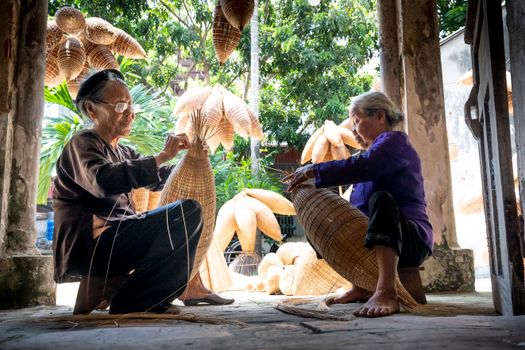
2. Hands of Heritage: Artisan Workshops & Craft Markets
In a world increasingly dominated by mass-produced goods, finding a piece crafted by human hands, imbued with history and culture, is a truly special experience. Artisan workshops and local craft markets are treasure troves of unique souvenirs, each with a story to tell.
Why it's a Must-Experience: Supporting local artisans directly contributes to the preservation of traditional crafts and skills that might otherwise be lost. These craftspeople are often the custodians of cultural heritage, using techniques passed down through generations. When you buy a hand-woven textile, a carved wooden mask, or a piece of intricate jewelry, you're taking home more than just an object; you're taking a piece of a culture, supporting a family, and encouraging the continuation of beautiful art forms.
My Hand-Carved Memory: During a trip through the Atlas Mountains in Morocco, I visited a small Berber village. In a dimly lit workshop, an elderly man, his hands gnarled with age, was meticulously carving intricate patterns into a wooden box. He offered me a cup of mint tea, and through a young translator, explained the symbolism behind each motif – stories of protection, prosperity, and love. I watched him work for an hour, mesmerized by his precision and patience. I bought a small, hand-carved cedarwood box from him for about $20. Every time I look at it on my shelf, I don't just see a box; I see the old man's smile, smell the cedarwood, and recall the warmth of his hospitality. It’s a far cry from a generic airport souvenir.
Practical Tips for Engaging with Artisans:
- Look Beyond the Main Tourist Areas: Venture into side streets or ask locals where the "real" artisan workshops are.
- Observe the Craft: If possible, watch the artisans at work. This adds immense value and understanding to your purchase.
- Bargain Respectfully (if customary): In many cultures, respectful bargaining is part of the exchange, but do so with a smile and understand the value of their labor. Don't haggle over a dollar if it means the world to them.
- Ask About the Process: Show genuine interest in how the item was made, the materials used, and the story behind it.
- Fair Trade Focus: Look for cooperatives or shops that explicitly support fair trade practices, ensuring artisans receive a just price for their work.
- Estimated Price Range: Varies wildly based on item and location, but expect to pay more than mass-produced items – typically $10-$200+ for quality handmade goods.
---
3. Beyond the Guidebook: Local-Led Tours & Unique Experiences
While major tour operators have their place, nothing beats the insights and personal touch of a tour led by a passionate local. These aren't just guides; they're storytellers, cultural interpreters, and often, your first friends in a new place.
Why it's a Must-Experience: Local guides offer perspectives you simply won't find in any guidebook. They know the hidden alleyways, the best times to visit specific spots, the nuances of local customs, and the untold stories that bring a place to life. Whether it's a food tour, a historical walk, a cooking class, or a nature excursion, a local-led experience provides deeper cultural immersion and often supports small entrepreneurs directly. These experiences are truly Instagram-worthy because they capture authentic moments, not staged ones.
My Secret City Stroll: In Rome, instead of joining a crowded Colosseum tour, I booked a "Hidden Rome" walking tour through Airbnb Experiences, led by a young historian named Sofia. She wasn't just reciting facts; she was weaving tales. We explored forgotten courtyards, peered into ancient keyholes revealing breathtaking views, and even learned about the secret societies that once thrived in the city. Sofia shared personal anecdotes about growing up in Rome, her favorite gelato spots (which were indeed the best!), and the little quirks of Roman life. It felt less like a tour and more like an intimate stroll with a knowledgeable friend. The cost was about $40 per person, a small price for a truly priceless experience.
Practical Tips for Booking Local Experiences:
- Utilize Platforms: Websites like Airbnb Experiences, GetYourGuide (filter by "local guide"), and local tourism boards are great starting points.
- Read Reviews Carefully: Look for reviews that highlight the guide's personality, local knowledge, and the authenticity of the experience.
- Small Group Focus: Opt for small group tours (or private ones if your budget allows) for a more personalized interaction.
- Ask Questions: Don't hesitate to ask your guide for recommendations on other local businesses, restaurants, or things to do.
- Consider Niche Interests: Look for tours that cater to specific interests like photography, street art, foraging, or traditional music.
- Estimated Price Range: Varies widely by activity and duration, from $20 for a short walking tour to $100+ for a full-day cooking class or adventure.
---
4. Holistic Healing & Wellness: Authentic Local Spas & Traditional Remedies
Beyond the resort spas and generic massage parlors, many destinations offer deeply rooted traditional wellness practices that are an integral part of their culture. From ancient massage techniques to herbal remedies and spiritual healing, these local businesses provide a unique path to rejuvenation.
Why it's a Must-Experience: Engaging with traditional wellness centers offers a window into a different approach to health and well-being. It's an opportunity to experience centuries-old practices that are often passed down through families or specific lineages. These experiences can be profoundly relaxing, insightful, and offer a unique cultural immersion. You're not just getting a service; you're participating in a living tradition.
My Balinese Bliss: On a trip to Ubud, Bali, I decided to forgo the fancy hotel spa for a traditional Balinese massage at a small, family-run spa called "Puri Sari Spa" (invented name, but typical of the region). It was tucked away down a quiet lane, surrounded by lush rice paddies. My therapist, a gentle woman named Wayan, used a blend of local essential oils and firm, flowing strokes that felt like she was kneading away every ounce of stress from my body. She explained the Balinese philosophy of Tri Hita Karana – harmony with God, nature, and people – which she believed was essential for true wellness. The experience was transformative, leaving me not just relaxed, but also feeling deeply connected to the island's spiritual heart. It cost about $15 for an hour, a fraction of what a resort spa would charge, and infinitely more authentic.
Practical Tips for Authentic Wellness Experiences:
- Research Traditional Practices: Understand what makes a particular local treatment unique (e.g., Thai massage, Balinese healing, Ayurvedic treatments).
- Seek Out Independent Practitioners: Look for smaller, independent spas, healing centers, or even home-based practitioners recommended by locals.
- Read Reviews for Authenticity: Look for reviews that specifically mention traditional techniques and a genuine atmosphere.
- Be Open-Minded: Some traditional remedies or practices might seem unusual at first, but approach them with an open heart and mind.
- Communicate Your Needs: Clearly articulate any health concerns or preferences to ensure a safe and beneficial experience.
- Estimated Price Range: Massages/treatments can range from $10-$50 per hour depending on the country and type of service.
---
5. Sleep with a Story: Boutique Stays & Guesthouses
While major hotel chains offer consistency, they often lack character. For a truly immersive experience, choose to stay in a locally owned boutique hotel, guesthouse, or B&B.
Why it's a Must-Experience: These accommodations are more than just a place to sleep; they are often extensions of their owners' personalities and passions. You'll find unique decor, personalized service, and a much deeper connection to the local community. The owners can be invaluable sources of insider tips, recommending hidden gems and sharing stories about their town. Your money directly supports a local family or entrepreneur, rather than a multinational corporation. Plus, waking up to a home-cooked breakfast prepared with local ingredients is an experience in itself!
My Riad Revelation: In Fez, Morocco, I booked a stay at a small, family-run Riad called "Dar Seffarine" (a real, but illustrative example of a type of Riad). It was a beautifully restored traditional Moroccan house, with intricate tile work, a serene courtyard, and a rooftop terrace offering panoramic views of the medina. The owner, Karim, greeted me with mint tea and spent an hour outlining the best routes through the labyrinthine streets, marking his favorite local eateries on a map, and even sharing stories about the Riad's history. Every morning, his wife prepared a delicious breakfast of local pastries, fresh fruit, and strong Moroccan coffee. It felt like I was staying in a friend's exquisite home, not just a hotel. This kind of personal touch made my stay unforgettable. Prices for such Riads often range from $50-$150 per night.
Practical Tips for Choosing Local Stays:
- Look Beyond Aggregators: While booking sites are useful, also check independent hotel websites or local tourism portals for more options.
- Read Reviews About Host Interaction: Prioritize reviews that praise the hospitality, local knowledge, and helpfulness of the owners.
- Seek Unique Features: Look for places with distinctive architecture, cultural decor, or special amenities like cooking classes or local excursions.
- Consider Location Carefully: Ensure the guesthouse is well-located for exploring, but also offers a sense of local life away from major tourist hubs.
- Communicate Directly: Often, booking directly with the guesthouse can secure a better rate and allows you to establish a connection before you arrive.
- Estimated Price Range: Guesthouses/B&Bs: $30-$150 per night, depending on luxury level and location.
---
6. Coffee, Books & Community: Local Cafes & Independent Bookstores
Sometimes, the best way to experience a local culture is to simply slow down and observe. Independent cafes and bookstores are often the beating hearts of a neighborhood, offering a window into daily life.
Why it's a Must-Experience: These aren't just places to grab a latte or a novel; they're community hubs, places where locals gather, work, and socialize. You can sit with a coffee, watch the world go by, and soak in the atmosphere. By purchasing a coffee, a pastry, or a local author's book, you're directly supporting a small business that contributes to the unique character of its neighborhood. Plus, you might discover your new favorite brew or a literary gem you'd never find back home. These spots are perfect for people-watching and capturing authentic, candid moments for your social media.
My Literary Lullaby: In Edinburgh, Scotland, I stumbled into "The Golden Hare Books" (a real, independent bookstore). It was a cozy haven, shelves overflowing with books, a friendly resident dog curled up by the fireplace, and the comforting scent of paper and coffee. I spent a blissful hour browsing, eventually picking up a collection of Scottish folklore. The bookseller, a woman with a warm smile and a wealth of literary knowledge, gave me recommendations for local authors and even suggested a quaint pub nearby that hosted poetry readings. I left feeling enriched, connected, and with a tangible piece of Scottish culture in my hands. A coffee and a book usually cost around $20-$30.
Practical Tips for Enjoying Local Cafes & Bookstores:
- Seek Out Independent Spots: Avoid large chains. Look for unique names, hand-drawn signs, and local art on the walls.
- Linger and Observe: Don't just grab and go. Take a seat, order something, and soak in the local rhythm.
- Check for Events: Many independent bookstores and cafes host readings, open mic nights, or local artist showcases.
- Buy Local: Purchase a bag of locally roasted coffee beans, a book by a local author, or a piece of art from their display.
- Ask for Recommendations: The baristas or booksellers are often passionate locals with great tips for exploring the area.
- Estimated Price Range: Coffee/pastry: $3-$10. Books: $10-$30.
---
7. Community-Driven Initiatives: Social Enterprises & Local Projects
Some of the most impactful local businesses aren't just about profit; they're about purpose. Social enterprises and community-driven projects are businesses that aim to solve social or environmental problems while also being financially sustainable.
Why it's a Must-Experience: Supporting these businesses means your money goes beyond just a transaction; it contributes to a greater good. This could be a restaurant that trains at-risk youth, a shop selling products made by marginalized women, an eco-tourism project that employs indigenous communities, or a craft center preserving endangered skills. These experiences offer profound insights into local challenges and successes, and your support directly empowers individuals and strengthens communities. It's the ultimate form of ethical and responsible tourism.
My Empowering Purchase: In Siem Reap, Cambodia, I visited "Artisans Angkor" (a well-known social enterprise, used here as a general example of the type of impact). It's a vocational training center that teaches traditional Khmer crafts like stone carving, wood carving, and silk weaving to young Cambodians from rural areas, providing them with skills and stable employment. I watched the apprentices meticulously work on their crafts, their focus intense and their pride palpable. I bought a beautifully carved stone Buddha statue for about $80, knowing that my purchase directly supported their training programs and allowed these ancient art forms to thrive. It was a purchase that felt good on every level.
Practical Tips for Identifying & Supporting Social Enterprises:
- Research Before You Go: Look for NGOs, local charities, or social enterprises operating in your destination. Many have shops or offer tours.
- Look for Certifications: Some products might have fair trade or ethical sourcing certifications.
- Ask Your Guesthouse/Guide: They often know about local projects or businesses with a social mission.
- Read Their Story: Most social enterprises are proud to share their mission and impact. Look for signs, brochures, or websites explaining their work.
- Engage and Learn: Take the opportunity to learn about the social or environmental issues they address and how your support helps.
- Estimated Price Range: Varies greatly depending on the product or service, but often comparable to standard market prices, with the added value of social impact.
---
Conclusion: Travel with Heart, Live with Purpose
My friends, travel is so much more than ticking off landmarks from a list. It's about connecting, learning, growing, and leaving a positive footprint wherever you go. The most truly unforgettable experiences, the ones that stay etched in your soul, rarely come from sterile, mass-produced tourism. They come from the vibrant, authentic, and often humble local businesses that are the true heartbeat of a destination.
These are the places where passion meets purpose, where heritage is preserved, and where your travel dollars become a force for good. So, on your next adventure, challenge yourself. Step off the beaten path, ask a local, take a chance on that tiny, unassuming shop or eatery. Seek out the hands that craft, the voices that guide, and the hearts that welcome.
By choosing to support these local gems, you're not just creating incredible memories for yourself; you're helping to sustain cultures, empower communities, and ensure that the unique spirit of each place continues to thrive for generations to come.
Don't just travel; experience. Don't just visit; invest. Make your next trip a pilgrimage of purpose, supporting the local businesses you need to experience before you die.
Share your favorite local business finds in the comments below! What hidden gems have you uncovered on your travels? Let's inspire each other to travel with heart!
---
More pictures

Tags
Share this guide
We may earn a commission if you click a link and buy a product or service, at no extra cost to you. How affiliate links work.
Been there?