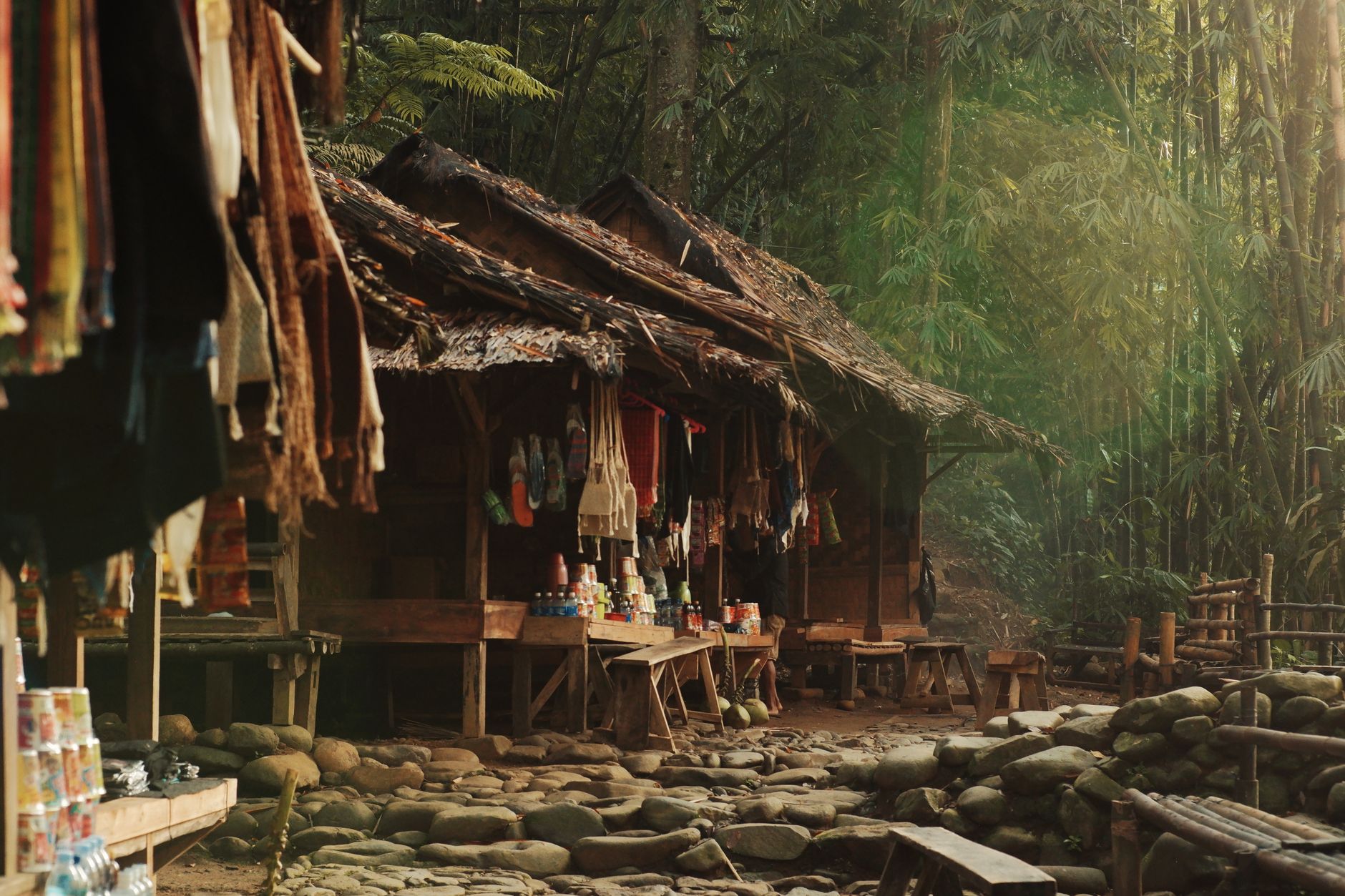
Tired of tourist traps? Imagine stepping into a world where every purchase tells a story, every meal is a local secret, and every interaction enriches a community. We're diving deep into the hidden havens locals often keep to themselves, revealing the authentic businesses that truly deserve your support and transform your journey from a visit to an immersion. ---
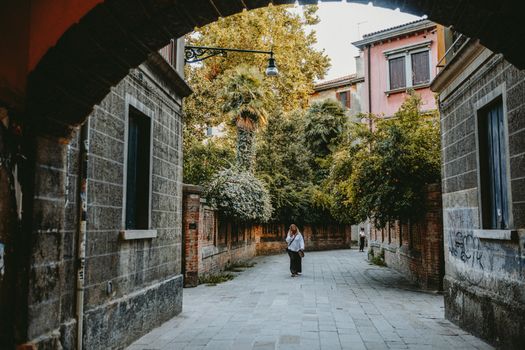
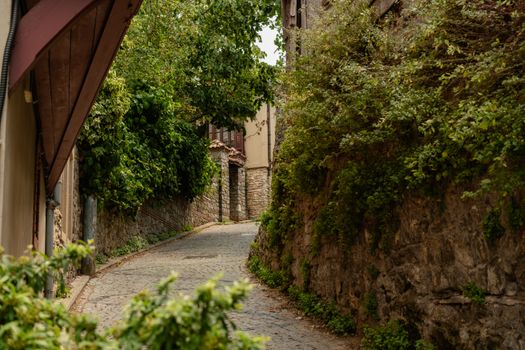
The cobblestone alley was barely wide enough for two people, a tangle of ancient stone and creeping ivy. I was hopelessly lost, which, for me, is often the beginning of the best adventures. The main thoroughfare of Florence, just a few blocks away, buzzed with selfie sticks and guided tours, but here, the only sound was the distant clatter of pots and pans. Then, a scent wafted out – garlic, olive oil, and something undeniably comforting. Peeking through a slightly ajar wooden door, I saw a tiny trattoria, no bigger than a living room, filled with boisterous laughter and the warmth of genuine conversation. No English menu. No flashy signs. Just a handful of locals, a nonna stirring a huge pot, and an atmosphere that immediately felt like home.
That moment, tucked away from the tourist hordes, was a revelation. It wasn't just about the incredible pasta (which, by the way, was life-changingly good and cost a fraction of what I'd paid near the Duomo). It was about experiencing a slice of authentic Florence, a place cherished by its residents, a secret they hadn't necessarily wanted to keep from me, but certainly weren't advertising to the masses.
And that, my fellow wanderers, is the golden ticket.
We all want to travel authentically, to truly connect with a place. But often, we get swept up in the mainstream, following guidebooks to the same crowded spots. Today, I’m pulling back the curtain on the kinds of local businesses that are the true heartbeat of any destination – the ones that locals frequent, rely on, and perhaps, secretly hope tourists never fully discover. Not because they’re unwelcoming, but because their magic lies in their genuine, unadulterated local charm. Supporting them isn’t just about being a responsible traveler; it’s about unlocking the soul of a destination.
Ready to dive deep? Let’s uncover some of these magnificent, often-overlooked treasures.
The Artisan Alleys: Where Craftsmanship Lives On
Forget the mass-produced trinkets at airport gift shops. The real treasures of any destination are crafted by the hands of its people, often in studios tucked away down unassuming streets. These artisans pour their heritage, skill, and passion into every piece, and buying directly from them is a powerful act of cultural preservation.
My journey to Santorini, for example, took an unexpected detour. Instead of battling crowds for sunset views in Oia, I rented a small scooter and headed inland to Exo Gonia, a quiet village far removed from the caldera chaos. There, nestled amongst traditional white-washed houses, I stumbled upon Kallisti Ceramics. The small workshop, run by a soft-spoken woman named Eleni, smelled of clay and sunshine. She explained how she uses traditional Cycladic techniques passed down through generations, crafting everything from intricate bowls to stunning amphorae, each piece unique.
I watched her hands, dusted with clay, shape a vase with a serene focus. It was mesmerizing. I left with a beautiful, hand-painted ceramic bowl, a vibrant Aegean blue against earthy tones, for €60. It wasn't just a souvenir; it was a story, a connection to a specific place and a dedicated artist. Every time I use it, I'm transported back to that quiet workshop, the warmth of the sun, and Eleni's gentle smile.
Why support them? You're directly funding traditional crafts, ensuring these skills don't die out. You get a truly unique, high-quality item that carries the spirit of the place, often at a fairer price than mass-produced versions. Plus, the interaction with the artist is an experience in itself.
How to find them:
- Wander: Seriously, get lost down side streets. Look for open studio doors or subtle signs.
- Ask your hosts: Your Airbnb host or guesthouse owner will know the local gems.
- Local markets: Beyond the main tourist markets, look for smaller, community-focused ones.
- Check local tourism boards (online): Sometimes they list local artisans, but usually the smaller ones are word-of-mouth.
Instagram-worthy moment: Capture the artist at work, the raw materials, or a close-up of a finished piece with a rustic background. #KallistiCeramics #SantoriniCrafts #SupportArtisans
Eating Like a Local: Beyond the Guidebook Restaurants
The culinary heart of any culture beats strongest not in Michelin-starred restaurants or tourist traps with laminated menus, but in the unassuming eateries, bustling street food stalls, and family-run joints where locals gather daily. These are the places that serve up authentic flavors, often with recipes honed over generations, at prices that reflect everyday life.
In Kyoto, after a day navigating the serene beauty of temples and gardens, I found myself craving something truly local. My Japanese friend, Kenji, led me down a narrow, lantern-lit alley just off the bustling Pontocho. Tucked away, almost invisible, was Sakura Alley Izakaya. No English signs, just a faded red lantern and the murmur of Japanese conversation drifting out. Inside, it was tiny, steamy, and wonderfully chaotic. The counter was packed with locals, laughing and clinking glasses of sake.
Kenji ordered for us – an array of yakitori (grilled skewers), perfectly crispy karaage (fried chicken), and a regional sake. Each skewer, whether chicken thigh or perfectly grilled shiitake mushroom, was a revelation, costing between ¥200-350 a stick. The atmosphere was electric, the food simple yet exquisite, and the feeling of being immersed in local life was intoxicating. I watched as the chef, a stern-faced but kindly man, expertly flipped skewers over glowing coals, occasionally exchanging banter with his regulars. It was a world away from the sushi conveyor belts and tourist-friendly noodle shops.
Why support them? You get the most authentic, often delicious, and usually more affordable food. You experience genuine local hospitality and get a true taste of the culture. Your money directly supports local families and small business owners, not large corporations.
How to find them:
- Wander away from main squares/attractions: The further you go, the more local it gets.
- Look for queues of locals: A line out the door, even for a humble stall, is a great sign.
- No English menu? Even better! Be brave, point at what others are eating, or use a translation app.
- Ask your accommodation host: They'll have their personal favorites.
- Follow your nose: The aroma of freshly cooked food is an undeniable guide.
Instagram-worthy moment: A vibrant plate of street food, the bustling atmosphere of a local market stall, or a cozy shot inside a hidden izakaya with blurred locals in the background. #KyotoEats #LocalFoodAdventures #HiddenIzakaya
The Everyday Essentials: Uncovering Local Services
Sometimes, the most profound cultural experiences come from the mundane. Getting a haircut, doing laundry, or buying a book from a local shop might not sound like a highlight reel moment, but these interactions offer a unique window into daily life and foster genuine connections.
During a solo trip to Marrakech, feeling a bit scruffy, I decided to take the plunge. Instead of seeking out a hotel barber, I asked my riad owner where he got his hair cut. He pointed me towards Bab Doukkala Barbershop, a tiny, bustling place in the Bab Doukkala neighborhood, far from the tourist-heavy Jemaa el-Fnaa.
The shop was a hive of activity, men chatting loudly, the smell of mint tea and aftershave filling the air. I sat down, a little nervous, and watched as the barber, a jovial man with a twinkle in his eye, gestured for me to relax. He didn't speak much English, and my Darija was rudimentary, but through smiles and hand gestures, we communicated. He gave me a fantastic trim, a traditional hot towel shave, and even a quick head massage, all for 80 dirhams (about $8 USD). It wasn't just a haircut; it was an hour of immersion, of watching local life unfold, and feeling like I belonged, even just for a moment. He even offered me a small glass of mint tea!
Why support them? These are the businesses that serve the community day in and day out. Using them gives you a direct, unmediated interaction with locals, often leading to unexpected conversations and insights. You'll also likely get better service and value.
How to find them:
- Observe: Watch where locals go for their everyday needs.
- Ask: "Where do you get your coffee/bread/haircut?" is a great conversation starter.
- Step outside your comfort zone: Embrace the unknown!
Instagram-worthy moment: A candid shot of a barber at work, a colorful local laundromat, or the inviting facade of a small, independent bookstore. #MarrakechLife #LocalExperience #TravelBeyondTheGuidebook
Community Hubs & Social Enterprises: Travel with Purpose
Beyond individual businesses, many destinations are home to incredible community-driven initiatives and social enterprises. These are businesses that prioritize social or environmental impact alongside profit, often supporting marginalized groups, preserving cultural heritage, or promoting sustainable practices. They are true gems that often fly under the radar of typical tourist itineraries but offer incredibly enriching experiences.
In Lisbon, I discovered A Tasquinha Solidária (The Solidarity Tavern/Cafe), tucked away in the historic Alfama district. It wasn't just a café serving delicious coffee and pastel de nata; it was a project that employed and trained women from disadvantaged backgrounds, giving them skills and a pathway to independence. The walls were adorned with art from local artists, and they frequently hosted small cultural events and workshops.
Their pastel de nata, made with locally sourced ingredients, was easily the best I had in Lisbon, costing a mere €1.50. But knowing that every bite contributed to a meaningful cause made it even sweeter. I spent a good hour there, sipping coffee, chatting with one of the women working there (who was delighted to practice her English), and soaking in the warm, community-focused atmosphere. It was a tangible way to give back while enjoying an authentic local experience.
Why support them? Your money directly contributes to positive social and environmental change in the community. You engage with businesses that embody ethical values and often get to learn about local issues and initiatives firsthand.
How to find them:
- Online research: Look for terms like "social enterprise [city name]," "community project [city name]," or "ethical tourism [city name]."
- Local NGOs/Charities: They often have associated businesses or recommend others.
- Word of mouth: Ask locals if they know of any places that support the community.
Instagram-worthy moment: A vibrant mural at a community cafe, a product with a clear social impact story, or a group participating in a workshop. #LisbonSocialImpact #EthicalTravel #CommunityTourism
Experience Over Souvenirs: Local Classes & Workshops
While a tangible souvenir is nice, nothing beats the lasting memory and new skill gained from an immersive local experience. These are the classes and workshops where you learn directly from locals, delving into their traditions, crafts, and culinary secrets. They're often intimate, hands-on, and utterly unforgettable.
Remember that life-changing pasta in Florence? That experience inspired me to seek out more. On a subsequent trip, I booked a cooking class through a local recommendation: Cucina della Nonna Maria in the Santo Spirito neighborhood. Nonna Maria, a sprightly woman in her late 70s, welcomed me and two other travelers into her quaint, olive oil-scented kitchen. For €95, we spent four hours learning to make fresh tagliatelle from scratch, rolling out dough with a wooden pin, and perfecting the art of a rich ragu. We also tackled her secret tiramisu recipe.
The class wasn't just about cooking; it was about storytelling. Nonna Maria shared anecdotes about her childhood, her family's traditions, and the joy of food. We laughed, we kneaded, and we eventually sat down together to enjoy the fruits of our labor, paired with a robust local wine. It was more than a meal; it was an intimate cultural exchange, a feeling of being adopted into her family for an afternoon. I left with a full stomach, a new skill, and a heart full of warmth.
Why support them? You gain a deeper understanding of the local culture, learn practical skills, and create truly unique, lasting memories. You directly support local teachers, artists, and chefs who are passionate about sharing their heritage.
How to find them:
- Airbnb Experiences: Many local hosts offer fantastic, small-group classes.
- Local tourism offices: They often have lists of authentic workshops.
- Ask your accommodation host or local friends: They'll know the best, most authentic teachers.
- Specific craft guilds: If you're interested in pottery, weaving, etc., look for local guilds.
Instagram-worthy moment: Your hands covered in flour making pasta, a vibrant array of spices for a cooking class, or a close-up of a craft project in progress. #FlorenceCooking #NonnaMaria #CulturalImmersion
The Ripple Effect: Why Your Choices Matter
Every dollar, euro, or peso you spend has an impact. When you choose to support a large, international chain, a significant portion of that money often leaves the local economy. But when you consciously choose a local business, that money circulates within the community, supporting families, creating jobs, and preserving the unique character of the place you're visiting.
Think about it:
- Your purchase from Eleni at Kallisti Ceramics helps her buy supplies, pay her rent, and continue her craft.
- Your meal at Sakura Alley Izakaya supports the chef's family and the local food suppliers.
- Your haircut at Bab Doukkala Barbershop provides income for the barber and contributes to the vibrant local street life.
- Your coffee at A Tasquinha Solidária empowers women and strengthens the community.
- Your cooking class with Nonna Maria allows her to share her heritage and supplement her income.
These aren't just transactions; they are investments in the local fabric, in the authenticity that draws us to these places in the first place. You become more than a tourist; you become a temporary resident, a contributor to the local ecosystem.
Go Forth, Explore, and Be a Part of Something Bigger
The next time you travel, challenge yourself. Step away from the well-trodden path. Ask questions. Observe. Be curious. Seek out the places that locals cherish, the businesses that are the true heart of a community. You'll not only discover incredible food, unique crafts, and unforgettable experiences, but you'll also contribute to a more sustainable, authentic, and responsible way of traveling.
These "secrets" aren't meant to be guarded forever; they're meant to be shared with respectful travelers who understand their value. So go forth, explore, and be a part of something bigger. Come back and tell us about the hidden gems you discovered. Share your finds with us using #TripsoraLocalGems and #SupportLocalTravel – let's inspire a new wave of conscious exploration!
---
More pictures
Tags
Share this guide
We may earn a commission if you click a link and buy a product or service, at no extra cost to you. How affiliate links work.
Been there?