
Ditch the fear, embrace the adventure! We're spilling the beans on Latin American cities that are not only breathtakingly beautiful and wallet-friendly but also *safer* than many US cities right now. Get ready for vibrant culture, incredible food, and experiences that will redefine your travel expectations.
I stepped off the overnight bus in Montevideo, Uruguay, and was immediately struck by the gentle rhythm of the city. The air, tinged with the salty kiss of the Río de la Plata, carried the murmur of distant conversations and the sweet, smoky aroma of asado grilling. It wasn't the chaotic energy I'd braced myself for, but a calm, unhurried hum. Sunlight, soft and diffused, painted the colonial facades in warm hues, and the locals I passed offered genuine, unhurried smiles. This was my first inkling that the narrative of Latin America needing constant vigilance might be, at best, outdated, and at worst, a disservice to some truly remarkable, and surprisingly secure, urban landscapes.
For too long, the headlines have painted a broad, often inaccurate, stroke across an entire continent. While it's crucial to be informed about any travel destination, the perception of safety in Latin America often lags far behind the reality on the ground. Many cities are actively prioritizing citizen well-being, investing in public spaces, and fostering a welcoming atmosphere for visitors. And the best part? They offer an incredible bang for your buck, with vibrant cultures, mouthwatering cuisine, and breathtaking scenery that can rival, and often surpass, what you’d find in North America – all without the associated price tag or the constant low-level anxiety.
Let's dive into some of the unexpected gems that are proving themselves to be not just safe havens, but truly world-class destinations.
The Unexpectedly Serene: Montevideo, Uruguay
Uruguay consistently ranks as one of the safest countries in Latin America, and its capital, Montevideo, is the shining example. This is a city that prioritizes quality of life, evident in its clean streets, well-maintained parks, and a palpable sense of community. Forget the frantic pace; Montevideo invites you to slow down and savor.
Why Montevideo Shines for Safety and Soul
- Low Crime Rates: Uruguay boasts significantly lower violent crime rates than many major US cities. Petty crime is also less prevalent, and locals are generally vigilant and helpful.
- Progressive Policies: The nation's progressive social policies contribute to a stable and inclusive environment.
- Walkable and Livable: The Rambla, a stunning 22-kilometer promenade along the coast, is the heart of the city. It's a hub for locals jogging, cycling, and socializing, and it feels incredibly safe at all hours.
- Cultural Richness, Unhurried Pace: From the historic Ciudad Vieja with its tango halls and art deco architecture to the bohemian charm of Palermo, Montevideo offers a rich cultural tapestry without the overwhelming crowds or aggressive touts often found elsewhere.
Pro-Tip: For an authentic asado experience, head to a local parrillada in the Mercado del Puerto. Arrive around noon to witness the chefs at work and enjoy the lively atmosphere. Don't miss the chivito, a Uruguayan steak sandwich that's legendary.
Quick Facts: Montevideo, Uruguay
| Category | Details | | :-------------- | :---------------------------------------------------------------------- | | Estimated Cost ($) | $60 - $100 per day (mid-range accommodation, dining, activities) | | Best Time to Visit | September - November (Spring), March - May (Autumn) | | How to Get There | Direct flights to Carrasco International Airport (MVD) from major hubs. |
The Colonial Charmer: Antigua, Guatemala
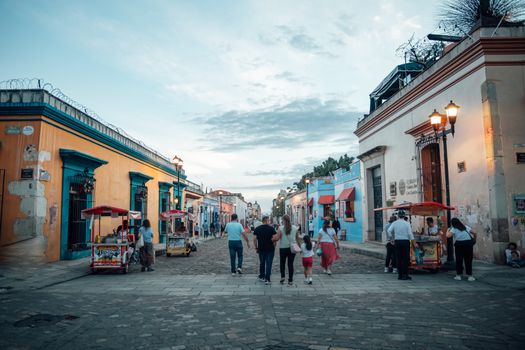
When you think of Central America, you might picture bustling markets and rugged landscapes. Antigua, however, offers a different kind of magic. This UNESCO World Heritage site, nestled between three volcanoes, is a perfectly preserved colonial city where cobblestone streets wind past vibrant facades and ancient ruins. It feels remarkably safe, with a strong sense of order and a community that values its unique heritage.
Antigua's Appeal: Safety Wrapped in History
- Peaceful Atmosphere: Despite its popularity, Antigua maintains a tranquil ambiance. The pedestrian-friendly streets and the presence of many expat and tourist communities contribute to a feeling of security.
- Community Watchfulness: Locals and business owners are often highly aware of their surroundings, creating a natural sense of collective safety.
- Volcanic Majesty, Gentle Presence: The imposing volcanoes surrounding Antigua are a constant, awe-inspiring backdrop, yet the city itself feels grounded and secure.
- Rich Heritage, Accessible Delights: Explore the ruins of Santa Catalina Arch, climb the Cerro de la Cruz for panoramic views, and indulge in some of the world's best coffee at charming cafes.
Pro-Tip: To truly appreciate the city's layout and history, take a guided walking tour. Many offer insights into the earthquake-resistant architecture and the stories behind the colorful buildings. Visit the local jade factories for ethically sourced souvenirs.
Quick Facts: Antigua, Guatemala
| Category | Details | | :-------------- | :---------------------------------------------------------------------- | | Estimated Cost ($) | $50 - $80 per day (budget-friendly to mid-range) | | Best Time to Visit | November - April (Dry Season) | | How to Get There | Fly into La Aurora International Airport (GUA) in Guatemala City, then a 1-hour shuttle or taxi. |
The Coastal Gem: Valparaíso, Chile
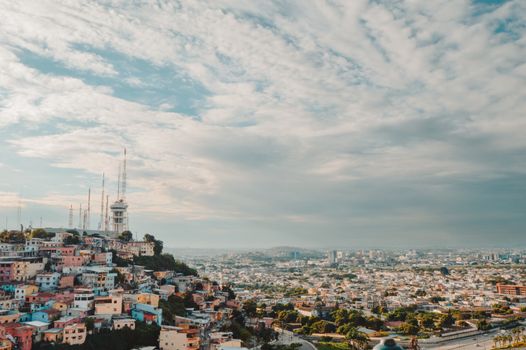
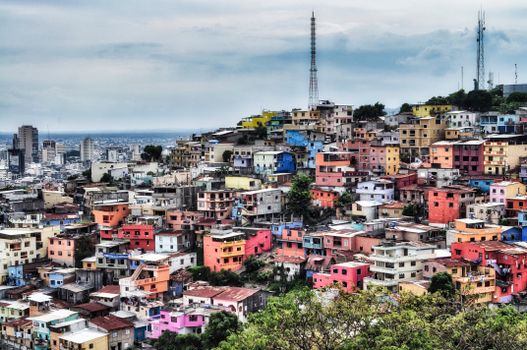
Often overshadowed by its more polished neighbor, Santiago, Valparaíso is a bohemian masterpiece. This vibrant port city cascades down steep hillsides, a kaleidoscope of brightly painted houses, quirky street art, and winding ascensores (funiculars). While it has a gritty artistic edge, Valparaíso is surprisingly safe for explorers, especially in its most frequented cerros (hills).
Valparaíso's Unique Blend of Art and Security
- Art as a Deterrent: The ubiquitous and incredible street art acts as a visual deterrent to crime, transforming public spaces into open-air galleries.
- Strong Local Identity: Valparaíso's residents are fiercely proud of their city and are often protective of its unique character.
- Navigating the Hills Safely: While some of the more remote areas might require caution, the main tourist cerros like Cerro Alegre and Cerro Concepción are well-trafficked and feel very secure, especially during the day.
- A Feast for the Senses: Get lost in the labyrinthine streets, ride the historic ascensores, enjoy fresh seafood overlooking the Pacific, and soak in the bohemian atmosphere.
Pro-Tip: Take an ascensor up to Cerro Concepción and then wander down through Cerro Alegre. Look for the hidden staircases adorned with mosaics and murals. For dinner, seek out a restaurant with a view of the bay – the sunsets are spectacular.
Quick Facts: Valparaíso, Chile
| Category | Details | | :-------------- | :---------------------------------------------------------------------- | | Estimated Cost ($) | $70 - $120 per day (mid-range, depending on dining choices) | | Best Time to Visit | October - April (Spring and Summer) | | How to Get There | Fly into Santiago International Airport (SCL), then a 1.5-hour bus ride. |
The Andean Oasis: Cuenca, Ecuador
Cuenca is often cited as one of the most beautiful cities in South America, and it lives up to the hype. This colonial marvel, set in a valley in the Andes, boasts stunning architecture, a vibrant indigenous culture, and a remarkably peaceful environment. It's a city where you can stroll through plazas, visit artisanal workshops, and enjoy the crisp mountain air with a genuine sense of ease.
Cuenca's Tranquil Charm and Safety
- High Quality of Life: Cuenca consistently ranks high in expat surveys for its safety, affordability, and quality of life.
- Well-Patrolled and Maintained: The historic center is meticulously maintained and generally well-patrolled, making it a pleasure to explore on foot.
- Friendly and Welcoming: The locals are known for their politeness and hospitality, contributing to a warm and secure atmosphere.
- Cultural Immersion: From the intricate Panama hat weaving to the impressive cathedral, Cuenca offers deep cultural immersion without the overwhelm.
Pro-Tip: Visit the Panama Hat Museum (Museo del Sombrero de Paja Toquilla) to understand the intricate craftsmanship involved. For a taste of local life, wander through the Mercado 10 de Agosto for fresh produce and local delicacies. Try mote pillo, a scrambled egg dish with hominy.
Quick Facts: Cuenca, Ecuador
| Category | Details | | :-------------- | :---------------------------------------------------------------------- | | Estimated Cost ($) | $45 - $75 per day (very budget-friendly to mid-range) | | Best Time to Visit | March - December (dry season has more consistent weather, but it's generally pleasant year-round) | | How to Get There | Fly into Mariscal Lamar International Airport (CUE) in Cuenca, or fly into Quito (UIO) and take a domestic flight or bus. |
The Caribbean Haven: San Juan, Puerto Rico (US Territory)
While technically a US territory, San Juan offers a distinct Latin Caribbean experience that deserves a spot on this list. Old San Juan, with its cobblestone streets, colorful Spanish colonial buildings, and ancient fortresses, feels incredibly safe and is a joy to explore. The city has made significant strides in tourism infrastructure and safety, making it an accessible and secure option for travelers.
San Juan's Blend of History and Security
- Familiar Infrastructure: As a US territory, many familiar safety standards and infrastructure are in place.
- Historic Charm, Modern Safety: Old San Juan is a pedestrian's paradise, with well-lit streets and a strong police presence in tourist areas.
- Fortress of Safety: The historic forts, Castillo San Felipe del Morro and Castillo San Cristóbal, are not just historical marvels but also represent a sense of enduring security.
- Vibrant Culture, Easy Access: Enjoy the lively music scene, delicious mofongo, and the stunning beaches, all within a secure and accessible environment.
Pro-Tip: Rent a bike and cycle along the Paseo de la Princesa in Old San Juan at sunset. For an authentic culinary experience, venture slightly outside the main tourist drags to find local kioskos serving delicious Puerto Rican street food.
Quick Facts: San Juan, Puerto Rico
| Category | Details | | :-------------- | :---------------------------------------------------------------------- | | Estimated Cost ($) | $80 - $150 per day (can vary widely based on accommodation and dining) | | Best Time to Visit | December - May (Dry Season) | | How to Get There | Numerous direct flights to Luis Muñoz Marín International Airport (SJU). |
Beyond the Headlines: A New Perspective
The narrative about safety in Latin America is changing, and for good reason. These cities, and many others, are not just surviving; they are thriving, offering incredible travel experiences that are both enriching and, crucially, safe. It’s about looking beyond the sensationalized news and embracing the reality of places that welcome visitors with open arms, vibrant cultures, and a genuine sense of security.
So, pack your bags, do your research, and get ready to discover the unexpected beauty and safety that awaits you in Latin America. The adventure is calling, and it's safer than you think.
More pictures
Tags
Share this guide
We may earn a commission if you click a link and buy a product or service, at no extra cost to you. How affiliate links work.
Been there?