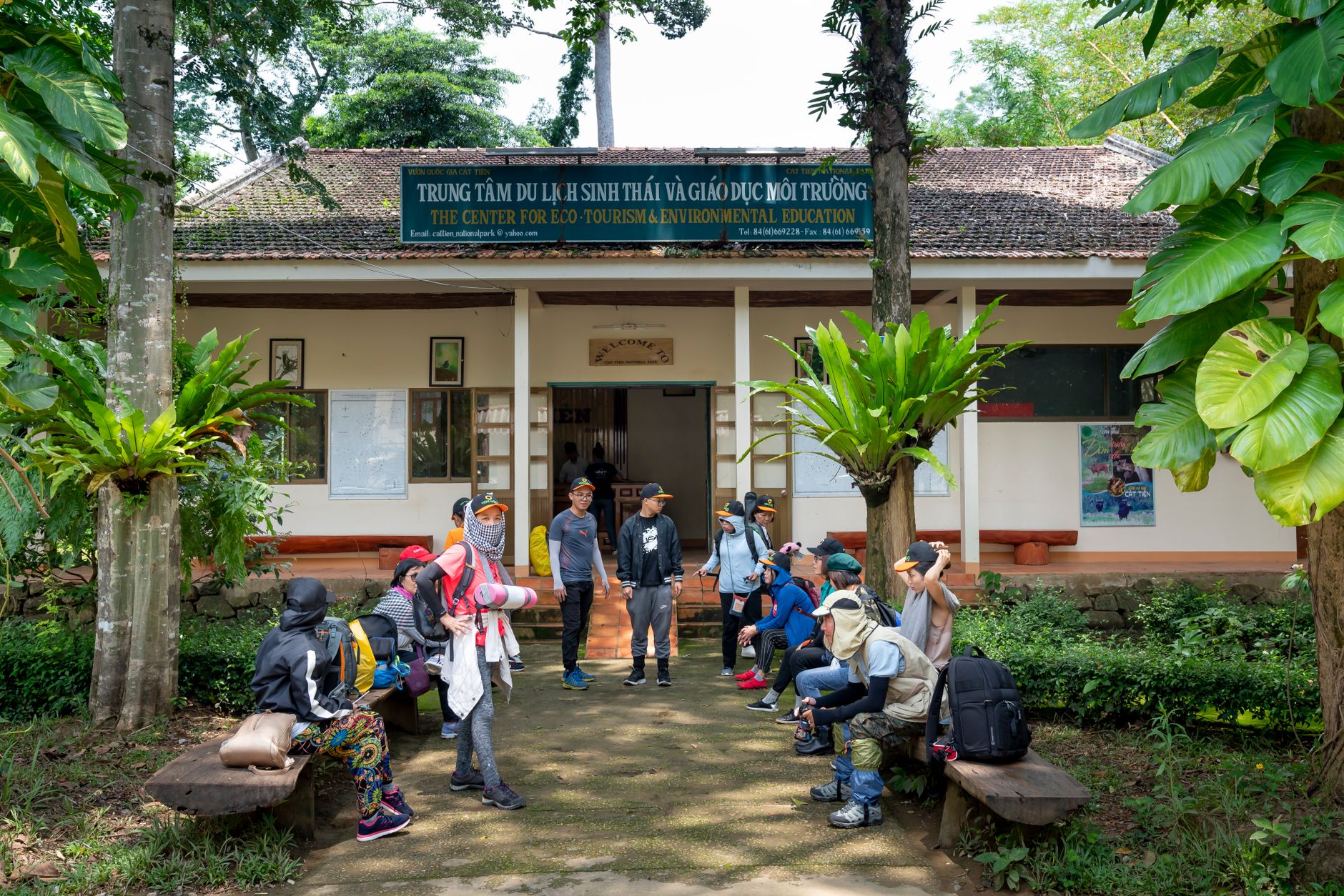
Skip the standard language-learning apps and hit the trail. This definitive guide spotlights six extraordinary, community-backed language preservation projects around the globe where travelers can actively participate in rescuing endangered languages—from the storm-swept coastlines of the Isle of Skye to the volcanic slopes of Hawaiʻi. ---
The Acoustic Frontier: Why Your Next Trip Should Feature Language Revitalization
I stepped out of the drizzle and into a wood-paneled tavern in Amorebieta, a quiet valley town in the Basque Country. The air smelled sharply of woodsmoke, wood-aged cider, and the earthy, nutty aroma of curing Idiazabal cheese. Around the counter, three generations of locals were locked in animated conversation. But they weren't speaking Spanish. They were speaking Euskara—a pre-Indo-European language isolate with zero known linguistic relatives on Earth. The consonants rolled off their tongues with a rhythmic, sibilant snap, entirely alien to my Romance-trained ears.
When I tentatively uttered my first clumsy phrase—"Egun on, txakoli bat, mesedez" (Good morning, a glass of txakoli wine, please)—the bartender stopped drying his glass. His face split into a wide grin. He didn't just hand me a drink; he handed me an invitation to sit, talk, and learn.
Tourism often commodifies landscapes, but language preservation projects do the opposite: they invite you into the living memory of a place. According to UNESCO, a language dies every two weeks, taking with it irreplaceable ecological knowledge, oral histories, and unique ways of understanding human existence.
Fortunately, a new wave of localized travel initiatives is flipping the script. Across the globe, grassroots projects are flinging their doors open to curious travelers, offering intensive immersion stays, community workshops, and cultural exchanges. If you want a trip that leaves a lasting positive footprint, here are six extraordinary language preservation projects welcoming learners worth considering right now.
---
1. Zornotzako Barnetgia: Unlocking Basque in the Mountains of Euskadi
The Mission
Located in the lush green foothills of Biscay, Spain, Zornotzako Barnetgia is a dedicated immersion center focused entirely on Euskara (the Basque language). Euskara survived millennia of isolation, the Roman invasion, and harsh 20th-century suppression. Today, it stands as Europe's ultimate linguistic puzzle.
``` /│\ / │ \ BASQUE COUNTRY (EUSKADI) / │ \ Language: Euskara (Isolate) /______│______\ Key Hub: Amorebieta-Etxano │ ```
The Learner Experience
Unlike traditional language schools, a barnetgi is a residential immersion ecosystem. You live, eat, and breathe Basque alongside local students, instructors, and community elders. Mornings are spent mastering ergative case endings and verb conjugations; afternoons are dedicated to hiking through the limestone peaks of Urkiola Natural Park or touring local agricultural collectives (baserriak).
- Linguistic Insight: Euskara is an ergative-absolutive language. The subject of an intransitive verb behaves differently than the subject of a transitive verb—a mind-bending concept for English speakers that completely reshapes how you perceive action and responsibility.
- Pro-Tip: Skip the weekend tourist crowd in Bilbao. Take the E1 train line 25 minutes east to Amorebieta-Etxano on Thursday evenings to catch Poteo—the local tradition of moving from bar to bar sipping small glasses of wine while practicing conversational Basque with locals.
---
2. Sabhal Mòr Ostaig: Preserving Scottish Gaelic on the Isle of Skye
The Mission
Perched above the sleek waters of the Sound of Sleat on the Isle of Skye, Sabhal Mòr Ostaig is the world’s premier center for Scottish Gaelic (Gàidhlig). Founded in 1973 in renovated 19th-century farm steading buildings, this National Centre for Gaelic Language and Culture has transformed Skye’s Sleat peninsula into a thriving Gaeltacht (Gaelic-speaking community).
``` ┌──────────────────────────────────────────────┐ │ SABHAL MÒR OSTAIG - ISLE OF SKYE │ │ Focus: Scottish Gaelic (Gàidhlig) │ │ Vibe: Sea fog, fiddle tunes & peat fires │ └──────────────────────────────────────────────┘ ```
The Learner Experience
Sabhal Mòr Ostaig runs short-course summer schools and year-round short residential workshops designed specifically for beginners and international visitors. You aren't just sitting in a classroom; you are singing traditional waulking songs, participating in late-night cèilidhs in the college bar, and learning the deep botanical terms original Gaelic speakers used to describe the Scottish Highlands.
- Linguistic Insight: Gaelic uses initial consonant mutation (lenition). The word for "cat" (cat) transforms into chati depending on the preposition preceding it.
- Pro-Tip: Book a room in the campus accommodation overlooking the water. Set your alarm for 6:30 AM to walk down to the old stone pier at Armadale Castle nearby before the tour buses arrive; the quiet sea air makes practicing your guttural r sounds much less intimidating!
---
3. Nant Gwrtheyrn: The Resurrected Quarry Village of Wales
The Mission
Tucked inside an isolated, amphitheater-like valley on the Llyn Peninsula, Nant Gwrtheyrn (known locally as "Nant") is perhaps the most dramatic language school on Earth. Once a derelict 19th-century granite quarrying village, it was rescued from collapse and painstakingly rebuilt into a state-of-the-art Welsh (Cymraeg) language center.
``` _ _ ( \/ ) .---. \ / .---. / \ \/ / \ NANT GWRTHEYRN | () | | () | Llyn Peninsula, Wales \ / \ / Welsh Language Center '---' '---' ```
The Learner Experience
Because of the steep cliffs behind it and the Irish Sea in front, Nant Gwrtheyrn has virtually no cellular service—creating a natural bubble for immersion. Learners stay in restored quarrymen’s cottages, attend small-group conversational classes, and gather at the on-site Caffi Cwm for traditional cawl (a rich lamb and leek stew).
- Linguistic Insight: Welsh is a VSO language (Verb-Subject-Object). Instead of saying "I have a car," you say "Y mae gennyf gar"—literally, "Is with me a car."
- Pro-Tip: Look for the hidden stone path behind the cottage row marked Llwybr y Môr. It leads down to a secluded pebble beach where you can practice reading Welsh poetry aloud against the roar of the waves without a single soul hearing you.
---
4. Ka Haka ʻUla O Keʻelikōlani: Native Hawaiian Immersion in Hilo
The Mission
On the Big Island of Hawaiʻi, the Hawaiian language (ʻŌlelo Hawaiʻi) experienced one of the most remarkable comebacks in modern history thanks to the Pūnana Leo (language nests) movement. At the college of Ka Haka ʻUla O Keʻelikōlani at the University of Hawaiʻi at Hilo, language preservation isn't an academic exercise—it is an act of cultural sovereignty and ecological restoration.
``` ~ ~ ~ ~ ~ ~ ~ ~ ~ ~ ~ ~ ~ ~ ~ ~ [ KA HAKA ʻULA O KEʻELIKŌLANI ] [ Hilo, Big Island, HI ] ~ ~ ~ ~ ~ ~ ~ ~ ~ ~ ~ ~ ~ ~ ~ ~ \ ʻŌlelo Hawaiʻi Immersion / \ Land & Language Unity / ```
The Learner Experience
For travelers, engaging with ʻŌlelo Hawaiʻi means looking beyond Waikiki resorts. Visitors can participate in community-led voluntourism days alongside native speakers, clearing invasive species from traditional taro patches (loʻi) and coastal fishponds (loko iʻa). As you step barefoot into the cool mud, instructors teach you the specific vocabulary for cloud formations, wind directions, and agricultural techniques that exist only in ʻŌlelo Hawaiʻi.
- Linguistic Insight: Hawaiian features only 13 phonemes (five vowels and eight consonants, including the ʻokina/glottal stop). A single missing ʻokina completely changes a word's meaning: aliʻi means chief, while alii is not a word at all.
- Pro-Tip: Head to the Hilo Farmers Market early on Wednesday mornings. Seek out the elders selling native ferns and fruit; greeting them respectfully with "Aloha kakahiaka" and showing a genuine interest in proper pronunciation often opens the door to incredible conversations.
---
5. Sajos Cultural Centre: Arctic Wisdom in Sápmi (Inari, Finland)
The Mission
Located deep within the Arctic Circle on the shores of Lake Inari, Sajos is the administrative and cultural heart of the Sámi people in Finland. It serves as the home of the Sámi Parliament and a crucial sanctuary for three distinct Sámi languages: Northern Sámi, Inari Sámi, and Skolt Sámi. Inari Sámi, in particular, is an endangered language that has been systematically revived through intensive local adult-education initiatives.
```
- ARCTIC CIRCLE
========================================= SAJOS CULTURAL CENTRE | INARI, FINLAND Languages: Inari, Skolt & Northern Sámi ========================================= ```
The Learner Experience
Sajos hosts cultural workshops, film festivals (such as the Skábmagovat Indigenous Film Festival), and seasonal language seminars accessible to eco-travelers. Visitors learn how the Sámi language contains over 300 distinct words for snow, ice, and reindeer track patterns—a linguistic inventory that acts as a precision tool for surviving extreme Arctic environments.
- Linguistic Insight: Sámi languages do not use a future tense. Events are framed through context, aspects of completion, and relationship to the present—a philosophical perspective where the future is an extension of current actions rather than a distant container.
- Pro-Tip: Visit during late January or early February for the indigenous film festival. Rent cross-country skis from the village center and glide out onto Lake Inari at dusk under the Northern Lights while listening to recorded Sámi joik (vocal folk art) available at the Sajos library archive.
---
6. Te Ataarangi & Marae Stays: The Silent Method for Te Reo Māori
The Mission
In New Zealand (Aotearoa), Te Ataarangi is a groundbreaking movement established in the late 1970s to restore Te Reo Māori to homes and communities. Utilizing the "Silent Way" technique—using colored Cuisenaire rods (rākau) without written texts or English translations—this project has taught tens of thousands of adults to speak Māori fluently.
``` /=========================================\ | TE ATAARANGI & MARAE IMMERSION PROGRAM | | Location: Rotorua / East Cape, NZ | | Method: Rākau (Silent Way Visuals) | \=========================================/ ```
The Learner Experience
Travelers seeking an authentic experience can participate in open community wānanga (learning hui/gatherings) and educational stays at local marae (traditional tribal meeting grounds), particularly around Rotorua and the East Cape. You will learn the complex protocol (tikanga) of entering a marae, master basic greetings (kia ora, tēnā koe), and absorb the language through shared work, cooking, and storytelling.
- Linguistic Insight: Te Reo Māori employs inclusive and exclusive pronouns. Tātou means "we" (including the listener), while mātou means "we" (excluding the listener)—preventing social ambiguity from the start.
- Pro-Tip: Before attending a marae stay or workshop, learn your pepeha (a formal intro detailing your ancestral mountain, river, and family origins). Reciting your pepeha in basic Māori shows profound respect for local customs and immediately marks you as a conscientious traveler.
---
Logistics & Planning Matrix
To help you plan your linguistic journey, here is a breakdown of program details, costs, and transport options across all six featured destinations:
| Destination & Project | Target Language | Best Time to Visit | Est. Weekly Cost ($ USD) | How to Get There | | :--- | :--- | :--- | :--- | :--- | | Zornotzako Barnetgia<br>(Biscay, Spain) | Euskara (Basque) | May – September | $450 - $700 (Includes lodging & meals) | Fly to Bilbao (BIO), take the E1 Euskotren directly to Amorebieta. | | Sabhal Mòr Ostaig<br>(Isle of Skye, Scotland) | Scottish Gaelic | June – August | $650 - $950 (Short-course tuition + room) | Train from Glasgow to Mallaig, ferry to Armadale (Skye), walk 1 mile. | | Nant Gwrtheyrn<br>(Llyn Peninsula, Wales) | Welsh | April – October | $550 - $850 (Course fee + cottage stay) | Train to Pwllheli, then take a local taxi/bus to Llithfaen village. | | Ka Haka ʻUla<br>(Hilo, Hawaiʻi) | ʻŌlelo Hawaiʻi | Year-round | $200 - $500 (Voluntourism / Workshops) | Fly directly into Hilo International Airport (ITO); rent a car. | | Sajos Cultural Centre<br>(Inari, Finland) | Inari / Northern Sámi | Jan – March (Snow) / Sept (Autumn) | $400 - $800 (Workshops + local stay) | Fly to Ivalo (IVL), take the 30-minute airport express bus north to Inari. | | Te Ataarangi / Marae<br>(Rotorua, New Zealand)| Te Reo Māori | October – April | $300 - $600 (Community koha / fees) | Fly to Auckland (AKL), take a 3-hour intercity bus or drive to Rotorua. |
---
Practical Rules for the Ethical Linguistic Traveler
- Approach with Humility, Not Ownership: You are not "saving" the language yourself; local community members who have fought for decades against cultural assimilation are doing that. You are there to listen, support, and learn.
- Offer a Koha (Contribution): When visiting indigenous communities or small non-profits, always contribute—whether financially, through physical volunteer labor, or by buying locally produced learning resources.
- Accept Imperfection: You will stumble over phonemes. You will mispronounce basic words. Embrace the awkwardness; locals invariably prefer clumsy respect over fluent indifference.
- Take the Language Home: Don't let your learning stop when your flight departs. Continue supporting these non-profits online, stream local language radio stations, and buy books published by these independent community presses.
---
More pictures


Tags
Share this guide
We may earn a commission if you click a link and buy a product or service, at no extra cost to you. How affiliate links work.
Been there?