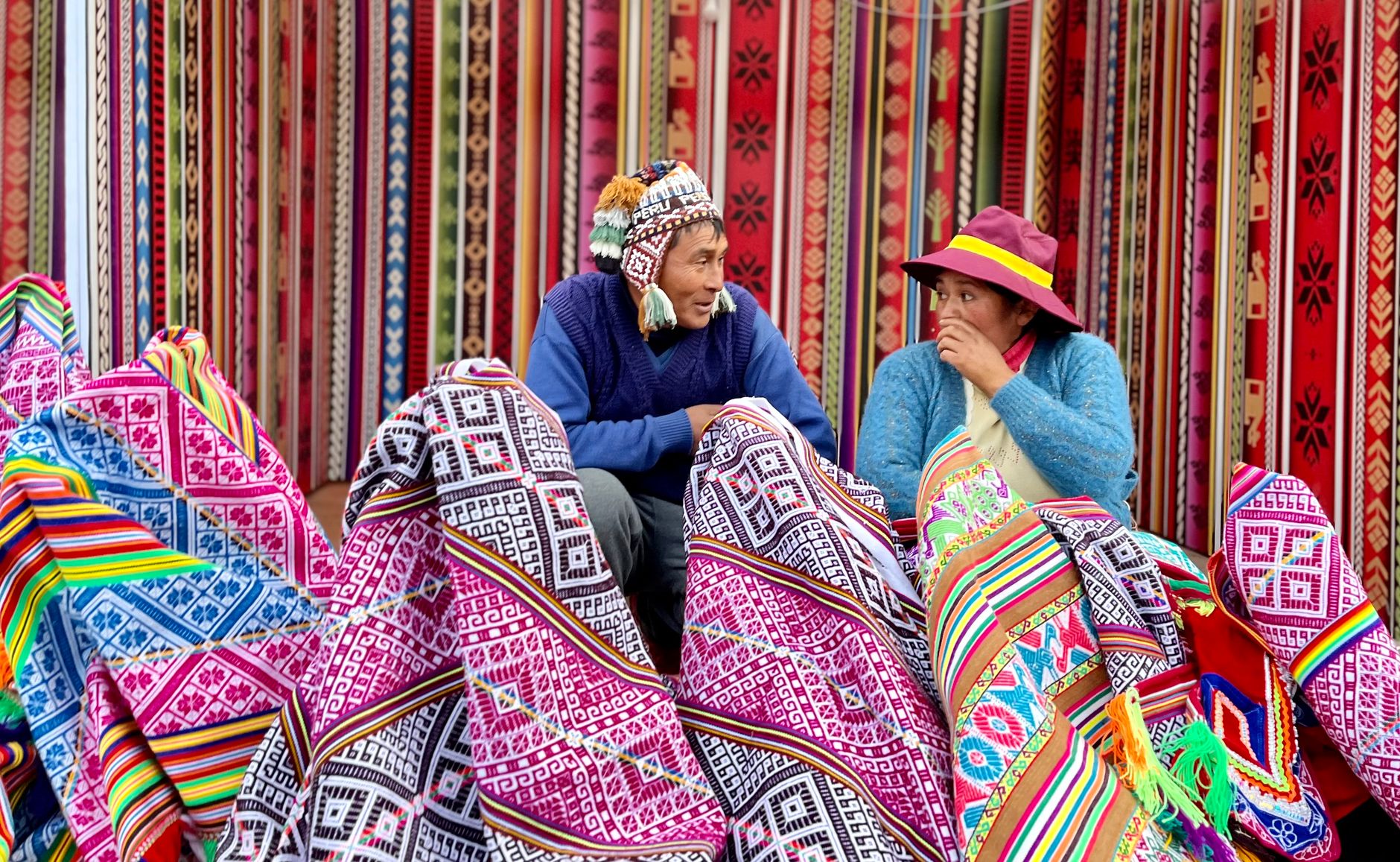
Ready for travel that truly *matters*? Forget surface-level sightseeing. We're diving deep into Indigenous tourism where your adventure directly fuels local communities through innovative profit-sharing. Think life-changing experiences, not just postcards.
The Whispers of the Ancestors: A Journey Beyond the Postcard
I stepped off the small propeller plane, the air thick with the scent of eucalyptus and damp earth, a perfume unlike any I’d encountered in the sterile airports of my usual travels. The hum of cicadas was a constant, vibrant pulse, punctuated by the distant, rhythmic beat of a drum. Before me, a cluster of traditional dwellings, their thatched roofs shimmering under the afternoon sun, sat nestled against a backdrop of ancient, emerald-green rainforest. This wasn't a curated exhibit; this was life. And as I was greeted by a warm smile and a hand extended in welcome, I knew this journey was about to redefine what "travel" truly meant. This is the essence of Indigenous tourism, especially when guided by the wisdom of travel advisors who champion profit-sharing models – a way to experience the world that honors its custodians and enriches their future.
Why "Profit-Sharing" is the New Frontier in Ethical Travel
For too long, tourism has operated on a model where the benefits often bypass the very communities whose heritage is being showcased. We’ve all seen the photos, the iconic landmarks, but how much of that tourist dollar actually trickles down to the people who call these places home? That’s where the game-changers in the travel advisor world come in. They’re not just booking flights; they’re curating journeys that build bridges and foster genuine economic empowerment.
Profit-sharing models in Indigenous tourism are revolutionary. They ensure that a predetermined percentage of the revenue generated from your trip directly benefits the local community. This can manifest in various ways:
- Direct payments to community elders or families.
- Investment in local infrastructure (schools, healthcare).
- Funding for cultural preservation projects.
- Support for local artisans and craftspeople.
This isn't charity; it's a partnership. It's about acknowledging the immense value of Indigenous knowledge, culture, and land, and ensuring that those who protect and embody it reap the rewards of sharing it with the world.
Unveiling the Wisdom: Travel Advisors’ Top Picks for Profit-Sharing Indigenous Experiences
I’ve consulted with some of the sharpest minds in the travel industry, advisors who are passionate about responsible tourism and deeply committed to ethical practices. They’ve shared their insider knowledge on destinations and operators leading the way in profit-sharing Indigenous tourism.
1. The Heart of the Amazon: Empowering the Guardians of the Rainforest
Imagine waking to the symphony of the jungle, a chorus of unseen creatures serenading the dawn. My advisors rave about community-led eco-lodges deep within the Ecuadorian Amazon. These aren't your typical resorts. They are often built and managed by Indigenous communities, designed to blend seamlessly with the environment.
Pro-Tip: Look for lodges that explicitly state their profit-sharing agreements with the Kichwa or Waorani communities. This often means your stay directly funds their efforts in conservation and sustainable resource management.
- Insider Knowledge: The most authentic experiences often involve participating in traditional activities like learning about medicinal plants from a local shaman, joining a guided jungle trek with an elder who knows every rustle of leaf, or sharing a meal prepared with ingredients foraged that very morning. The subtle aroma of chontaduro palm fruit simmering is a memory I still savor.
- What to Expect: Simple, comfortable accommodations that prioritize sustainability. Expect to learn about intricate weaving techniques, ancient storytelling, and the profound spiritual connection these communities have with the forest.
Quick Facts: Amazonian Community Lodges
| Category | Details | | :--------------- | :------------------------------------------------------------------------ | | Estimated Cost ($) | $150 - $300 per person per night (all-inclusive) | | Best Time to Visit | Dry season (June-September) for easier jungle trekking, but wildlife is abundant year-round. | | How to Get There | Fly into Coca (OCC) from Quito, Ecuador. Lodge operators usually arrange river transport. |
2. The Land of the Aurora: Sami Culture and Sustainable Livelihoods in Norway
In the stark, breathtaking beauty of Northern Norway, the Sami people are custodians of ancient traditions and a deep understanding of the Arctic landscape. Travel advisors like Sarah from 'Nordic Roots Travel' are championing tours that directly support Sami reindeer herders and cultural centers.
Pro-Tip: Seek out tours that offer overnight stays in traditional Sami tents (lavvu) and include opportunities to learn about reindeer herding from the herders themselves. Many of these initiatives have formal agreements to share profits from tourism with the wider Sami community.
- Insider Knowledge: The taste of suovas (smoked reindeer meat) prepared over an open fire in a lavvu, accompanied by stories of the long Arctic winters, is an experience that seeps into your soul. The subtle, earthy notes of cloudberries served with cream are a revelation.
- What to Expect: Opportunities to learn about Sami handicrafts (like duodji), hear traditional joik singing, and understand the challenges and triumphs of maintaining a nomadic lifestyle in the modern world. The vibrant colors of the gákti (Sami national costume) are a feast for the eyes.
Quick Facts: Sami Cultural Experiences
| Category | Details | | :--------------- | :------------------------------------------------------------------------ | | Estimated Cost ($) | $200 - $400 per person for a full-day tour with meal and activities. | | Best Time to Visit | Winter (November-March) for Northern Lights and a true Arctic experience; Summer (June-August) for midnight sun and hiking. | | How to Get There | Fly into Tromsø (TOS) or Alta (ALF). Guided tours often include pick-up from these cities. |
3. The Outback's Soul: Aboriginal Experiences and Cultural Preservation in Australia
Australia's Indigenous heritage is one of the oldest continuous cultures on Earth. Travel advisors specializing in Australian travel are increasingly pointing travelers towards community-owned and operated cultural centers and tours in regions like the Red Centre and Arnhem Land.
Pro-Tip: Prioritize tours that are accredited by Indigenous tourism bodies and clearly outline their profit-sharing or direct community benefit models. Look for opportunities to engage with elders and learn about Dreamtime stories directly from the source.
- Insider Knowledge: The earthy, mineral scent of the desert after a rare rain is intoxicating. Learning about the intricate dot painting techniques, where each symbol carries profound meaning, and tasting bush tucker such as quandong or wattle seed, offers a glimpse into a millennia-old way of life.
- What to Expect: Guided walks explaining ancient land management practices, traditional art workshops, storytelling sessions that bring the Dreamtime to life, and insights into the challenges and resilience of Aboriginal communities. The ochre pigments used in their art are as ancient as the land itself.
Quick Facts: Australian Aboriginal Cultural Tours
| Category | Details | | :--------------- | :------------------------------------------------------------------------ | | Estimated Cost ($) | $100 - $250 per person for a half-day tour; multi-day experiences can range from $500-$1500+. | | Best Time to Visit | Shoulder seasons (April-May, September-October) for milder temperatures. | | How to Get There | Depends on the region; major gateways include Alice Springs (ASP) for the Red Centre and Darwin (DRW) for Arnhem Land. |
4. The Andean Heights: Quechua Communities and Sustainable Farming in Peru
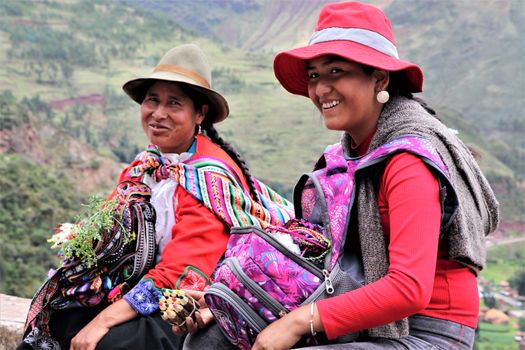
Beyond Machu Picchu lies a treasure trove of living Indigenous cultures. Advisors like Maria from 'Andean Pathways' highlight community-based tourism initiatives in the Sacred Valley and surrounding regions of Peru that directly benefit Quechua communities through profit-sharing.
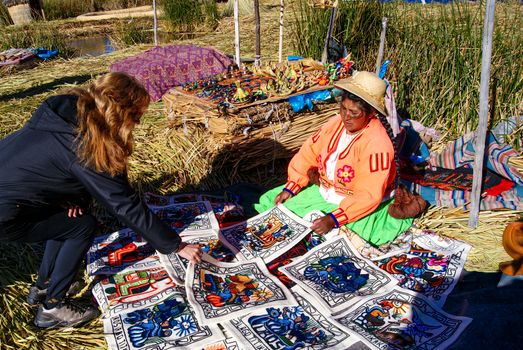
Pro-Tip: Engage with co-operatives that focus on sustainable agriculture and handicrafts. These often have transparent profit-sharing models that support local farmers and artisans, preserving traditional farming methods and textile arts.
- Insider Knowledge: The crisp, thin air of the Andes carries the scent of quinoa and potatoes, staples of the Quechua diet for centuries. Witnessing the vibrant, hand-woven textiles, each pattern telling a story passed down through generations, is a humbling experience. The subtle sweetness of chicha de jora (fermented corn drink) is something to be savored.
- What to Expect: Opportunities to participate in traditional farming, learn about ancient weaving techniques using natural dyes, share meals with local families, and gain a deeper understanding of Quechua cosmology and their deep connection to Pachamama (Mother Earth).
Quick Facts: Quechua Community Experiences
| Category | Details | | :--------------- | :------------------------------------------------------------------------ | | Estimated Cost ($) | $80 - $180 per person for a day tour with activities and lunch. | | Best Time to Visit | Dry season (May-October) for clear skies and easier trekking. | | How to Get There | Fly into Cusco (CUZ). Tours typically depart from Cusco or the Sacred Valley. |
Navigating the Ethical Compass: What Travel Advisors Look For
When I ask my trusted travel advisors what makes an Indigenous tourism operator truly ethical, a few key points consistently emerge:
- Community Ownership and Governance: Is the operation genuinely owned and managed by the Indigenous community? Are decisions made with the community, not for them?
- Transparent Profit-Sharing Agreements: Is there a clear, documented model for how profits are distributed back to the community?
- Cultural Respect and Authenticity: Does the experience prioritize genuine cultural exchange over performance or commodification? Is the narrative controlled by the Indigenous people themselves?
- Environmental Stewardship: Does the operation adhere to sustainable practices that protect the natural environment, which is often intrinsically linked to Indigenous culture?
- Fair Wages and Working Conditions: Are local community members employed fairly and with respect?
Pro-Tip: Don't be afraid to ask direct questions! A reputable operator will be happy to share details about their community partnerships and profit-sharing models.
Beyond the Transaction: The Profound Impact of Your Travel Choices
Choosing Indigenous tourism with profit-sharing models isn't just about having an incredible vacation; it's about actively participating in a more equitable and respectful form of global travel. It’s about recognizing that the most valuable insights, the most profound stories, and the most breathtaking landscapes are often best understood and appreciated through the eyes of those who have been their stewards for millennia.
When you choose to travel this way, you’re not just a tourist; you’re a partner. You’re contributing to the preservation of ancient cultures, the empowerment of local economies, and the protection of our planet’s most precious natural wonders. You’re leaving behind a positive footprint, one that resonates far beyond your departure.
This is the future of travel – conscious, connected, and deeply meaningful. And the best part? It leads to experiences that will stay with you long after the scent of eucalyptus has faded from your memory.
More pictures


Tags
Share this guide
We may earn a commission if you click a link and buy a product or service, at no extra cost to you. How affiliate links work.
Been there?