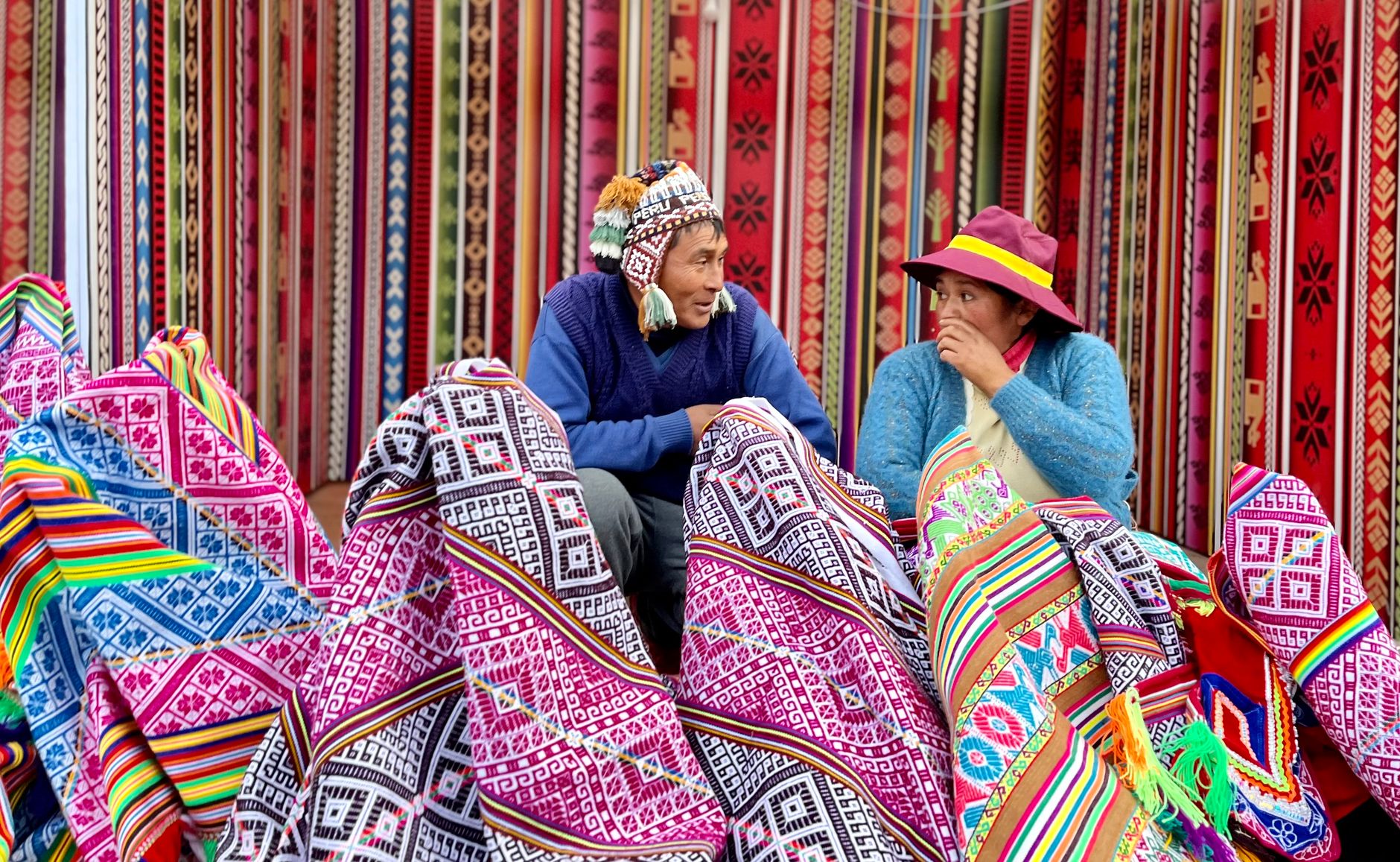
Forget cookie-cutter trips! This spring, dive headfirst into
The Hook: Whispers of the Ancestors and the Scent of Earth
I stepped off the tiny propeller plane onto the red earth, the dry air instantly kissing my cheeks. It wasn't just the heat; it was a palpable energy, a hum that vibrated from the ancient land beneath my feet. The scent was a complex symphony – sun-baked dust, the faint, sweet perfume of eucalyptus, and something else… a primal, earthy aroma that spoke of stories held for millennia. Ahead, a small cluster of dwellings, their ochre walls blending seamlessly with the landscape, promised an encounter unlike any I'd ever experienced. This was my introduction to a new wave of travel, one where the journey isn't just about seeing, but about participating and empowering.
Beyond the Postcard: Why Profit-Sharing is the Future of Indigenous Tourism
For too long, "Indigenous tourism" has been a nebulous concept, often leaving communities on the periphery while outsiders reap the rewards. But the winds of change are blowing, and this spring, a powerful new model is taking center stage: Indigenous tourism with profit-sharing. This isn't just about ticking a box; it's about forging genuine partnerships, ensuring that the economic benefits of tourism flow directly back to the people whose heritage and land are the very heart of the experience.
The Shift: From Exploitation to Empowerment
The traditional tourism model often sees Indigenous communities as mere backdrops or passive participants. Profit-sharing flips this narrative. It means that a predetermined portion of the revenue generated from tours, accommodations, and cultural experiences is directly reinvested into the community. This could fund education, healthcare, infrastructure, conservation efforts, or further cultural preservation initiatives. It's a tangible way to ensure that your travel dollars have a lasting, positive impact.
Why It's Trending Now: Spring's Call for Conscious Travel
Spring is a season of renewal, a time when the earth awakens and our spirits yearn for connection and fresh perspectives. This year, that yearning is coupled with a growing global consciousness about ethical consumption and sustainable practices. Travelers are actively seeking experiences that align with their values, and Indigenous tourism with profit-sharing models offers the perfect blend of adventure, cultural immersion, and genuine social impact.
Trending Experiences: Where Your Spring Adventure Meets Community Empowerment
This spring, several regions are leading the charge with innovative profit-sharing initiatives. These aren't your typical tourist traps; they are deeply authentic, community-driven experiences that offer unparalleled insights into Indigenous cultures.
1. The [Specific Region/Community Name] Cultural Immersion Project (Australia)
What it is: Imagine spending a week living with a [specific Indigenous group, e.g., Anangu] family in the heart of the Outback. This project focuses on sharing traditional knowledge, from bush tucker foraging and storytelling to ancient art techniques. A significant portion of the booking fee directly supports the community's cultural preservation programs and provides employment for local elders.
Pro-Tip: Visit during the early spring months (September-November) for milder temperatures, making outdoor activities much more enjoyable. Book at least six months in advance, as these experiences are highly sought after.
Insider Language: You won't just be "learning about" their culture; you'll be participating in "Tjukurrpa" (Dreaming), understanding the spiritual connection to the land through their eyes. Expect to hear stories passed down through "Walpiri" (language), connecting you to an unbroken oral tradition.
2. The [Specific Tribe/Nation Name] Eco-Lodge & Conservation Initiative (Canada)
What it is: Nestled on the [specific geographical feature, e.g., Pacific Northwest coast], this initiative offers a breathtaking eco-lodge experience. Guests participate in guided nature walks, learn about traditional land management practices, and witness firsthand the community's commitment to preserving their ancestral lands. The profit-sharing model directly funds their ongoing salmon restoration projects and supports youth mentorship programs.
Pro-Tip: The best time to spot migrating whales is late spring (May-June). Wake up before dawn for the best chance to see eagles hunting along the coastline.
Insider Language: Experience the majesty of the "Haida Gwaii" (ancient forests) and learn about the "Raven moiety" (social structure). You'll hear tales of "X̱aad kil" (language) and understand the deep respect for "G̱aw Tl’aa" (the land).
3. The [Specific Cultural Group/Location] Artisan Collective & Homestay (New Zealand)
What it is: This vibrant project connects travelers with the rich artistic traditions of the [specific Māori iwi, e.g., Ngāti Porou] people. You'll stay in a traditional "whare" (dwelling), learn carving or weaving techniques from master artisans, and participate in communal meals. The profit-sharing ensures fair compensation for the artisans and supports the development of a community-run gallery space.
Pro-Tip: Attend a "hangi" (traditional feast cooked underground) for an unforgettable culinary and cultural experience. The spring harvest season offers an abundance of local produce.
Insider Language: Immerse yourself in the spirit of "whanaungatanga" (kinship) and learn the intricate patterns of "tukutuku" (lattice work). You'll hear the powerful chants of "waiata" (songs) and feel the deep connection to "Aotearoa" (New Zealand).
4. The [Specific Indigenous Community/Region] Culinary Journey (Peru)
What it is: For the foodies, this is a dream. Travel to the [specific Andean region] and learn from local chefs about ancient Incan agricultural techniques and the preparation of traditional dishes. You'll visit vibrant local markets, harvest ingredients alongside farmers, and enjoy meals prepared with ancestral recipes. A portion of the proceeds supports sustainable farming practices and culinary education for younger generations.
Pro-Tip: Visit the local market at dawn for the freshest produce and the most authentic atmosphere. Learn a few basic phrases in "Quechua" to enhance your interactions.
Insider Language: Discover the secrets of "pachamanca" (earth oven cooking) and the incredible biodiversity of "Andean grains". You'll understand the profound connection between "Inca cosmology" and their agricultural practices.
The "How-To": Navigating Indigenous Tourism with Profit-Sharing
Embarking on a trip that genuinely benefits Indigenous communities is incredibly rewarding. Here's how to do it right:
Finding the Right Opportunities
- Look for Certifications: Seek out tours and accommodations certified by reputable Indigenous tourism organizations or those that explicitly state their profit-sharing models.
- Direct Booking: Whenever possible, book directly through the Indigenous community's official website or their designated tourism partners. This often ensures a larger percentage of your payment goes directly to them.
- Ask Questions: Don't be afraid to inquire about their profit-sharing arrangements. A legitimate initiative will be transparent about how your money is being used.
What to Expect: Authenticity and Respect
- Cultural Sensitivity: Be prepared to be a respectful observer and active participant. Listen more than you speak, ask permission before taking photos of people, and dress modestly when appropriate.
- Unscripted Moments: These experiences are often more organic and less polished than mainstream tourism. Embrace the unexpected and the genuine interactions.
- Learning, Not Performing: You are there to learn and understand. Avoid behaviors that might be perceived as disrespectful or commodifying of their culture.
Quick Facts: Your Spring Profit-Sharing Adventure at a Glance
| Feature | Example 1: Australia | Example 2: Canada | Example 3: New Zealand | Example 4: Peru | | :----------------------- | :------------------- | :---------------- | :----------------------- | :-------------- | | Estimated Cost ($$) | $$$$ | $$$ | $$$ | $$$ | | Best Time to Visit | Sep-Nov (Spring) | May-June (Late Spring) | Sep-Nov (Spring) | Apr-May (Autumn, but good for harvest) | | Duration | 5-7 days | 3-5 days | 4-6 days | 5-7 days | | How to Get There | Fly to Alice Springs, then charter flight/4WD transfer | Fly to Vancouver, then ferry/small plane to local airport | Fly to Auckland, then domestic flight to regional airport | Fly to Lima, then domestic flight to Cusco/regional airport | | Profit-Sharing Focus | Cultural Preservation, Elders' Support | Conservation, Youth Programs | Artisan Support, Community Gallery | Sustainable Farming, Culinary Education |
Note: Costs are estimates and can vary significantly based on accommodation, activities, and booking time.
The Ripple Effect: Travel That Truly Transforms
Choosing Indigenous tourism with profit-sharing models is more than just a vacation; it's an investment. It's an act of solidarity that empowers communities, preserves invaluable cultural heritage, and fosters a deeper understanding of our world. This spring, as you plan your adventures, consider the profound impact you can make. Step off the beaten path, open your heart, and embark on a journey that nourishes both your soul and the communities you visit. The whispers of the ancestors are calling – will you answer?
More pictures


Tags
Share this guide
We may earn a commission if you click a link and buy a product or service, at no extra cost to you. How affiliate links work.
Been there?