
Stop being a spectator and start being a stakeholder. The era of "look-but-don't-touch" tourism is dead. I’m taking you inside the world of high-impact, Indigenous-led travel where profit-sharing isn’t a buzzword—it’s the business model. From the depths of the Amazon to the rugged fjords of British Columbia, here is how to travel where your dollars actually build schools, protect ancestral lands, and empower the CEOs of the soil. ---
The Scent of Real Change
I stepped off the small, single-engine Cessna and was immediately hit by the scent of damp earth, crushed mint, and woodsmoke. This wasn't the sterile, air-conditioned "cultural center" I’d seen in brochures. This was the Pastaza province of the Ecuadorian Amazon, the ancestral home of the Achuar people. There were no fences here. There was no "gift shop" selling mass-produced trinkets made in a factory halfway across the world.
Instead, there was a hand-carved wooden sign and a man named Nanki, whose smile held the weight of a thousand years of history. "Welcome to Kapawi," he said. "You aren't just a guest; you are a partner in our survival."
That moment changed how I view travel. For decades, Indigenous communities were treated as "scenery" for the tourism industry. But right now, a revolution is happening. Indigenous tourism with profit-sharing models is the gold standard for the modern, conscious traveler. It’s about equity, sovereignty, and—quite frankly—a much better travel experience.
1. The Amazonian Blueprint: Kapawi Ecolodge, Ecuador
Kapawi isn’t just "near" an Indigenous community; it is owned by them. The Achuar people reclaimed this lodge from a private operator years ago, and today, 100% of the profits stay within the community to fund healthcare and education.
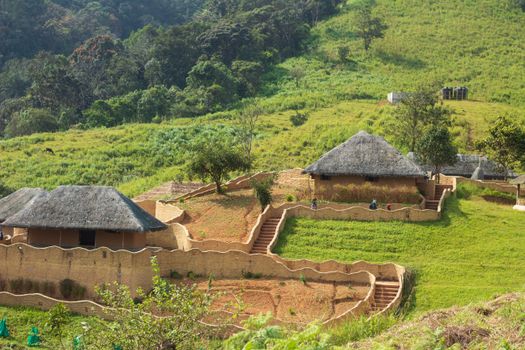
When you stay here, you aren't just watching a ritual; you are learning how the Achuar have used the ayahuasca vine and guayusa leaves for millennia. The architecture is strictly traditional—no nails, just vines and palm thatch—designed to be reclaimed by the jungle if the humans ever leave.
Pro-Tip: Don't just go for the birds. Ask for the "Dream Sharing" ceremony at 4:00 AM. It’s a quiet, profound ritual where the community interprets dreams over bowls of warm guayusa tea. It is the most authentic way to start a day in the rainforest.
2. Coastal Sovereignty: Klahoose Wilderness Resort, Canada
Deep in Desolation Sound, British Columbia, the Klahoose First Nation has built a sanctuary that rivals any five-star luxury lodge in the Alps. But here’s the kicker: every cent of profit is reinvested into the Klahoose community in Squirrel Cove.
The lodge is accessible only by boat or seaplane. I spent an afternoon there watching a grizzly bear forage for barnacles while a Klahoose guide explained the "Six Seasons" of their calendar. The air smelled of salt spray and ancient cedar. This is tourism where the Indigenous voice is the only voice, not just a footnote in a brochure.
Pro-Tip: Visit in late August. The salmon run begins, and the grizzly viewing is unparalleled. The "hidden entrance" to the best viewing spot is a narrow boardwalk behind the main kitchen—ask for Leo; he knows the bears by name.
3. The Outback’s Living Classroom: Lirrwi Tourism, Australia
In East Arnhem Land, the Yolngu people are rewriting the narrative of the Australian Outback. Lirrwi Tourism operates on a "Sharing Culture" model. They don't want you to just take photos; they want you to sit in the red dust and learn how to find water in a landscape that looks bone-dry to the untrained eye.
The profit-sharing here is direct. Your fees go toward maintaining "homelands"—small family outstations that allow the Yolngu to live on their ancestral land rather than being forced into urban centers.
Pro-Tip: Pack light and bring a high-quality solar charger. You’ll be spending days in remote camps where "luxury" is defined by the clarity of the Milky Way, not the thread count of your sheets.
4. The Conservancy Revolution: Il Ngwesi, Kenya
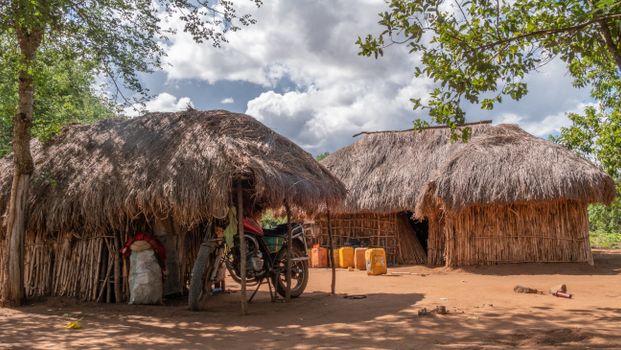
Most African safaris are owned by international conglomerates. Il Ngwesi is different. Located on the edge of the Laikipia plateau, this lodge is entirely owned and operated by the Maasai community.
I remember sitting on the deck of my room—which is built into the side of a cliff—watching a herd of elephants drink from the waterhole below. The Maasai warriors here aren't just guards; they are the landowners. They’ve traded cattle grazing for wildlife conservation because the profit-sharing model proves that a live elephant is worth more to the community than a poached one.
Pro-Tip: The "hidden" gem here is the bush walk to the rhino sanctuary. It starts at 6:30 AM. Wear muted colors (no bright whites or yellows) to blend into the scrub.
5. Arctic Stewardship: Camp Tamok, Norway
While many think of the Sami people only in the context of reindeer sledding, a new wave of Sami-led tourism focuses on land rights and environmental profit-sharing. In the Lyngen Alps, Indigenous operators are using tourism revenue to fight mining interests that threaten their traditional grazing lands.
Staying in a lavvu (Sami tent) under the Northern Lights isn't just a bucket-list item; it’s a political act of support for the oldest surviving culture in Europe.
The Logistics: Planning Your Impact Trip
To ensure you are actually engaging in a profit-sharing model, look for certifications like the Global Sustainable Tourism Council (GSTC) or check if the lodge is a member of the Indigenous Tourism Association of Canada (ITAC).
| Destination | Best Time to Visit | Estimated Cost (Daily) | How to Get There | | :--- | :--- | :--- | :--- | | Kapawi (Ecuador) | May - September | $350 - $500 | Small plane from Shell or Puyo | | Klahoose (Canada) | June - September | $800 - $1,200 | Seaplane from Vancouver | | Lirrwi (Australia) | May - July | $400 - $600 | Fly to Nhulunbuy (Gove) | | Il Ngwesi (Kenya) | Jan - March | $500 - $700 | 4x4 from Nanyuki | | Camp Tamok (Norway)| Dec - March | $300 - $450 | Bus/Transfer from Tromsø |
How to Spot a "Fake" Indigenous Experience
Not every tour that features Indigenous people is a profit-sharing model. Here is my "Insider BS-Meter":
- The "Human Zoo" Vibe: If you are bused into a village, people dance for 10 minutes, and you are bused out—it is NOT profit-sharing.
- The Ownership Question: Ask directly: "Who owns the land this lodge sits on?" and "What percentage of my stay goes directly to the community fund?"
- The Guide's Status: Are the Indigenous people only in service roles (cleaning, cooking), or are they in management? In a true profit-sharing model, the General Manager is often a community member.
Final Thoughts: The ROI of the Soul
When you choose Indigenous tourism with profit-sharing models right now, the ROI isn't just a great Instagram feed. It’s the knowledge that your presence helped preserve a language that is dying out, or protected a forest from being logged.
I think back to that morning in the Amazon with Nanki. As we paddled down the river in a dugout canoe, he pointed to a giant Ceiba tree. "That tree is our pharmacy, our hardware store, and our cathedral," he said. "Because you are here, we don't have to sell it to the oil companies."
That, my friends, is why we travel.
---
More pictures
Tags
Share this guide
We may earn a commission if you click a link and buy a product or service, at no extra cost to you. How affiliate links work.
Been there?