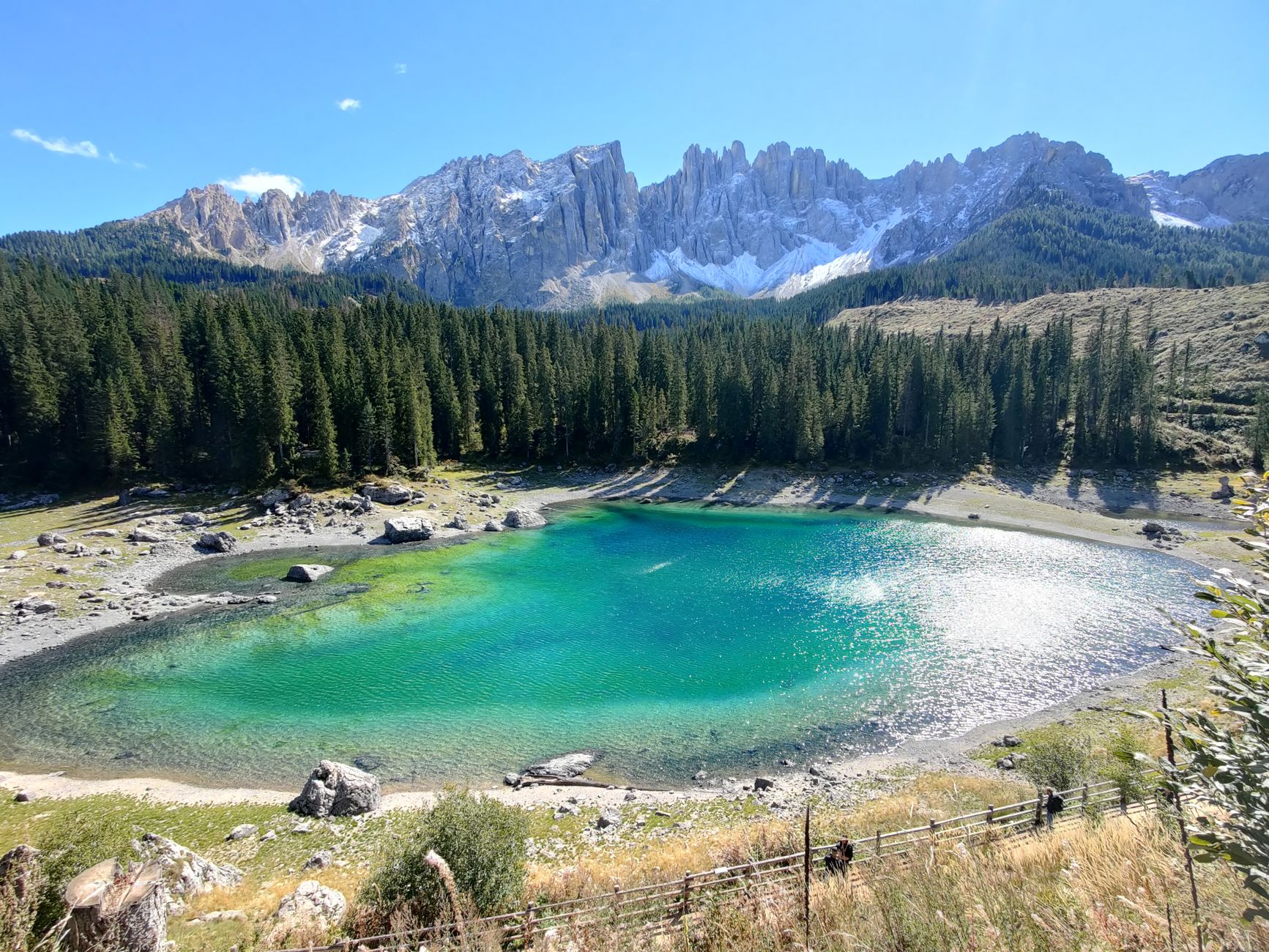
Forget the galvanized tub in your backyard. This year, the "Cold Craze" has evolved into high-altitude, raw, and geographically stunning "Wild Plunges." From the turquoise glacial flour of the Dolomites to the volcanic fissures of Iceland, we’re mapping the definitive spots to shock your system and find your soul. ---
The Hook: A Symphony of Sharp Needles
I stepped off the local train at the Eibsee station in Bavaria, and the air didn't just hit me—it greeted me with a sharp, pine-scented slap. It was 6:15 AM. The Zugspitze mountain loomed overhead, a jagged crown of limestone catching the first violet light of dawn. I wasn't there for the cable car or the tourist Schnitzel. I was there for the "Blue Hole," a specific patch of crystal-clear water where the lake bottom drops into a deep, frigid sapphire.
As I stripped down to my trunks, the silence was absolute, broken only by the rhythmic crunch-crunch of my boots on frozen gravel. I waded in. The first contact wasn't "cold"—it was an electric current. By the time the water hit my chest, my breath hitched, a primal gasp that travelers rarely experience in our climate-controlled world. But then, the magic happened. The "shiver response" faded, replaced by a crystalline clarity that no double-shot espresso could ever replicate. This isn't just a trend; it’s a homecoming.
1. The Arctic Cathedral: Norway’s Floating Saunas
If you want to understand why ice bath experiences in natural settings emerging this year are dominating the luxury travel market, look to the Lofoten Islands.
In Svolvær, the "wild plunge" has been elevated to an art form. The trend here is the Floating Sauna. These architectural marvels—like Pust—are anchored directly in the harbor. You sweat in a wood-fired room smelling of birch and sea salt, looking through floor-to-ceiling glass at snow-capped peaks. Then, you step out onto the deck and drop directly into the Norwegian Sea.
- The Insider Secret: Don't just jump in and out. Aim for the "Three-Cycle Rule." Ten minutes in the heat, three minutes in the 4°C (39°F) salt water, and repeat.
- Pro-Tip: The hidden entrance to the best local dipping spot isn't on Google Maps. Walk past the dry-fish racks toward the breakwater; there’s a small iron ladder bolted to the rock behind a rusted blue shed. It’s deeper, cleaner, and strictly for locals.
2. The Alpine Ghost: Lago di Sorapis, Italy
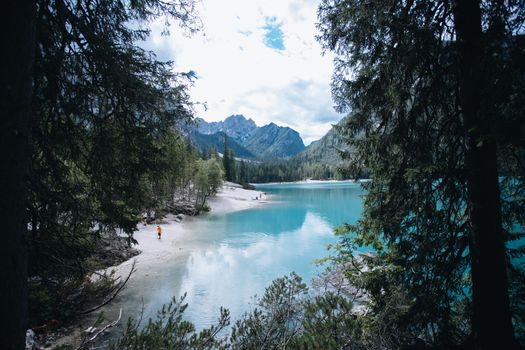
While most tourists crowd the shores of Lago di Braies for the "Gram," the real seekers hike two hours to Lago di Sorapis. This isn't just a lake; it’s a glacial basin filled with "glacial milk"—fine rock dust that turns the water a surreal, opaque turquoise.
Because of the altitude and the shade of the Circo del Sorapis, the water remains hovering just above freezing even in late spring. Emerging this year is a movement toward "Silent Plunges" here. Groups hike up in total silence, submerge at dawn, and hike down in a state of heightened sensory awareness.
- Logistics: The hike is moderate but can be slippery. Wear boots with Vibram soles.
- Authenticity Note: The water tastes faintly of minerals and ancient ice. It’s gritty on the skin, a natural exfoliant that leaves you glowing for days.
3. Volcanic Vitality: The Silfra Fissure, Iceland
Most people know Silfra as a diving spot between the North American and Eurasian tectonic plates. However, a new wave of "Dry-Suit-Free" plungers are seeking permission for brief, supervised cold-immersion sessions in the surrounding Thingvellir National Park.
The water here has been filtered through porous lava rock for 30 to 100 years. It is, quite literally, the purest water on Earth. It’s a constant 2°C (35°F) year-round.
- Pro-Tip: Visit at 7 AM before the tour buses arrive. The light hits the fissure at a 45-degree angle, illuminating the underwater "cathedrals" in neon blue.
- Safety: Never do this alone in Iceland. The current is gentle but the cold is incapacitating if you aren't trained.
4. The Japanese Way: Misogi in Hokkaido
In Japan, cold water immersion isn't a "biohack"; it’s Misogi, a Shinto purification ritual. This year, we’re seeing a surge in "Wellness Misogi" retreats in the Daisetsuzan National Park.
Instead of a still lake, you stand under a waterfall. The weight of the falling water adds a tactile, percussive element to the cold. The scent here is different—damp moss, sulfur from nearby vents, and cold cedar.
- Insider Language: Ask for "Shugendo" experiences. It’s the ancient mountain asceticism that incorporates these plunges.
- The "Blue Door" Detail: In the town of Sounkyo, there is a small, unmarked wooden gate behind the Black Bear Cafe. Follow the path for 10 minutes to find a semi-private falls used by local monks.
5. The Scottish Highlands: The "River Burn" Method
Scotland doesn't have "ice baths"; it has "burns"—fast-flowing, peat-stained streams that cut through the heather. In the Cairngorms, the trend is "River Trekking," where you hike through the water rather than beside it.
The water is the color of a fine Highland Scotch, stained dark by the peat. It’s soft, acidic, and incredibly invigorating for the skin.
- Pro-Tip: Wear neoprene socks. The riverbeds are a mix of slick moss and sharp schist.
- Post-Plunge: The local tradition is a "wee dram" of peated whisky, but wait 20 minutes for your core temperature to stabilize first.
6. The Science: Why Your Brain Craves the Shiver
We aren't just doing this for the photos. When you hit 4°C water, your body releases a cocktail of norepinephrine and dopamine. Research shows a 250% increase in dopamine levels that lasts for hours. It’s a "natural high" that makes the mundane world look like it's been set to High Definition.
Furthermore, the "Brown Fat" activation helps with thermoregulation. Regular practitioners of these natural ice baths report higher cold tolerance and a suppressed inflammatory response.
7. The Gear Guide: Pack Like a Pro
Don't be the amateur shivering in a cotton towel.
- Changing Robe: A "Dryrobe" or similar oversized, waterproof hooded parka is non-negotiable.
- Woolen Cap: 90% of heat escapes through the head. Keep the hat on while you plunge.
- Thermometer: A digital probe to brag about the exact temperature on Strava.
- The "Mat": A small square of closed-cell foam to stand on while changing. Standing on frozen ground kills your core temp faster than the water does.
---
Quick Facts: The Logistics of the Chill
| Destination | Best Time | Water Temp | Cost (Est.) | Vibe | | :--- | :--- | :--- | :--- | :--- | | Lofoten, Norway | Jan - March | 3°C - 5°C | $200/day (Guided) | Architectural & Epic | | Dolomites, Italy | Oct - Nov | 2°C - 6°C | Free (DIY) | Spiritual & Raw | | Hokkaido, Japan | Dec - Feb | 1°C - 4°C | $150 (Retreat) | Ritualistic & Disciplined | | Thingvellir, Iceland | Year-round | 2°C | $100 (Access) | Otherworldly & Pure | | Cairngorms, Scotland| Nov - April | 4°C - 7°C | Free | Gritty & Wild |
How to get there: For the European spots, fly into Munich (Eibsee) or Venice (Dolomites) and rent a hybrid 4x4. For Norway, fly into Bodø and take the ferry—the crossing itself is a mental preparation for the cold.
---
The Authenticity Check: Stop Calling it "Cold"
In the local dialects of the north, they don't just say "it's cold." In Norway, they talk about friluftsliv—the philosophy of living in the open air regardless of the weather. In Russia, it’s the Morozko (Father Frost) energy. To truly experience these settings, you have to stop fighting the water.
The moment you stop tensing your shoulders is the moment the experience shifts from "pain" to "presence." Look at the way the ice crystals form on the rocks at the water's edge—they look like frozen ferns. Smell the ozone in the air. That is the real ice bath experience.
---
More pictures

Tags
Share this guide
We may earn a commission if you click a link and buy a product or service, at no extra cost to you. How affiliate links work.
Been there?