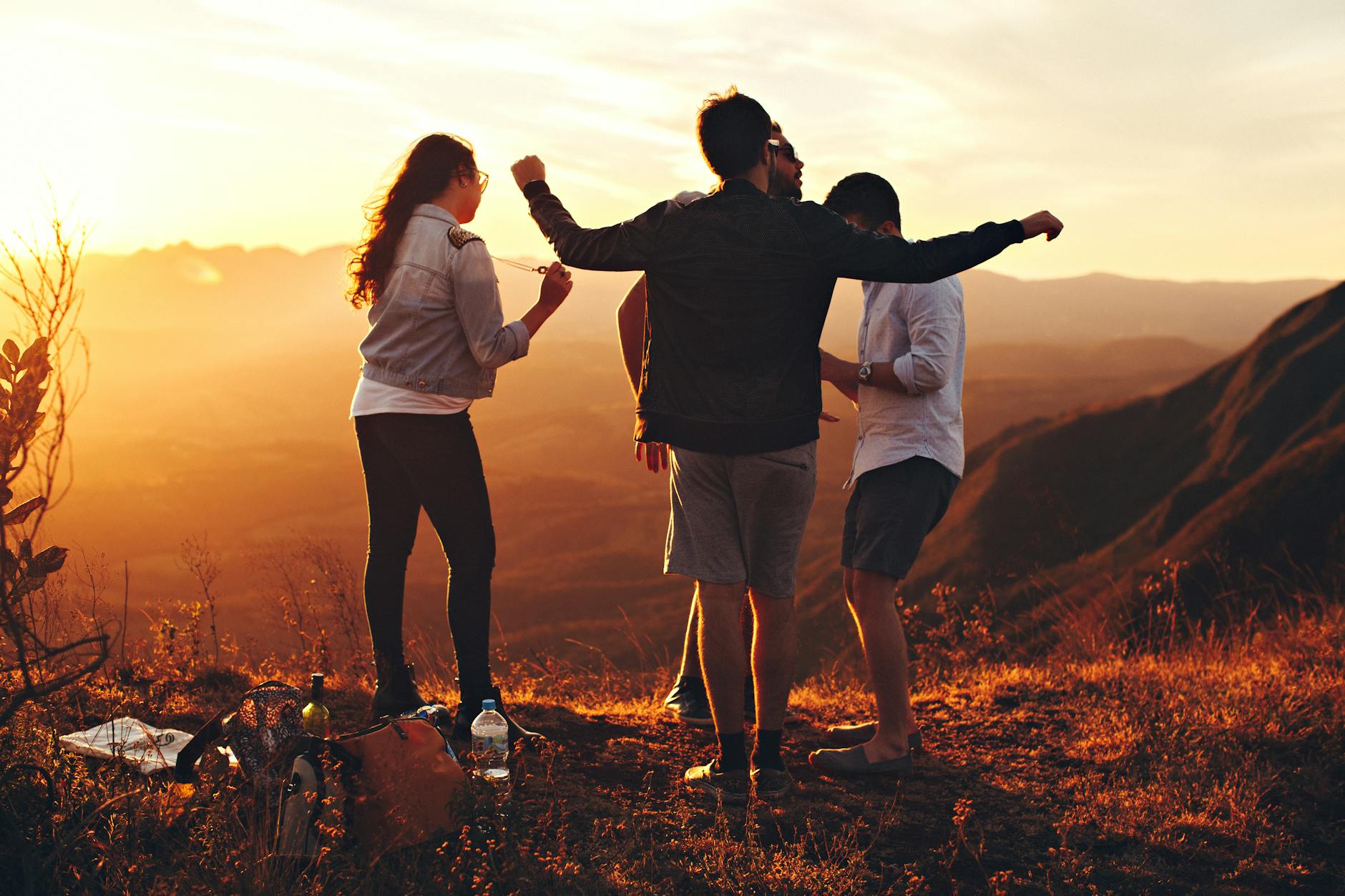
Does the thought of traveling with your eye-rolling teenager fill you with dread? You're not alone. This guide reveals how to transform a "meh" vacation into an unforgettable adventure, turning even the most skeptical teen into an enthusiastic explorer of authentic, local experiences. --- ##
From Eye-Rolls to Epic Tales: How to Travel with Teenagers Who Crave the Real Deal
I remember it like it was yesterday: standing in front of the Eiffel Tower, the very symbol of Parisian romance and grandeur, and my then-15-year-old daughter, Chloe, was… scrolling through TikTok. "It's just a big metal thing, Mom," she mumbled, barely looking up. My heart sank. We’d spent a small fortune on this trip, meticulously planned every iconic sight, and here she was, utterly unimpressed. This wasn't the first time. From ancient Roman ruins to bustling Thai markets, her default setting seemed to be "critically underwhelmed."
Sound familiar? You’re not alone. Many of us dream of sharing the world’s wonders with our kids, only to face a wall of teenage apathy, cynicism, and a profound distrust of anything that feels remotely "touristy." They don't want the curated, the obvious, the things "locals don't want tourists to know" because they see right through it. They crave authenticity, a genuine connection, and frankly, something cool to post.
It took me a few more trips (and a few more eye-rolls) to realize my approach was all wrong. I was planning my dream trip, not theirs. I was showing them the postcard, but they wanted the unfiltered behind-the-scenes. This wasn't about them "hating everything"; it was about them having a more sophisticated palate for travel than I gave them credit for. They were discerning, curious, and yearning for experiences that felt real, raw, and genuinely off-the-beaten-path.
So, I changed my game. And in doing so, I unlocked a whole new world of travel with my teenagers – one filled with genuine smiles, shared discoveries, and "Mom, you HAVE to see this!" moments. This isn't just about surviving travel with teens; it's about thriving, creating memories that will stick, and nurturing their inner explorer.
Ready to ditch the tourist traps and dive into the heart of a destination with your discerning teen? Let's go.
1. The Pre-Trip Power Play: Involving Them Without Overwhelming Them
The first step to winning over your skeptical teen is to give them ownership. Nothing screams "forced fun" more than a pre-planned itinerary they had no hand in creating. But beware: too much choice can also lead to overwhelm and disinterest. The trick is guided involvement.
Actionable Advice:
- The "Vibe Check" Destination: Instead of "Do you want to go to Italy or Japan?", try "Are you feeling more like ancient history and amazing food, or futuristic cities and incredible nature?" Give them broad categories or a few curated options with distinct personalities. My son, Leo, was completely turned off by the idea of another "old city" trip until I framed our Lisbon adventure as "a city with epic street art, incredible surf nearby, and the best custard tarts you'll ever eat." Suddenly, he was in.
- One "Must-Do" Each: Once a destination is chosen, give each family member (including your teens) one non-negotiable activity or sight they get to pick. It could be anything: a specific museum, a quirky shop, a street food market, or even just a chill afternoon at a local park. For our trip to Kyoto, Chloe insisted on visiting the Arashiyama Bamboo Grove at sunrise – a tourist hotspot, yes, but her choice, and the early start meant fewer crowds, making it feel more special.
- Research & Report: Assign them a specific "mission." Maybe one teen is in charge of finding the best local coffee shops, another researching unique street art tours, and another tracking down the most authentic local eateries. Offer a small incentive – perhaps they get to choose the first meal based on their research. This transforms passive travel into an active quest. For our Berlin trip, Leo was tasked with finding a cool, non-touristy area for street art, and he unearthed the RAW-Gelände, an old industrial complex turned cultural hub. It was gritty, authentic, and exactly what he was looking for.
2. The Art of the "Accidental Discovery": Ditching the Itinerary Dictatorship
Teens are notoriously resistant to anything that feels too structured or "educational." The moment something feels like a chore, you've lost them. The key is to make discoveries feel organic, like something they stumbled upon, even if you subtly nudged them in the right direction.
Actionable Advice:
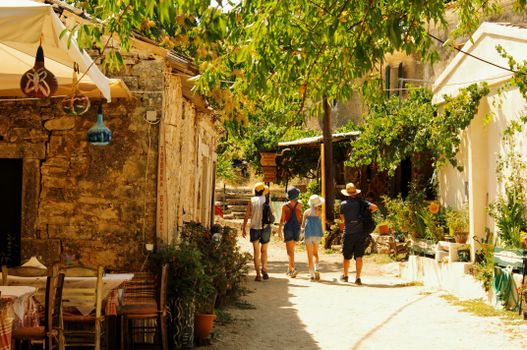
- Embrace the Wander: Build in plenty of unscheduled time. Allow for aimless strolling through neighborhoods that aren't on the "top 10 tourist attractions" list. This is where the magic happens. In Rome, instead of dragging them to the Colosseum first, we spent an afternoon just walking through Trastevere, stumbling upon a tiny artisan workshop making leather goods and a gelato shop that only locals knew about. The "accidental" nature made it infinitely more appealing.
- The "Local Lead": If possible, connect with local friends or acquaintances. Ask them for their favorite hidden spots, the park where they hang out, the best unpretentious eatery. Even better, arrange a casual meet-up. A simple coffee with a local family friend in Oaxaca, Mexico, led us to a tiny, unassuming tlayuda stand that served the most incredible Oaxacan pizza – an experience we never would have found in a guidebook.
- Scavenger Hunts with a Twist: Create a simple scavenger hunt based on local culture, not just landmarks. "Find a shop selling a traditional craft," "taste a specific local pastry," "find a street musician playing a traditional instrument." This turns observation into an engaging game. We did this in Seville, asking them to find azulejo tiles with specific patterns, leading us down charming, less-traveled alleyways.
- Budget Hack: Look for free walking tours run by passionate locals (often tip-based). Many cities offer alternatives to the historical tours, like street art tours or dark history tours, which can be far more engaging for teens. We did a fantastic "alternative Berlin" tour that focused on squat culture, street art, and Cold War history, which captivated both my kids. Expect to tip €10-€20 per person, well worth the investment for the engagement.
3. Food: The Universal Language (Especially When It's Deliciously Authentic)
If there's one thing that can break through teenage indifference, it's food. But not just any food – authentic, local, often street-food-style food. This is where they can genuinely connect with a culture without feeling like they're being lectured.
Actionable Advice:
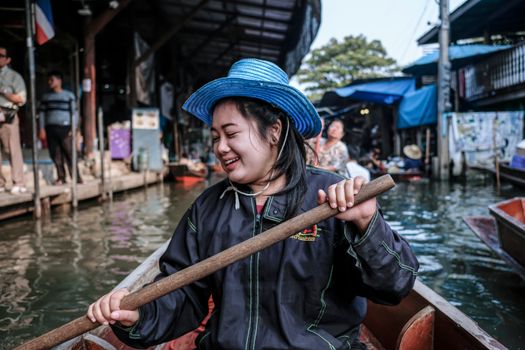
- Street Food Safaris: Forget fancy restaurants (unless they specifically ask). Dive into street food markets. The sensory overload, the quick pace, and the sheer variety are incredibly engaging. In Bangkok, the night markets became a nightly adventure, trying everything from grilled squid to mango sticky rice. Budget: €2-€5 per dish, allowing them to experiment widely without breaking the bank.
- Cooking Classes (Hands-On Experience!): This is a goldmine for engagement. Learning to make a local dish is interactive, delicious, and provides a tangible skill and memory. We took a pasta-making class in Florence for about €75 per person, and it was a highlight. Chloe, who barely cooks at home, was beaming with pride as she kneaded dough and shaped tortellini. Look for classes that also include a market visit to source ingredients.
- "Eat Where the Locals Eat": Avoid tourist-trap restaurants with multilingual menus and glossy photos. Use apps like Google Maps or TripAdvisor to find highly-rated, budget-friendly local eateries often a few blocks off the main drag. Look for places with lots of local chatter and handwritten menus. In Porto, Portugal, we found a tiny tasca serving incredible francesinha (a local sandwich) for €8, recommended by our Airbnb host. It was packed, noisy, and utterly authentic.
- The "Mystery Dish" Challenge: Encourage them to try something new and unknown. Give them a small budget (€10-€15) and challenge them to buy a snack or a small dish they’ve never seen before. The adventurous spirit often kicks in, especially when there's a "story" to tell.
4. Activities Beyond the Museum: Adventure, Art & Action
While some teens genuinely love museums, many find them tedious. It’s crucial to diversify activities to appeal to their need for novelty, interaction, and often, a bit of adrenaline.
Actionable Advice:
- Urban Adventures: Think beyond traditional tours.
- Street Art Tours: Many cities offer guided tours focusing on graffiti and murals. These are often led by young, passionate guides and provide a fresh perspective on urban culture. We did one in Valparaíso, Chile, for about $25 per person, and the vibrant art and stories behind it were captivating.
- Bike Tours/Scooter Rentals: Exploring a city on two wheels offers a sense of freedom and covers more ground in an engaging way. Just ensure safety and helmet usage are priorities.
- Escape Rooms with a Local Twist: Some cities have escape rooms themed around local history or folklore, offering an immersive, problem-solving experience.
- Workshops & Creative Pursuits:
- Pottery/Crafts: A short workshop (e.g., painting ceramics, making a local souvenir) can be a fun, hands-on way to engage. In Hoi An, Vietnam, we spent an afternoon making lanterns for about $15 each.
- Photography Walks: If your teen loves photography (or just Instagram), hire a local photographer for a short "photo walk" to discover hidden, photogenic spots and learn some tips.
- Music/Dance Lessons: A quick intro to a local dance style (e.g., flamenco in Spain, salsa in Cuba) can be a memorable and energetic experience.
- Nature & Thrills:
- Hiking/Kayaking/Snorkeling: If the destination offers natural beauty, incorporate active outdoor adventures. A hike to a scenic viewpoint or a kayaking trip can be incredibly rewarding.
- Local Sports: Catch a local football (soccer) game or a unique regional sport. The atmosphere alone can be electrifying. In Buenos Aires, going to a Boca Juniors game was an unforgettable, albeit intense, experience for Leo. Tickets can be pricey (€50-€100+), but the atmosphere is priceless.
5. Leveraging Tech: From Distraction to Discovery Tool
Instead of fighting their screens, integrate them. Teenagers are digital natives; their phones can be powerful tools for discovery and connection, not just distraction.
Actionable Advice:
- The "Local Finder" Challenge: Give them a mission: "Find the coolest non-touristy café within a 15-minute walk using Google Maps/Yelp/local blogs." Or "Find a unique local shop recommended by a local influencer on Instagram."
- Photo Storytelling: Encourage them to document their journey authentically. Not just selfies, but capturing the details, the street scenes, the local faces. "What's a story you can tell with 5 photos from today?" This encourages them to look beyond the obvious.
- Translation Apps for Interaction: Empower them to use translation apps to communicate with locals, order food, or ask for directions. This fosters independence and genuine interaction. Chloe used Google Translate extensively in rural Japan, and it opened up so many interesting, unexpected conversations.
- Geocaching or Pokémon Go (with a cultural twist): If they're into these games, see if there are any caches or rare Pokémon near local landmarks or hidden spots. It can add an extra layer of engagement.
6. The Freedom Factor: Budget, Choices & Respect
Teens crave independence. Giving them a sense of control over their time and spending can dramatically improve their engagement and attitude.
Actionable Advice:
- The Daily "Fun Money" Fund: Give each teen a small daily allowance (e.g., €10-€20, depending on the destination) that they are solely responsible for. This covers snacks, drinks, small souvenirs, or an extra scoop of gelato. It teaches budgeting and gives them the freedom to make their own choices without constantly asking for money.
- "Me Time" and "We Time": Recognize that everyone needs downtime. Build in opportunities for them to relax, listen to music, read, or just chill in the hotel room. Don't overschedule. A relaxed parent makes for a relaxed teen. On our last trip to Costa Rica, we scheduled one full afternoon for everyone to just read by the pool or play games in the room – no pressure, no plans. It reset everyone's energy.
- Trust and Responsibility: Give them small responsibilities. Maybe they're in charge of navigating for an hour, or managing the snack bag, or choosing the soundtrack for the car ride. This shows you trust them and value their contribution.
- Respect Their Opinions: Even if they grumble, listen to their feedback. "What did you like about today? What would you change?" This validates their perspective and helps you adjust for future days or trips. Sometimes, their "hating everything" is just a clumsy way of expressing a preference for something different.
Beyond the Postcard: Creating Memories That Last
Traveling with teenagers who seek authenticity isn't about being a perfect parent; it's about being a flexible, observant, and genuinely curious travel companion. It’s about listening to what they really want, even when they struggle to articulate it. It’s about ditching the rigid itinerary and embracing the serendipity of discovery.
The Eiffel Tower incident taught me a valuable lesson: true connection doesn't always happen in front of the world's most famous landmarks. It often happens over a plate of spicy street food in a bustling market, during a shared laugh with a local artisan, or while getting gloriously lost down a vibrant, graffiti-laden alleyway. These are the "locals don't want tourists to know" moments that truly resonate.
So, next time you plan a trip, remember: your teenagers aren't trying to be difficult. They're just looking for the real deal. Give them the tools, the freedom, and the opportunity to find it, and you might just find that those eye-rolls transform into wide-eyed wonder, and those "meh" moments become the epic tales they can't wait to share.
What's your best tip for traveling with a discerning teen? Share your stories and advice in the comments below – let's inspire each other!
---
More pictures

Tags
Share this guide
We may earn a commission if you click a link and buy a product or service, at no extra cost to you. How affiliate links work.
Been there?