Dreaming of Europe but think it's out of reach? What if I told you that you could experience the continent's magic for less than $50 a day, uncovering hidden gems even locals keep secret? Get ready to ditch the overpriced tourist traps and embark on an authentic, unforgettable adventure without breaking the bank. ---
Europe for Under $50 a Day: The Insider Secrets Locals Don't Want You To Know!
I remember staring at my bank account, a measly few hundred dollars clinging on for dear life, and a burning desire in my soul: Europe. Everyone said it was impossible. "Europe is expensive, you need thousands," they'd warn. But as a wide-eyed, broke wanderer, I refused to believe it. My first solo trip, a shoestring adventure across Eastern Europe, taught me a truth most travel guides gloss over: Europe can be incredibly affordable if you know the right way to do it.
Fast forward years later, and I've crisscrossed the continent countless times, from the bustling markets of Rome to the tranquil fjords of Norway, all while sticking to an average budget of under $50 a day. And guess what? I've never felt like I was "missing out." In fact, by embracing a budget mindset, I've stumbled upon experiences far more authentic and memorable than any overpriced tour could offer. This isn't about deprivation; it's about smart choices, local insights, and a willingness to step off the well-trodden path.
Ready to unlock the secrets locals use to live (and thrive) in Europe without emptying their wallets? Let's dive in.
1. The Accommodation Game-Changer: Sleep Smart, Not Expensive
Your biggest budget killer? Accommodation. Ditch the fancy hotels and even most Airbnbs. To truly hit that $50/day mark, you need to get creative with where you lay your head.
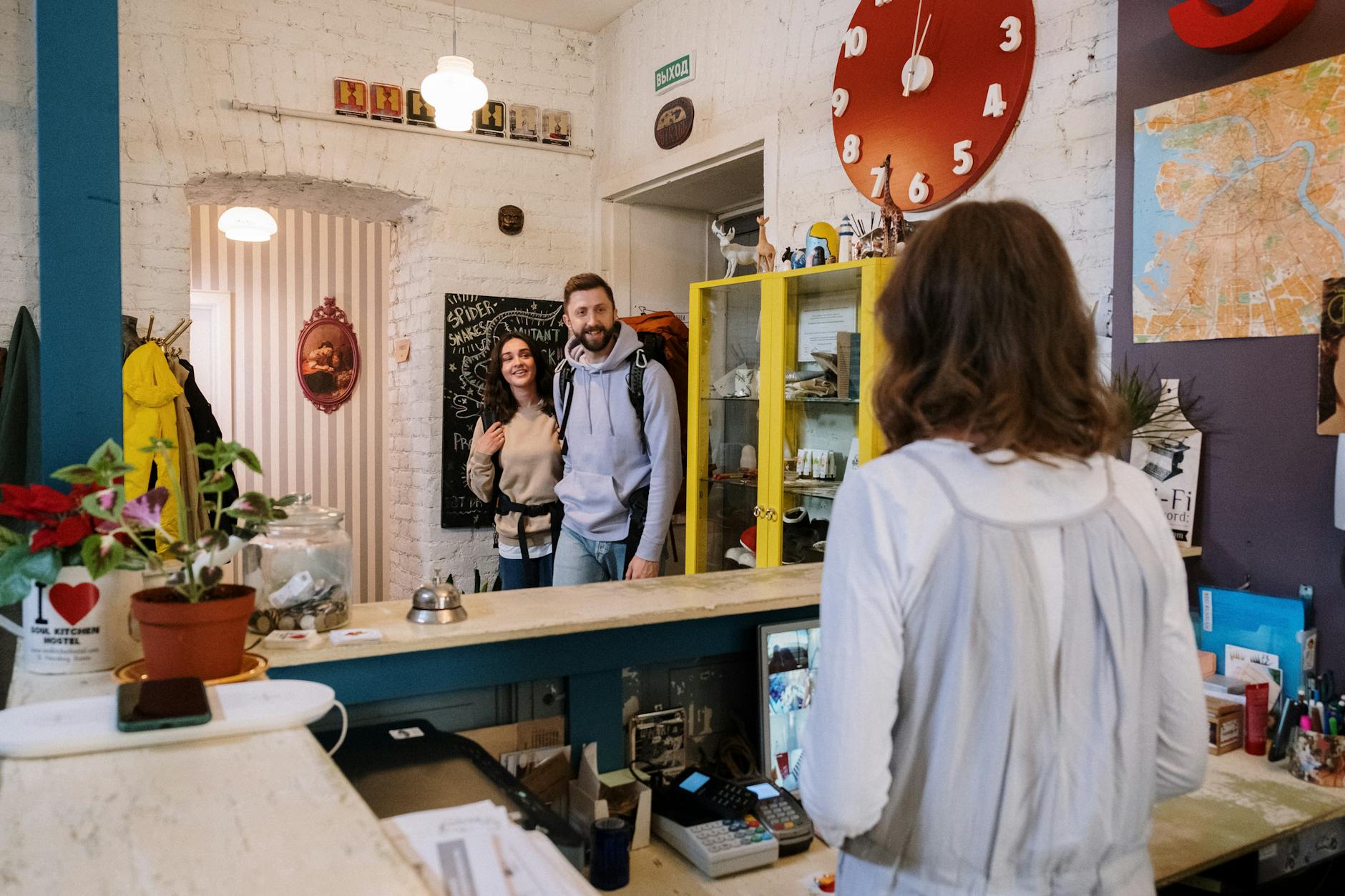
Hostels: Your Social & Budget Sanctuary Forget the horror stories; modern hostels are a traveler's paradise. Many offer private rooms for a reasonable price, but if you're serious about budget, a dorm bed is your best friend. I've snagged beds for as low as €8-€15 in cities like Lisbon, Budapest, and Krakow. Look for hostels with free breakfast, communal kitchens, and free walking tours – these extras add immense value.
- Pro Tip: Use Hostelworld or Booking.com, but always check the hostel's direct website. Sometimes they offer better deals or unique packages. Read reviews carefully for cleanliness, atmosphere, and location. My go-to in Lisbon, for example, used to be the "Home Lisbon Hostel" – fantastic atmosphere, free dinner, and super central, often under €20.
Couchsurfing: Free Accommodation & Instant Local Friends This is the ultimate insider hack. Couchsurfing connects you with locals offering a spare couch or room for free. It’s not just about saving money; it's about cultural exchange. I've had incredible experiences, from sharing home-cooked meals in rural Germany to getting a personalized city tour from my host in Bologna. You'll gain insights no guidebook can provide.
- Personal Story: In Prague, my Couchsurfing host, a university student, took me to a tiny, unmarked pub where beer was cheaper than water and the conversations flowed freely. We spent hours discussing Czech history and politics – an experience far richer than any tourist bar crawl.
- Caveat: Always check host reviews, communicate clearly, and be a respectful guest. Offer to cook a meal, help with chores, or bring a small gift from your home country.
Camping & Glamping: Nature's Embrace on a Budget Especially in countries like France, Italy, or Croatia, campsites are abundant and often beautifully located. Many offer basic pitches for tents or even small cabins for a fraction of hotel prices. If you're traveling with a tent, this is incredibly cheap. Even without one, many sites rent out basic bungalows.
- Insider Info: Look for "agriturismo" sites in Italy – often family-run farms that offer camping or simple rooms, combining accommodation with authentic rural experiences and delicious local food.
Monasteries & Convents: A Unique, Serene Stay Yes, seriously! In countries like Italy, Spain, and Portugal, some monasteries and convents offer simple, clean rooms to travelers for a very reasonable fee. It’s a peaceful, unique experience. They won't be party hostels, but they offer a serene retreat from the bustle.
- How to Find: Search for "monastery accommodation [city/country]" or check websites like Monastery Stays.
2. Feast Like a Local, Not a Tourist: Eating on a Shoestring
Food is where many travelers blow their budget. The secret? Eat like the locals do, and don't be afraid of a grocery store.
Supermarkets: Your Culinary Playground This is your number one friend. Pop into a local supermarket (Lidl, Aldi, Carrefour, Tesco, Billa, Spar – they're everywhere!) and stock up on breakfast items (yogurt, fruit, bread, cheese), lunch supplies (sandwich ingredients, pre-made salads), and even dinner components. Many hostels have communal kitchens, making this incredibly easy.
- Budget Hack: Grab a fresh baguette, some local cheese, cured meats, and a bottle of wine – you've got yourself a gourmet picnic for under €10, perfect for a park or a scenic viewpoint.
- Specifics: In Italy, look for "alimentari" (small grocery stores) for fresh, local produce and deli items. In France, a "boulangerie" for fresh bread and pastries is a must.
Local Markets & Street Food: Flavorful & Affordable Forget sit-down restaurants in tourist squares. Head to local markets (like Mercato di Mezzo in Bologna or La Boqueria in Barcelona, though the latter is now quite touristy, still good for a quick bite) for incredible street food. You can find everything from piping hot pierogi in Poland to delicious falafel in Germany, or fresh seafood in Portugal, all for just a few euros.
- Personal Favorite: The Central Market Hall in Budapest is a sensory overload of Hungarian delights. I once had a hearty goulash soup and a langos (fried dough with sour cream and cheese) for less than €7 total.
- "Lunch Deals" (Menu del Día/Pranzo di Lavoro): Many European restaurants, especially outside the main tourist zones, offer fantastic lunch specials. These "set menus" usually include a starter, main, and sometimes a drink or dessert for a fixed, low price (often €10-€15). This is how locals eat well without spending a fortune. Ask for "menu del día" in Spain, "pranzo di lavoro" in Italy, or "plat du jour" in France.
Water Bottles & Coffee Hacks: Carry a reusable water bottle and refill it whenever possible. Tap water is safe to drink in most of Western Europe. For coffee, skip the fancy cafes and grab an espresso at a bar counter – it's usually much cheaper (e.g., €1-€1.50 in Italy) than sitting down.
3. Mastering European Transit on a Dime: Glide, Don't Fly
Intercontinental flights might be cheap, but getting around within Europe can add up fast. Locals know the tricks to move efficiently and affordably.
Buses: The Underrated Workhorse For intercity travel, buses are almost always cheaper than trains, especially in Eastern Europe. Companies like FlixBus, Eurolines, and RegioJet offer extensive networks across the continent. Book in advance for the best deals. I've traveled from Prague to Berlin for €15 and from Krakow to Budapest for €20. The journeys are longer, but you save a fortune.
- Bonus: Overnight buses save you a night's accommodation! Just make sure to get some sleep.
Trains (When Smart): Regional vs. High-Speed While high-speed trains can be pricey, regional trains are often more affordable and offer scenic routes. If you're traveling within a country, look for local rail passes or specific deals. In Germany, the "Länder-Tickets" offer unlimited regional train travel within a specific state for a day, often for groups.
- Insider Tip: Many countries offer discounts for booking well in advance or for traveling during off-peak hours. Always check the national railway websites directly (e.g., Trenitalia in Italy, DB in Germany, SNCF in France).
Public Transport & Walking: Your City Navigator In cities, your feet are your best friend. Walk everywhere you can. Not only is it free, but you'll discover hidden alleys, local shops, and beautiful architecture you'd miss otherwise. When distances are too great, embrace public transport. A single metro, tram, or bus ticket is usually a few euros. Day passes or multi-day passes can be excellent value if you plan to use public transport extensively.
- Avoid Taxis/Ride-Shares: Unless it's an emergency or late at night, these will decimate your budget. Stick to public transport or your own two feet.
Bike Rentals: Many cities offer bike-sharing schemes (e.g., Vélos in Paris, Bicing in Barcelona) that are incredibly cheap for short rides and a fantastic way to explore.
4. Unlocking Free & Low-Cost Adventures: Experience, Don't Buy
Europe is rich in culture, history, and natural beauty, much of which costs absolutely nothing to enjoy.
Free Walking Tours: The Best Introduction Almost every major European city offers "free" walking tours (they work on a tip basis, so tip your guide well!). These are fantastic for getting your bearings, learning about the city's history, and getting local recommendations. I've taken dozens, from the historical tours in Rome to quirky street art tours in Berlin.
- How to Find: Look for companies like Sandemans New Europe or check with your hostel.
Parks, Piazzas, & Public Spaces: Europe's Open-Air Museums Spend hours wandering through Europe's stunning parks (like Hyde Park in London, Tiergarten in Berlin, or Parc Güell's free areas in Barcelona), people-watching in vibrant piazzas (Piazza Navona in Rome, Rynek Główny in Krakow), or simply getting lost in charming old towns. These are all free and offer an incredible sense of place.
- Instagram Moment: Grab a pastry and coffee, find a bench in a beautiful park, and just soak it all in. Pure bliss, zero cost.
Free Museum Days & Galleries: Many museums across Europe offer free entry on specific days (e.g., the first Sunday of the month) or during certain hours. Some major museums are always free (e.g., British Museum in London, various state museums in Berlin). Do your research! Art galleries, especially smaller ones, are often free to browse.
- Local Secret: Many churches and cathedrals are free to enter (though some may charge for specific areas like crypts or domes). These are often architectural masterpieces worth hours of exploration.
Hiking & Nature: If you love the outdoors, Europe offers endless free natural beauty. Hike in the Dolomites, explore the Plitvice Lakes (entrance fee, but still incredible value), or simply walk along coastal paths in Portugal.
Local Events & Festivals: Keep an eye out for free local festivals, concerts, or markets. These are often advertised on city tourism websites or local Facebook groups. They offer a fantastic glimpse into local culture and are usually free to attend (you only pay for food/drinks if you choose).
5. The Art of Smart Spending & Avoiding Tourist Traps
This is where the "locals don't want you to know" truly comes into play. It's about recognizing and sidestepping the tourist-centric rip-offs.
The "Tourist Menu" Trap: If a restaurant has pictures of food on the menu, a tout outside trying to lure you in, or a menu translated into ten languages – run! These are almost always overpriced and mediocre. Look for places packed with locals, perhaps with handwritten menus or only a few language options.
- How Locals Find Gems: They ask other locals! If you're Couchsurfing or staying in a friendly hostel, ask staff or fellow travelers for their favorite local, cheap eateries.
Souvenir Smarts: Avoid souvenir shops near major attractions. Their prices are inflated. Instead, look for local markets, artisan shops, or even supermarkets for unique, affordable gifts (local food items, spices, small crafts).
ATM Fees & Exchange Rates: Always withdraw cash from an ATM linked to a major bank (e.g., Euronet ATMs are notorious for high fees). Use a travel-friendly debit card with no foreign transaction fees. Always choose to be charged in the local currency (EUR, CZK, PLN, etc.) when using your card – your bank will give you a better exchange rate than the merchant.
Travel Insurance: The Non-Negotiable "Expense" While it seems like an extra cost, good travel insurance is non-negotiable. A medical emergency or lost luggage can easily blow your $50/day budget out of the water. Consider it an investment in peace of mind.
Embrace Flexibility: The best budget travelers are flexible. If a train ticket is too expensive, check the bus. If a hostel is fully booked, try Couchsurfing or a different neighborhood. Being open to change can lead to unexpected, amazing discoveries and significant savings.
6. Embrace the Local Rhythm: Immersion, Not Isolation
To truly travel Europe for under $50 a day, you need to shed the "tourist" mindset and embrace the "traveler" spirit. This means connecting with the local culture, even if it's just for a few days.
Learn Basic Phrases: "Hello," "thank you," "please," "excuse me," "do you speak English?" – a few words in the local language go a long way. Locals appreciate the effort, and it can open doors (and sometimes lead to better service or even a discount!).
Get Off the Beaten Path: Venture beyond the main squares and famous landmarks. Explore residential neighborhoods, local parks, and markets. This is where you'll find authentic experiences, cheaper prices, and a true sense of local life.
- Personal Anecdote: In Rome, instead of constantly battling crowds around the Colosseum, I spent an afternoon wandering the Trastevere neighborhood, stumbling upon tiny, family-run trattorias and artisan workshops. The food was incredible, the prices were fair, and the atmosphere was pure Roman charm.
Utilize Local Apps: Beyond Google Maps, look for local public transport apps for specific cities. Apps like "Too Good To Go" (available in many European cities) allow you to buy surplus food from restaurants and bakeries at a heavily discounted price at the end of the day – perfect for a cheap, delicious meal!
Be Open to Serendipity: Some of my most memorable European moments happened completely unplanned. A chance encounter with a local at a park, an impromptu street performance, a hidden cafe discovered down a quiet alley. Don't over-schedule. Leave room for discovery.
Your European Adventure Awaits!
Traveling Europe for under $50 a day isn't just possible; it's an incredibly rewarding way to experience the continent. It forces you to connect with locals, discover hidden gems, and truly immerse yourself in the culture, rather than just skimming the surface from behind a tour bus window. It's about smart choices, a bit of planning, and a whole lot of adventurous spirit.
So, ditch the excuses, embrace the challenge, and get ready to unlock the Europe that locals know and love. Your bank account will thank you, and your memories will be richer for it.
Now it's your turn! What's your top budget travel hack for Europe? Share your tips in the comments below, and let's inspire more travelers to explore this incredible continent without breaking the bank!
---
More pictures

Tags
Share this guide
We may earn a commission if you click a link and buy a product or service, at no extra cost to you. How affiliate links work.
Been there?