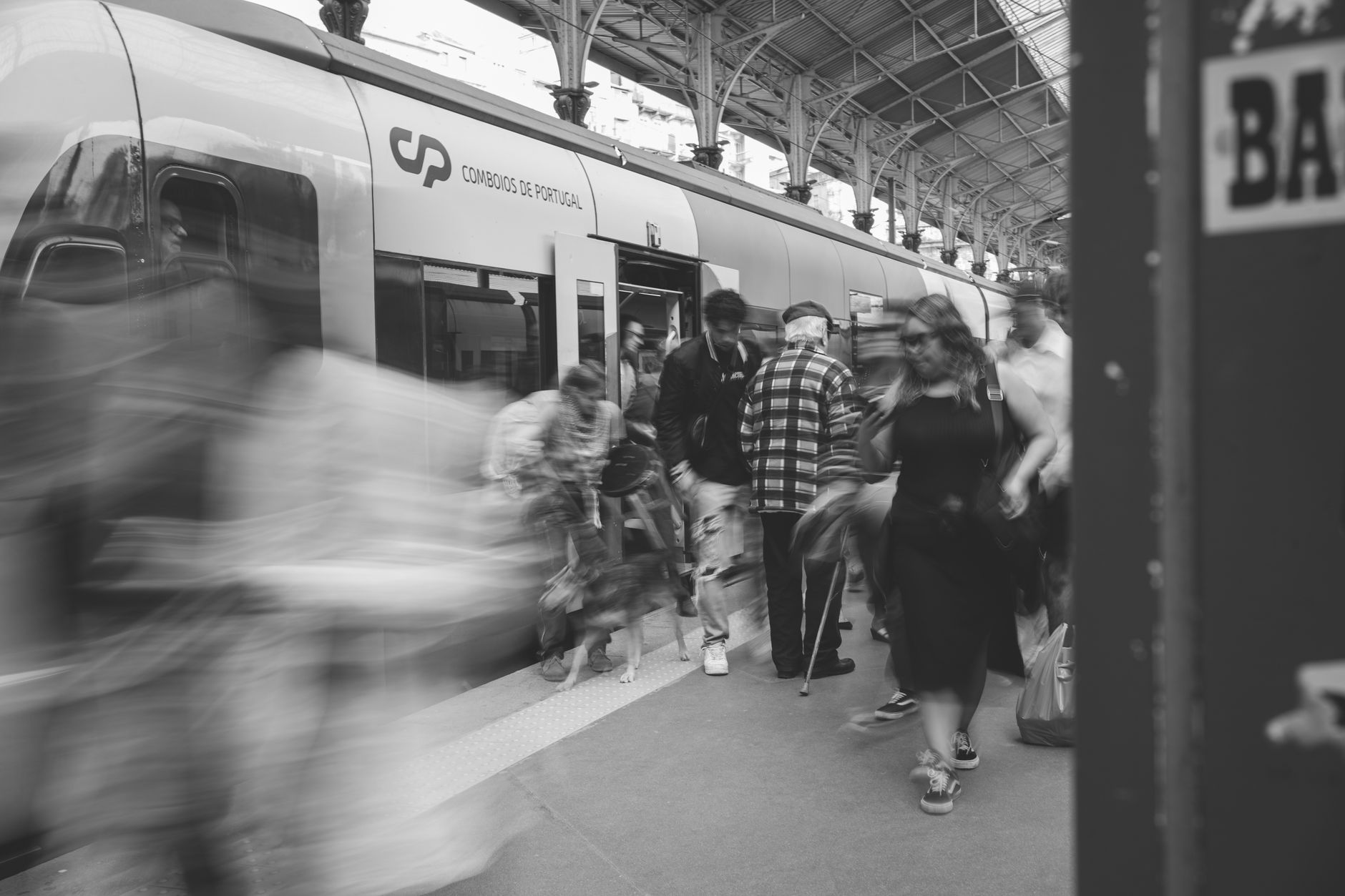
Rail travel in Europe is easy once you know the quirks. These are the mistakes travellers make most often, and how to avoid every one of them.
Learning from other people's mistakes
European trains are comfortable and well connected, but every country has its own ticketing rules, reservation systems and habits. Many first-time rail travellers lose money or miss connections because they assume the system works like the one at home.
This guide covers the mistakes that cause the most trouble, along with simple fixes. Read it before you book, and you will save time, money and a lot of stress.
Mistake 1: Assuming you can always buy a ticket on the day
On regional trains in many countries, same-day tickets are fine. But on high-speed and long-distance routes, the best fares sell out early, and prices rise sharply close to departure. Some trains also sell out completely.
Fix: For high-speed, international and night trains, book as soon as tickets are available. Check how far ahead each railway releases tickets, and set a reminder.
Mistake 2: Forgetting seat reservations
Some trains require reservations even if you have a flexible ticket or a rail pass. This is common on high-speed trains in France, Italy and Spain, on international services and on night trains. Turning up without a reservation can mean being turned away or paying a penalty.
Fix: Check whether each journey requires a reservation, and book it at the same time as your ticket. Reservation fees vary, so include them in your budget.
Mistake 3: Buying a rail pass without doing the maths
Rail passes are flexible, but they are not always the cheapest. Some travellers discover that advance tickets would have cost less, particularly for a small number of journeys.
Fix: List your planned journeys, price them as advance tickets, add reservation fees to the pass option, and compare. Choose the pass only if it makes sense for your trip or you value flexibility.
Mistake 4: Tight connections
A connection of five or ten minutes sounds fine, but large stations are big, platforms change, and delays are common. If you are on separate tickets, a missed connection can mean buying a new ticket.
Fix: Allow at least 20 to 30 minutes in big stations. Prefer itineraries on a single ticket, which gives you protection if a connection is missed. Avoid tight connections on the last train of the day.
Mistake 5: Not validating tickets
In some countries, such as Italy and France, certain paper tickets must be validated in a machine before boarding. Failing to do so can result in a fine, even if you have paid for the ticket.
Fix: Read the instructions on your ticket, and look for validation machines on the platform. Electronic tickets often do not need validation, but check.
Mistake 6: Relying on one app or website
Different apps show different information, and some do not include all operators or the cheapest fares.
Fix: Use a journey planner to find the route, then check the railway's own website for prices. Download tickets to your phone, and keep a screenshot or printout as a backup.
Mistake 7: Overpacking
Trains have luggage racks, but they can be small and high. You may have to carry bags up stairs, through crowded stations and onto platforms with no lifts.
Fix: Pack light. A single suitcase or backpack you can lift is ideal. Keep valuables and essentials in a small bag that stays with you.
Mistake 8: Ignoring station and train details
Stations can be confusing, and platform numbers may change at short notice. Trains can split, with different carriages going to different destinations.
Fix: Check the departure board shortly before leaving, and listen for announcements. Look at the carriage and seat numbers on your reservation, and confirm the train's destination before you board.
Mistake 9: Not allowing for strikes and disruption
Rail strikes occur regularly in some countries, and engineering works can change timetables, especially at weekends.
Fix: Check local news and the railway's service updates before you travel. Keep your plans flexible and consider flexible tickets for critical journeys. Know your passenger rights.
Mistake 10: Not checking entry requirements
Travelling by train across borders still means border rules apply. Some travellers forget visas, travel authorisations or passport validity requirements. There may also be passport checks on trains or at stations.
Fix: Check entry requirements for every country on your route, including transit. Carry your passport at all times.
Mistake 11: Booking too many stops
It is tempting to squeeze in as many cities as possible. But constant packing, travelling and checking in leaves little time to enjoy places.
Fix: Choose fewer bases and stay at least two nights in each. Use day trips for additional places.
Mistake 12: Leaving valuables unattended
Pickpockets operate in busy stations and on trains, especially on routes popular with tourists.
Fix: Keep your bag in sight, use zipped compartments, and avoid leaving phones and passports on tables. At night, use locks and keep valuables with you.
Mistake 13: Skipping travel insurance
Train disruption, illness and theft can happen. Without insurance, you could face large costs.
Fix: Buy travel insurance that covers medical care, cancellations and belongings. Check what is and is not included.
Mistake 14: Not planning for accessibility needs
Travelling with reduced mobility or young children can be more difficult if you do not plan.
Fix: Contact railways in advance for assistance, check station facilities, and book seats in appropriate carriages.
Mistake 15: Not enjoying the journey
Some travellers spend their rail trips glued to a screen or hurrying to the next stop.
Fix: Pick a few journeys to enjoy fully, with a window seat and a good view. Bring snacks and take photos. Treat the trip as part of the experience.
A simple pre-trip checklist
- Plan your route and book key trains.
- Check reservation requirements.
- Compare tickets and passes.
- Download tickets and keep backups.
- Allow time for connections.
- Check entry rules and travel insurance.
- Pack light and keep valuables close.
- Check for strikes and service updates before leaving.
Frequently asked questions
Can I change a ticket after buying it? It depends on the ticket type. Flexible fares can usually be changed, while cheap advance fares may be non-refundable. Read the conditions before buying.
What if I miss my train? On a single ticket, ask staff for help. On separate tickets, you may need to buy a new one. Some railways offer rebooking for a fee.
Do I need to print my tickets? Often not, but check. Keep a backup of the digital ticket.
Is it better to sit facing forward? Many people prefer it, especially for motion sickness, but it is often not possible to choose.
Summary
Most train-travel problems are easy to prevent. Book early for popular trains, check reservations, leave time for connections, pack light and stay flexible. With these habits, you will enjoy Europe's railways far more. Rules and prices change often, so check official railway information close to your travel date.
More pictures



Tags
Share this guide
We may earn a commission if you click a link and buy a product or service, at no extra cost to you. How affiliate links work.
Been there?