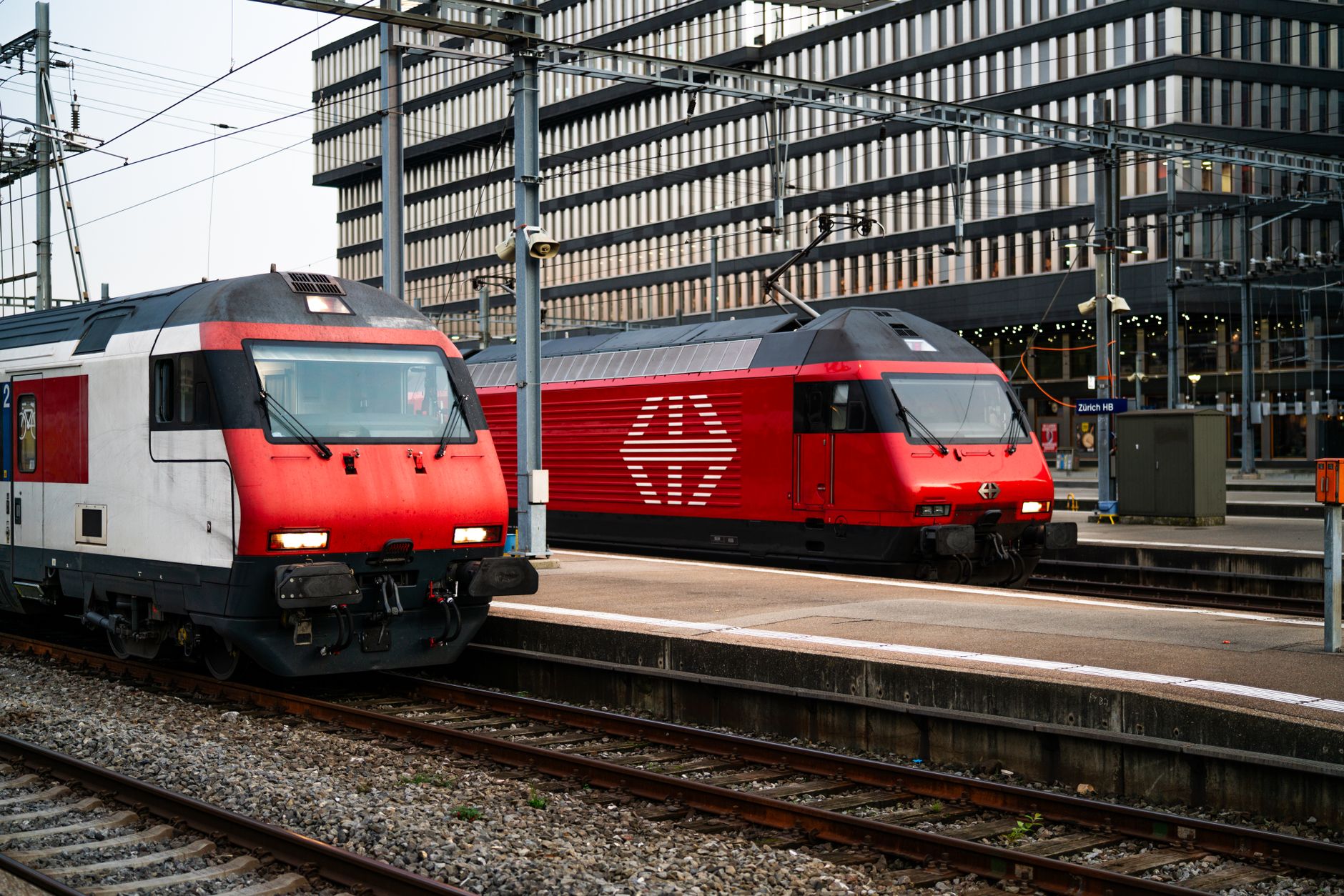
Skip the airport chaos and high carbon footprints. Backed by the latest 2024 transit data, this definitive guide reveals how to navigate Europe’s newly liberalized rail network like a seasoned travel journalist—saving hundreds of euros while uncovering the continent's most spectacular, low-stress routes. ---
The Hook: A Morning on the Rails
I stepped off the ÖBB Nightjet sleeper train at Vienna Hauptbahnhof and was instantly greeted by the rich, yeasty aroma of fresh cardamom buns and dark espresso wafting from the station bakery. My boots clicked against the clean, polished platform as the train’s air brakes hissed to a stop behind me.
There was no airport security queue, no liquid restrictions, and no baggage reclaim stress. I had fallen asleep in Hamburg and woken up in the heart of Austria, ready to start my day.
``` [London] ──(Eurostar)── [Paris] ──(TGV)── [Munich] ──(Nightjet)── [Vienna] │ (Semmering) │ [Graz] ```
For the past decade, I’ve tracked the shifting landscape of European rail. In 2024, the data shows a massive paradigm shift. Thanks to market liberalization, new night train operators, and cross-border alliances, traveling Europe entirely by train isn't just a romantic dream—it is faster, cheaper, and more efficient than flying.
This is the definitive, data-backed guide to mastering the European tracks.
---
1. The 2024 Rail Revolution: What the Data Tells Us
The European rail network has changed more in the last 24 months than it did in the previous two decades. According to the European Commission's latest rail market monitoring report, passenger-kilometers have surged by over 30% post-pandemic.
This boom is driven by two major factors: liberalization (competition on high-speed lines) and the renaissance of night trains.
``` EUROPEAN RAIL LIBERALIZATION EFFECT (2020-2024) Route: Madrid to Barcelona ┌────────────────────────────────────────────────────────┐ │ 2020 (Monopoly - Renfe AVE): Average Fare €81 │ ├────────────────────────────────────────────────────────┤ │ 2024 (Competition - AVE, Avlo, Ouigo, Iryo): Fare €29 │ └────────────────────────────────────────────────────────┘ Data Source: CNMC Spain Transit Report 2024 ```
In Spain, the entry of low-cost operators like Ouigo and Iryo alongside the national carrier Renfe has slashed average ticket prices on the Madrid–Barcelona corridor by a staggering 43%.
Meanwhile, in Italy, the fierce rivalry between state-owned Trenitalia (Frecciarossa) and private operator Italo has turned the Milan–Rome route into a high-speed transit masterclass, with trains departing every 10 minutes during peak hours.
The Takeaway: You no longer need to rely on a single, expensive national carrier. Knowing which private operators exist can save you up to 60% on high-speed tickets.
---
2. The Great Debate: Eurail Pass vs. Point-to-Point Tickets
The most common question I receive is: “Should I buy a Eurail Global Pass or book individual point-to-point tickets?”
Thanks to recent pricing data, we now have a definitive mathematical answer.
``` +----------------------------+----------------------------+----------------------------+ | Metric | Eurail Global Pass | Point-to-Point Tickets | +----------------------------+----------------------------+----------------------------+ | Best For | Spontaneous, multi-country | Fixed itineraries, single | | | itineraries over 10+ days | country trips, early books | +----------------------------+----------------------------+----------------------------+ | Hidden Costs | High seat reservation fees | None (all-inclusive) | | | in FR, IT, and ES | | +----------------------------+----------------------------+----------------------------+ | Booking Window | Up to 11 months in advance | 60 to 180 days in advance | +----------------------------+----------------------------+----------------------------+ | Flex Rate | High (hop-on, hop-off on | Low (non-refundable promo | | | regional trains) | tickets) | +----------------------------+----------------------------+----------------------------+ ```
The "Hidden Fee" Trap
While a Eurail Pass offers incredible freedom, many first-timers don't realize that high-speed and night trains require mandatory, paid seat reservations.
- SNCF TGV (France): €10 to €20 per domestic journey.
- Eurostar (Cross-Channel): €30+ for a standard seat.
- Trenitalia Frecciarossa (Italy): €13 per domestic journey.
The Rule of Thumb
If you are traveling primarily in Germany, Austria, Switzerland, or the Benelux countries, Eurail is king. These countries do not require mandatory seat reservations on day trains; you simply board and sit in any open seat.
If you are traveling in France, Spain, or Italy, booking point-to-point tickets 60 to 90 days in advance via local apps is almost always cheaper and less stressful than managing Eurail reservations.
---
3. The Golden Triangle: Mastering High-Speed Western Europe
The high-speed rail corridor connecting London, Paris, Brussels, and Amsterdam is the busiest in Europe. With the merger of Eurostar and Thalys under the single Eurostar brand, booking has become more streamlined, but capacity remains tight.
``` [London St. Pancras] │ (2h 16m / Undersea) │ ▼ [Paris Gare du Nord] ──(1h 22m)──► [Brussels South] ──(1h 52m)──► [Amsterdam Centraal] ```
Pro-Tips for the Golden Triangle:
- The Eurostar 120-Day Rule: London to Paris/Brussels tickets open for booking 120 to 180 days in advance. Standard class tickets start at €44 one-way but can skyrocket to €250+ if booked last-minute. Mark your calendar and book the moment the window opens.
- The Brussels Bypass: If Eurostar tickets to Amsterdam are sold out or too expensive, book a ticket to Brussels South (Midi) instead. From there, hop on the frequent, reservation-free NS International (Intercity Direct) train to Amsterdam. It takes only an hour longer but can save you over €100 during peak season.
- The Hidden Entrance at Paris Gare du Nord: Avoid the chaotic main departure hall when boarding the Eurostar. Use the glass elevator located on the far right of the station facade (near track 3) to head directly up to the international terminal mezzanine, bypassing the worst of the ground-floor crowds.
---
4. The Mediterranean Rail Wars: Italy & Spain on a Dime
Nowhere is the benefit of rail liberalization clearer than in the Mediterranean. Here is how to exploit the competition for maximum savings.
Italy: Frecciarossa vs. Italo
The Milan–Florence–Rome corridor is served by two world-class operators running on the same high-speed tracks.
- Trenitalia’s Frecciarossa 1000 is the state-run gold standard. It features four classes of service, including Executive (which includes a high-end meal and meeting room).
- Italo is the private challenger. It is often 15-20% cheaper and features a cinema car on select routes.
Insider Secret: Download both the Trenitalia and Italo apps. Compare prices for the exact same hour. Often, Italo will run promo codes (advertised directly on their homepage banner) offering up to 40% off weekend travel.
``` [Milan Central] │ (2h 03m / High-speed) │ ▼ [Florence S.M.N.] │ (1h 32m / High-speed) │ ▼ [Rome Termini] ```
Spain: The Four-Way Battle
Spain now boasts the most competitive high-speed rail market in the world. On the Madrid–Barcelona, Madrid–Valencia, and Madrid–Seville routes, you can choose between:
- AVE (Renfe): The premium, full-service state option.
- Avlo (Renfe): Renfe’s low-cost, no-frills brand.
- Ouigo España: A subsidiary of French SNCF, utilizing double-decker high-speed trains.
- Iryo: Backed by Trenitalia, offering the most stylish interiors and exceptional onboard dining.
Pro-Tip: Iryo’s Infinita class offers premium leather seats and a hot meal served at your seat for a fraction of the price of a standard airline ticket.
---
5. The Night Train Renaissance: Sleeper Routes to Book Now
Night trains are no longer the drafty, dilapidated relics of the 1980s. Led by Austria’s ÖBB and its Nightjet brand, sleeper trains have become the ultimate travel hack: they save you the cost of a hotel room while moving you across the continent.
``` [Hamburg / Munich] │ (Nightjet Sleeper) │ ▼ ┌──────────────┬──────┴──────┬──────────────┐ ▼ ▼ ▼ ▼ [Vienna] [Zurich] [Venice] [Rome] ```
Key Nightjet Routes:
- Paris to Berlin: A newly launched route running three times a week.
- Munich to Venice/Genoa: Wake up to the sunrise over the Venetian lagoon or the Ligurian coast.
- Brussels/Amsterdam to Zurich: Perfect for connecting the Low Countries with the Swiss Alps.
How to Book the New "Mini Cabins"
ÖBB recently introduced next-generation Nightjet trains featuring Mini Cabins—private, capsule-hotel-style pods designed specifically for solo travelers. They feature adjustable lighting, a mirror, secure lockers for luggage, and a sliding screen for complete privacy.
``` +---------------------------------------------------------------------------------+ | ÖBB NIGHTJET MINI CABIN LAYOUT | | | | [ Lockers ] [ Integrated Mirror & USB Ports ] [ Adjustable Reading Light ] | | ┌───────────────────────────────────────────────────────────────────────────┐ | | │ │ | | │ Private Sleeping Mattress │ | | │ │ | | └───────────────────────────────────────────────────────────────────────────┘ | | [ Sliding Privacy Door ] [ Fold-out Work Table ] | +---------------------------------------------------------------------------------+ ```
Insider Booking Hack: Nightjet tickets sell out months in advance, particularly for private deluxe compartments. Book exactly 180 days in advance at 12:00 AM Central European Time (CET) directly on the ÖBB website (`nightjet.com`). Do not use third-party consolidators; they do not show real-time cabin availability or allow specific compartment selection.
---
6. The Alpine Scenic Masters (Without the Premium Price Tag)
Switzerland’s scenic trains, like the Bernina Express and the Glacier Express, are world-famous—and highly expensive, requiring hefty seat reservation fees and tourist-inflated ticket prices.
Here is the ultimate insider bypass: Take the local regional trains on the exact same tracks.
``` [Chur] │ (Samedan / Albula Line - Regional) │ ▼ [St. Moritz] │ (Bernina Pass - Regional Train) │ ▼ [Tirano] ```
The Bernina Express Hack:
Instead of booking the official red Bernina Express panoramic train from Chur to Tirano, take the local Rhätische Bahn (RhB) regional train.
- Cost Savings: You save the mandatory €20-€28 reservation fee.
- Better Photos: The panoramic windows on the official tourist train do not open, creating severe glare in photos. The regional train windows slide down completely, allowing you to breathe in the crisp mountain air and photograph the iconic Landwasser Viaduct without glass reflections.
- Flexibility: You can hop off at intermediate stations like Ospizio Bernina (the highest point of the line at 2,253 meters) to walk around the glacial lakes, then board the next regional train an hour later.
---
Quick Facts & Logistics Checklist
To make your planning seamless, here is a breakdown of the essential logistics for a cross-continental rail journey.
- Average Daily Rail Budget:
- Budget: €30-€50/day (using regional trains, advance booking, or Eurail Youth Passes).
- Mid-Range: €80-€120/day (First-class high-speed trains, booked 30 days out).
- Luxury: €200+/day (Private sleeper compartments, Executive class on Frecciarossa).
- Best Time to Visit: May to September for long daylight hours and scenic views; October to November for empty trains and stunning autumn foliage in the Alps.
- Essential Navigation Tool: The DB Navigator app (Deutsche Bahn). Even if you are not traveling in Germany, this app contains the most accurate, real-time database of almost every train timetable across Europe. Use it to check platforms, delays, and connections.
- Luggage Rules: Unlike airlines, there are no weight limits on European trains. As long as you can lift your bag onto the overhead rack or carry it up the train steps yourself, you can bring it.
---
The Master Itinerary: The Ultimate 14-Day Cross-Europe Route
For those looking to experience the absolute peak of European rail infrastructure and scenery, follow this data-optimized 14-day loop:
``` [London] ──► [Paris] ──► [Munich] ──► [Innsbruck] ──► [Venice] ──► [Rome] ```
- Day 1-3: London to Paris (Eurostar) – Experience the high-speed dash under the English Channel.
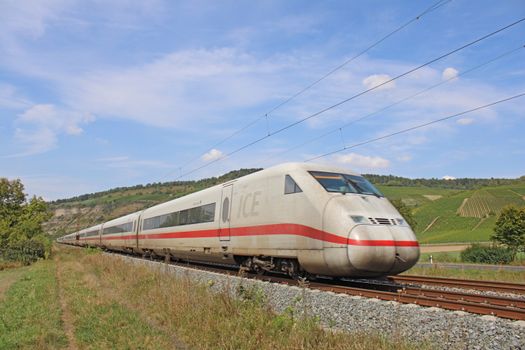
- Day 4-6: Paris to Munich (SNCF/DB ICE) – Speed through the French countryside at 320 km/h before crossing the Rhine into Germany.
- Day 7-8: Munich to Innsbruck (ÖBB EuroCity) – Climb through the rugged Bavarian Alps into the heart of the Austrian Tyrol.
- Day 9-11: Innsbruck to Venice (ÖBB EuroCity via Brenner Pass) – One of the most scenic trans-Alpine routes in the world, dropping down into the Italian plains.
- Day 12-14: Venice to Rome (Trenitalia Frecciarossa) – Fly across Italy at high speed, finishing your journey in the Eternal City.
Traveling Europe entirely by train is no longer a logistical headache reserved for backpackers with infinite time. Armed with the right booking windows, an understanding of the competitive rail landscape, and a few insider shortcuts, you can traverse the continent in absolute comfort, watching the world unfold outside your window—one spectacular mile at a time.
---
More pictures

Tags
Share this guide
We may earn a commission if you click a link and buy a product or service, at no extra cost to you. How affiliate links work.
Been there?