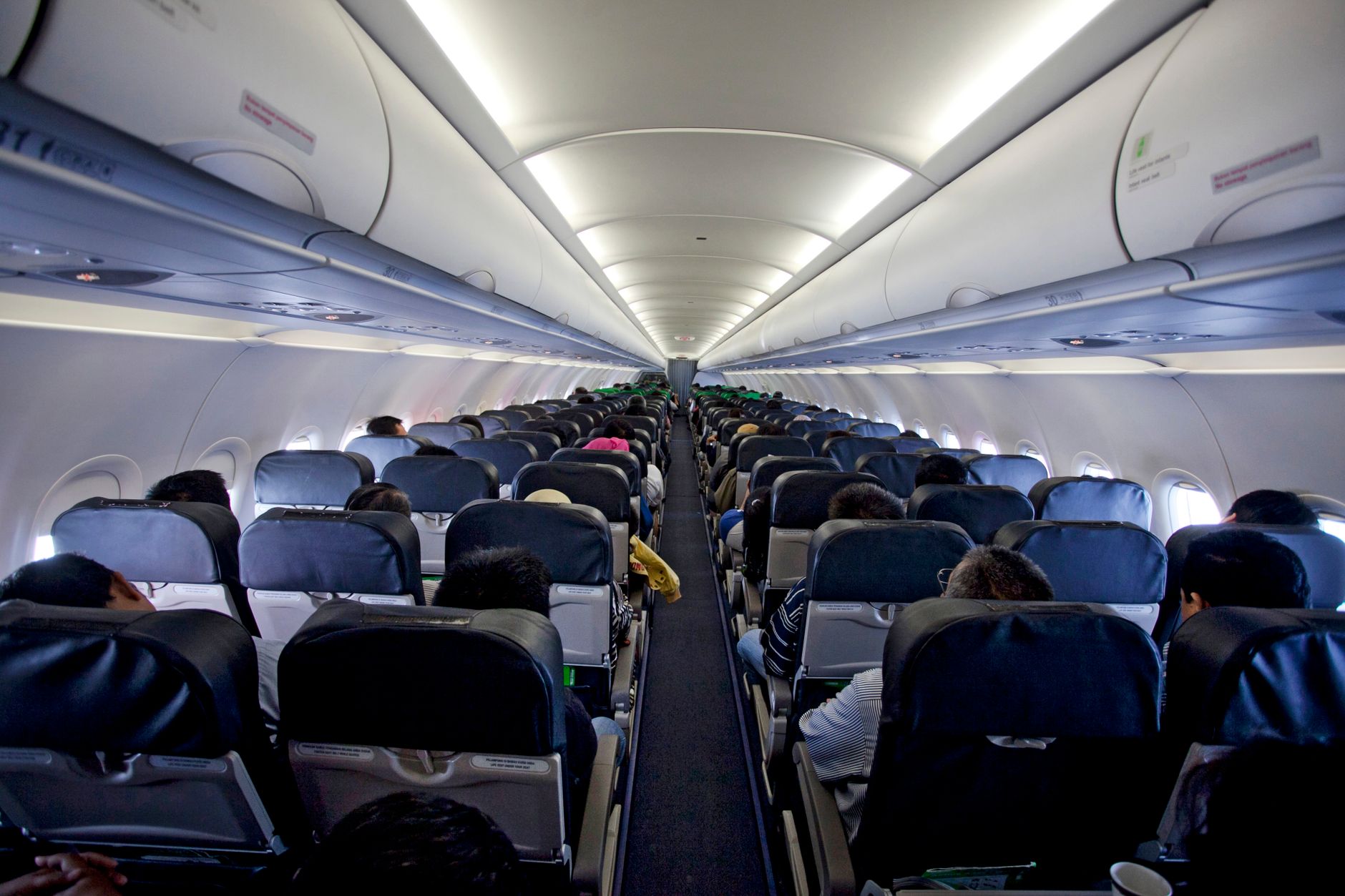
Dreaming of far-flung adventures with your little ones but dreading the journey? You're not alone! This ultimate guide transforms daunting long-haul flights with children into surprisingly joyful and manageable experiences, unlocking the world for your family. Get ready to conquer the skies, one giggle at a time! ---
From Chaos to Calm: How to Master Long-Haul Flights with Kids (An Experience You Need Before You Die!)
The memory is as vivid as yesterday: a 14-hour flight to Sydney, a then-three-year-old Lily screaming "NO MORE AIRPLANE!" at the top of her lungs, and a six-month-old Leo who had just projectile vomited all over me. The glares from fellow passengers felt like daggers, my husband looked like he was contemplating a parachute jump without a parachute, and I, well, I just wanted to disappear into the tiny lavatory and never come out. That, my friends, was our flight to hell.
Fast forward five years, countless international trips, and two more children later, and I can confidently say: we’ve cracked the code. We’ve flown to Bali, Tokyo, Rome, and even across the globe to Cape Town, not just surviving, but thriving. We’ve learned that flying long-haul with kids isn't just about enduring; it's about transforming the journey into part of the adventure. It’s an experience you truly need to master, because once you do, the entire world opens up to your family.
This isn't just a list of tips; it's a battle-tested playbook, forged in the trenches of economy class, refined through sticky fingers and unexpected turbulence. It's about empowering you to create those unforgettable family memories, from the moment you buckle up to the second you land. Ready to turn those pre-flight jitters into pre-flight excitement? Let's dive in!
1. The Pre-Flight Playbook: Setting Yourself Up for Soaring Success
The secret to a smooth flight isn't just what happens onboard; it's meticulous preparation. Think of yourself as a master strategist, planning every move before the game even begins.
Booking Smart: Your First Class Decision This is where it all begins. Don't just grab the cheapest ticket; consider the experience.
- Airlines Matter: Some airlines are far more family-friendly than others. Look for carriers known for excellent kids' meals, extensive in-flight entertainment, and even complimentary bassinets for infants (often available on long-haul routes – book these early!). Singapore Airlines, Emirates, and Qatar Airways are often lauded for their family services. For our last trip to Bali, we specifically chose Singapore Airlines for their fantastic kids' activity packs and attentive crew.
- Seat Selection is Key: If your budget allows, booking an extra seat for a toddler can be a game-changer, giving them (and you) much-needed space. Otherwise, try to secure bulkhead seats (extra legroom, often where bassinets are located) or seats closer to the lavatories for easier access. We always try for a window and middle seat combo, leaving the aisle free for quick escapes.
- Layovers: Friend or Foe? A direct flight is often best for shorter attention spans, but a well-planned layover can be a blessing. A 2-3 hour layover in a child-friendly airport (think Changi Airport in Singapore with its butterfly garden and slides!) allows kids to run off steam, grab a proper meal, and reset before the next leg. We once had an 8-hour layover in Dubai and booked a family room at the airport hotel – best decision ever for a transatlantic journey!
Packing Your Carry-On: The Mary Poppins Method Your carry-on is your lifeline. Pack it with purpose, thinking of every potential scenario.
- The Emergency Kit: Beyond the usual diapers and wipes, include a small first-aid kit (band-aids, antiseptic wipes, children's pain relievers), a change of clothes for everyone (yes, including you – remember Leo's projectile vomit?), and a small, empty bag for dirty clothes or trash.
- Snack Stash: We’ll delve deeper into food, but your carry-on should have a diverse arsenal of non-perishable, low-sugar snacks. Think fruit pouches, crackers, dried fruit, granola bars, and mini muffins.
- Comfort & Hygiene: Small travel pillows, a lightweight blanket, hand sanitizer, and a small pack of disinfectant wipes are essential. Wipe down tray tables, armrests, and seatbelt buckles as soon as you sit down – airports are germ factories!
- Documents & Meds: Keep passports, boarding passes, and any necessary medications (with prescriptions) easily accessible.
Airport Strategy: Beat the Rush, Embrace the Calm
- Arrive Early, But Not Too Early: Give yourself ample time for check-in, security, and potential meltdowns, but don't arrive so early that you're stuck waiting endlessly at the gate. A sweet spot is usually 2.5-3 hours for international flights.
- Pre-Security Prep: Before you hit the security line, do a quick "pit stop." Empty water bottles, put away tablets, and have liquids/laptops ready. Dress kids in easy-to-remove shoes.
- Gate Play: Once through security, find a less crowded area or a dedicated kids' play zone (if available) to let them burn off energy. A 20-minute runaround can make a huge difference to their in-flight calmness. We always make a game of spotting different airplane types!
2. The Art of In-Flight Engagement: Keeping Them Captivated
The biggest fear for parents on a long flight? Boredom-induced tantrums. The key is a multi-faceted approach to entertainment, blending screen time with creative play.
Screen Time Strategies: Your Digital Nanny (in Moderation)
- Download, Download, Download: Don't rely on spotty in-flight Wi-Fi or limited airline selections. Pre-download movies, TV shows, and educational apps onto tablets or phones. Our kids love the Libby app for audiobooks and the Toca Boca series for interactive play.
- Kid-Friendly Headphones: Invest in comfortable, volume-limiting headphones. The cheap earbuds provided by airlines are often uncomfortable for small ears and don't fit well. We swear by BuddyPhones – they're durable and come with a splitter for sharing.
- The "Reveal": Don't let them have all screen time from the get-go. Use it strategically – perhaps after a meal, or during a particularly turbulent period.
Non-Screen Wonders: Igniting Imagination at 30,000 Feet This is where the magic happens and where you create those Instagram-worthy moments of quiet concentration.
- The "Surprise Bag" Tactic: This is my absolute favorite. Before the trip, buy a few small, inexpensive, new toys, craft kits, or books. Wrap them individually and present one every hour or two. The novelty factor is immense. Think mini Lego sets, sticker books, Water Wow! pads, pipe cleaners, travel-sized play-doh, or a new coloring book with chunky crayons (less likely to roll away). For our flight to Rome, I found tiny Roman soldier figurines and a gladiatorial coloring book – it kept my son engrossed for ages!
- Busy Bags: These are curated bags with various small activities. Include a small notebook and pen, a deck of cards (Go Fish, Snap), brain teaser puzzles, or a small magnetic travel game (checkers, tic-tac-toe).
- Storytelling & Imagination: Encourage them to look out the window and make up stories about the clouds or the tiny towns below. Play "I Spy" or tell collaborative stories where each person adds a sentence.
- The Power of a New Book: A fresh picture book or a simple chapter book can be incredibly engaging.
Pro Tip: Rotate activities. Don't let them burn through everything in the first two hours. Pace it out like a seasoned entertainer!
3. Fueling the Journey: Food, Snacks, and Hydration Hacks
A hungry child is a grumpy child. A well-fed, well-hydrated child is a much happier travel companion. This is non-negotiable.
The Snack Stash: Your Secret Weapon
- Variety is Key: Pack a mix of savory, sweet (but not too sweet), crunchy, and soft options. Think cheese sticks, mini bagels, whole-grain crackers, fruit leathers, apple slices, carrot sticks, raisins, and those beloved fruit pouches.
- Avoid Sugar Crashes: While a treat is fine, too much sugar will lead to an inevitable energy spike followed by a dramatic crash. Stick to complex carbohydrates and proteins for sustained energy.
- Allergy Awareness: If your child has allergies, packing all their food is essential. Even if they don't, it's safer to have backups.
- Airline Meals: Pre-order kids' meals when booking, but always have your own snacks as backup. Airline kids' meals can be hit-or-miss, and often come out at inconvenient times. My daughter once got a "kids' meal" that was essentially a hot dog and chips on a flight to London – not exactly ideal!
Hydration Station: Keep Those Fluids Flowing
- Reusable Water Bottles: Bring empty reusable water bottles through security and fill them up at water fountains or ask flight attendants to fill them once onboard. Dehydration can exacerbate jet lag and general grumpiness.
- Avoid Sugary Drinks: Stick to water or diluted juice. The sugar and caffeine in sodas are not your friends on a long flight.
- Sip, Don't Gulp: Encourage regular sips throughout the flight.
Dealing with Airline Food (or the Lack Thereof):
- Be Flexible: Sometimes, the kids' meal is a winner; sometimes, it's barely touched. Don't stress. Your snack stash is there for a reason.
- Warm-Up Options: If you have a baby, flight attendants can usually warm bottles or baby food. Just ask!
4. Sleep Strategies for High Altitudes: Conquering Jet Lag & Restlessness
Sleep is precious, both for your kids and your sanity. While it's tough to replicate a home environment, you can create conditions conducive to rest.
Creating a Sleep Sanctuary in the Sky:
- Comfort Items: Bring their favorite small blanket, a beloved stuffed animal, or a familiar pillow. The scent and feel of home can be incredibly comforting. My son still travels with his worn-out teddy, "Barnaby."
- Travel Pillow: Invest in a good quality neck pillow for older kids. For toddlers, inflatable leg rests (like the JetKids BedBox or similar inflatable cushions) can transform their seat into a flat bed, making a huge difference. These are absolute game-changers, worth every penny (usually around $50-$100 depending on brand).
- Eye Masks & Earplugs/Headphones: Block out light and noise. Even if they don't sleep, resting with these on can be calming.
- Layer Up: Airplane cabins can fluctuate wildly in temperature. Dress kids in layers so you can easily add or remove clothing.
- Routine, Routine, Routine: Try to stick as closely as possible to their usual bedtime routine. Dim the lights around them (if possible), read a book, sing a quiet song.
Conquering Jet Lag (Before and After):
- Gradual Shift: A few days before departure, try to gradually adjust your kids' sleep schedule closer to the destination time zone. Even shifting by 30 minutes a day can help.
- Melatonin (Consult Your Pediatrician!): For older children struggling with jet lag, some parents find a small, doctor-approved dose of children's melatonin helpful for the first few nights at the destination. Always consult your pediatrician before giving any medication.
- Upon Arrival: Get them into natural light as soon as possible. Avoid long naps during the day, even if they're exhausted, to help them adjust to the local nighttime. Prioritize outdoor play.
5. The Parent's Pocket Guide: Self-Care & Sanity Savers
Let's be real: you're doing the heavy lifting. Don't forget to take care of yourself, too. Your calm demeanor is your children's anchor.
Tag-Teaming with a Partner:
- Shift Work: If you're traveling with another adult, divide and conquer. Take turns with active duty, allowing one parent to rest, watch a movie, or even just eat their meal in peace. On our flight to Tokyo, my husband and I had a clear schedule: he took the first 4 hours after takeoff, I took the next, and so on. It was a lifesaver.
- Communication: Talk about your expectations and needs before the flight. Who handles the diaper changes? Who manages the snacks?
Asking for Help (It's Okay!):
- Flight Attendants: They are there to help! Don't hesitate to ask for assistance with warming bottles, clearing trash, or even just a moment of distraction for your child. They've seen it all.
- Fellow Passengers: While you don't want to rely on strangers, don't be afraid to accept a kind offer of help. I once had a lovely woman offer to hold my baby for 15 minutes while I ate my meal – a true act of kindness that made all the difference. Sometimes, a friendly face and a quick chat can calm a restless child.
Mindset Matters: Embrace the Journey
- Lower Your Expectations: This isn't going to be a spa day. There will be noise, there will be mess, and there will be moments of frustration. Accept it.
- Celebrate Small Wins: Did your toddler sit still for 20 minutes? Did your baby sleep for a solid hour? Pat yourself on the back!
- Remember the "Why": You're doing this to create incredible family memories, to explore the world together. Keep that destination image in your mind. Imagine that first dip in the Mediterranean or that awe-struck gaze at the Eiffel Tower.
6. Post-Flight Recovery: Landing Softly (and Sanely)
You've done it! You've navigated the skies, conquered the cabin, and landed. Now, for the final leg of the journey: recovery.
The First 24 Hours: Slow and Steady Wins the Race
- Prioritize Sleep (Local Time): As tempting as it is to crash for a long nap, try to keep everyone awake until close to local bedtime. Then, aim for a solid, uninterrupted night's sleep.
- Hydrate & Nourish: Continue to drink plenty of water and eat light, healthy meals. Avoid heavy, greasy foods that can make jet lag worse.
- Get Outside: Natural light is the best remedy for resetting circadian rhythms. Head to a park, a beach, or simply take a walk outside. Fresh air and sunshine are magic.
- Don't Over-Schedule: Your first day (or two) should be low-key. Resist the urge to hit all the major attractions immediately. Allow for plenty of downtime, gentle exploration, and early bedtimes. We learned this the hard way after trying to tackle the Colosseum in Rome on zero sleep – never again!
Celebrate Your Achievement: You've just completed an epic journey with your children. That's a huge accomplishment! Take a moment to acknowledge your hard work, your patience, and your resilience. You've unlocked a whole new level of family travel.
Conclusion: The World Awaits (One Flight at a Time!)
Surviving long flights with children isn't just about getting from point A to point B; it's about embracing the adventure, learning resilience, and creating bonds that deepen with every shared experience. It’s about teaching your children that the world is a vast, wonderful place, and that even the journey itself can be filled with wonder.
From that nightmare flight to Sydney, we've transformed our approach, and in doing so, we've unlocked countless incredible family adventures. We've seen our kids' faces light up at the sight of cherry blossoms in Tokyo, watched them chase waves on the beaches of Maui, and explored ancient ruins in Greece – all because we dared to master the long-haul flight.
This isn't just a survival guide; it's a blueprint for unforgettable family memories. So, pack your bags, download those shows, and get ready to experience the world with your favorite tiny humans. The journey might be challenging, but the destinations, the memories, and the growth you'll experience as a family are truly an experience you need to have before you die.
What are YOUR go-to tips for long flights with kids? Share your wisdom in the comments below! Let's build the ultimate community resource for adventurous family travelers! Don't forget to share this post with any parent dreaming of their next big adventure!
---
More pictures



Tags
Share this guide
We may earn a commission if you click a link and buy a product or service, at no extra cost to you. How affiliate links work.
Been there?