
Ever dreamt of ditching the cubicle for a beachfront view or a mountain retreat? This isn't just a fantasy – it's an achievable reality. Discover how to build your perfect mobile office and unlock a life of freedom, adventure, and productivity, experiencing the world before it's too late. ---
Your Great Escape: Ditching the Cubicle for the World's Most Epic Office Views
I remember the exact moment it clicked. I was hunched over my laptop, not in a sterile office, but on a sun-drenched balcony overlooking the Aegean Sea in Santorini. The whitewashed buildings cascaded down the cliffside, the caldera shimmered in the distance, and a gentle breeze carried the scent of bougainvillea. I’d just finished a client report, and instead of commuting home to traffic, I took a deep breath, closed my laptop, and walked five steps to watch one of the most breathtaking sunsets of my life. That, my friends, was my mobile office.
For years, the idea of "working from anywhere" felt like a distant, unattainable dream – a privilege reserved for a select few. I pictured myself stuck in a grey cubicle, scrolling through Instagram feeds filled with envious shots of digital nomads sipping coconuts on a beach. But then I realized: why couldn't that be me? Why couldn't you be that person?
The truth is, the world of work has fundamentally changed. The rise of remote opportunities, coupled with incredible advancements in technology, means your office can now be anywhere you choose. And let me tell you, experiencing this freedom – waking up to new horizons, immersing yourself in diverse cultures, and truly living life on your own terms – is something you absolutely need to do before you die.
This isn't just about escaping; it's about enriching your life, expanding your perspective, and proving to yourself what's possible. It's about setting up a mobile office that empowers you to explore, learn, and grow, all while maintaining your professional commitments. Ready to trade fluorescent lights for natural wonders? Let's dive in.
1. The Mindset Shift: Why & How to Break Free
Before you even think about packing your bags, you need to cultivate the right mindset. This isn't just a vacation; it's a lifestyle. It requires discipline, adaptability, and a fierce determination to make it work.
Why Make the Leap? For me, it was the craving for adventure, the desire to learn new languages, and the yearning for a life that felt truly lived. The benefits are immense:
- Freedom & Flexibility: Design your own schedule, work when you're most productive, and take breaks to explore.
- Cultural Immersion: Live like a local, not just a tourist. Learn, grow, and challenge your perspectives.
- Cost of Living: Often, you can significantly reduce your living expenses by moving to countries with a lower cost of living, stretching your income further.
- Personal Growth: Navigating new environments, solving problems on the fly, and stepping out of your comfort zone builds incredible resilience and self-reliance.
Breaking the Chains: Finding Remote Work So, how do you actually make the jump?
- Assess Your Current Role: Can your current job be done remotely? Propose a trial period to your employer. Highlight the benefits: increased productivity (no commute!), access to global talent pools, and reduced office overhead.
- Seek Remote Opportunities: Websites like Remote.co, We Work Remotely, FlexJobs, and LinkedIn are goldmines for remote-specific roles in tech, marketing, writing, design, and more.
- Freelance or Start Your Own Business: This offers the ultimate flexibility. Platforms like Upwork, Fiverr, and Toptal connect freelancers with clients worldwide. My first taste of true location independence came from freelancing as a content writer – the world became my client list!
- Upskill: Invest in skills that are highly valued in the remote economy, such as digital marketing, web development, graphic design, or virtual assistance.
The biggest hurdle is often fear – fear of the unknown, fear of failure. But remember that exhilarating feeling when you first stepped out of your comfort zone? This is that, multiplied by a thousand. Take the leap; the net will appear.
2. The Nomad's Toolkit: Essential Gear for Uninterrupted Work
Your mobile office is only as good as its tools. Investing in reliable, portable equipment is non-negotiable. After a few frustrating encounters with dodgy Wi-Fi and dead batteries in remote corners, I've curated my go-to setup.
- The Brains: Your Laptop
- Recommendation: A lightweight, powerful laptop is key. I swear by my MacBook Air for its portability, battery life, and robust performance. Alternatives include the Dell XPS 13 or Microsoft Surface Laptop.
- Tip: Don't skimp on RAM (16GB minimum) and storage (256-512GB SSD) if your work is demanding.
- The Lifeline: Internet Connectivity
- Primary: A reliable local SIM card with a generous data plan. These are usually cheap and plentiful in most countries. I often use Airalo for eSIMs to get connected immediately upon landing.
- Backup: A portable Wi-Fi hotspot like a Skyroam Solis or GlocalMe is a lifesaver when local SIMs fail or you're in a pinch.
- Tip: Always check reviews for Wi-Fi quality when booking accommodation. A strong, stable connection is your most important amenity.
- Power Up: Keeping Everything Charged
- Universal Adapter: A good quality universal travel adapter with USB-C ports is essential. I use one from Skross or EPICKA.
- Portable Power Bank: For your phone, tablet, and even a laptop in emergencies. Look for one with at least 20,000mAh capacity and fast-charging capabilities (e.g., Anker PowerCore III Elite).
- Surge Protector: Crucial for protecting your electronics from unstable power grids, especially in developing countries. A compact one like the Belkin Mini Surge Protector is perfect.
- Ergonomics on the Go: Comfort & Productivity
- Portable Monitor: A game-changer for productivity. Brands like ASUS ZenScreen or ViewSonic VA1655 offer lightweight, USB-C powered monitors. I use one when I'm settling in a location for a month or more.
- Foldable Keyboard & Mouse: A compact, Bluetooth keyboard (like the Logitech K380) and a travel mouse (like the Logitech MX Anywhere 3) can make a huge difference to your wrist health.
- Laptop Stand: A small, foldable stand (e.g., Roost Stand or Nexstand) elevates your screen to eye level, saving your neck and back. Trust me, your chiropractor will thank you.
- Noise-Canceling Headphones: My Sony WH-1000XM4s are my portable productivity cocoon. Essential for blocking out noisy cafes, bus rides, or chatty hostel-mates.
- Software Essentials: Cloud storage (Google Drive, Dropbox), communication tools (Slack, Zoom), project management (Trello, Asana), and a VPN (NordVPN, ExpressVPN) for security on public Wi-Fi.
This might seem like a lot, but each item has saved me from a potential work crisis. My backpack is carefully curated, each piece serving a vital purpose in ensuring my mobile office is always open for business, whether I'm in a bustling city or a quiet mountain village.
3. Finding Your Perfect Workspace: Beyond the Coffee Shop
One of the joys (and sometimes challenges) of the mobile office life is finding your ideal workspace. While a beach might sound idyllic, sand in your keyboard and sun glare can quickly turn paradise into a pain.
- The Humble Coffee Shop:
- Pros: Abundant, vibrant atmosphere, caffeine on tap.
- Cons: Unreliable Wi-Fi, limited power outlets, noise, and the pressure to buy more drinks.
- Tip: Look for cafes specifically catering to remote workers. Apps like Workfrom or Nomad List can help. Always buy something, tip well, and don't hog a table for hours during peak times. My favorite find? A tiny, artsy cafe in Kyoto with surprisingly fast Wi-Fi and endless matcha lattes.
- The Social Hub: Coworking Spaces
- Pros: Dedicated workspace, reliable high-speed internet, ergonomic chairs, networking opportunities, amenities (printers, meeting rooms, coffee).
- Cons: Can be pricey, not available everywhere.
- Examples: WeWork, Selina, Impact Hub, and countless independent spaces. In Bali, Dojo Bali in Canggu is legendary, offering a vibrant community for around $150/month. In Lisbon, Second Home Lisboa at the LX Factory provides a stunning, plant-filled environment for about €250/month. Day passes typically range from $10-30.
- Anecdote: I once spent a month working out of a coworking space in Medellin, Colombia. Not only was the internet blazing fast, but I met incredible people from all over the world, sharing stories and even collaborating on projects. It transformed my solo journey into a communal adventure.
- Your Home Away From Home: Hotels & Airbnbs
- Pros: Privacy, comfort, often a dedicated desk.
- Cons: Can be isolating, Wi-Fi can be hit-or-miss.
- Tip: When booking, filter for "laptop-friendly workspace" and read reviews specifically mentioning Wi-Fi quality. Don't be afraid to message hosts directly to confirm internet speeds. For longer stays, negotiate a discount. My Airbnb in Da Lat, Vietnam, had a balcony overlooking a pine forest – the perfect blend of solitude and inspiration.
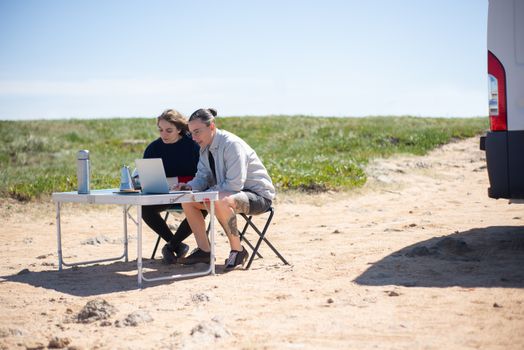
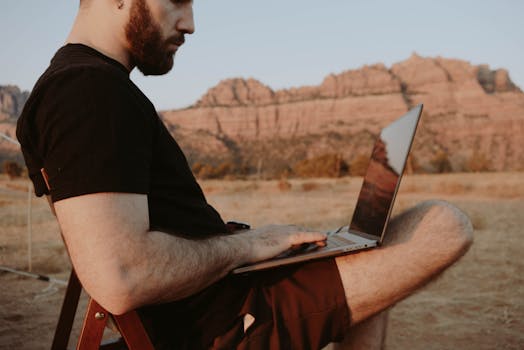
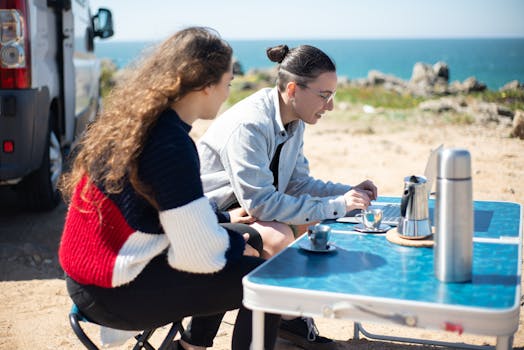
- Nature's Office (with caution!):
- Pros: Unbeatable views, fresh air, mental clarity.
- Cons: Glare, weather, lack of power, security risks, insects.
- Tip: Best for light tasks, brainstorming, or reading. Always have a fully charged device, a privacy screen for your laptop, and be aware of your surroundings. I've had productive afternoons in parks in Rome and by quiet lakes in Slovenia, but it's not a full-day solution.
The key is variety. Mix it up! One day, a bustling cafe, the next, a quiet coworking space, and maybe a few hours on your balcony. Adaptability is your superpower.
4. Mastering Productivity & Digital Nomad Life Hacks
The freedom of a mobile office comes with the responsibility of self-discipline. Distractions are everywhere, from stunning scenery to exciting new friends. Here’s how I stay on track.
- Time Management & Routine:
- Set a Schedule: Even if it's flexible, have a general idea of your work hours. I often work in "sprints" – 3-4 hours in the morning, a long break for exploration, and another 2-3 hours in the late afternoon.
- Time Zone Awareness: Use tools like World Clock or Calendly to schedule meetings that respect everyone's time zones.
- Batch Tasks: Group similar tasks together (e.g., all emails, all content creation) to minimize context switching.
- Pomodoro Technique: Work in focused 25-minute bursts with 5-minute breaks. It's surprisingly effective.
- Minimize Distractions:
- Noise-Canceling Headphones: Again, a lifesaver. Block out the world and dive into your work.
- App Blockers: Use apps like Freedom or Cold Turkey to temporarily block distracting websites and social media.
- Dedicated Work Space: Even in a small hotel room, try to designate a specific spot as your "office" to mentally separate work from leisure.
- Health & Wellness on the Go:
- Movement: Don't sit for eight hours straight! Take frequent breaks to stretch, walk, or explore your surroundings. I always try to incorporate a morning run or yoga session.
- Ergonomics: Use your portable laptop stand, external keyboard, and mouse whenever possible.
- Nutrition: It's easy to fall into the trap of eating out constantly. Try to find local markets and cook some of your own meals to maintain a balanced diet.
- Sleep: Prioritize sleep. Time zone changes and new environments can be disruptive, but a well-rested mind is a productive mind.
- Digital Security is Paramount:
- VPN: Always use a Virtual Private Network (VPN) like NordVPN or ExpressVPN when connecting to public Wi-Fi networks to encrypt your data.
- Strong Passwords & 2FA: Use unique, complex passwords for all accounts and enable two-factor authentication (2FA) wherever possible.
- Backup, Backup, Backup: Cloud storage (Google Drive, Dropbox) and an external hard drive are your best friends. Imagine losing all your work because your laptop took an unexpected dip in the ocean!
- Build a Community: Don't underestimate the importance of human connection. Seek out other digital nomads through Facebook groups, meetups (check Meetup.com), or coworking spaces. Sharing experiences, tips, and even frustrations can be incredibly grounding. I’ve made lifelong friends this way, from a fellow writer in Portugal to a software engineer in Thailand.
This lifestyle isn't just about work; it's about balance. The goal is to integrate your work seamlessly into a life of adventure, not to replace one kind of grind with another.
5. Location, Location, Location: Dream Destinations for Your Mobile Office
Now for the fun part: where will you set up your mobile office? The world is literally your oyster! Here are some tried-and-tested favorites that offer a great blend of affordability, infrastructure, and adventure.
- Bali, Indonesia: The quintessential digital nomad hub.
- Why: Lush rice paddies, spiritual retreats, world-class surfing, vibrant culture, and a thriving nomad community.
- Where: Ubud for tranquility, yoga, and cultural immersion; Canggu for surf, trendy cafes, and lively nightlife.
- Cost: Highly affordable. Accommodation (guesthouse/villa) $500-1000/month. Meals $3-10. Coworking (Dojo Bali, Outpost) $100-200/month.
- Internet: Generally good in major areas.
- My Experience: My first taste of long-term nomad life was in Canggu. Waking up to the sound of roosters, grabbing a fresh smoothie, and then heading to Dojo Bali for a productive morning, followed by a surf session before sunset – it felt like a cheat code for life.
- Lisbon, Portugal: Europe's rising star for remote workers.
- Why: Historic charm, delicious food, vibrant nightlife, friendly locals, relatively low cost for Western Europe, and a welcoming digital nomad visa program.
- Where: Alfama for old-world charm, Bairro Alto for nightlife, Príncipe Real for trendy boutiques.
- Cost: Moderate. Accommodation $800-1500/month. Meals $10-20. Coworking (Second Home, Avila Spaces) $200-350/month.
- Internet: Excellent.
- My Experience: Lisbon captured my heart. Working from a cafe overlooking the Tagus River, then exploring ancient castles and indulging in pastel de nata – it perfectly blended European sophistication with a laid-back vibe. The ease of getting a digital nomad visa here is a huge bonus.
- Medellin, Colombia: The "City of Eternal Spring."
- Why: Beautiful weather year-round, stunning mountain scenery, rich culture, increasingly modern infrastructure, and incredibly friendly people.
- Where: El Poblado is the most popular area for expats and nomads, with cafes, restaurants, and coworking spaces.
- Cost: Very affordable. Accommodation $600-1000/month. Meals $5-15. Coworking (Selina, WeWork) $100-250/month.
- Internet: Good in urban areas.
- My Experience: I was blown away by Medellin. The vibrant street art, the delicious local food, and the warmth of the Paisa people made it an unforgettable experience. The metro system is fantastic, making it easy to explore different neighborhoods after a day of work.
- Chiang Mai, Thailand: The OG digital nomad hub in Southeast Asia.
- Why: Budget-friendly, rich Lanna culture, beautiful temples, delicious street food, and a well-established nomad community.
- Where: Nimmanhaemin (Nimman) for trendy cafes and coworking, Old City for cultural immersion.
- Cost: Super affordable. Accommodation $300-600/month. Meals $2-5. Coworking (Punspace, Hubba) $50-150/month.
- Internet: Reliable.
- My Experience: Chiang Mai was my entry point into Southeast Asia. The sheer number of temples, the bustling night markets, and the incredibly cheap and delicious food made it an ideal base for getting started. It's a place where you can truly live comfortably on a modest budget.
- Playa del Carmen, Mexico: Caribbean beaches meet remote work.
- Why: Stunning beaches, vibrant nightlife, cenotes, Mayan ruins nearby, and a growing expat community.
- Cost: Moderate. Accommodation $700-1200/month. Meals $5-15. Coworking (Nest, The Fives Downtown) $150-300/month.
- Internet: Decent, but can be slower than major cities.
- My Experience: Imagine taking a break from work to swim in a crystal-clear cenote or explore ancient Mayan ruins like Chichen Itza. Playa del Carmen offers that perfect blend of work and tropical adventure, with tacos always within reach.
These are just a few examples. Do your research, consider your budget, and think about what kind of experience you crave: bustling city, serene nature, or vibrant beach town.
6. Navigating the Logistics: Visas, Money & More
Once you've chosen your destination, the practicalities kick in. Don't let these details overwhelm you; with a little planning, they're easily managed.
- Visa Know-How: This is crucial. Most countries offer tourist visas, which typically range from 30 to 90 days. Crucially, a tourist visa does NOT usually permit you to work for local companies. However, working remotely for clients or employers outside the country is often a grey area, widely tolerated as long as you're not taking local jobs.
- The Digital Nomad Visa: This is a game-changer! Countries like Portugal, Spain, Croatia, Estonia, Mauritius, Costa Rica, and Dubai now offer specific visas designed for remote workers. These typically require proof of remote income (e.g., $2,000-$4,000 USD/month), health insurance, and a clean criminal record. They allow you to legally live and work in the country for 6-12 months, often renewable. Always check the latest requirements for your chosen destination.
- Money Matters:
- International Banking: Traditional banks can hit you with hefty fees. I highly recommend Wise (formerly TransferWise) and Revolut for international money transfers, multi-currency accounts, and debit cards with excellent exchange rates and low fees.
- Budgeting: Track your expenses religiously. Apps like You Need A Budget (YNAB) or Mint are invaluable.
- Emergency Fund: Always have at least 3-6 months of living expenses saved for emergencies.
- Insurance for the Nomad:
- Travel Insurance: Standard travel insurance is a must for medical emergencies, lost luggage, and trip interruptions. Look for providers that specifically cover remote workers, like SafetyWing or World Nomads. SafetyWing, in particular, is designed for digital nomads.
- Health Insurance: If you're staying long-term, consider local health insurance options or ensure your travel insurance has comprehensive medical coverage.
- Taxes (The Un-Fun Part):
- This is complex and highly individual. Your tax residency can be a maze, depending on how long you spend in different countries, your citizenship, and your income source.
- Tip: Consult with a tax professional specializing in international taxation. Don't guess; get expert advice to avoid future headaches.
Navigating bureaucracy can be daunting, but it's part of the adventure. I once spent a hilarious (in retrospect) afternoon in a tiny post office in rural Portugal trying to figure out a tax number, communicating entirely through Google Translate and hand gestures. It was frustrating at the time, but it's now a cherished memory of overcoming a challenge.
7. The "Before You Die" Factor: Making it an Experience, Not Just Work
Setting up a mobile office isn't just about changing your location; it's about transforming your life. The "before you die" aspect isn't just a catchy phrase; it's a profound call to intentional living.
- Immerse Yourself, Don't Just Observe:
- Learn the Language: Even basic phrases can open doors and create genuine connections. "Obrigado" in Portugal, "Terima kasih" in Indonesia, "Gracias" in Colombia – these small efforts are always appreciated.
- Eat Local: Ditch the tourist traps. Seek out street food, local markets, and hidden gems. Try that weird-looking fruit!
- Engage with Locals: Strike up conversations. Ask for recommendations. Learn about their traditions and way of life. These are the interactions that truly enrich your journey.
- Balance Work and Exploration:
- Schedule Adventure: Just as you schedule work, schedule time for exploration. Book that hike, plan that day trip, visit that museum.
- Embrace Spontaneity: While routine is good, leave room for serendipitous moments. Some of my best memories are from unplanned detours or last-minute invitations.
- Push Your Boundaries: Try that cooking class, go scuba diving, hike that volcano (yes, I did this after a workday in Guatemala!). These are the experiences that build character and create unforgettable stories.
- Document Your Journey:
- Photos & Videos: Capture the beauty around you. Share your experiences on Instagram, TikTok, or a personal blog. Inspire others!
- Journaling: Reflect on your experiences, challenges, and growth. This isn't just for sharing; it's for remembering and appreciating your incredible journey.
This mobile office lifestyle is your chance to truly live your life, not just work through it. It's about having that meeting with a backdrop of ancient ruins, replying to emails from a balcony overlooking a bustling market, or taking a client call while the scent of exotic spices drifts through your window. It's about proving that productivity and paradise can coexist.
The World Awaits: Your Office is Calling
The dream of a mobile office is no longer a luxury; for many, it's becoming a necessity, and for all, it's an unparalleled opportunity to live life to its fullest. From the bustling streets of Lisbon to the serene rice paddies of Bali, the world is brimming with incredible locations waiting to become your next workspace.
You have the power to design a life that truly excites you, one where work empowers your adventures rather than limiting them. It takes courage, planning, and a little bit of grit, but the rewards – the freedom, the experiences, the personal growth – are immeasurable.
So, what are you waiting for? Start researching, start saving, and start dreaming BIG. Your ultimate mobile office, set against a backdrop you've only seen in postcards, is within reach.
Which breathtaking destination will be the home of your first mobile office? Share your dreams in the comments below! Let's inspire each other to live and work fearlessly.
---
More pictures


Tags
Share this guide
We may earn a commission if you click a link and buy a product or service, at no extra cost to you. How affiliate links work.
Been there?