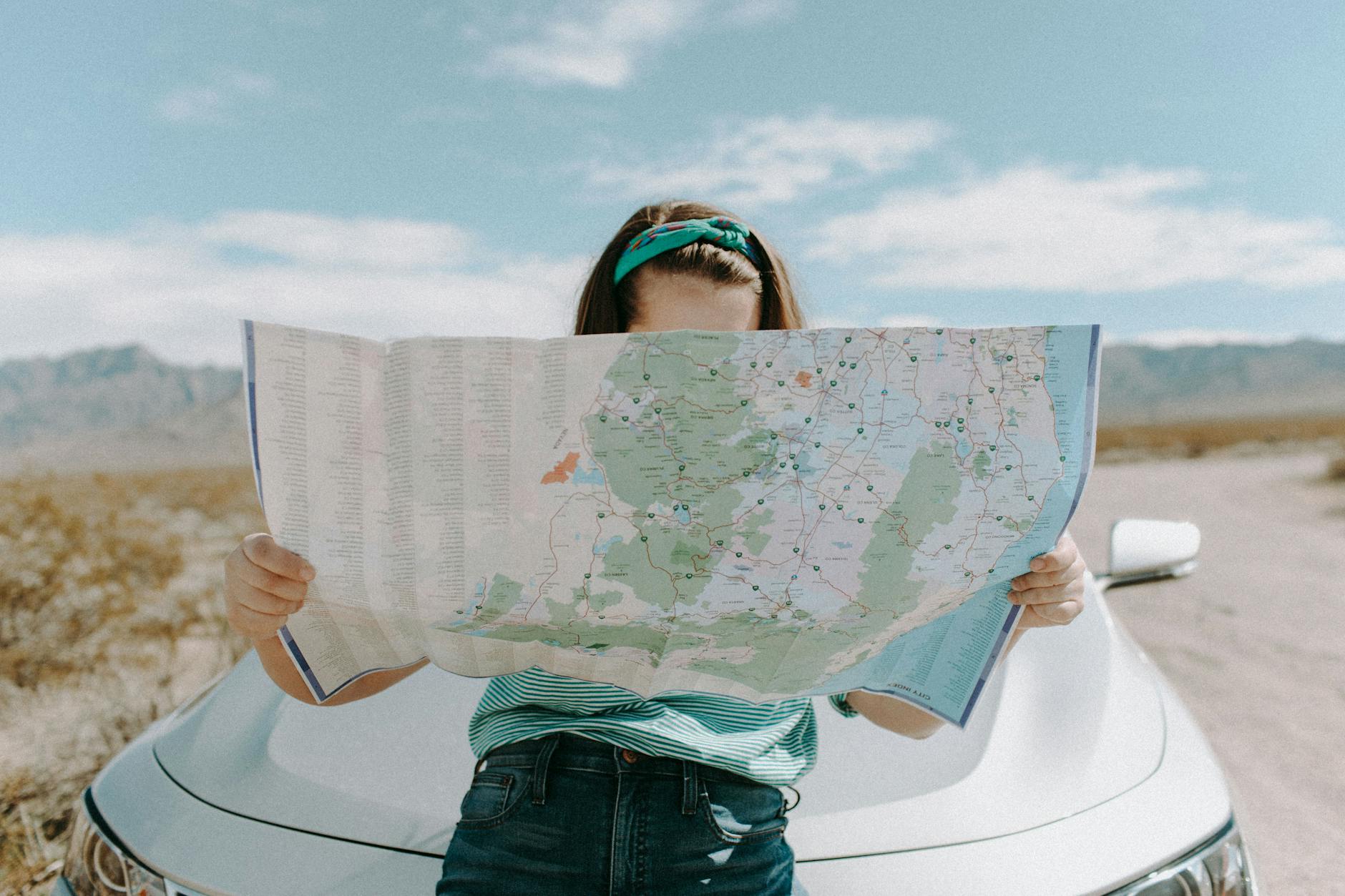
Planning a solo trip requires structured preparation, from choosing an accessible destination to booking transit and managing daily logistics. This guide outlines practical steps to help independent travelers organize safe, rewarding journeys with confidence.
Planning a solo trip comes down to breaking your journey into manageable stages: selecting a destination that matches your comfort level, building a realistic budget that accounts for solo costs, booking your essentials in the right sequence, and leaving room for flexibility. By managing logistics methodically before departure, you can minimize stress and fully enjoy the independence of traveling on your own terms.
Choosing the right destination for your solo trip
Selecting where to go is often the most daunting part of the process. For solo travel, the ideal location is not necessarily the cheapest or the most remote; it is the one that offers reliable infrastructure, clear transit networks, and an environment where you feel secure navigating independently.
Matching places to your experience level
If this is your first solo journey, we recommend selecting a destination with low language barriers, dependable public transport, and a reputation for traveler safety. Once you build confidence, you can look toward places that require more complex overland transit or hands-on self-navigation.
Our team often points travelers toward destinations that balance convenience with cultural variety:
- Japan: Highly regarded for its low crime rate, punctual train systems, and single-diner culture. Cities like Tokyo, Kyoto, and Osaka make independent dining, transit, and sightseeing straightforward and comfortable.
- Portugal: Compact, affordable relative to Western Europe, and easy to navigate by rail between Lisbon and Porto. The local tourism infrastructure is mature, and English is widely spoken in primary hubs.
- Iceland: Ideal for solo travelers who want outdoor exploration. Renting a car to drive the primary Ring Road provides simplicity, safe roads, and clear signage, though travelers must respect shifting weather patterns.
- Thailand: Long established as a hub for solo travelers. Bangkok and Chiang Mai feature well-marked transit, accessible domestic flights, and an established network of social accommodations, making it simple to meet other people if desired.
Evaluating infrastructure and safety
Before finalizing a destination, evaluate how easy it will be to get around alone. Consider whether rideshare services exist, how late public transit runs, and whether walking between your lodging and main sights after dark is practical. We always suggest checking your government's official travel advisory pages for the latest safety updates and health guidance before committing to a ticket.
Deciding on timing and trip length
Timing dictates your costs, the density of crowds, and your daily experience. When traveling alone, crowd levels can significantly influence how connected or overwhelmed you feel.
Balancing seasons and crowds
Peak summer months in popular regions mean higher room rates, crowded museums, and long lines where you will wait without companions to pass the time. Shoulder seasons—typically spring and autumn in temperate climates—often provide the best compromise. You get milder temperatures, shorter queues, and lower nightly rates on single-occupancy rooms.
Off-season travel lowers costs even further, but you must check whether attractions operate on reduced schedules or shut down entirely. If you want a quick way to ask specific seasonal questions about local transit or weather, our AI assistant Tripsora helps you research regional variations without sifting through conflicting forum threads.
Determining the right trip duration
For a first solo outing, a trip of five to seven days is often sufficient. It allows you to settle into the rhythm of making every decision yourself without leading to travel fatigue. For experienced solo travelers, two to three weeks provides enough time to establish a comfortable daily pace, take rest days, and explore multiple regions without burning out.
Budgeting for independent travel
Budgeting for solo travel requires a distinct approach because you cannot split fixed expenses like hotel rooms, rental cars, or cab fares with a partner.
Navigating the single supplement
Accommodations represent your largest single expense. Traditional hotels charge per room rather than per guest, which means solo travelers effectively shoulder the full cost. To manage this:
- Look for hotels offering dedicated single rooms, common in European and East Asian cities.
- Consider boutique hostels that provide private en-suite rooms alongside shared social spaces.
- Use self-catering apartments for longer stays to reduce the cost of eating out three times a day.
Core expense categories to track
Build your budget around four major pillars: transit, lodging, food, and activities. We advise adding an emergency buffer of roughly 15 to 20 percent above your calculated baseline. This cushion ensures you can pay for a metered taxi if you feel uncomfortable walking at night, purchase a new transit ticket if you miss a connection, or handle unexpected medical visits without straining your finances.
The proper booking order
Booking reservations in the wrong sequence can lead to expensive cancellation fees or mismatched arrival times. We recommend a phased approach.
Phase 1: Flights and main transit hubs
Book your long-haul transit first. Look for flights that arrive during daylight hours. Arriving in a new city at 2:00 PM gives you ample time to collect your luggage, clear customs, find your ground transit, and check into your room before dark. Avoid booking arrivals that land past 10:00 PM, when transit lines might be running on night schedules and information desks are closed.
Phase 2: Accommodations with flexible cancellation
Once your dates and arrival airports are locked, secure your accommodations. Choose options that provide free cancellation up to a few days before arrival. This allows you to adjust your route later if you decide to spend more time in a specific town.
Phase 3: High-demand tickets and day trips
Major landmarks, high-speed rail seats, and popular museum entries often sell out weeks ahead. Secure these reservations next. To organize these entries into a sensible geographic route, our AI planner TripBuilder can generate structured day-by-day itineraries that keep you from crisscrossing a city unnecessarily. If you plan to rent a vehicle and drive rural stretches, RoutePlanner can help map realistic driving times and scenic stops.
Packing light and smart
When traveling solo, you are solely responsible for handling your bags. There is no one to watch your suitcase while you use a train station restroom or climb flights of stairs at a subway exit.
The single-bag principle
Aim to travel with a single carry-on roller bag or a 40-liter travel backpack, complemented by a small daypack. Carrying only what you can lift above your head makes boarding trains, walking across cobblestone streets, and navigating crowded platforms far less tiring.
Key packing priorities include:
- Versatile, quick-drying clothing that can be layered and washed in a sink.
- A compact, high-capacity portable power bank to ensure your phone never runs out of battery while navigating.
- A physical paper copy of your passport, travel insurance policy, and lodging confirmations stored separately from your phone.
- A basic first-aid kit containing personal prescriptions, pain relievers, and motion sickness tablets.
Common solo travel mistakes to avoid
Solo travelers frequently make logistical errors that drain their energy early in the journey.
Over-scheduling every hour
Without a travel partner to negotiate with, it is tempting to fill every morning, afternoon, and evening with activities. However, making continuous independent decisions is mentally taxing. Leave at least half a day open every three or four days to do laundry, sleep in, or sit in a park.
Neglecting arrival logistics
Never leave your arrival plans to chance. Before your flight takes off, know exactly which train, bus, or licensed taxi rank you will take from the terminal to your accommodation. Download an offline map of the area surrounding your hotel so you can navigate even if your mobile data takes time to activate.
Failing to establish a check-in protocol
Give a family member or trusted friend a copy of your basic itinerary, including hotel names and dates. Establish a simple routine, such as sending a text every morning or every couple of days. If something unexpected happens, someone at home should know where you were last scheduled to be.
A step-by-step solo planning checklist
Use this timeline to ensure you complete your tasks in a logical order.
Two to three months before departure
- Verify that your passport has at least six months of validity remaining from your planned return date.
- Check official government portals for visa requirements and entry regulations.
- Research destinations and narrow down your route.
- Purchase primary flights or long-distance train tickets.
One month before departure
- Book accommodations with good reviews from solo travelers.
- Purchase comprehensive travel insurance covering medical evacuation and trip interruption.
- Check mobile phone roaming plans or look into an eSIM provider for mobile data.
- Reserve timed-entry tickets for priority sights.
One week before departure
- Notify your bank of international travel dates to prevent card freezes.
- Download offline navigation maps and language packs.
- Save digital backups of your documents to secure cloud storage.
- Share your itinerary and emergency contacts with someone at home.
Day of departure
- Keep your portable power bank and essential medications in your personal daypack.
- Carry a small amount of local currency or confirm airport ATM availability.
- Confirm your ground transit route from the arrival airport to your lodging.
Frequently asked questions
Is solo travel safe for beginners?
Solo travel is safe for beginners who select well-traveled destinations with reliable public infrastructure and established safety records. By staying alert, keeping your belongings secure, and planning your arrival transit in advance, you can avoid the vast majority of common travel problems.
How do you avoid loneliness when traveling alone?
Loneliness can happen on any trip, but you can counter it by joining group walking tours, booking cooking classes, or staying at social guesthouses. Even small daily interactions with local baristas, shop owners, and fellow museum visitors help you feel connected to your surroundings.
What is the best way to handle money while abroad?
We recommend carrying two different debit or credit cards from separate banks, keeping one in your wallet and the other secured in your hotel room safe. Use no-foreign-transaction-fee cards for daily purchases, and withdraw modest amounts of cash from official bank-affiliated ATMs rather than standalone airport kiosks.
Should solo travelers book hostels or hotels?
Your choice depends on your preference for privacy versus social opportunities. Hostels make it easier to meet other travelers and find group activities, while hotels offer quiet recovery and personal space; booking a private room inside a reputable boutique hostel often provides the ideal balance of both.
Start planning
More pictures


Tags
Share this guide
We may earn a commission if you click a link and buy a product or service, at no extra cost to you. How affiliate links work.
Been there?