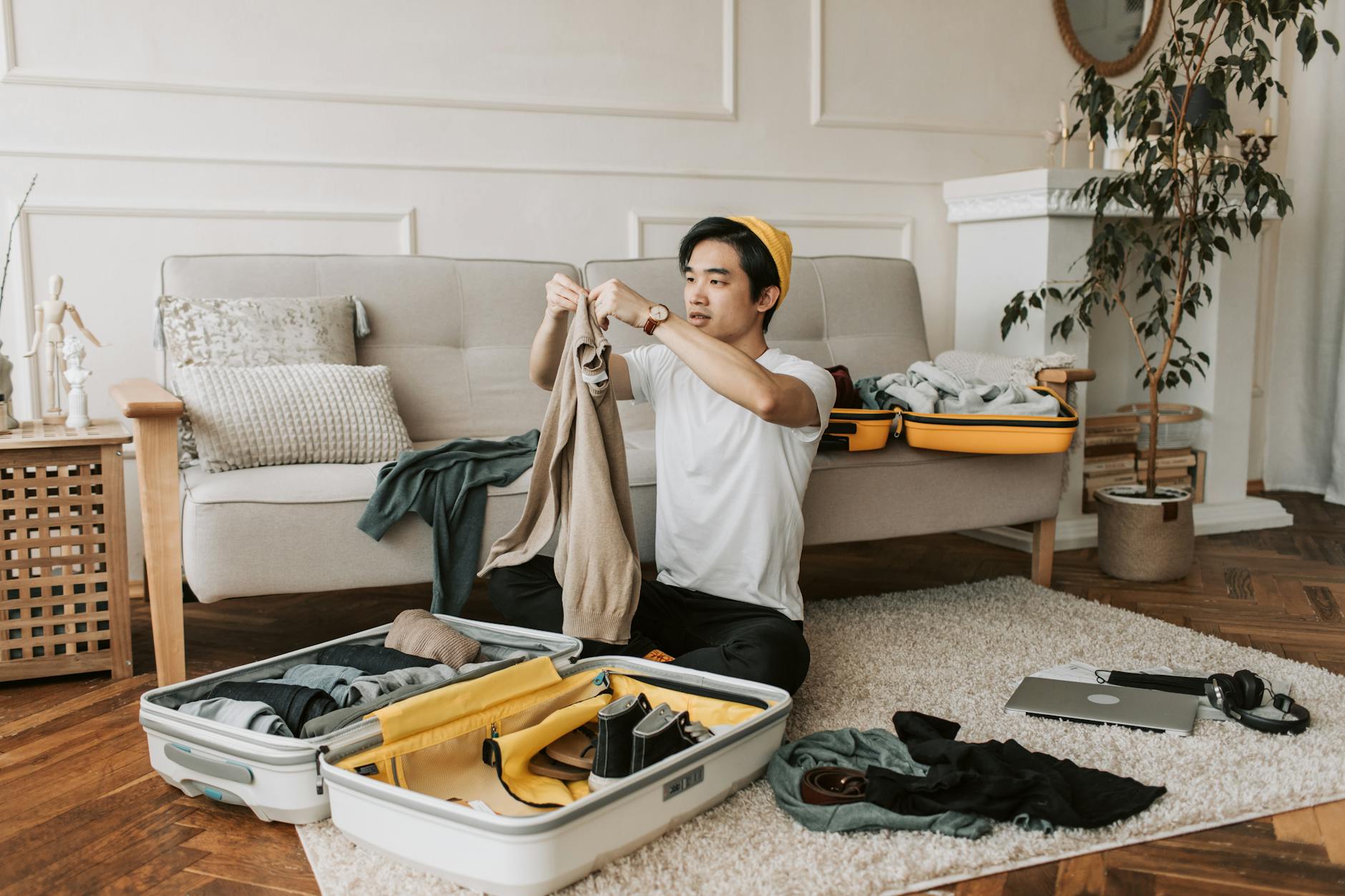
The rising tide of baggage fees is threatening to sink our travel budgets, turning dream trips into costly nightmares. But what if there was a way to navigate these murky waters completely free? Get ready to unlock the secret strategies to never paying for your luggage again, before these savvy hacks become common knowledge and airlines find new ways to charge. --- ##
The Baggage Fee Apocalypse: How I Learned to Fight Back (And You Can Too!)
It was a crisp autumn morning in Budapest, the kind where the air smells of roasted chestnuts and possibility. I was at Ferenc Liszt International Airport, buzzing with anticipation for my flight to Rome. But that buzz quickly turned into a stomach-dropping dread as I approached the check-in counter for a notoriously budget-conscious European airline (let’s just say their name rhymes with “fly-ran”). My perfectly packed, slightly-too-large carry-on was placed on the dreaded scale.
“That’ll be 60 euros, please,” the agent announced, her voice devoid of emotion. Sixty euros! For a bag that, in my mind, was definitely a carry-on. My heart sank faster than my budget. That 60 euros was supposed to buy me gelato, a colosseum tour, maybe even a fancy Italian dinner! Instead, it was vanishing into the airline’s abyss.
That moment, standing there, feeling utterly fleeced, was my turning point. I vowed never again. Never again would I be at the mercy of arbitrary weight limits, confusing size guides, or the ever-growing list of nickel-and-diming tactics employed by airlines worldwide. That day, I became a baggage fee ninja, and I’m here to arm you with the ultimate arsenal to join my ranks.
Baggage fees are no longer just a budget airline gimmick; they’re mainstream. From domestic giants like American and Delta charging for your first checked bag on basic economy, to international carriers tightening their carry-on policies, the writing is on the wall: if you don’t adapt, you’ll pay. But don't worry, fellow wanderer! I've spent years perfecting these strategies, and I’m about to reveal how you can beat the system and keep that hard-earned cash in your pocket for what truly matters: experiencing the world.
Ready to revolutionize your travel game? Let’s dive in!
1. The Golden Rule: Embrace the Carry-On Only Lifestyle (and Master the Personal Item)
This is the bedrock of baggage fee avoidance. If it doesn't leave your hand, it doesn't cost you extra. But it's not just about avoiding fees; it’s about freedom. Imagine skipping baggage claim, breezing through airports, and never worrying about lost luggage. Pure bliss!
Understanding the Carry-On Kingpin:
Most airlines allow one carry-on bag and one personal item. The carry-on typically goes in the overhead bin, while the personal item fits under the seat in front of you. Here’s where the magic (and the confusion) often begins.
- Carry-On Size & Weight: This is where you must do your homework. While standard carry-on dimensions are often around 22 x 14 x 9 inches (56 x 36 x 23 cm), this is not universal. Budget airlines like Ryanair and Wizz Air often have stricter, smaller limits, sometimes even charging for a standard carry-on unless you purchase a specific fare class. Full-service carriers like Delta, United, and British Airways are usually more lenient, but weight limits can still apply, especially internationally (e.g., 7kg/15lbs is common in Asia). Always check your specific airline's policy for your route before you fly.
- Tripsora Tip: Invest in a good, lightweight carry-on. My personal favorite is the Monos Carry-On Plus for its durability and smooth wheels, but for maximum space-to-weight ratio, a soft-sided bag like the Osprey Farpoint 40 backpack is unbeatable.
- The Personal Item – Your Secret Weapon: This is where you can truly outsmart the system. A personal item is typically defined as a small backpack, a laptop bag, or a purse that fits under the seat. But these definitions are often flexible. I've seen travelers board with surprisingly large "personal items."
- Maximize Your Personal Item:
- The Backpack: A well-designed travel backpack (like the Aer Travel Pack 3 or Nomatic Travel Bag) can hold a surprising amount and often slides under the seat without issue, even if it looks a bit chunky. These bags are specifically designed to maximize personal item space.
- The Tote Bag: A sturdy, unstructured tote can be stuffed to the brim. If it looks soft and squishy, gate agents are less likely to question it.
- Strategic Stuffing: Put your heaviest items (books, electronics, shoes) in your personal item to keep your carry-on lighter.
- My Anecdote: My first trip to Portugal was a revelation. I packed a week's worth of clothes into a small carry-on and a slightly oversized "personal item" backpack. I zipped past the check-in lines, felt like a VIP, and landed in Lisbon ready to explore, not waiting for a carousel. The freedom was intoxicating, and I haven't looked back since.
2. The Art of Smart Packing: Less is More, Multi-Purpose is Gold
Once you commit to the carry-on life, the next step is mastering the art of packing. This isn't just about fitting everything; it’s about intelligent curation.
Essential Packing Hacks:
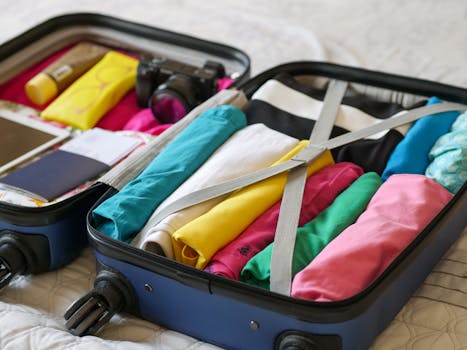
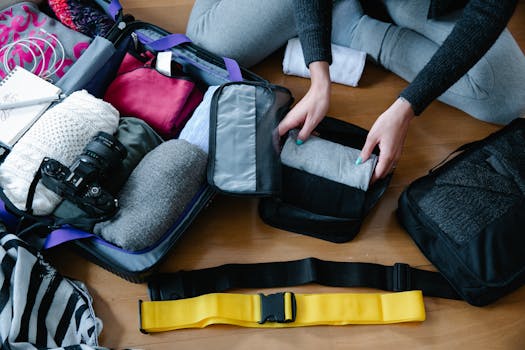
- Packing Cubes Are Your Best Friend: Seriously, if you don't use them, start now. They compress clothes, organize your bag, and make unpacking a breeze. I swear by Eagle Creek Pack-It Cubes for their durability and compression. I use one for tops, one for bottoms, one for underwear/socks, and a separate one for dirty laundry.
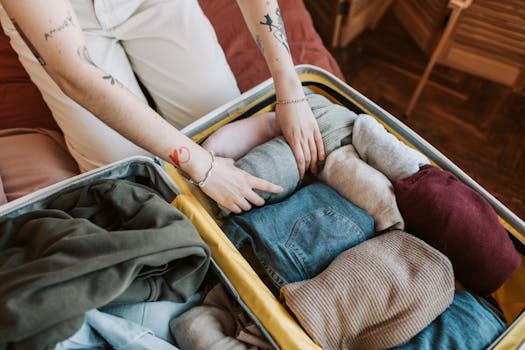
- Roll vs. Fold: For most items, rolling saves space and minimizes wrinkles. However, for structured items like blazers or dress shirts, a careful fold (using the KonMari method or similar) might be better. My general rule: roll everything that can be rolled!
- The Capsule Wardrobe Philosophy: Plan your outfits around versatile pieces that can be mixed and matched. Stick to a color palette (e.g., neutrals with one or two accent colors). Think layers! A single scarf can be a blanket, a head covering, or a stylish accessory.
- Multi-Purpose Magic:
- Solid Toiletries: Shampoo bars, conditioner bars, solid sunscreen, and lotion bars save space and avoid liquid limits. Brands like Lush and Ethique are fantastic.
- Quick-Dry Fabrics: Travel clothes made from merino wool or synthetic blends dry quickly, meaning you can wash them in your hotel sink and wear them again the next day. This drastically reduces the amount you need to pack.
- Sarongs/Turkish Towels: These are incredibly versatile. Use them as a beach towel, a light blanket on the plane, a scarf, a makeshift skirt, or even a privacy screen.
- Wear Your Bulkiest Items: Always wear your heaviest shoes (boots, sneakers) and bulkiest jacket/sweater on the plane. This frees up precious space and weight in your bags.
- My Anecdote: I once packed for a 10-day trip to Southeast Asia – including a jungle trek, city exploration, and beach time – all into a 30L backpack. My secret? Three pairs of quick-dry shorts, two merino wool t-shirts, a light sarong, and a pair of versatile hiking sandals. I washed clothes in sinks, embraced the minimalist look, and felt utterly liberated. Plus, no baggage fees even on the notoriously strict AirAsia!
3. Loyalty Programs & Credit Cards: Your Unsung Heroes
Sometimes, you just need to check a bag. Maybe you’re on a longer trip, carrying specialty gear, or bringing back souvenirs. This is where strategic use of loyalty programs and travel credit cards can save you a bundle.
Leveraging Financial Perks:
- Airline-Branded Credit Cards: Many airline co-branded credit cards offer a free checked bag perk. For example:
- Delta SkyMiles® Gold American Express Card: First checked bag free for you and up to eight companions on the same reservation. This alone can save you $30-$60 per person per flight!
- United Explorer Card: First checked bag free for the cardholder and one companion.
- Southwest Rapid Rewards® Priority Credit Card: Two free checked bags for everyone on Southwest flights (this is Southwest’s standard policy, but the card offers other great perks).
- Tripsora Tip: The annual fee for these cards often pays for itself after just one round-trip flight if you use the free bag benefit. Research cards affiliated with airlines you fly most often.
- Elite Status Benefits: Achieving elite status with an airline (e.g., Silver Medallion on Delta, AAdvantage Gold on American, Premier Silver on United) often comes with free checked bags, priority boarding, and other perks. While it requires significant flying, if you're a frequent traveler, it's worth pursuing.
- Points and Miles for Upgrades: Sometimes, booking a higher fare class or upgrading your seat using points/miles can include free checked baggage. This is particularly useful for international travel where baggage allowances can be more generous in premium cabins.
- My Anecdote: My family of four was flying to Cancun on American Airlines. Basic economy tickets meant $35 per bag, per direction. That’s $280 round trip for two bags! Luckily, my AAdvantage® Aviator® Red World Elite Mastercard® came with one free checked bag for me and up to four companions. We checked one bag for free, and managed to squeeze everything else into carry-ons. That card saved me $210 on that single trip alone! It's a no-brainer if you fly that airline regularly.
4. The Scale and the Strategy: Weighing In and Outsmarting the System
Even with the best packing intentions, sometimes your carry-on feels suspiciously heavy. Don't leave it to chance at the airport counter!
Pre-Flight Precision:
- Portable Luggage Scale: This is a non-negotiable tool for any baggage fee ninja. For under $20, you can buy a small, handheld digital scale. Weigh your bags at home! This eliminates stressful surprises at the airport. You’ll know exactly where you stand and can adjust accordingly.
- The "Jacket Trick" / "Vest Trick": If your carry-on is slightly overweight, but you're determined to avoid checking it, this is a classic move. Wear your heaviest jacket or a travel vest (like those from SCOTTeVEST). Discreetly stuff the pockets with heavy items like books, chargers, or even a pair of shoes. Once you're past the gate agent, you can redistribute the weight.
- Caution: Don't overdo it or make it obvious. The goal is subtle weight transfer, not looking like the Michelin Man.
- Strategic Layering: Wear multiple layers of clothing onto the plane. A t-shirt under a long-sleeve under a sweater under a jacket. You can always shed layers once you’re settled in your seat.
- Shipping Items Ahead: For longer trips, or if you're bringing back a lot of souvenirs, consider shipping a box home via postal service or a shipping company. Compare the cost of shipping vs. airline baggage fees. Sometimes, especially for heavy items, it can be cheaper and less hassle. This is particularly useful for things like ski gear or golf clubs.
- My Anecdote: I was flying out of Dublin with Ryanair, notorious for their strict carry-on weight limits (often 10kg/22lbs). My bag was 10.5kg. Panic! I quickly pulled out my heaviest pair of hiking boots and stuffed them into my small personal item backpack, then put my chunky camera lens into my jacket pocket. The gate agent barely glanced as I placed my now-underweight carry-on on the scale. Crisis averted, 60 euros saved, and my heart rate returned to normal.
5. Understanding the Nuances: Airlines, Routes, and Special Items
Not all airlines are created equal, and not all routes have the same rules. Being informed is half the battle.
Know Before You Go:
- Budget Airlines vs. Full-Service Carriers:
- Budget Airlines (e.g., Ryanair, Spirit, Frontier, Wizz Air, AirAsia): Almost always charge for everything beyond a small personal item. Their base fares are low, but the add-ons can quickly make them more expensive than full-service carriers. Read their baggage policy very carefully before booking. Pre-paying for a bag online is always cheaper than at the airport.
- Full-Service Carriers (e.g., Delta, Lufthansa, Singapore Airlines): Often include a carry-on and personal item, and sometimes even a first checked bag, especially on international routes or higher fare classes. Their policies are generally more generous, but still subject to change.
- Connecting Flights and Different Airlines: If you're flying on multiple airlines for a single journey, baggage policies can get tricky. Often, the most restrictive policy of the airlines involved will apply. If you have separate tickets (not codeshares), you'll likely have to retrieve and re-check your bags, incurring fees with each airline.
- Special Items: Musical instruments, sports equipment (skis, golf clubs, surfboards), and sometimes even car seats or strollers often have different baggage rules. Some airlines allow these to be checked for free, or at a reduced rate, especially for families. Always check the specific airline's policy for these items. Don't assume.
- The Airline's Website is Your Bible: Before every flight, make it a habit to visit the airline's official website and navigate to their baggage policy page. Look for the specific details related to your fare class, route, and destination. Screenshots can be helpful if there's any dispute.
- My Anecdote: I once witnessed a family at the gate for a Spirit Airlines flight. They had booked the cheapest fare, assuming they could bring standard carry-ons. The gate agent, with a smirk, informed them their bags were too big and each would be $65 to check. The family was distraught, having to scramble for cash. Meanwhile, I sailed through with my perfectly sized backpack and under-seat personal item, a silent victory thanks to having meticulously checked Spirit's notoriously strict policy beforehand. It reinforced my belief: knowledge is power (and money saved!).
6. The Mindset Shift: Travel Lighter, Live Richer
Beyond the practical tips, avoiding baggage fees is also about a fundamental shift in your travel philosophy. It’s about embracing minimalism, appreciating experiences over possessions, and recognizing that true luxury in travel often means freedom from burdens.
- The "What If" Game: Instead of packing for every "what if" scenario, focus on the "most likely." Can you buy it there if you absolutely need it? (A toothbrush, basic medication, etc.) Often, the answer is yes, and it might even be a fun local experience.
- Digital Over Physical: Load up your e-reader with books, use your phone for maps and guides, and store photos in the cloud. Minimize physical items that can add weight.
- Embrace Local Laundry: Don't be afraid to use local laundromats or hotel laundry services for longer trips. It's often cheaper than extra baggage fees and allows you to pack significantly less.
- Souvenirs: Be mindful. Choose small, meaningful souvenirs. Or better yet, collect memories, not trinkets. If you must buy larger items, consider shipping them directly from the store.
This mindset shift isn't just about saving money; it's about enhancing your travel experience. You'll move faster, feel less stressed, and focus more on the adventure unfolding around you.
Join the Baggage Fee Revolution!
The era of unchecked baggage fees is over – at least for us, the savvy travelers who read Tripsora! By embracing the carry-on lifestyle, mastering smart packing, leveraging credit card perks, and knowing your airline's policies inside out, you can reclaim hundreds of dollars that would otherwise vanish into the airline's pockets.
Imagine all the extra experiences those savings could buy: that street food tour in Bangkok, an authentic flamenco show in Seville, a thrilling gondola ride in Venice, or perhaps an extra night in that boutique hotel you've been eyeing.
So, the next time you're planning a trip, don't just book your flight; plan your packing strategy. Equip yourself with a portable scale, invest in some good packing cubes, and become a master of the personal item. The airlines might keep trying to charge you more, but with these strategies, you'll be one step ahead, sailing through the airport with a smile, while others are still fumbling with their wallets.
What are your go-to baggage fee hacks? Share your best tips and tricks in the comments below! Let's build a community of baggage fee ninjas and help each other travel smarter, lighter, and richer! Use #TripsoraNoFees on your next travel post!
---
More pictures

Tags
Share this guide
We may earn a commission if you click a link and buy a product or service, at no extra cost to you. How affiliate links work.
Been there?