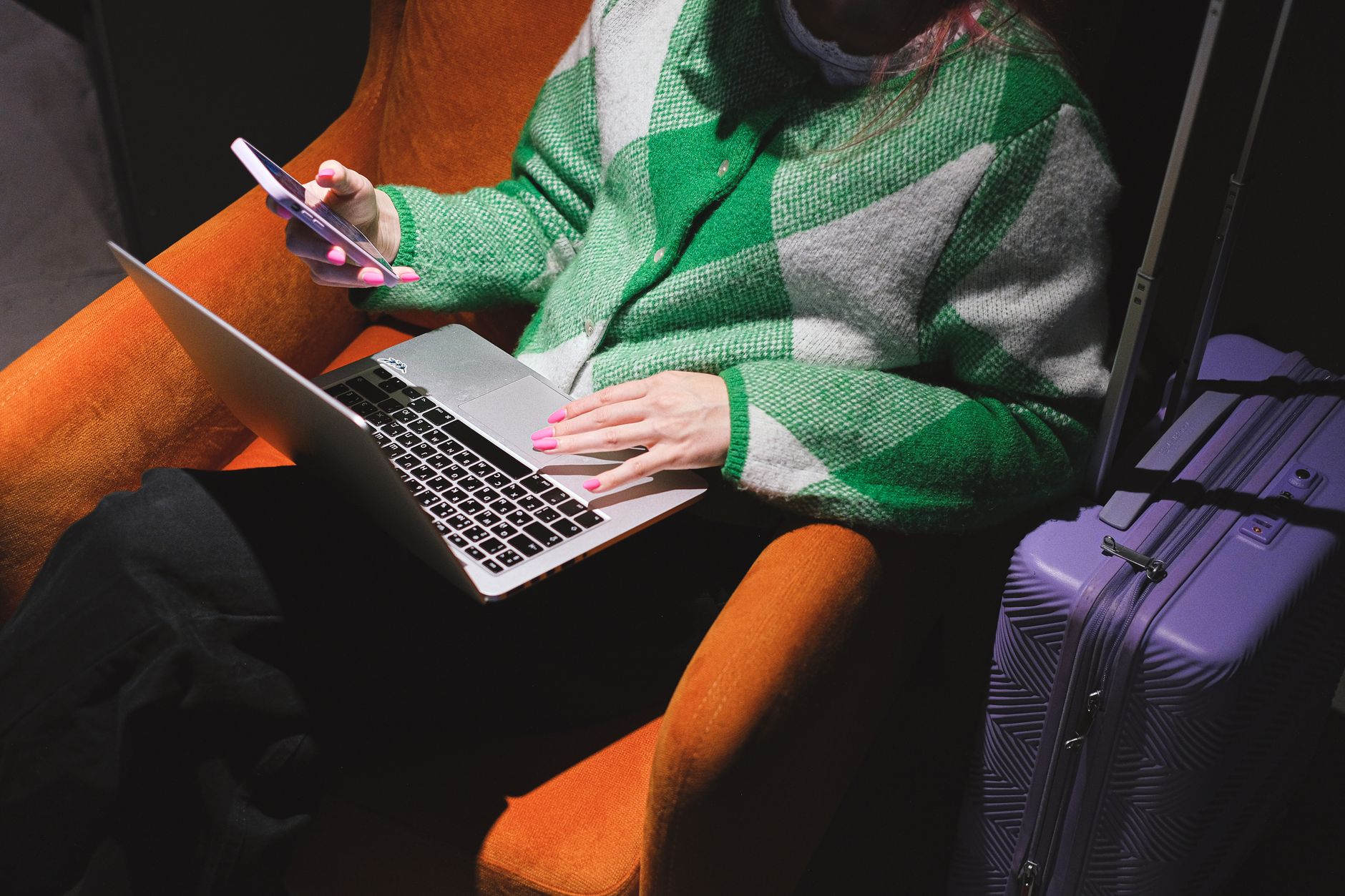
Ever felt your travel dreams clash with your work deadlines? You're not alone. But what if you could not only maintain productivity but actually *elevate* it, using methods so fresh they haven't even hit the mainstream yet? Get ready to transform your travel-work dynamic with these ahead-of-the-curve strategies.
The aroma of strong espresso mingled with the faint scent of jasmine as I typed furiously on my laptop, perched on a tiny balcony overlooking the bustling Alfama district in Lisbon. Below, a tram rattled past, its bell chiming a rhythmic counterpoint to my keystrokes. It was idyllic, picturesque, and utterly unproductive. My inbox was piling up, my creative well felt dry, and the vibrant city outside was a constant, tantalizing distraction.
That trip, a few years ago, was my wake-up call. I realized that while the digital nomad dream looked great on Instagram, the reality of staying truly productive while constantly moving was a whole different beast. I’d tried the usual advice: dedicated co-working spaces, strict schedules, noise-canceling headphones. They worked, to a degree. But I wanted more. I wanted to thrive, not just survive, in my nomadic work life. I wanted to discover the next wave of productivity hacks – the ones that hadn't yet been commodified, shared in every online course, or become "mainstream."
So, I started experimenting. I became a productivity anthropologist, observing, testing, and refining strategies across continents. What I discovered wasn't about more apps or stricter rules. It was about leveraging unique environments, harnessing nascent tech, and tapping into a deeper understanding of my own brain rhythms. And today, I’m thrilled to share these "before they go mainstream" tips with you, fellow Tripsora explorers. Get ready to redefine what it means to be productive on the road.
---
1. The "Unplugged Micro-Sprint" Method: Harnessing Ephemeral Focus Zones
Forget booking a co-working desk for the whole day. The future of travel productivity lies in identifying and utilizing ephemeral focus zones – short-lived, often unconventional spaces that force intense, distraction-free work bursts.
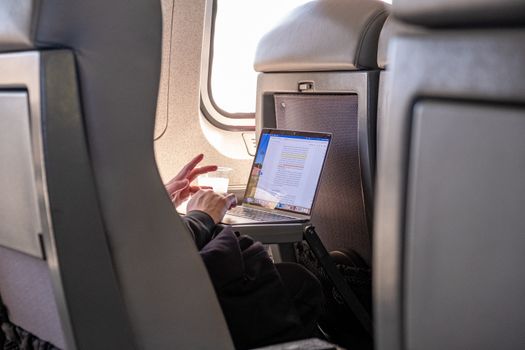
My breakthrough came on a train journey from Florence to Rome. Instead of scrolling, I decided to tackle a demanding writing task. With no Wi-Fi and limited power, I had no choice but to focus. The rhythmic sway of the train, the ever-changing landscape outside the window, and the knowledge that my battery was finite created an incredible pressure cooker of concentration. I finished more in 90 minutes than I had in three hours at a café.
How to implement it:
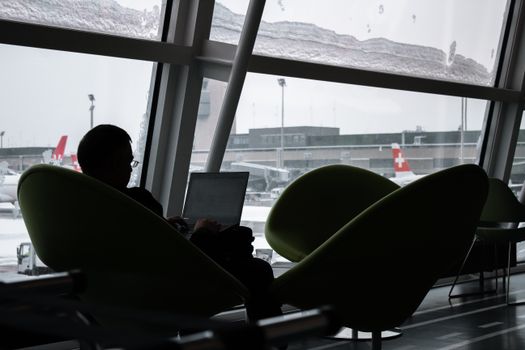
- Identify Your Micro-Sprint Zones: Think beyond the obvious. A quiet corner on a long-distance bus (e.g., a five-hour journey from Medellín to Salento, Colombia, where a window seat and a fully charged laptop can be gold), a ferry crossing (like the one from Athens to a Greek island), a specific park bench with no accessible outlets (I once crushed a proposal draft on a bench in Kyoto's Arashiyama Bamboo Grove, using only my phone's hotspot for quick research), or even a waiting lounge at an airport before security.
- Set a Hard Time Limit: These aren't all-day affairs. Aim for 45-90 minutes of hyper-focused work on a single, critical task. The lack of amenities (reliable power, strong Wi-Fi) is the advantage, forcing you to commit.
- Prepare Your Toolkit: Always have fully charged devices, downloaded documents, and offline tools ready. Use a physical notebook for brainstorming.
- The "Analog Anchor": Bring a small, physical item that grounds you – a specific pen, a unique journal. It signals to your brain: "It's work time, no distractions."
Why it's pre-mainstream: Most people still seek out traditional "offices" on the road. You'll be leveraging the inherent limitations of travel itself to create intense, productive bursts, turning travel time into prime work time.
---
2. Hyper-Local "Third Spaces" & Community Co-Working: Beyond the Chains
Co-working spaces are great, but they're becoming ubiquitous, often standardized, and sometimes pricey. The next frontier is tapping into local "third spaces" and community-driven initiatives that offer a unique blend of cultural immersion and productive atmosphere.
In Tbilisi, Georgia, I stumbled upon a small, independent bookstore with a back room converted into a quiet reading area. For the price of a coffee (about 8 GEL, or $3 USD), I had access to a serene environment, surrounded by local literature, with excellent Wi-Fi. It wasn't advertised as a co-working space, but it served the purpose perfectly. The energy was different – less transient digital nomad, more local intellectual.
How to implement it:
- Seek Out Local Libraries & Community Centers: Many cities, especially in Europe and parts of Asia, have beautiful public libraries (e.g., the National Library of Latvia in Riga is stunning and free to access, requiring only ID for a visitor pass) or community centers that welcome visitors and offer quiet zones, often with free Wi-Fi.
- Independent Bookstores & Art Cafes: Look for establishments that emphasize quiet contemplation. These often have comfortable seating, good coffee, and a more inspiring ambiance than a chain café. Ask if they mind you working for a few hours.
- University Campuses (Ethically!): If you're near a university, their libraries or common areas can be excellent for focus, especially during off-peak hours. Be respectful and ensure you're not disturbing students.
- Hotel Lobbies (The Undercover Approach): High-end hotel lobbies in non-touristy areas can be surprisingly productive. They often have fast Wi-Fi, comfortable seating, and a quiet hum. Buy a drink or a snack to justify your presence. I've had success in boutique hotel lobbies in places like Oaxaca, Mexico, where a mezcal tasting menu can easily transition into an hour of focused work.
- "Skill-Swap" Co-Working: In smaller towns or less-traveled areas, propose a skill-swap! Offer to help a local business with social media in exchange for a quiet space to work for a few hours. I once helped a hostel owner in Koh Lanta, Thailand, optimize their booking site and gained free accommodation and a dedicated desk for a week.
Why it's pre-mainstream: It requires a bit more initiative and local exploration than simply searching for "co-working space near me." You're integrating into the local fabric, gaining an authentic experience while boosting your output.
---
3. Biohacking for Nomadic Focus: Beyond the Bulletproof Coffee
"Biohacking" often conjures images of expensive gadgets and extreme diets. But for the traveling professional, pre-mainstream biohacking is about leveraging natural rhythms and local resources to optimize cognitive function on the go, without breaking the bank or your luggage allowance.
My biggest challenge was jet lag and maintaining consistent energy. I discovered that instead of relying solely on caffeine, I could synchronize my internal clock more effectively by strategically timed sunlight exposure, specific foods, and localized adaptogens. In Bali, I started my mornings with a "Jamu" shot – a traditional Indonesian herbal drink, often turmeric-based – paired with early morning beach walks. The combination drastically reduced my jet lag symptoms and gave me sustained energy without the jitters.
How to implement it:
- Strategic Sunlight Exposure: Upon arrival in a new time zone, get immediate sunlight exposure (without sunglasses) in the morning. This helps reset your circadian rhythm. Avoid blue light at night.
- "Local Adaptogens" & Nootropics (with caution): Research traditional remedies in your destination. Many cultures have natural compounds that aid focus or reduce stress. In South America, mate tea (Argentina, Uruguay, Paraguay) is a natural stimulant and focus enhancer. In parts of Asia, certain mushroom varieties are used for cognitive benefits. Always research thoroughly and consult local experts or reputable sources. Avoid anything unregulated or unfamiliar.
- Micro-Naps in Nature: Instead of powering through a slump, find a quiet park or green space for a 15-20 minute power nap. The combination of fresh air and a brief rest is more rejuvenating than another coffee. I’ve found hidden gardens in Rome and quiet corners of Parque del Retiro in Madrid perfect for this.
- Hydration with Local Minerals: Beyond just water, consider local mineral waters or add electrolytes. Different regions have different mineral profiles that can subtly impact your well-being. Look for natural spring water sources if available and safe.
- Movement "Snacks": Integrate short bursts of movement throughout your day. A 10-minute walk around the block, a quick stretch session in your room, or even just climbing stairs instead of taking an elevator. This boosts blood flow to the brain and combats "travel stiffness."
Why it's pre-mainstream: While biohacking is gaining traction, applying it intelligently and locally while traveling, focusing on natural and culturally integrated methods, is still a niche art form. You're using your environment as a living laboratory.
---
4. The "Deep Work Detour" Strategy: Intentional Productivity Retreats
Most digital nomads move from city to city, chasing vibrancy and connectivity. The "Deep Work Detour" strategy flips this on its head: intentionally planning short stints in less-traveled, inherently quiet, or inspiring locations specifically for focused, deep work.
My most productive month ever was spent in a small guesthouse in Mestia, Georgia (the country, not the state!). After weeks of bustling Tbilisi, I craved solitude. Mestia, nestled in the Svaneti mountains, offered stunning views, fresh air, and virtually no distractions. I had reliable, albeit not lightning-fast, internet, and the only "socializing" was with my host family and fellow trekkers in the evenings. I paid around $25 USD/night for a room with three meals included. In two weeks, I completed a major project that would have taken me a month in a city.
How to implement it:
- Identify Your "Deep Work Destination": Look for places known for natural beauty, tranquility, or cultural richness, but not yet overrun by digital nomads. Think small towns in the Dolomites, mountain villages in Slovenia, coastal retreats in Portugal (away from Lisbon/Porto), or even rural areas in Eastern Europe or Southeast Asia.
- Prioritize Connectivity (But Not Hyper-Connectivity): You need stable internet, but not necessarily fiber-optic speeds. The goal isn't to be constantly online, but to have reliable access for specific tasks. Check reviews or ask locals about internet quality.
- Minimize Distractions: Choose accommodations that offer quiet, away from main roads or party hostels. Consider Airbnb "farm stays," guesthouses, or small, family-run hotels.
- Set Clear Goals: Go into these detours with a specific project or set of tasks you intend to complete. This isn't a vacation; it's a strategic work sprint.
- Embrace the Pace: The slower pace of these locations will naturally encourage focus. Use the evenings for reflection, local exploration, or connecting with hosts.
Why it's pre-mainstream: The trend is still towards urban hubs. You'll be leveraging the power of deliberate isolation and inspiring natural environments to achieve unparalleled focus, making your travel a direct asset to your productivity, not just a backdrop.
---
5. AI-Powered "Shadow Assistant" & Smart Automation: Ethical & Early Adoption
AI is no longer science fiction, but its full potential for the independent traveler is still emerging. The pre-mainstream approach isn't about letting AI do everything, but about using it as an intelligent "shadow assistant" to automate tedious tasks, allowing you to focus on high-value, creative work.
I used to spend hours summarizing research papers or transcribing interviews. Now, I feed them into AI tools that can generate concise summaries or accurate transcripts in minutes. This isn't about replacing my critical thinking, but about offloading the grunt work. I recently used an AI tool (like a custom GPT or a specific summarization app, often available for a few dollars a month or on a free tier) to condense a week's worth of travel notes into a coherent outline for a blog post, saving me at least half a day of manual sorting.
How to implement it:
- Smart Content Curation: Use AI tools to scour news, research, or social media for relevant trends or information for your niche. Set up automated alerts or use AI summarizers to digest large amounts of text quickly.
- Automated Scheduling & Reminders: Beyond standard calendar apps, explore AI-powered scheduling assistants that can optimize your itinerary based on travel times, meeting locations, and even energy levels. Tools like Zapier can connect various apps to automate repetitive tasks (e.g., saving email attachments to cloud storage, posting social media updates from a spreadsheet).
- "Idea Sparking" & Brainstorming: Stuck on a headline or a blog post idea? Use AI prompts to generate initial concepts. Treat it as a creative sparring partner, not a replacement for your own ingenuity. "Give me 10 catchy titles for a blog post about productivity while traveling, focusing on unique ideas."
- Language & Translation Assistance: Beyond Google Translate, explore AI tools that can refine your writing in a new language or help you draft more nuanced communications with locals or international clients.
- Ethical Use & Fact-Checking: Always remember AI is a tool. Fact-check any information it provides and use its outputs as a starting point, not a final product. Understand the data privacy implications of the tools you use, especially when dealing with sensitive information.
Why it's pre-mainstream: While AI is everywhere, strategically integrating it as a personalized, ethical shadow assistant into a nomadic workflow, rather than just using it for basic queries, is still an advanced play. You're augmenting your capabilities, not just delegating.
---
6. The "Skill-Swap & Accountability Pods" (In-Person Edition)
Digital nomad communities online are booming, but the real magic often happens offline. The "Skill-Swap & Accountability Pod" is about intentionally seeking out and forming small, in-person groups with other travelers for mutual support, skill exchange, and focused work sessions.
In Chiang Mai, Thailand, I met a web designer and a content marketer at a small café. We quickly realized we had complementary skills and similar productivity challenges. We decided to meet twice a week for "accountability sprints." We'd each outline our top three tasks, work silently for 90 minutes, then briefly share progress and challenges. We also ended up swapping skills – I helped the designer with blog content, and he gave me feedback on my website’s UX. It was incredibly effective, and the shared commitment made us less likely to procrastinate.
How to implement it:
- Identify Your "Pod People": Look for other independent professionals in co-working spaces, independent cafes, or even hostel common rooms. Strike up conversations beyond "where are you from?" Ask about their work, their challenges, and what they're trying to achieve.
- Define Your Pod's Purpose: Is it for accountability? Skill exchange? Brainstorming? A combination? Be clear about what you want to achieve together.
- Set a Schedule & Structure: Agree on regular meet-ups. Even 1-2 times a week for a few hours can be transformative. Structure the time: a brief check-in, focused work, then a quick debrief.
- Leverage Complementary Skills: Don't just look for people doing exactly what you do. A graphic designer, a writer, and a social media manager can form a powerful cross-functional pod, offering fresh perspectives and practical help.
- Keep it Small & Agile: 2-4 people is ideal. It keeps discussions focused and logistics simple, especially when everyone is on the move.
Why it's pre-mainstream: While online communities are popular, the intentional formation of in-person, structured accountability and skill-swap pods is still relatively rare. You're creating your own micro-ecosystem of support and productivity, fostering deeper connections and more tangible results than fleeting online interactions.
---
The Future is Now: Your Productive Journey Awaits
The world of work is changing, and so is the world of travel. Don't wait for these strategies to become the norm – embrace them now. The beauty of these pre-mainstream tips is that they integrate seamlessly with the very essence of travel: exploration, adaptability, and an open mind. They empower you to transform potential distractions into unique advantages, turning every journey into an opportunity for growth, both professionally and personally.
From the quiet carriage of a train in Vietnam to a sun-drenched library in Portugal, your next breakthrough in productivity could be just around the corner. So, pack your bags, charge your devices, and get ready to work smarter, travel deeper, and live more fully.
What are your secret productivity hacks while traveling? Or which of these tips are you most excited to try? Share your thoughts and experiences in the comments below! Let's inspire each other to redefine nomadic productivity.
---
More pictures



Tags
Share this guide
We may earn a commission if you click a link and buy a product or service, at no extra cost to you. How affiliate links work.
Been there?