
Tired of surface-level trips? This guide reveals the secrets to truly living like a local, transforming your next vacation into an unforgettable cultural immersion. Prepare to ditch the tourist traps and uncover the heart of any destination. ---
Remember that scene in a movie where the protagonist effortlessly blends into a foreign city, sipping coffee at a hidden cafe, conversing with locals, and discovering secrets no guidebook would ever reveal? For years, that was my travel fantasy – a stark contrast to my early trips, which often felt like a frantic checklist of crowded landmarks and overpriced tourist menus. I’d return home exhausted, with a camera full of iconic shots, but a nagging feeling that I’d merely visited a place, not truly experienced it.
Then came my trip to Lisbon. Instead of booking a hotel in Baixa, I found a charming Airbnb in a quiet residential neighborhood in Graca. My host, a retired history teacher named Maria, left me a hand-drawn map of her favorite local tascas and a note about the best time to visit the feira (market). That week, I learned rudimentary Portuguese phrases, navigated the city exclusively by tram and foot, haggled for fresh produce, and even joined a local Fado night where I was the only foreigner. It wasn't just a vacation; it was a temporary residency. I didn't see Lisbon; I lived it.
That transformative experience sparked a passion: to unlock the art of living like a local, no matter where I am. And guess what? This isn't just my obsession; it's the hottest trend in travel right now. Travelers are craving authenticity, connection, and those "pinch me" moments that only true immersion can provide. So, if you're ready to swap crowded queues for genuine encounters and sterile hotels for soulful stays, grab your passport (and an open mind!). Here's your ultimate guide to living like a local in any trending destination.
1. Beyond the Brochure: Pre-Trip Immersion & Mindset Shift
The journey to living like a local begins long before you pack your bags. It starts with a fundamental shift in mindset: you’re not just a visitor; you’re a temporary resident.
Practical Tips for Pre-Trip Immersion:
- Language is Your Gateway: Even a few basic phrases can unlock incredible interactions. Download Duolingo or Babbel and commit to learning 20-30 key phrases: "hello," "thank you," "please," "excuse me," "how much?", "where is the bathroom?", "delicious!" In Japan, simply knowing "Arigato gozaimasu" (thank you) and "Sumimasen" (excuse me/sorry) will open doors. In Italy, a polite "Buongiorno" or "Grazie" goes a long way.
- Follow Local Voices: Ditch the mainstream travel blogs for a bit. Search Instagram, TikTok, and local blogs for hashtags like #LisbonLocals, #TokyoLife, #MexicoCityEats. Find local artists, chefs, urban explorers, and community groups. Their feeds will offer a candid, unfiltered glimpse into daily life, upcoming events, and hidden gems.
- Dive into Culture, Not Just Tourists Spots: Read local literature, watch films set in the region, or listen to local music. Understanding the historical context and cultural nuances will deepen your appreciation. For instance, before heading to Vietnam, I watched "The Scent of Green Papaya" and read "The Sorrow of War" – it gave me a much richer perspective than any travel guide.
- Master the Etiquette: A quick Google search for "cultural etiquette in [country name]" can save you from awkward moments. Are you expected to bargain? Is tipping customary? How do you greet elders? Knowing these small details shows respect and helps you blend in. In Morocco, for example, it’s polite to accept mint tea when offered, and use your right hand for eating.
My Anecdote: My first trip to Thailand, I was so focused on tourist sites that I missed out on so much. On a later trip, armed with a few Thai phrases and an understanding of wai (the traditional greeting), I found myself invited to a local family’s dinner in Chiang Mai after a chance encounter at a market. The food was incredible, the conversation (mostly through gestures and broken English/Thai) was heartwarming, and it remains one of my most cherished travel memories. It taught me that respect and a little effort go a long way.
2. Home is Where the Heart Is: Choosing Your Local Abode
Forget the sterile hotel room. To live like a local, you need a local home. Your accommodation choice is perhaps the single most impactful decision for immersion.
Practical Tips for Local Accommodation:
- Airbnb & Beyond: Platforms like Airbnb, HomeAway, and even local guesthouse directories are your best friends. Look for "entire homes" or "private rooms" in residential areas, not the main tourist hubs. Filter for places with kitchens – this is crucial for market adventures!
- Boutique Guesthouses & Homestays: Smaller, family-run guesthouses offer a more personal touch and often come with invaluable local advice. In places like Vietnam or Colombia, these can be incredibly affordable and provide a genuine connection to your hosts.
- Embrace the Neighborhood: When searching, prioritize neighborhoods known for their local vibe. In Rome, think Trastevere or Testaccio over areas near the Colosseum. In Paris, explore Le Marais or Canal Saint-Martin, not just the 1st Arrondissement. These areas have local bakeries, laundromats, and community parks – the building blocks of local life.
- Think Long-Term (Even for Short Stays): If you're staying for a week or more, consider a short-term apartment rental. This gives you a base, a routine, and the opportunity to truly settle in. Many platforms offer discounts for longer stays.
My Anecdote: I once rented an apartment in Seville, Spain, for two weeks. It was on a quiet, narrow street, just a stone's throw from a small taberna where elderly men played cards and drank sherry. Every morning, I’d grab fresh pan from the bakery downstairs, and by the end of the first week, the baker would greet me by name. I had a tiny balcony overlooking a courtyard, where I'd watch clothes dry and hear the distant strumming of a flamenco guitar. That little apartment became my sanctuary, not just a place to sleep, but a window into Sevillano life. The cost? Around €50/night, significantly less than a hotel of comparable quality in a touristy area.
3. The Flavor of Life: Eating Like a True Local
Food is the ultimate cultural connector. Eating like a local isn't just about finding cheap meals; it's about understanding traditions, ingredients, and the rhythm of daily life.
Practical Tips for Culinary Immersion:
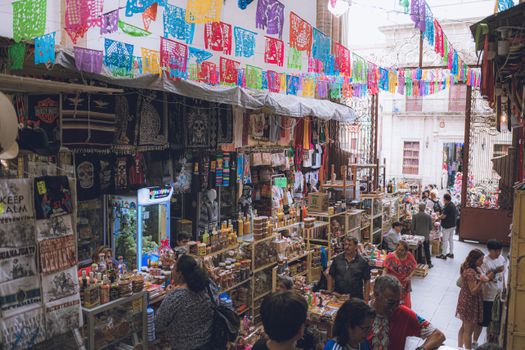
- Hit the Local Markets: This is non-negotiable! From La Boqueria in Barcelona to Borough Market in London, or the bustling mercados of Mexico City (like Mercado de San Juan), markets are sensory explosions. You’ll find fresh produce, local cheeses, street food vendors, and the pulse of the community. Buy ingredients, chat with vendors (even with gestures!), and soak it all in.
- Street Food is Your Best Friend: Don't be afraid! Look for stalls with long lines of locals. This is often where you'll find the most authentic and delicious (and cheapest!) food. In Bangkok, the street food scene is legendary; in Vietnam, a bowl of pho from a roadside stall is a rite of passage.
- Seek Out "No-Frills" Eateries: Avoid places with English menus and glossy photos. Look for small, family-run trattorias, izakayas, taquerias, or warungs. Ask your Airbnb host, a friendly shopkeeper, or even a local sitting next to you on a bench for recommendations.
- Cook Your Own Meals: Armed with your market haul, head back to your kitchen and experiment! Try making a simple pasta dish in Italy, a curry in Thailand, or tacos in Mexico. It’s a fun, educational, and budget-friendly way to connect with local ingredients.
- Embrace Local Food Rituals: In Spain, enjoy tapas and a late dinner. In Italy, partake in aperitivo. In Japan, savor a multi-course kaiseki meal or a simple bowl of ramen. These rituals are integral to the culture.
- Drink Like a Local: Sample local wines, beers, or spirits. In Portugal, try a ginjinha. In Germany, a local Weissbier. In Colombia, aguardiente. But always drink responsibly!
My Anecdote: In Rome, I was determined to find the best cacio e pepe. Instead of tourist traps, I asked a barista at my local coffee shop. He pointed me to a tiny, unassuming osteria in Trastevere, just a few blocks from my apartment. The menu was handwritten, the decor minimal, and I was the only non-Italian there. The cacio e pepe was transcendent – creamy, peppery, perfectly al dente. The bill, including a glass of house wine, was less than €15. It was a simple meal, but the authenticity and the feeling of being "in the know" made it unforgettable. I even got to practice my broken Italian with the owner!
4. Navigating the Daily Grind: Transportation & Rhythms
To truly live like a local, you need to move like one. Ditch the expensive taxis and embrace public transport. It's not just cheaper; it's a window into daily life.
Practical Tips for Local Navigation:
- Public Transport is King: Buses, metros, trams, and trains are the lifeblood of any city. Learn the system. Buy a local transport pass (e.g., Oyster card in London, Navigo in Paris, an IC card in Japan). It’s often significantly cheaper than single tickets and allows unlimited travel. Plus, you’ll observe locals, hear snippets of conversation, and get a feel for the city’s pulse.
- Walk, Walk, Walk! Your feet are your best navigation tools. Explore on foot. You’ll stumble upon hidden courtyards, charming boutiques, and street art you’d never see from a bus window.
- Cycle Like a Local: Many cities, especially in Europe (Amsterdam, Copenhagen, Seville), are incredibly bike-friendly. Rent a bicycle for a day or a week. It’s a fantastic way to cover ground and feel like a true resident.
- Observe the Daily Rhythm: When do shops open and close? Is there a siesta? When are peak hours for public transport? Knowing these rhythms will help you avoid crowds and plan your days more efficiently. In many Mediterranean countries, things close mid-afternoon for a few hours and reopen later.
- Local Ride-Sharing Apps: If taxis are unavoidable or for late-night travel, use local ride-sharing apps (like Grab in Southeast Asia, Uber/Lyft where available, or local alternatives). They offer transparency and often better prices.
My Anecdote: My first time in Tokyo, I was intimidated by its sprawling subway system. But armed with a Suica card and Google Maps, I quickly became a pro. I loved watching the impeccably dressed commuters, the quiet efficiency, and the sheer scale of it all. One evening, after a particularly long day of exploring, I fell asleep on the Yamanote line and woke up three stops past my destination. A kind elderly Japanese woman, noticing my confusion, helped me navigate back, even drawing a small map for me. It was a moment of vulnerability and connection that wouldn't have happened in a private car.
5. Connect & Contribute: Engaging with the Community
This is where the magic truly happens – moving beyond observation to interaction. Living like a local means engaging with the community around you.
Practical Tips for Community Engagement:
- Attend Local Events & Festivals: Check local listings for free concerts, art exhibitions, farmers' markets, religious festivals, or community gatherings. These are often advertised on flyers in cafes or on local news websites. In Italy, a local sagra (food festival) is an absolute must!
- Take a Class: Learn a local skill! A cooking class, a dance lesson (flamenco in Spain, salsa in Colombia), a pottery workshop, or even a language exchange group. It's a fantastic way to meet locals with shared interests.
- Volunteer for a Day: If you have time, consider volunteering with a local charity, animal shelter, or environmental project. It’s incredibly rewarding and connects you with the heart of the community. Websites like Workaway or local NGO sites can point you in the right direction.
- Frequent Local Spots: Become a regular at a specific cafe, bakery, or bar. The staff will start to recognize you, and these small interactions can lead to genuine conversations and recommendations. My local barista in Rome eventually offered me a free cornetto and gave me tips on where to find the best gelato.
- Join Local Meetup Groups: Apps like Meetup.com often have groups for various interests (hiking, photography, board games, language exchange) in major cities. It's a low-pressure way to meet people.
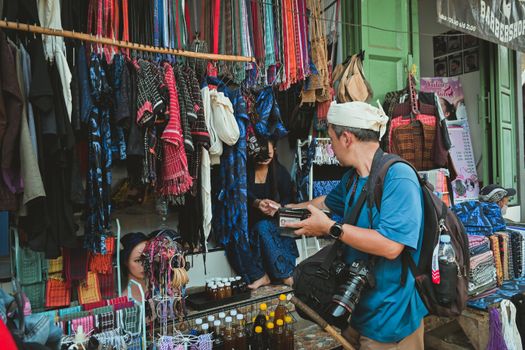
- Support Local Artisans & Businesses: Buy souvenirs directly from the creators, not mass-produced tourist shops. Eat at independent restaurants, shop at local boutiques. Your money directly benefits the community.
My Anecdote: In Medellín, Colombia, I signed up for a salsa class. I was terrible, but everyone was incredibly welcoming and patient. My instructor, Juan, ended up inviting me to a local salsa club that weekend, a place I would never have found on my own. The energy was electric, the music was intoxicating, and I spent the night attempting to dance (mostly failing, but having a blast) and chatting with his friends. It was an unfiltered glimpse into Medellín's vibrant nightlife and a reminder that putting yourself out there, even awkwardly, can lead to incredible experiences.
6. Embrace the Unexpected: Flexibility & Openness
The most memorable local experiences often aren't planned. They happen when you leave room for spontaneity and approach every interaction with an open mind.
Practical Tips for Embracing the Unexpected:
- Don't Overschedule: While having a rough itinerary is good, avoid packing every minute with activities. Leave entire afternoons free to wander, explore, or simply sit in a park and people-watch.
- Say "Yes" More Often: Within safe and reasonable boundaries, be open to invitations. A spontaneous coffee, an offer to share a meal, or a local's suggestion for an unplanned detour can lead to the best stories.
- Get Lost (Safely): Sometimes the best discoveries happen when you take a wrong turn. Let your curiosity lead you down an unfamiliar street. Just make sure you have a way to navigate back (offline maps are great!).
- Be Comfortable with Discomfort: Not everything will go perfectly. Language barriers will be frustrating, cultural differences might be confusing, and you might get lost. Embrace these moments as part of the adventure. They often lead to growth and resilience.
- Observe & Listen: Pay attention to how locals interact, their mannerisms, their conversations. You'll learn so much just by being present and observant.
My Anecdote: While backpacking through Portugal, I was in a small coastal town called Cascais. I had planned to spend the day at the beach. Instead, I struck up a conversation with an elderly fisherman who was mending his nets. He invited me to join him and his friends for lunch – a simple, rustic seafood stew cooked over an open fire. We didn't speak the same language, but through gestures, smiles, and the universal language of shared food, we connected. That unplanned afternoon, filled with salty air, fresh fish, and genuine human connection, was far more enriching than any beach day. It taught me that sometimes, the best itinerary is no itinerary at all.
The Heart of Your Journey: Sustainable & Respectful Local Living
As you embrace this style of travel, remember that "living like a local" also carries a responsibility. Be a conscious traveler:
- Support the Local Economy: Choose independent businesses over international chains. Buy directly from artisans.
- Minimize Your Footprint: Reduce waste, conserve water and energy, and respect natural environments.
- Respect Local Customs: Dress appropriately, be mindful of noise levels, and always ask permission before taking photos of people.
- Be a Guest, Not a Conqueror: Approach every interaction with humility and an open heart. You are a guest in someone else's home.
Ready to Unlock Your Next Adventure?
Living like a local isn't just a trend; it's a profound way to travel. It transforms a superficial visit into a deep, meaningful connection with a place and its people. You'll return home not just with photos, but with stories, friendships, and a richer understanding of the world – and yourself.
So, what are you waiting for? Stop planning a vacation and start planning your next temporary residency. Which trending destination will be your next local immersion? Will you be haggling for spices in a Moroccan souk, sipping café con leche with a Roman nonna, or mastering the subway in Tokyo?
Share your best "local living" tips or dream destinations in the comments below! Let's inspire each other to travel deeper.
---
More pictures

Tags
Share this guide
We may earn a commission if you click a link and buy a product or service, at no extra cost to you. How affiliate links work.
Been there?