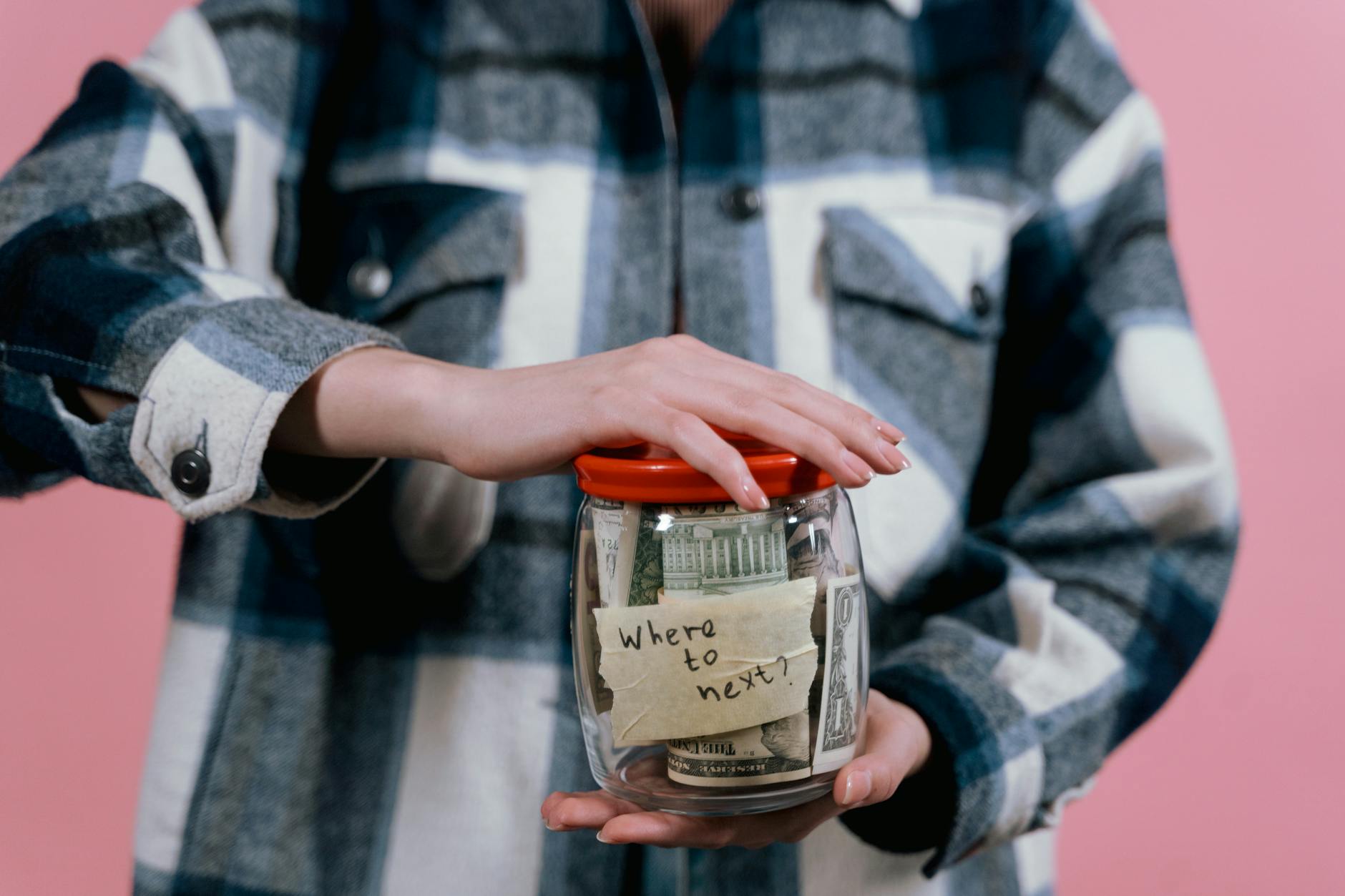
Ever felt the sting of outrageously high fuel prices derailing your travel budget? We've all been there! This ultimate guide will equip you with mind-blowing strategies and actionable tips to consistently find the cheapest gas stations, no matter where your adventures take you, transforming your road trips from costly to incredibly cost-effective. ---
The Ultimate Fuel Hack: How to Find the Cheapest Gas Stations Worldwide That Will Blow Your Mind!
The sun was setting over the rugged Icelandic landscape, painting the sky in hues of orange and purple. My trusty campervan, affectionately named "Bjorn," was chugging along, but my heart was doing a different kind of chug – a panicked one. The fuel gauge was flirting dangerously with empty, and the next gas station, according to my offline map, was still a good 50 kilometers away. Iceland, as I'd quickly learned, was not a place where you wanted to run out of anything, especially not fuel, in the middle of nowhere.
I pulled into the lone station, relief washing over me, only for it to be immediately replaced by sticker shock. The price per liter was eye-watering, almost double what I'd paid just an hour outside Reykjavik. That single fill-up blew a hole in my meticulously planned budget faster than a geyser erupts. It was in that moment, staring at the pump's digital readout, that I vowed: never again.
Since then, I’ve embarked on a personal quest to master the art of finding the cheapest gas stations across continents. From the bustling highways of the USA to the winding roads of rural Vietnam, and the meticulously planned autobahns of Germany, I’ve refined a toolkit of strategies that have saved me hundreds, if not thousands, of dollars. And today, my fellow road warriors, I’m sharing every single one of them with you.
Forget blindly pulling into the first station you see. Forget accepting exorbitant highway prices. With these tips, you'll not only save a significant chunk of your travel budget, but you'll also gain a newfound confidence, knowing you're always getting the best deal. Get ready to blow your mind with the savings!
1. The Digital Navigator: Your Smartphone, Your Fuel-Finding Superpower
In the age of information, your smartphone is your most potent weapon against overpriced fuel. Gone are the days of guessing; now, you can have real-time price comparisons at your fingertips.
The Essential Apps (and How I Use Them):
- GasBuddy (US & Canada): My absolute go-to for North American adventures. GasBuddy is brilliant because it's community-driven. Users report prices, which means you often get incredibly up-to-date information. I love its filtering options – you can search by fuel type, payment method (some stations offer discounts for cash!), and even amenities. I once saved nearly $0.50 per gallon on a cross-country trip from California to Florida by religiously checking GasBuddy, often driving an extra 5-10 minutes off the highway for significant savings. It adds up fast!
- Waze (Global): While primarily a navigation app, Waze's community reporting extends to gas prices. As users drive past stations, they can update prices, making it a fantastic tool, especially in regions where dedicated gas price apps are less prevalent. I found Waze particularly useful in parts of South America and Eastern Europe, where it often showed prices that Google Maps hadn't yet picked up.
- Google Maps (Global - Increasingly Useful): Google Maps has significantly upped its game in displaying gas prices directly on the map. While not always as real-time as GasBuddy or Waze, it's incredibly convenient when you're already navigating. Just search for "gas stations near me" and often the prices will pop up right alongside the station name. I used this extensively on a recent trip through Portugal, comparing prices quickly before committing to a route.
- Country-Specific Apps: This is where local knowledge truly shines. Before any international road trip, I dedicate an hour to researching local gas price apps.
- Germany: Clever Tanken or ADAC Spritpreise are indispensable. Fuel prices can fluctuate several times a day in Germany, and these apps track those changes, advising you on the best time to fill up.
- UK: PetrolPrices.com is a fantastic web-based tool and app.
- Australia: FuelWatch WA (for Western Australia) or MotorMouth.
- France: Prix Carburants.
- Spain: GasAll.
- Brazil: Gasolina Barata.
The key is to download these before you leave, or at least have a plan to get local data. A few minutes of research can save you a fortune.
Pro-Tip: Always cross-reference! While apps are great, sometimes data can be slightly outdated. If a price seems too good to be true, quickly check another app or look for user comments about recent updates.
2. The Local Whisper Network: Beyond the Digital Realm
Even with the best apps, sometimes the most valuable information comes from the oldest source: other humans. Locals know their turf, and they know where the deals are.
How to Tap into Local Wisdom:
- Ask Anyone and Everyone: Don't be shy! Ask your hotel receptionist, hostel staff, restaurant servers, or even fellow travelers you meet. "Where do you guys fill up your tank?" is a perfectly normal question. In places like rural Greece, a quick chat with a café owner led me to a small, family-run station that was significantly cheaper than the main road options. They even offered me a coffee while I waited!
- Observe Local Habits: Pay attention to where taxis, delivery drivers, and local commuters are filling up. They're usually on a tight budget and know the cheapest spots. If you see a cluster of local vehicles at a particular station, it's a good sign. I noticed this pattern repeatedly in Southeast Asia, where the most popular stations for local scooters and tuk-tuks often had the best prices for cars too.
- Supermarket Gas Stations are Your Best Friends: This is one of my biggest secrets! In many parts of the world, large supermarket chains (like Tesco, Sainsbury's, Asda in the UK; Carrefour, E.Leclerc in France; Coles Express, Woolworths Caltex in Australia; Costco in the US) operate their own gas stations. These are almost always cheaper than standalone brand-name stations (Shell, BP, Exxon, etc.) because they use fuel as a loss leader to get you into their stores.
- Personal Story: While road-tripping through rural France, I was shocked by the prices at autoroute (highway) service stations. A local told me to look for "Carburant E.Leclerc" signs. Detouring into a small town, I found a massive supermarket with its own station, saving me nearly €0.20 per liter – a huge difference over a full tank! Now, I actively seek these out.
3. Timing is Everything: When and Where to Fill Up
It's not just what you use to find gas, but when and where you choose to fill up that can make a massive difference.
Strategic Filling-Up:
- Avoid Highways/Motorways/Autoroutes: This is a golden rule. Service stations on major highways, especially toll roads, are almost universally more expensive. They know you're often desperate and have limited options. A quick detour (5-10 minutes) into a nearby town can save you a significant amount. My Icelandic blunder was a perfect example of this.
- Mid-Week & Off-Peak Hours: Fuel prices often fluctuate throughout the week and even the day. Generally, prices tend to creep up towards the weekend and during peak commuting hours. I've found that Tuesday and Wednesday mornings are often the sweet spot for lower prices in many countries.
- Border Crossing Strategy: This is a crucial one for international road trips! Fuel taxes vary wildly between countries. Always research which side of a border has cheaper fuel before you cross.
- Example 1: Filling up in Spain before entering France can save you a lot, as French fuel is typically more expensive.
- Example 2: Similarly, if driving from the US into Canada, or vice-versa, check the current exchange rates and local prices. Sometimes it's cheaper to fill up on the US side, other times the Canadian side wins.
- Example 3: When crossing between different states or provinces, especially in the US or Canada, research local fuel taxes. Some states have significantly lower fuel taxes. I once saved $15 on a single tank by driving an extra 20 minutes to fill up just across a state line.
- Don't Wait Until Empty: While waiting for the "perfect" price, don't let your tank get dangerously low. You lose your bargaining power and might be forced to pay premium prices at the next available station. Always aim to fill up when you're around a quarter tank, giving you a buffer to find a better deal.
4. Loyalty Programs & Discount Cards: Don't Leave Money on the Table
Even as a transient traveler, you can often tap into loyalty programs and discount schemes designed to keep locals coming back.
Smart Savings through Programs:
- Supermarket Loyalty Cards: Remember those supermarket gas stations? Many offer additional discounts if you have their loyalty card. Even if you're just visiting, it's often free and quick to sign up for a temporary card or download their app. I signed up for a Tesco Clubcard on a UK trip and instantly got a few pence off per liter – just for planning to buy some groceries there anyway.
- Credit Card Rewards: Check your credit card benefits! Many travel-focused credit cards offer bonus points or cashback on gas purchases. Some even have rotating categories that include gas stations. Make sure you're using a card that maximizes your rewards for fuel.
- Membership Clubs: Organizations like AAA (American Automobile Association) in the US, or specific auto clubs in other countries, often have partnerships that offer gas discounts. Costco membership, for example, gives you access to their generally cheaper gas stations worldwide.
- Gas Station Specific Programs: While less common for short-term travelers, some major chains offer free loyalty programs (e.g., Shell Fuel Rewards, BPme Rewards). If you find yourself consistently filling up at one chain in a particular region, it might be worth signing up.
Personal Anecdote: On a long motorcycle trip through Italy, I noticed many stations advertised "sconti" (discounts) with specific cards. I asked a local rider, who explained that many small, independent stations offered their own simple loyalty cards – just a stamp on a piece of paper! After three fill-ups, I got a significant discount on the fourth. It wasn't advertised online, but it was a fantastic local perk.
5. The Fuel Type Follies: Understanding Global Differences
One of the most confusing aspects of international driving is navigating the myriad of fuel types and octane ratings. Making the wrong choice can be costly, both for your wallet and potentially your engine.
Deciphering the Pump:
- Petrol vs. Diesel (Gasoline vs. Diesel): This is fundamental. Ensure you know what your rental car takes! Diesel is often cheaper than petrol in some European countries (though this trend is shifting), while in others, petrol might be more economical. Always double-check your rental car's fuel cap or manual.
- Octane Ratings – Don't Overpay!
- RON, MON, AKI: These are different methods for measuring octane. In Europe and most of the world, RON (Research Octane Number) is used (e.g., 95 RON, 98 RON). In the US and Canada, AKI (Anti-Knock Index) is common (e.g., 87 AKI, 91 AKI).
- The Myth of Premium: Unless your car specifically requires premium fuel (check your car's manual – it's usually only high-performance or luxury vehicles), using higher octane fuel than necessary is a waste of money. It won't give you better mileage or performance in a standard car. My rental car in Germany explicitly stated 95 RON. I resisted the temptation of the flashy "Super Plus 98" pump and stuck to the cheaper, perfectly adequate 95, saving a few euros every fill-up.
- Ethanol Blends (E5, E10, E85):
- E5 (up to 5% ethanol): Generally safe for all modern petrol cars.
- E10 (up to 10% ethanol): Becoming standard in many European countries. Most cars made after 2000 are compatible, but always check your car's manual or a compatibility list (often found online for specific car models). E10 is usually slightly cheaper than E5.
- E85 (up to 85% ethanol): Only for "Flex-Fuel" vehicles. Do NOT put E85 in a standard petrol car – it will cause severe engine damage. It's often significantly cheaper, but only for the right vehicles.
- LPG/Autogas: In some countries, particularly in Eastern Europe, Italy, and Turkey, LPG (Liquefied Petroleum Gas) is a very common and significantly cheaper alternative fuel. If you're renting a vehicle that runs on LPG (rare, but possible), it can offer huge savings.
Personal Story: I once rented a car in Germany and, faced with pumps labeled "Super," "Super E10," and "Super Plus," I felt a moment of panic. A quick Google search on my phone (thank goodness for international data!) confirmed my car was fine with E10, which was the cheapest option. It highlighted the importance of understanding these distinctions before you're standing at the pump, stressed and confused.
6. Driving Smarter: Fuel Efficiency Hacks to Extend Your Savings
Finding cheap gas is only half the battle. The other half is using less of it! Adopting fuel-efficient driving habits can add another layer of savings that truly blows your mind over a long trip.
Maximize Your Mileage:
- Check Tire Pressure Regularly: Under-inflated tires increase rolling resistance, meaning your engine has to work harder and consume more fuel. I make it a habit to check my tire pressure every few days on a long road trip, especially with changing temperatures and loads. It's a quick, free check that pays dividends.
- Smooth Acceleration and Braking: Aggressive driving – sudden acceleration and hard braking – is a fuel killer. Drive smoothly, anticipate traffic, and maintain a consistent speed. Imagine there's an egg under your accelerator pedal. This not only saves fuel but also reduces wear and tear on your vehicle.
- Maintain a Steady Speed (Cruise Control is Your Friend): On highways, maintaining a constant speed, ideally with cruise control, is far more fuel-efficient than constantly speeding up and slowing down. Find the sweet spot for your vehicle (often around 90-110 km/h or 55-70 mph).
- Lighten Your Load: Every extra kilogram your car carries requires more fuel to move. Remove unnecessary luggage, roof racks when not in use, or heavy items from your trunk. On my campervan trips, I'm constantly evaluating what I truly need versus what's just extra weight.
- Use Air Conditioning Sparingly: Air conditioning puts a significant load on your engine. On short trips or at lower speeds, open the windows instead. At higher speeds, AC might be more aerodynamic than open windows, so use your judgment.
- Avoid Excessive Idling: If you're going to be stopped for more than 30 seconds (e.g., waiting for someone, at a long train crossing), it's generally more fuel-efficient to turn off your engine and restart it. Modern cars with start-stop technology do this automatically.
- Plan Your Routes Efficiently: Use navigation apps to find the most direct routes, avoiding unnecessary detours, heavy traffic, and steep hills if possible.
My "Eco-Challenge" Anecdote: On a road trip through the Australian Outback, where gas stations were few and far between, fuel efficiency became paramount. My partner and I turned it into a game: who could achieve the best fuel economy on their driving leg? By focusing on smooth driving, maintaining tire pressure, and using the AC only when absolutely necessary, we consistently beat the car's estimated MPG, proving that small changes make a huge difference, especially when a gas station might be 300km away!
Conclusion: Fueling Your Adventures Without Draining Your Wallet
The open road calls, and with it, the promise of incredible adventures. But those adventures shouldn't come with the hidden cost of exorbitant fuel prices. By arming yourself with the knowledge and tools in this guide, you're no longer at the mercy of the pump. You're a savvy, budget-conscious traveler, ready to conquer any road, anywhere in the world, while keeping your wallet happy.
From the bustling streets of Rome to the serene fjords of Norway, I've used these exact strategies to save hundreds, allowing me to splurge on unforgettable experiences rather than just keeping my tank full. And now, so can you.
So, download those apps, strike up conversations with locals, drive smart, and watch your fuel savings blow your mind! Your next epic road trip starts now, and it's going to be cheaper than you ever imagined.
What are your best gas-saving tips? Have you found a hidden gem gas station abroad? Share your stories and tips in the comments below! Let's build a global community of fuel-finding ninjas!
---
More pictures


Tags
Share this guide
We may earn a commission if you click a link and buy a product or service, at no extra cost to you. How affiliate links work.
Been there?