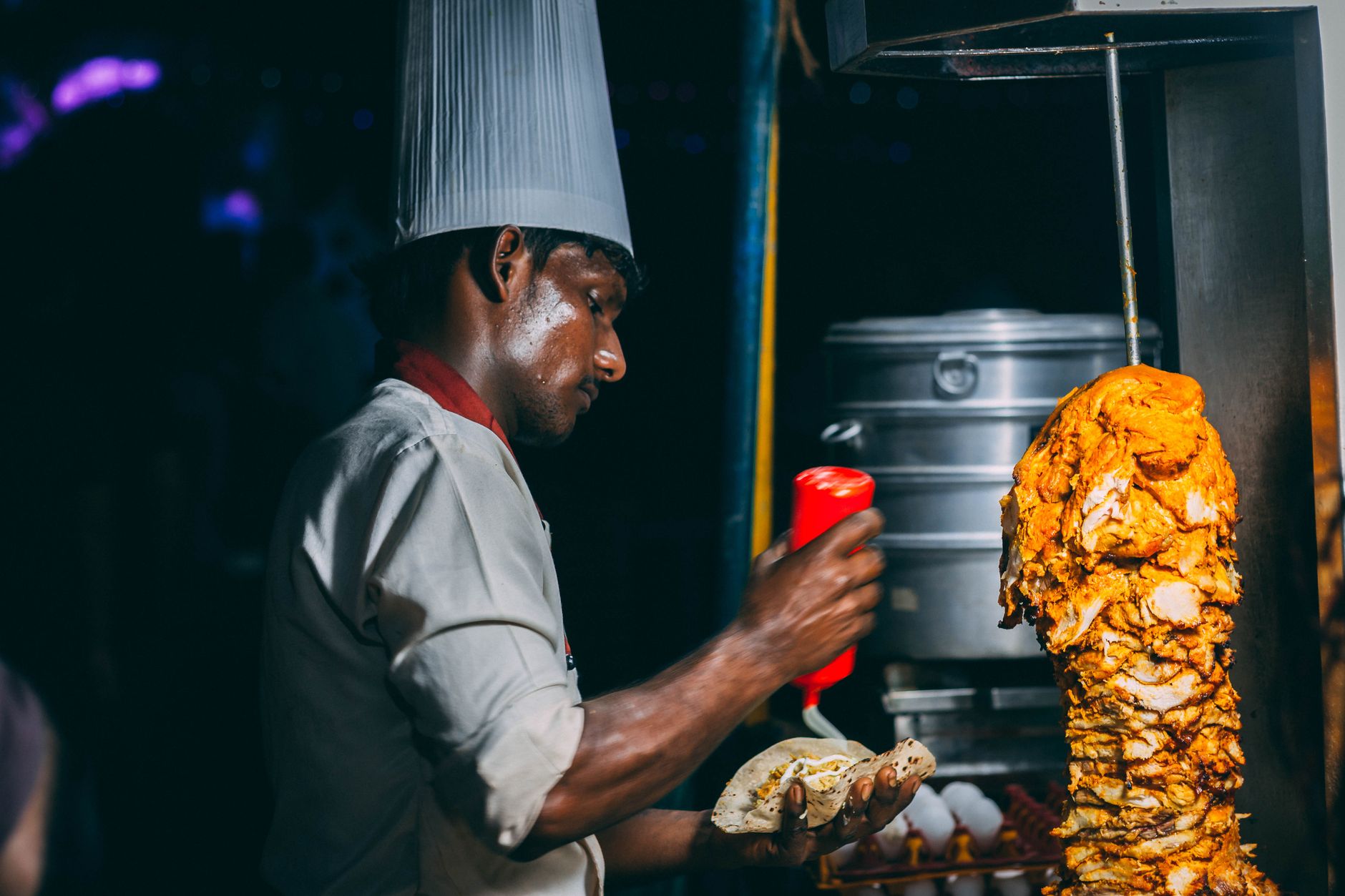
Tired of overpriced tourist traps and bland meals? I was too, until I discovered the transformative power of eating like a local for pennies. This isn't just about saving money; it's about unlocking the soul of a destination through its most authentic flavors, connecting with people, and experiencing a truly unforgettable journey that changed my entire approach to travel forever. ---
The year was 2015, and I was in Bangkok, Thailand, fresh off a particularly disappointing, overpriced plate of Pad Thai from a restaurant near my hotel. It was bland, it was small, and it cost me a ridiculous 250 baht (about $7.50 USD at the time). As I walked back, grumbling, I passed a tiny, unassuming stall, steam rising from a wok, the air thick with fragrant spices. A small crowd of locals huddled around, laughing, slurping noodles from plastic bowls. Each bowl looked vibrant, generous, and utterly delicious. I watched a woman hand over a few coins – maybe 40 baht? – and receive her steaming bowl.
That moment was my culinary epiphany.
I realized I wasn't just missing out on incredible food; I was missing out on the real Bangkok. I was missing the heartbeat of its streets, the stories told through its flavors, the genuine connection with its people. From that day forward, my travel philosophy flipped. I vowed to eat like a local, for pennies, wherever I went. And let me tell you, it didn’t just save me thousands of dollars over the years; it fundamentally changed how I experience the world. It’s the single most impactful travel hack I’ve ever adopted, turning every trip into an authentic, mouth-watering adventure.
If you’re ready to ditch the tourist menus, embrace the unknown, and unlock a world of flavor without breaking the bank, then grab a fork (or chopsticks!) and let’s dive into how you can eat like a local for pennies, and why it will change your life forever too.
The Epiphany: Why Eating Local is More Than Just Cheap
Before we get into the "how," let's talk about the "why." Yes, saving money is a huge motivator. Imagine spending $5-$10 on a delicious, filling meal instead of $30-$50. Over a two-week trip, that’s hundreds, even thousands, in savings you can put towards experiences, flights, or extending your adventure. But the benefits extend far beyond your wallet.
Eating locally is the fastest, most delicious route to cultural immersion. Food is a universal language, a direct window into a society's history, traditions, and values. When you share a meal with locals, even if it's just elbow-to-elbow at a street stall, you're participating in their daily life. You're tasting ingredients unique to the region, prepared with techniques passed down through generations. You're supporting local businesses directly, not big chains.
My most cherished travel memories often revolve around food: the warmth of a homemade tagine in a tiny Marrakech eatery, the explosive flavors of a Banh Mi from a Hanoi sidewalk vendor, the comforting simplicity of a dal bhat shared in a Nepali guesthouse. These aren’t just meals; they’re stories, connections, and sensory experiences that stay with you long after the last bite. It’s about being a traveler, not just a tourist.
The Street Food Safari: Your Best Friend for Budget Bites
When I say "eat like a local," the first thing that probably comes to mind is street food. And for good reason! Street food is often the most accessible, affordable, and authentic way to experience a destination's cuisine. But how do you navigate the bustling stalls without getting overwhelmed or, worse, getting sick?
My Golden Rules for Street Food Success:
- Follow the Crowds (Especially Locals!): This is my number one rule. A busy stall means high turnover, which means fresh ingredients. If locals are lining up, you know it's good, safe, and authentic. In Mexico City, I once waited 20 minutes for Tacos al Pastor at a stand packed with office workers – best decision ever. The meat was carved fresh off the trompo, pineapple flying, cilantro chopped, all for about 15 pesos (less than $1 USD) per taco. I ate five.
- Look for Freshness: Observe the vendors. Are they preparing food right in front of you? Are ingredients stored properly (e.g., meat on ice, vegetables covered)? Avoid anything that looks like it's been sitting out for hours, especially in hot climates.
- Hot Food is Your Friend: Cooked food, especially deep-fried or boiled, is generally safer. The heat kills bacteria. While salads and fresh fruit can be delicious, sometimes it’s best to stick to items that have been thoroughly cooked.
- Embrace the Unknown: Don't be afraid to point! A smile and a gesture often go a long way. If you can learn a few basic phrases like "delicious" (e.g., aroy in Thai, ngon in Vietnamese, delicioso in Spanish), it'll make the experience even better.
- Small Portions, Big Exploration: Many street food items are small, allowing you to try a variety of dishes without committing to one big meal. This is perfect for sampling! I remember in Penang, Malaysia, trying Char Kway Teow, Assam Laksa, and Rojak all from different vendors within a single hour, each for around 5-8 MYR ($1.20-$2 USD). It was a flavor explosion!
- Carry Cash: Most street vendors operate on a cash-only basis. Small denominations are always appreciated.
- Bring Your Own Water Bottle: Hydration is key, especially when trying spicy foods! And it saves you money on buying bottled water. Consider a water filter bottle for added safety.
Market Magic: Where Freshness Meets Frugality
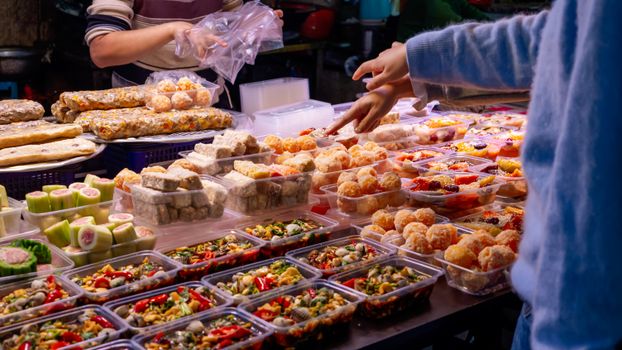
Beyond street food stalls, local markets are another treasure trove for budget-conscious foodies. Think vibrant colors, intoxicating aromas, and the buzz of daily life. Markets aren't just for buying groceries; they're often where you can find prepared foods, snacks, and ingredients for impromptu picnics.
How to Conquer the Market:
- Go Early (or Late): Arriving early often means the freshest produce and less crowded aisles. Going late, sometimes vendors offer discounts to clear out their stock, though selection might be limited.
- Sample Everything (If Offered): Many vendors are happy to offer samples of fruits, cheeses, or cured meats. It's a great way to try before you buy and engage with the sellers.
- Look for "Ready-to-Eat" Sections: Many markets have sections dedicated to prepared foods. In Vietnam, I'd often grab fresh spring rolls (Gỏi cuốn) or a pre-made sticky rice dish (Xôi) for less than $1. In Italy, I'd pick up fresh bread, local cheese, and olives for a picnic.
- Pack a Picnic: This is a game-changer. Grab fresh bread, local cheeses, cured meats, fruits, and vegetables. Find a scenic park or a quiet spot by a river, and you have an incredible, authentic meal for a fraction of the restaurant cost. This saved me a fortune in expensive cities like Paris and Geneva. A baguette, some local cheese, and a bottle of wine from a supermarket in Paris for under €10? Unbeatable.
- Learn Basic Bargaining (Where Appropriate): In some cultures (e.g., Southeast Asia, North Africa), bargaining is expected, especially at markets. Start by offering a slightly lower price and meet somewhere in the middle. Always be polite and smile. In Marrakech's Jemaa el-Fnaa square, I once haggled for a bag of spices, turning it into a fun, friendly exchange rather than a tense negotiation.
- Ask for the "Local Price": Sometimes, vendors might try to charge tourists more. A polite "How much for locals?" (if you know the phrase) or just observing what locals pay can give you an idea.
Dive into Dhabas & Warungs: Uncovering Hidden Gems
While street food is fantastic, sometimes you want a sit-down experience without the sit-down prices. This is where local eateries – often called dhabas in India, warungs in Indonesia, trattorias in Italy, or simply "local restaurants" – come into play. These are typically family-run, no-frills establishments catering to the local community.
How to Spot and Enjoy Local Eateries:
- Look for Simplicity: Often, the best local spots aren't fancy. Plastic chairs, simple tables, and a menu (if there even is one) handwritten or displayed on a board. Don't be deterred by a lack of polished décor.
- Menu in Local Language: A menu exclusively in the local language is a good sign! It means they're not primarily catering to tourists. Use Google Translate's camera function if you're feeling adventurous, or just point to what others are eating.
- Limited Menu: Sometimes, a place that specializes in just a few dishes does them exceptionally well. In Vietnam, I found the best Bún Chả (grilled pork with noodles) at a small place that served nothing else. It was perfection for about 30,000 VND ($1.20).
- Observe the Kitchen: If it's open, take a peek. Cleanliness is key.
- The Lunch Rush: Like street food, a busy local eatery during lunch or dinner hours is a strong indicator of quality and freshness.
- Ask for the "Plat du Jour" or Daily Special: Many local places offer a daily special that's often the freshest and most economical option. In France, the plat du jour is a fantastic way to enjoy a delicious, multi-course meal for a fraction of the usual price.
- Don't Expect Silver Service: Service might be quick, efficient, and not overly attentive, which is typical for these kinds of establishments. Embrace the authenticity!
The "No-Kitchen" Kitchen: Picnic Power & Supermarket Savvy
Even if you don't have access to a kitchen (which is most of the time for budget travelers), you can still save a massive amount of money by making some of your own meals. Supermarkets and convenience stores are your allies.
My Supermarket Savvy Strategies:
- Breakfast Bonanza: Skip the expensive hotel breakfast. Head to a local supermarket or bakery for fresh bread, pastries, yogurt, fruit, and coffee. In Rome, I'd grab a cornetto (Italian croissant) and a cappuccino from a local bar, then pick up fruit and yogurt from a supermarket. Total cost: under €5. Hotel breakfast? €20+.
- Lunch on the Go: Create your own sandwiches, wraps, or salads. Buy deli meats, cheese, fresh vegetables, and bread. Many supermarkets also have pre-made salads or hot food counters that are significantly cheaper than restaurants.
- Dinner DIY (Simple Edition): If you have a hostel kitchen, great! But even without one, you can get creative. Think instant noodles (often elevated with fresh veggies, eggs, or a small protein from the deli), canned goods (tuna, beans), or ready-to-eat meals.
- Snack Attack: Instead of buying overpriced snacks from tourist shops, stock up on local chips, nuts, dried fruit, or cookies from a supermarket.
- Water, Water Everywhere: Buy large bottles of water from supermarkets. It's much cheaper per liter than buying small bottles from convenience stores or tourist traps. Even better, invest in a reusable water bottle and a Steripen or Lifestraw for endless, safe drinking water.
Befriending the Locals: Your Ultimate Food Guide
The absolute best way to find those hidden culinary gems is to ask the people who live there. Locals know their city's secrets, the hole-in-the-wall places with the best flavors, and the stalls that have been serving up deliciousness for decades.
How to Tap into Local Wisdom:
- Ask Hotel/Hostel Staff: They live there! Politely ask them where they eat, not where they send tourists. "Where do you go for the best [local dish] that's not for tourists?" is a great opener.
- Engage with Shopkeepers/Baristas: If you frequent a local coffee shop or a small store, strike up a conversation. Once they recognize you, they're often happy to share their favorite spots.
- Learn a Few Local Phrases: Even a simple "Hello," "Thank you," and "Delicious" in the local language can open doors and build rapport. People appreciate the effort.
- Use Social Media/Forums: Before you go, check local Facebook groups or Reddit forums for recommendations from residents. Search for "[City Name] local food recommendations" or "best cheap eats [City Name]".
- Observe and Imitate: Sometimes, the best strategy is simply to watch. See where locals congregate, where they buy their groceries, and what they're eating. If you see a group of construction workers all eating from the same food cart, chances are it's delicious and affordable.
I remember in Lisbon, I asked the owner of a small bakery where I bought my morning pastéis de nata for a good, cheap seafood place. He drew me a rough map to a tiny, unassuming restaurant down an alleyway. It was packed with families, the air filled with laughter and the aroma of garlic and grilled fish. I had a whole grilled sea bass, potatoes, and wine for €12 – a meal that would have cost €40+ in a tourist area. It was one of the most memorable meals of that trip.
The Penny-Pinching Playbook: Advanced Hacks & Mindset Shifts
To truly master the art of eating like a local for pennies, it's about more than just finding cheap food; it's about a shift in mindset and adopting a few advanced hacks.
- Embrace the Lunch Deal: In many countries, lunch menus (or menú del día in Spain, pranzo di lavoro in Italy) offer incredible value. You often get multiple courses for the price of a single main dish at dinner. In Spain, I’ve had three-course meals with wine and bread for €10-15.
- Prioritize One "Splurge" Meal: While the goal is cheap eats, it's okay to have one or two planned splurges for a truly unique dining experience. The key is that these are planned and intentional, not just falling into a tourist trap.
- Avoid Tourist Hotspots: Restaurants directly facing major landmarks or in extremely popular squares are almost always overpriced and often mediocre. Walk two or three blocks away, down a side street, and prices will drop, and quality will often rise.
- Learn to Love Local Drinks: Skip the imported sodas or expensive beers. Try local fruit juices, teas, or the local beer/wine. They're usually cheaper and more authentic.
- Portion Control (Yours, Not Theirs): Don't feel obligated to finish everything. If portions are huge, save some for later or share.
- Don't Be Afraid to Say No: If someone is aggressively trying to pull you into their restaurant, politely decline and keep walking. Trust your gut.
- Carry Snacks: Always have a few granola bars, nuts, or fruit with you. This prevents impulse buys of overpriced snacks when hunger strikes between meals.
- The Art of the Freebie: Sometimes, in local bars in Spain, a small tapa comes free with your drink. In Italy, some bars offer free aperitivo snacks with your evening drink. These can often be enough for a light meal!
My Life-Changing Takeaway
Eating like a local for pennies has been the single most transformative aspect of my travel career. It’s taught me patience, adaptability, and the joy of simple pleasures. It’s introduced me to countless incredible people, from the smiling woman who taught me how to properly eat Lao Gan Ma chili oil with noodles in Chengdu, to the quiet chef in a tiny Lisbon tasca who shared his family recipe for bacalhau à brás.
These experiences are priceless, yet they cost next to nothing. They are the moments that truly connect you to a place, allowing you to taste its history, feel its rhythm, and understand its soul. You won't just eat; you'll experience. You won't just save money; you'll gain a deeper, richer understanding of the world.
So, next time you're planning a trip, challenge yourself. Ditch the guidebooks' restaurant recommendations, step away from the main square, and seek out the bubbling pot, the bustling market, the unassuming doorway. Your taste buds, your wallet, and your wanderlust will thank you.
Now, I want to hear from you! What's your favorite local dish you've discovered while traveling? Share your best "eat like a local" tip in the comments below! Let's inspire each other to savor every penny and every bite!
---
More pictures



Tags
Share this guide
We may earn a commission if you click a link and buy a product or service, at no extra cost to you. How affiliate links work.
Been there?