
Tired of overpriced tourist traps and bland meals? Imagine savoring the most delicious, authentic local dishes for less than the cost of a coffee. This guide reveals the insider secrets to eating like a true local on a shoestring budget, unlocking culinary experiences most tourists only dream of. ---
Remember that time you paid $20 for a mediocre pasta in Rome, just because it had a view of a fountain, while eyeing a local grandma across the street devouring something incredible for $3? Or when you splurged on a fancy restaurant in Bangkok, only to realize the best Pad Thai was bubbling away on a street cart just meters away for a fraction of the price? Yeah, I've been there. We all have.
For years, my travel budget was perpetually blown on food. I’d wander into tourist-trap restaurants, lured by glossy pictures and English menus, only to leave with a lighter wallet and a lingering sense of culinary disappointment. My epiphany hit hard during my first solo trip to Southeast Asia. I was in Ho Chi Minh City, utterly overwhelmed by the sheer number of eateries. After a few overpriced, underwhelming meals near Ben Thanh Market, I ventured down a narrow, bustling alleyway, guided only by the tantalizing aromas and the cacophony of local chatter.
There, amidst plastic stools and steaming woks, I found it: a tiny stall serving the most incredible Bún Thịt Nướng (grilled pork with vermicelli) I had ever tasted. It cost me about $1.50. My mind was blown. It was authentic, bursting with flavor, and surrounded by laughing locals. That moment wasn't just about a cheap meal; it was about unlocking a whole new dimension of travel. It was about realizing that the best food, the real food, the food that tells a story, often comes with the smallest price tag and the biggest heart.
Since then, I’ve made it my mission to eat like a local for pennies, wherever I go. And today, I’m sharing those hard-won secrets with you. These aren't just tips; they're a manifesto for delicious, authentic, and incredibly affordable culinary adventures that locals guard fiercely. Prepare to ditch the tourist menus, embrace the unknown, and savor every single penny saved.
The Golden Rule: Embrace the Street (and Markets!)
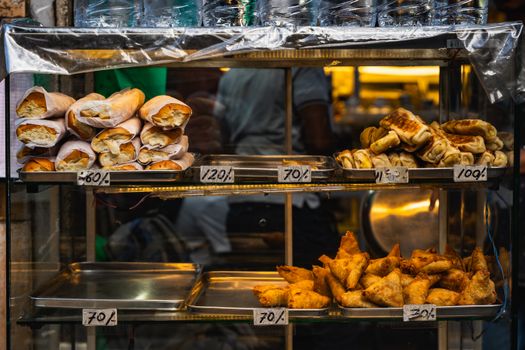
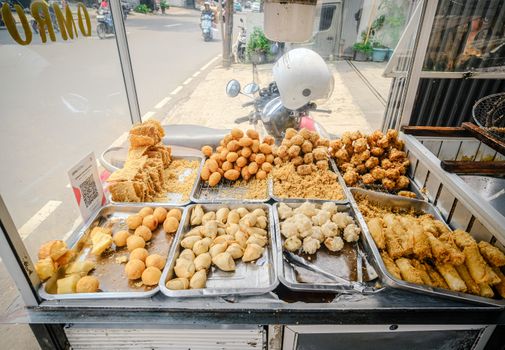
This is perhaps the most fundamental, non-negotiable rule of eating like a local for pennies: get out on the street! Street food isn't just about convenience; it's a vibrant, living testament to a culture's culinary soul. It's where authenticity, freshness, speed, and unbeatable prices converge.
Why Street Food Reigns Supreme:
- Authenticity: Often, street food recipes are generations old, passed down through families. You're tasting history.
- Freshness: Ingredients are usually prepared right in front of you, often cooked to order. No stale food here!
- Price: This is where your pennies truly shine. A full, satisfying meal can often be had for less than a coffee in a tourist café.
- Atmosphere: The hustle, the bustle, the smells, the sounds – street food is a feast for all senses. It's where you truly feel the pulse of a city.
Actionable Tips for Street Food Success:
- Look for Crowds: This is your number one indicator. If a stall has a line of locals, it's a good sign. High turnover means fresh food and a beloved recipe.
- Observe the Cooking: Can you see the food being prepared? Is it clean? Does it look appetizing? Transparency is key.
- Visible Hygiene (Relative): While street food isn't always Michelin-star pristine, look for common-sense hygiene: clean surfaces, fresh ingredients, gloved hands if applicable, and hot food served hot.
- Specialization: The best street food vendors often specialize in one or two dishes. They've perfected it over years, sometimes decades.
- Don't Be Afraid to Point: If language is a barrier, just point to what looks good. A smile and "thank you" go a long way.
Personal Anecdote: My all-time favorite street food memory is from Hanoi, Vietnam. I joined a $10 street food tour, which felt like a splurge at the time, but it opened my eyes. We hopped from a Banh Mi stall (crispy baguette, pâté, grilled pork, herbs – about $1.50), to a Pho vendor (rich broth, tender beef, fresh noodles – $2), and finally to a tiny café for Egg Coffee ($1.80). The guide explained the history, the ingredients, and the local etiquette. What I learned in those few hours allowed me to confidently navigate Hanoi's street food scene for the rest of my trip, eating like royalty for less than $5 a day.
Market Magic: Don't just think street stalls. Think markets! Wet markets, farmer's markets, and especially night markets are treasure troves of prepared food. In Chiang Mai, Thailand, the Sunday Night Walking Street Market is an explosion of culinary delights. You can graze on mango sticky rice, grilled skewers, exotic fruits, and noodle dishes for hours, spending less than $10 total. In Rome, Campo de' Fiori's morning market offers incredible cured meats, cheeses, and fresh bread perfect for a DIY lunch. Walk around, soak it in, and pick what calls to you.
Ditch the English Menu: Embrace Local Eateries & Canteens
The moment you see a restaurant with a multilingual menu outside, especially with glossy, laminated photos, your "tourist trap" alarm should blare. These places often cater to fleeting visitors, offering bland, overpriced versions of local dishes. To truly eat like a local for pennies, you need to venture into the domain of the locals themselves.
Spotting the Real Deal:
- Language Barrier: The fewer English words on the menu (or none at all), the better. This indicates it’s catering to locals.
- Local Clientele: Look inside. Is it packed with families, workers on their lunch break, or elderly couples? That's your sign.
- Unpretentious Decor: Forget fancy tablecloths and mood lighting. Often, the best food comes from places with plastic chairs, simple tables, and a bustling, no-frills atmosphere.
- Limited Menu: A short, focused menu often means they do a few things exceptionally well.
- Slightly Off the Beaten Path: These gems are rarely on the main tourist boulevards. Look down side streets, in residential areas, or a block or two away from major attractions.
Navigating the Local Lingo:
- Google Translate Camera: This is your superpower. Point your phone camera at the menu, and watch it translate in real-time. It's not always perfect, but it's a lifesaver.
- Learn Key Phrases: "Delicious" (Ngon in Vietnamese, Delicioso in Spanish), "Thank you" (Cảm ơn, Gracias), "Spicy?" (Cay không?, ¿Picante?). A little effort goes a long way.
- Point & Gesture: Don't be shy! If you see something a local is eating that looks amazing, point and smile.
- Ask for Recommendations: If there's a friendly face (maybe a younger staff member who speaks a little English), ask "What's good?" or "What's popular?"
Personal Anecdote: In Lisbon, Portugal, I was famished after a morning of exploring. Every restaurant near Praça do Comércio was packed with tourists and had inflated prices. I wandered a few blocks inland, up a steep, narrow street, and stumbled upon a tiny, unassuming "Tascas" (traditional Portuguese eatery). There was no English menu, just a handwritten board. I used Google Translate and discovered "Bacalhau à Brás" – shredded codfish with onions, potatoes, and scrambled eggs. It was divine, a massive portion, and cost me €7, including a glass of house wine. The owner, a sweet elderly lady, beamed as I devoured it. That's the kind of experience you miss when you stick to the tourist traps.
These local canteens, "warungs" in Indonesia, "comedores" in Latin America, or "trattorias" in Italy (the truly local ones, not the tourist-facing ones), are where you'll find the heart of local cuisine for prices that will make your wallet sing.
The Power of Lunch: Your Midday Feast Strategy
Here's a secret that even some seasoned travelers overlook: lunch is often significantly cheaper than dinner for the exact same quality and portion size. Many countries have a tradition of the "Menu del Día" (menu of the day) or "Plat du Jour" (dish of the day), offering incredible value.
Why Lunch is Your Best Friend:
- Set Menus: In many European countries, especially Spain, France, and Italy, lunch menus often include 2-3 courses, bread, and even a drink (wine or water) for a fixed, low price.
- Worker Specials: Restaurants catering to local workers will offer hearty, affordable meals during lunch hours.
- Reduced Prices: Even à la carte items can sometimes be cheaper at lunch than dinner.
Maximizing Your Midday Meal:
- Look for "Menu del Día" Signs: These are usually displayed prominently outside restaurants. Check the price and what's included.
- Timing is Key: In Southern Europe, lunch can start anywhere from 1 PM to 3 PM. In other regions, it might be closer to noon. Observe local eating habits.
- Venture Slightly Off-Peak: If you go right at the peak lunch rush (e.g., 1 PM in Spain), popular places can be very busy. Going a bit earlier or later might get you a table more easily.
Personal Anecdote: During a trip to Barcelona, I made "Menu del Día" my go-to strategy. For around €12-€15, I would get a starter (like a fresh salad or gazpacho), a main course (paella, grilled fish, or meat), dessert, bread, and a glass of wine. If I had ordered the same items à la carte for dinner, it easily would have been €30-€40. One particularly memorable lunch was at a small place called "Can Solé" (not the famous one, a tiny local spot) near Barceloneta. The seafood paella was phenomenal, incredibly fresh, and the experience felt truly authentic, surrounded by local families. I often found myself so full from lunch that a light snack or just some fruit sufficed for dinner, doubling my savings!
This strategy allows you to experience high-quality restaurant food without the high price tag, freeing up more of your budget for other adventures.
Supermarket Savvy & Picnic Perfection
Sometimes, the best "restaurant" is no restaurant at all. Don't underestimate the power of a local supermarket or grocery store. This is not just for snacks; it's for crafting gourmet, budget-friendly meals.
What to Look For:
- Local Delicacies: Supermarkets are fantastic places to buy local cheeses, cured meats (prosciutto in Italy, jamón in Spain), fresh bread, olives, and regional produce.
- Ready-to-Eat Sections: Many larger supermarkets have excellent deli counters with pre-made salads, rotisserie chickens, sandwiches, and hot food bars.
- Drinks: Water, local beers, and wines are significantly cheaper here than in bars or restaurants.
- Fruit Stands: Grab some fresh, seasonal fruit for healthy, cheap snacks.
Creating Your Own Culinary Masterpiece:
- The Picnic: This is my absolute favorite. Grab a fresh baguette, some local cheese, a pack of cured ham, a tomato, and a bottle of wine (if legal/appropriate). Find a beautiful park, a scenic viewpoint, or a riverbank. Voila! An unforgettable, incredibly cheap, and utterly romantic meal.
- Hostel Kitchen Magic: If your accommodation has a communal kitchen, hit the supermarket for ingredients. Cook a simple pasta dish, stir-fry, or even just boil some eggs and make sandwiches. This is especially good for longer trips.
- Breakfast on the Go: Cereal, yogurt, fruit, and local pastries from the supermarket are far cheaper than hotel breakfasts or café equivalents.
Personal Anecdote: My most iconic budget meal was a picnic in Paris. Instead of shelling out €50+ for a bistro meal near the Eiffel Tower, I walked into a local Carrefour. For less than €10, I bought a fresh baguette, a wedge of Brie, a packet of jambon cru, a small bottle of rosé, and some strawberries. I found a spot on the Champ de Mars, watched the Eiffel Tower sparkle as the sun set, and enjoyed a meal that felt infinitely more Parisian and special than any overpriced restaurant. It was simple, perfect, and Instagram-worthy in its authenticity.
Befriend a Local (or Your Hostel Staff!)
This is the ultimate insider hack. Guidebooks are great, but they can't compete with the real-time, hyper-local knowledge of someone who lives there. The best way to find those truly hidden gems – the hole-in-the-wall places locals frequent – is to ask a local.
Who to Ask (and How):
- Hostel Staff: They are often young, savvy, and know all the best cheap eats in the area. Ask the person at the front desk or a fellow traveler who's been around.
- Baristas & Shop Owners: If you're buying a coffee or a souvenir, strike up a friendly conversation. "Excuse me, I'm looking for a truly local place to eat, somewhere you would go for a quick, cheap, and delicious lunch. Do you have any recommendations?"
- Ride-Share Drivers/Taxi Drivers: They know the city inside out.
- Fellow Travelers: Especially those who have been in town for a while or who are known for their budget travel prowess.
Why This Works Wonders:
- Untapped Knowledge: Locals know the places that don't need tourist advertising. These are often family-run, serving generational recipes.
- Authenticity Guaranteed: They won't send you to a tourist trap because they wouldn't go there themselves.
- Beyond the Obvious: They can point you to specific dishes, stalls, or even times of day to visit.
Personal Anecdote: In Medellín, Colombia, I was staying at a small, family-run hostel. The owner, a vibrant woman named Maria, overheard me asking about good cheap eats. She immediately drew me a crude map on a napkin, pointing to a tiny empanada stand just a few blocks away. "Go there!" she insisted. "Best empanadas in the city, and only 2,000 pesos each!" (€0.50). I went. The stand was literally a window in a wall, with a few plastic stools outside. The empanadas were indeed life-changing – crispy, savory, and bursting with flavor. I ate five, washed down with a fresh fruit juice, for less than €3. I would never have found it without Maria's insider tip. It was a true local secret.
Embrace the "Ugly" & The Unfamiliar
One of the biggest hurdles for tourists seeking authentic, cheap eats is often their own preconceived notions. We're used to polished restaurants, familiar menus, and appealing aesthetics. But sometimes, the best food comes from the least glamorous places, and the most memorable experiences come from trying something completely new.
Challenge Your Assumptions:
- Don't Judge a Book by Its Cover: That unassuming shack, the stall with mismatched furniture, the restaurant that looks a bit... rough around the edges? These are often the places with the most heart and the best food. They don't need fancy decor because their food speaks for itself.
- Be Adventurous: Don't stick to what you know. If you see locals devouring something you can't identify, ask what it is (using your Google Translate!). Try it!
- Embrace the Offal (Within Reason): In many cultures, parts of animals we might discard are considered delicacies and are incredibly flavorful and cheap. Think tripe soup, liver pâté, or various blood sausages. If you're feeling brave, give it a go!
- Unfamiliar Textures & Flavors: Fermented foods, pungent spices, unique combinations – these might challenge your palate, but they're part of the cultural experience.
Personal Anecdote: In Taiwan, I was initially wary of the famous "stinky tofu." The smell alone was enough to make some tourists recoil. But I saw locals lining up for it at a night market, so I decided to brave it. The vendor served a small plate of deep-fried cubes, crispy on the outside, soft on the inside, with a pungent, savory flavor that was surprisingly addictive, especially with the pickled cabbage. It cost about $2. It wasn't just a meal; it was a sensory adventure, a story, and a badge of honor. It taught me that sometimes, the most rewarding culinary experiences are those that push you out of your comfort zone.
The joy of discovery is immense. Some of the best travel memories are built around trying something completely new, initially being hesitant, and then loving it. These moments are often the most shared, most talked-about, and most 'Instagrammable' in their raw authenticity.
Your Penny-Pinching Culinary Adventure Awaits!
Eating like a local for pennies isn't just about saving money; it's about enriching your entire travel experience. It’s about diving headfirst into the culture, connecting with people through food, and creating authentic memories that last a lifetime. You'll bypass the tourist traps, discover hidden culinary gems, and savor flavors that tell the true story of a place.
From the bustling street food stalls of Southeast Asia to the unassuming "tascas" of Portugal, the hearty "Menu del Día" in Spain, to the perfect Parisian picnic, the world is brimming with incredible, affordable food experiences waiting for you. All it takes is a little curiosity, a willingness to venture off the beaten path, and an open mind (and stomach!).
So, next time you travel, ditch the guidebooks' restaurant recommendations. Seek out the bustling market, the unassuming doorway, the local chatter. Ask a local, trust your instincts, and embrace the delicious unknown. Your taste buds and your wallet will thank you.
We want to hear from you! What's the best local meal you've had for next to nothing? Share your own penny-pinching food discoveries and insider tips with us in the comments below! Don't forget to tag #TripsoraEats and share your culinary adventures with your friends – let's inspire more travelers to eat authentically and affordably!
---
More pictures



Tags
Share this guide
We may earn a commission if you click a link and buy a product or service, at no extra cost to you. How affiliate links work.
Been there?