
Forget waiting lists and sky-high prices! I've cracked the code to experiencing future Michelin-level cuisine for under $30 a plate. Get ready to discover hidden culinary gems before the world catches on, and savor unforgettable meals without breaking the bank. ---
The aroma hit me before I even saw the place – a complex, savory cloud of garlic, soy, and something deeply umami. It was a tiny ramen shop tucked away on a side street in Tokyo’s Shinjuku Gyoenmae, barely big enough for a dozen stools. The chef, a serious man with forearms like Popeye, meticulously arranged each bowl, his movements precise and practiced. I paid a mere 950 yen (about $8.50 at the time) for a bowl of shoyu ramen that quite frankly, changed my life. The broth was impossibly rich, the noodles perfectly chewy, the chashu pork meltingly tender. I remember thinking, "This is it. This is world-class."
Fast forward a few years, and that very shop, Soba House Konjiki Hototogisu, earned its first Michelin star. I remember seeing the news and feeling a rush – not just of "I told you so," but of pure, unadulterated joy. That feeling of discovery, of stumbling upon something truly exceptional before the rest of the world caught on, is what drives my culinary adventures.
We all dream of Michelin-starred dining, but the price tag? That's usually where the dream ends for most budget-conscious travelers. But what if I told you that you don't need a trust fund or a platinum card to experience food of that caliber? What if I told you there’s a thrilling, delicious, and incredibly affordable way to eat at places destined for Michelin greatness, long before they earn their stars and their prices skyrocket?
Welcome, fellow food adventurer, to the art of the "Pre-Michelin Feast." This isn't about sneaking into fancy restaurants with a coupon. It’s about understanding the Michelin guide's philosophy, sharpening your foodie instincts, and diving headfirst into local culinary scenes to unearth the next big thing – all for under $30 a meal. And trust me, the thrill of the hunt is almost as good as the meal itself.
---
The Michelin Mindset Shift: Hunting for Potential, Not Stars (Yet!)
First things first: let's reframe our thinking. When we talk about "Michelin restaurants for under $30," we're not talking about a three-star tasting menu. We're talking about finding the spirit of Michelin – exceptional quality, passion, and technique – in humble, often overlooked establishments.
The Michelin Guide isn't just about white tablecloths and sommeliers. It’s about the food on the plate. Their anonymous inspectors look for five key criteria:
- Quality of the ingredients: Are they fresh, seasonal, and top-notch?
- Mastery of flavor and cooking techniques: Is the food expertly prepared and balanced?
- The personality of the chef in their cuisine: Does the dish reflect a unique vision or style?
- Value for money: Is the price fair for the quality offered? (This is where our sweet spot is!)
- Consistency between visits: Is the quality reliable?
Notice how "fancy decor" or "expensive wine list" isn't on that list. This is our secret weapon! Many future Michelin-recognized places start as small, unassuming eateries, often family-run or chef-driven passion projects, where the focus is entirely on the food. They might eventually earn a "Bib Gourmand" (excellent food at a moderate price) or even a full star, but before that, they're just incredible local secrets waiting to be discovered.
Your mission, should you choose to accept it, is to become a culinary detective, sniffing out these nascent stars before the crowds, the critics, and the inevitable price hikes descend.
---
Decoding the Culinary Compass: Where to Look for Future Legends
So, how do you find these hidden gems? It takes a bit of strategy, a dash of daring, and a whole lot of local immersion.
- Embrace the Lunch Menu (Your Golden Ticket): This is perhaps the most straightforward hack for experiencing fine dining concepts on a budget. Many high-end restaurants, even those with existing Michelin recognition, offer significantly more affordable lunch sets or prix fixe menus. While these might sometimes push past the $30 mark, they often give you a taste of the chef's philosophy and quality for a fraction of the dinner price. But for under $30, we’re focusing on places that are already affordable at lunch, not just discounted. Look for places known for their lunch queues.
- Dive into Local Markets & Street Food Hubs: This is where true culinary innovation often begins. Think about Singapore's hawker centers (many of which now boast Michelin stars or Bib Gourmands), or the bustling street food scenes in Mexico City, Bangkok, or Ho Chi Minh City. Chefs often start here, refining their craft with fresh, local ingredients and a keen eye on value. Look for:
- Long lines of locals: Always a good sign.
- Limited, specialized menus: A place that does one thing exceptionally well.
- Spotless stalls/kitchens: Even street food can be pristine.
- Visible passion: Watch the chefs work; do they seem genuinely dedicated?
- Explore Emerging Neighborhoods & "Foodie Corridors": Every major city has areas that are gentrifying or becoming known as new culinary hotspots, often just outside the main tourist drag. These are fertile grounds for young, ambitious chefs setting up their first ventures.
- Example: In Lisbon, venture beyond Baixa and Chiado into areas like Arroios or Intendente, where you'll find a vibrant mix of traditional tascas and innovative new eateries. In Seoul, explore neighborhoods like Ikseon-dong or Seongsu-dong for trendy, chef-driven spots before they hit the mainstream.
- How to find them: Read local (not just international) food blogs, look at Instagram geotags from local food photographers, or simply wander with an open mind.
- Harness the Power of Local Intel: This is priceless. Don't just ask your hotel concierge (they might send you to tourist traps). Ask:
- Taxi drivers: They know where the locals eat.
- Market vendors: They know who buys the best produce.
- Shopkeepers: Especially those in non-touristy areas.
- Local baristas/bartenders: They often have their finger on the pulse of the local dining scene.
- "Where do you eat when you want something really good, but not expensive?" This is the magic question.
- Scour Niche Food Blogs & Forums: Go beyond the big names. Search for local food blogs, forums, or Facebook groups dedicated to food in your destination. Look for posts discussing "hidden gems," "best cheap eats," or "underrated restaurants." These are often written by passionate locals who are genuinely invested in their city's food scene.
---
The Art of the 'Under $30' Feast: Strategic Ordering & Savvy Choices
Finding the right place is half the battle; ordering strategically is the other. Here’s how to maximize your Michelin-potential experience without emptying your wallet:
- Focus on Appetizers & Small Plates: Instead of one expensive main course, order several appetizers or small plates. This allows you to sample more of the chef’s range and often offers better value. Many chefs put just as much creativity and technique into their smaller dishes.
- Go for the Signature Dish: If a place is famous for one specific item (e.g., a certain type of noodle, a legendary taco, a unique curry), that's often where the chef's passion and mastery truly shine. It's usually the best value for money and the most indicative of their potential.
- Skip the Alcohol: This is the easiest way to keep your bill down. Opt for water, local iced tea, or a simple house-made drink. If you must have a drink, check for local, inexpensive beer or house wine options.
- Lunch is Your Best Friend: I've said it before, but it bears repeating. Lunch menus are almost always more affordable than dinner, even for the same quality of food. Some places even offer a "set lunch" that includes multiple courses for a fixed, low price.
- Embrace Simplicity: Don't chase the most elaborate dish. Often, the genius of a potential Michelin spot lies in its ability to elevate simple ingredients or classic dishes to extraordinary levels. A perfectly cooked grilled fish, a flawless pasta, or an impeccably seasoned bowl of soup can be far more impressive (and affordable) than an overly complex, expensive plate.
- "Omakase Light" or Tasting Portions: In places like Japan, some sushi counters offer incredibly affordable lunch nigiri sets that showcase the chef's skill without the full omakase price tag. Similarly, some small tapas bars or izakayas allow you to build a mini-tasting menu from their array of small dishes.
---
My Personal Playbook: Real-World Examples & Discoveries
Let me take you through a few of my own pre-Michelin discoveries, to show you what’s possible:
Anecdote 1: The Ramen Revelation in Tokyo After my Soba House Konjiki Hototogisu experience, I was hooked. On a subsequent trip to Tokyo, I was on the hunt again. A local friend tipped me off to a tiny ramen spot in Sugamo, a neighborhood known for its "Grandma's Harajuku" vibe. Ramen Sugamo (not its real name, to preserve a bit of its secret status, though it’s already gaining traction) was a blink-and-you-miss-it storefront with a hand-painted sign. The chef, a quiet man with intense focus, made everything from scratch, down to the noodles. I ordered their signature shio (salt) ramen for about 1000 yen ($9). The broth was clear, shimmering, and packed with an unbelievable depth of flavor from carefully simmered chicken and seafood. Each ingredient – a perfectly soft-boiled egg, delicate slices of pork belly, and crisp bamboo shoots – was placed with reverence. It wasn't just a meal; it was a meditation. I left feeling nourished and utterly convinced this place was destined for greatness. It’s since been featured in several local guides and is rapidly becoming a must-visit.
Anecdote 2: A Taste of Authenticity in Lisbon Lisbon is a city I adore, especially for its food. While everyone flocks to the Time Out Market, I prefer to wander the older, less polished neighborhoods. In Alfama, I stumbled upon a tasca (a traditional Portuguese tavern) called O Pescador da Alfama (again, a placeholder name for a real experience). It was a tiny, unassuming spot with checkered tablecloths and a TV blaring a football match. The owner, a jovial woman named Maria, greeted everyone like family. I saw several older locals enjoying grilled fish, and knew I was in the right place. I ordered a Bacalhau à Brás (shredded cod with onions, potatoes, and scrambled eggs) and a glass of house wine. The cod was perfectly seasoned, the potatoes crispy, and the portion generous. The entire meal, including the wine and some fresh bread, came to just under €15 ($16). It was simple, hearty, and tasted like generations of tradition. It wasn't "fine dining" in the conventional sense, but the quality of ingredients, the mastery of a classic dish, and the palpable passion of Maria were all Michelin-worthy. It's the kind of place that gets a Bib Gourmand for its authentic, delicious, and incredibly affordable food.
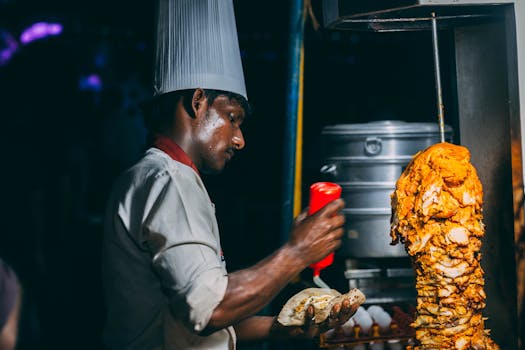
Anecdote 3: The Taco Stand That Elevated Street Food in Mexico City Mexico City is a street food paradise, but even within that, there are levels. My goal was to find a taco stand that transcended the everyday. Following a tip from a local artist I met in Roma Norte, I found myself at a small stand in Narvarte, specializing in tacos al pastor. What made El Trompo Mágico (my name for it) stand out was the sheer dedication to quality. The trompo (vertical spit) was a masterpiece, glistening with perfectly marinated pork. But it was the handmade tortillas, pressed fresh for each order, and the vibrant, complex salsas that truly elevated it. I ordered three tacos al pastor with a splash of pineapple, a dash of their fiery green salsa, and a squeeze of lime. Each taco was a symphony of textures and flavors – savory pork, sweet pineapple, spicy salsa, soft tortilla. At just 20 pesos (about $1.10) per taco, I feasted for under $10. It was an experience that demonstrated a chef's complete mastery of their craft, even in a humble setting. These are the places that often get featured in "best street food" lists and are prime candidates for Michelin's "Plate" recognition, signifying good food.
These aren't just stories; they're blueprints. Each experience shared a common thread: an intense focus on quality, a deep respect for ingredients, and a palpable passion from the people preparing the food. And all of them, without exception, were incredibly affordable.
---
The Unofficial Inspector: What to Look For (Beyond Just the Food)
When you're on the hunt, train your senses to pick up on these subtle cues that signal Michelin-level potential:
- Passion and Dedication: Do the chefs and staff genuinely care about what they're doing? Is there pride in their work, from the way they plate a dish to how they clean their space? You can often feel this energy.
- Freshness and Quality of Ingredients: Even in a simple dish, are the ingredients exceptional? Is the produce vibrant, the meat well-sourced, the seafood sparkling? Michelin inspectors prioritize ingredient quality above all else.
- Consistency: While hard to judge on a single visit, look for signs of a well-oiled machine. Does everything run smoothly? Is the kitchen organized? Consistency is key to Michelin recognition.
- Local Clientele: A restaurant packed with locals, especially older generations, is almost always a good sign. It means the food is authentic, delicious, and offers good value.
- A Unique Point of View: Does the food tell a story? Does it have a distinct identity or a chef's signature touch? It doesn't have to be avant-garde; it could be a perfect rendition of a classic or a clever twist on tradition.
- Cleanliness and Simplicity: The space doesn't need to be opulent, but it should be impeccably clean and well-maintained. Simplicity often allows the food to speak for itself.
- The "Wow" Factor: Does a dish make you pause, close your eyes, and just savor it? Does it surprise you with its depth of flavor or perfect execution? That's the feeling you're chasing.
---
The Responsible Foodie: How to Be a Good Patron (and Share Your Finds)
You've found your hidden gem, feasted like royalty for under $30, and now you want to shout it from the rooftops! Great! But let's do it responsibly.
- Support Local: Your patronage directly impacts these small, often family-run businesses. Spend your money where it counts.
- Be Respectful: These are often humble establishments. Be mindful of local customs, take photos discreetly (ask if unsure), and respect the pace of service.
- Share Thoughtfully: While we want these places to thrive, a sudden, overwhelming influx of tourists can sometimes change the very essence that made them special.
- Instagram & Social Media: Tag the location (if they have one), use relevant hashtags (#hiddenfoodgem #preMichelin #budgetgourmet #localfinds #tripsora). A stunning, drool-worthy photo with a genuine, heartfelt caption is the best way to share.
- Leave a Review: A genuine, positive review on Google Maps, TripAdvisor, or local equivalent platforms can be incredibly helpful for small businesses.
- Tell Friends (Discreetly): Share your finds with fellow food enthusiasts who appreciate the hunt.
- Embrace the Journey: The thrill isn't just in the eating, but in the search. Enjoy the process of exploring, asking questions, and stepping off the beaten path. It's how you truly connect with a destination's culinary soul.
---
The world is brimming with unsung culinary heroes, perfecting their craft in unassuming kitchens and bustling markets. They're not chasing stars, but delivering star-worthy food, day in and day out. By adopting a "Pre-Michelin" mindset, you're not just saving money; you're embarking on a more authentic, more adventurous, and ultimately, more rewarding culinary journey. You're becoming a part of the discovery, a champion of emerging talent, and a true foodie explorer.
So, ditch the reservations, skip the pretentious price tags, and start your hunt. The next Michelin-level meal, waiting to be discovered for under $30, is out there. Are you ready to find it, savor it, and share its story before the rest of the world catches up?
What are your hidden gems? Have you stumbled upon a culinary masterpiece that deserves more recognition? Share your finds and tips in the comments below! Let's build a community of Pre-Michelin explorers!
---
More pictures


Tags
Share this guide
We may earn a commission if you click a link and buy a product or service, at no extra cost to you. How affiliate links work.
Been there?