
A beginner-friendly walkthrough of what airport lounges are, who can enter, how to check your eligibility, and how to make a first visit worthwhile.
If you have never stepped into an airport lounge, it can feel like a slightly mysterious club. Where is the door, who is allowed in, and what do you actually get? The reality is much simpler than the marketing suggests. A lounge is a quieter, more comfortable waiting area with extras, and getting in usually comes down to one of a handful of eligibility rules. This guide is written for someone starting from zero, so it covers what lounges offer, how to find out whether you already qualify, and how to make a first visit feel easy.
One honest note first: there is no magic key that opens every lounge for nothing. Access is always tied to something, whether a ticket, a card, a membership or a one-off fee. The good news is that you may already hold one of those without realising it.
What an airport lounge actually is
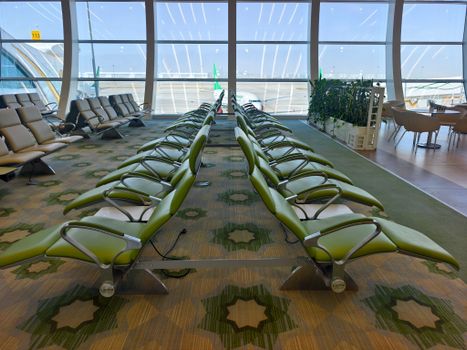
A lounge is a private room inside the airport, usually airside after security, set aside for eligible passengers. Some belong to a single airline, some are run by independent companies, and some are operated by card issuers. Their size and quality range from a modest room with sofas and a coffee machine to large spaces with hot food, showers and workspaces.
Typical features include:
- Comfortable seating, often away from the noise of the gate area.
- Free wi-fi, which is often more reliable than the public network.
- Power sockets and USB ports in useful numbers.
- Complimentary snacks and drinks, from simple packaged items to buffets.
- Newspapers, magazines or quiet zones.
- In some cases, showers, sleeping areas or children's corners.
What you get is not the same everywhere. A regional airport lounge may be basic, while a hub lounge for a major airline may feel closer to a small restaurant. Set expectations by reading the lounge description before you go.
Step one: check whether you already qualify
Before spending anything, look at what you already have. Many people qualify without knowing it.
- Your ticket. If you are flying business or first class, lounge access is often included. Check the booking confirmation or the airline's website for lounge information on your route.
- Your loyalty status. If you belong to an airline loyalty program with a higher tier, or an alliance tier, lounge benefits may apply.
- Your credit cards. Look at the benefits section of any premium or travel-focused card. Some include lounge memberships or a set number of visits.
- Your bank or insurance products. Occasionally these bundle lounge passes.
- Your employer. A corporate travel program may include access for business trips.
Spend ten minutes on this before a trip. It is the cheapest way to find access, because it costs nothing extra.
Step two: find the lounge at your airport
Having access in principle does not mean you can use it at your specific airport. Lounges are location specific, so match your eligibility to the lounges that exist.
- Open the airport's official website and search for a lounges page.
- Check which terminal and which side of security the lounge is on.
- Look at the lounge's opening hours, which may not cover very early or late flights.
- Check whether your airline or flight is allowed, as some lounges serve only certain carriers.
If you are connecting, find out whether the lounge is near your arriving gate or your departing gate. Connections can involve long walks or even a train between terminals in large airports, so work out timing before settling in.
Step three: understand the cost options if you do not qualify
If you cannot find access through anything you already hold, there are paid routes:
- Day passes. Many lounges sell single entry, either online in advance or at the door. Prices vary a lot between airports.
- Memberships. Annual packages from independent lounge networks suit frequent flyers.
- Pay-per-use rooms. Some airports offer rest rooms, showers or sleep pods for an hourly or fixed fee.
For a first visit, a single day pass is a sensible trial. It lets you decide whether lounges are worth it for you before committing to anything bigger. Booking online ahead of time can be cheaper than paying at the door and avoids the risk that the lounge is full.
Step four: plan your timing
Many first-timers arrive at the lounge too late to enjoy it. A good rhythm looks like this:
- Get through check-in and security at a relaxed pace.
- Head to the lounge once you are airside, ideally with a comfortable margin before boarding.
- Set an alarm or check the departure board for your gate, because lounges can be far from where you board.
- Leave the lounge with enough time to walk to the gate without rushing.
Some lounges show flight information on screens, and some make announcements, but do not count on being called. Keep an eye on your own phone for gate changes.
What to bring and how to enter
At the reception desk, you will typically be asked to present:
- Your boarding pass for the day.
- The proof of access, such as a membership card, a booking confirmation, or an airline app showing your status.
- Sometimes your passport, particularly in busy international airports.
Staff will scan or note your details and let you in. If you are unsure whether you qualify, ask politely. Being turned away is usually about eligibility or capacity, not about you, and staff can often suggest an alternative.
Making the most of your first visit
A few simple habits make a lounge visit more valuable:
- Eat sensibly. If the lounge offers hot food, you can skip an airport meal, but do not feel you must eat just because it is free.
- Charge your devices. Put phones, laptops and power banks on charge while you relax.
- Use quiet zones. Many lounges have areas for working or resting. Choose a seat away from the main flow.
- Freshen up. If showers are offered, you may need to ask at reception for a slot, and busy lounges can have a short wait.
- Be considerate. Keep phone calls low, take only what you will use at the buffet, and keep belongings out of walkways.
Lounge etiquette is mostly common courtesy. Staff are friendly, and other guests are usually just trying to rest or work.
Alcohol, food and families
Lounge drinks and food vary by operator and local rules. Some pour complimentary alcohol, while others limit it or charge for premium options. Some have strict age rules about who may enter or consume alcohol. If you travel with children, check whether they are allowed, whether they count against a guest limit, and whether the lounge has family-friendly facilities.
Dietary needs are worth a quick check too. Lounges often label dishes, but options can be limited, and staff can usually tell you what is in the food.
When a lounge is not worth it
Not every trip deserves a lounge. Consider skipping it when:
- Your wait is short and the walk to the lounge would eat most of it.
- The terminal itself is comfortable, quiet and well supplied with food.
- You have to pay a high day-pass fee for a lounge with a modest offer.
- The lounge is crowded and capacity-limited.
A lounge is a tool for comfort, not a goal in itself. Use it when it makes your trip easier and skip it when it does not.
Common beginner mistakes
- Turning up without checking the lounge's terminal and opening hours.
- Assuming a card gives access to every lounge in the airport.
- Forgetting that some lounges only admit passengers within a few hours of their flight.
- Buying an annual membership before testing a single visit.
- Staying so long that boarding becomes a rush.
- Believing offers that promise unrestricted free entry with no condition. Stick to official sources.
Frequently asked questions
Do I need to be a frequent flyer to use a lounge? No. Occasional travellers can use day passes, buy single-visit access, or use a card benefit if they hold one. You do not need a high status tier.
Can I enter a lounge if my flight is delayed? Often yes, if you already have access, though some lounges limit how early you can enter before the scheduled departure. If a long delay happens, ask the desk or the airline about options.
Are lounges safe for leaving luggage? Keep valuables with you. Many lounges have no formal luggage storage, so treat the space as you would any public area and keep your bags in sight.
Is the food enough for a full meal? It depends on the lounge. Some offer substantial hot dishes, while others have only snacks. Check the lounge description before relying on it as dinner.
Summary
An airport lounge is a quieter, better equipped waiting area, and getting in comes down to a short list of options: a premium ticket, airline or alliance status, a card benefit, a membership, or a paid day pass. Start by checking what you already hold, then match it to the lounges at your airport and terminal, confirm opening hours, and plan your timing so you can relax and still make boarding calmly. Try a single visit before committing to anything bigger, and always verify current rules with the airline, card issuer or lounge operator. Used well, a lounge turns waiting time into rest time.
More pictures




Tags
Share this guide
We may earn a commission if you click a link and buy a product or service, at no extra cost to you. How affiliate links work.
Been there?