
Tired of the usual tourist traps? Imagine lacing up your boots and trekking through breathtaking landscapes to discover ancient, vibrant villages untouched by time. We're revealing the trending trails that promise unforgettable cultural immersion and stunning views, leading you to places you never knew existed. ---
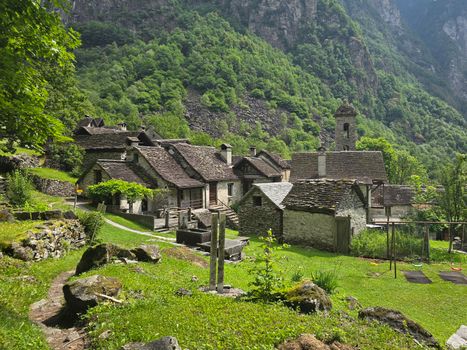
The dust motes danced in the afternoon sun, illuminating the narrow cobblestone alleyway as I rounded a bend. Before me, a cluster of stone houses, draped in bougainvillea, clung precariously to the hillside. The scent of woodsmoke mingled with wild herbs, and the distant sound of a goat bell was the only interruption to the profound silence. No tour buses, no souvenir shops, just a handful of locals going about their day, their faces etched with stories. This wasn't on any 'Top 10 Must-See' list, nor was it easily accessible. I had walked for hours to get here, and with every step, the feeling of discovery deepened. This, my friends, is the magic of the hidden village.
For years, my travel style revolved around ticking off famous landmarks. But a few years ago, after a particularly crowded experience in a well-known European city, I craved something more authentic, more real. That's when I started seeking out trails that promised not just panoramic views, but a journey to places time seemed to have forgotten. And what I found? A vibrant, growing trend of hikers and slow travelers like myself, eager to exchange bustling cityscapes for the tranquility and profound cultural immersion offered by these secluded havens.
These aren't just pretty places; they're living museums, bastions of tradition, and often, the heartbeats of sustainable tourism. From ancient European hamlets nestled in dramatic mountain ranges to remote Asian communities clinging to terraced hillsides, the call of the hidden village is getting louder. And the best part? The journey there is as rewarding as the destination itself.
Why Hidden Villages Are the New Travel Frontier
In an increasingly interconnected and commercialized world, the allure of the "undiscovered" is more potent than ever. Hidden villages offer a stark contrast to mainstream tourism, providing an escape from the crowds and a deeper connection to local life. Here's why they're trending:
- Authenticity Over Artifice: These villages haven't been sanitized for tourists. You'll find genuine local customs, traditional crafts, and food that tastes like it's been cooked with generations of love. My most memorable meals have been in these tiny, family-run tavernas, where the menu is whatever's fresh and the conversation flows freely, even across language barriers.
- A Sense of Discovery: There's an undeniable thrill in knowing you've earned your view. The effort of the hike amplifies the reward of reaching a place few others bother to see. It feels like uncovering a secret, a personal triumph.
- Cultural Preservation & Sustainable Tourism: By visiting these villages respectfully and supporting local businesses (homestays, artisan shops, small restaurants), you're contributing directly to the preservation of their unique heritage and economy. It's a form of travel that gives back.
- Digital Detox & Mindfulness: Away from constant notifications and urban distractions, these trails and villages encourage you to be present. The rhythm of nature and village life forces a slower pace, allowing for true relaxation and reflection. My phone often stays in my bag, only emerging for a crucial photo or map check.
- Instagram-Worthy, Naturally: While it's not the primary goal, the sheer untouched beauty and unique character of these places make for incredible, envy-inducing photos. Imagine ancient stone houses against a backdrop of mist-shrouded peaks, or vibrant textiles drying in the sun. These are the stories you'll want to share.
Ready to trade the well-trodden path for something truly extraordinary? Here are some of the most captivating hiking trails leading to hidden villages that are absolutely trending right now.
Europe's Enchanted Paths: Timeless Treasures
Europe is a tapestry of history, and its mountains and coastlines guard countless ancient secrets. These trails offer a glimpse into a bygone era.
1. Gjirokastër & The Vjosa River Valley, Albania: Land of Stone & Stories
Albania is rapidly emerging as Europe's next adventure hotspot, and for good reason. The Vjosa River, Europe's last wild river, carves a stunning valley through dramatic landscapes, leading to villages steeped in Ottoman history. While Gjirokastër itself is a UNESCO World Heritage site and a town, the journey there, especially from the smaller, more remote villages further up the valley, is the true hidden gem.
- The Trail: Start your adventure in Permet, often called the "city of roses," and explore the trails along the Vjosa River. You can take multi-day hikes through the Kelcyra Gorge, connecting tiny villages like Benje (famous for its thermal baths) and Limar. The final approach to Gjirokastër, often involving a local bus or taxi from a nearby village after a significant hike, offers breathtaking views of the "City of Stone" appearing like a mirage. A specific segment I recommend is hiking from the village of Qeparo on the Albanian Riviera towards the interior, connecting smaller mountain villages like Kudhës, before eventually heading towards the Gjirokastër region. This route offers a blend of coastal and mountain village life.
- What You'll Find: Gjirokastër is a marvel of Ottoman architecture, with its unique stone houses, slate roofs, and the imposing Gjirokastër Castle. But the real magic is in the smaller villages you pass through, where time seems to have stopped. Expect warm hospitality, potent raki (local brandy), and delicious traditional food like qifqi (rice balls) and tave kosi (baked lamb with yogurt). I remember getting delightfully lost on a goat path near Benje and being invited by a shepherd into his humble home for strong coffee and even stronger conversation, despite our language barrier. It was an experience money couldn't buy.
- Practical Tips:
- Best Time: Spring (April-June) and Autumn (September-October) for pleasant hiking weather.
- Gear: Sturdy hiking boots are a must. Trails can be rocky and uneven.
- Accommodation: In Permet and Gjirokastër, you'll find guesthouses and hotels (expect €20-€50/night). In smaller villages, homestays are your best bet (often €10-€20 including meals).
- Getting Around: Local Furgons (minibuses) connect towns, but hiking is key for true discovery. Consider hiring a local guide for multi-day treks for safety and cultural insight (approx. €50-€100/day).
- Don't Miss: The Benje Thermal Baths after a long hike – a natural, restorative soak.
2. Cinque Terre's High Trails, Italy: Beyond the Postcard Perfection
Everyone knows Cinque Terre for its colorful coastal villages. But few venture beyond the crowded main paths to discover the serene, ancient villages nestled high above the sea, amidst terraced vineyards and olive groves. This is where the real Cinque Terre lives.
- The Trail: Instead of the popular Sentiero Azzurro (Blue Path), explore the network of higher trails. My personal favorite is the path connecting Volastra (above Manarola) to Corniglia, or even further up to San Bernardino. You can ascend to Volastra via a steep but rewarding path from Manarola or take a local bus. From Volastra, follow signs for Corniglia, winding through vineyards with breathtaking panoramic views of the entire coastline. These paths are often less maintained but infinitely more rewarding.
- What You'll Find: Volastra is a quiet hamlet with a charming church and a few family-run restaurants. You'll see locals tending their vines, hear the distant clang of church bells, and smell the sea air mixed with grapes. The views are unparalleled, offering a bird's-eye perspective of the iconic villages below, without the selfie-stick frenzy. One evening, after a challenging hike, I stumbled upon a tiny trattoria in Volastra. The owner, a sweet elderly woman, served me the most incredible pesto pasta I’ve ever tasted, made with basil from her own garden. It was simple, authentic, and utterly perfect.
- Practical Tips:
- Best Time: Spring (April-May) and early Autumn (September-October) to avoid summer heat and crowds.
- Gear: Good hiking shoes are essential for the steep, uneven terrain.
- Accommodation: Stay in one of the main Cinque Terre villages and take day trips, or find a quieter guesthouse in Volastra or another high village (expect €70-€150/night).
- Getting Around: The Cinque Terre Card (approx. €18 for a day pass) includes train travel between villages and access to the paid hiking paths. For high trails, local buses from the main villages are useful.
- Don't Miss: A wine tasting at a local vineyard in Volastra – many offer tours and tastings.
Asia's Mystical Treks: Culture & Serenity
Asia offers a kaleidoscope of cultures and landscapes, with hidden villages often serving as gateways to spiritual or natural wonders.
3. Ghandruk, Nepal: Heart of the Annapurna Foothills
Nepal is synonymous with trekking, but beyond Everest Base Camp, there are countless trails leading to vibrant, welcoming communities. Ghandruk, a picturesque Gurung village, is a highlight of the Annapurna region, offering stunning views without the extreme altitude.
- The Trail: Ghandruk is a popular stop on the Annapurna Base Camp (ABC) and Poon Hill treks. For a dedicated hidden village experience, I recommend a 3-4 day loop starting from Nayapul or Landruk, hiking through terraced fields and rhododendron forests. The trail from Landruk to Ghandruk is particularly scenic, offering continuous views of Machhapuchhre (Fishtail Mountain), Annapurna South, and Hiunchuli. The stone-paved paths wind past traditional houses, water mills, and friendly locals.
- What You'll Find: Ghandruk is a large, well-preserved Gurung village known for its traditional slate-roofed houses, an old Gurung museum, and breathtaking panoramic mountain views. You’ll experience authentic village life, enjoy delicious Nepali food (dal bhat is a must!), and witness the warm hospitality of the Gurung people. I vividly remember waking up before dawn in a Ghandruk guesthouse, stepping onto the balcony, and watching the first rays of sun kiss the peak of Machhapuchhre, turning it golden. It was a moment of pure, serene magic.
- Practical Tips:
- Best Time: Autumn (September-November) and Spring (March-May) for clear skies and pleasant temperatures.
- Gear: Good trekking boots, layers of clothing, a good daypack, water purification tablets, and a first-aid kit.
- Permits: You'll need an Annapurna Conservation Area Permit (ACAP) and a TIMS card (Trekker's Information Management System). Obtain these in Pokhara or Kathmandu (approx. $30-40 total).
- Accommodation: Tea houses and guesthouses are plentiful, offering basic but comfortable lodging (approx. $5-10/night for a room, meals extra).
- Guides/Porters: While possible to trek independently, hiring a local guide (approx. $25-30/day) or porter (approx. $20-25/day) supports the local economy and enriches your experience.
4. Hatta, UAE: An Oasis in the Mountains
When you think of the UAE, you probably picture futuristic skyscrapers and vast deserts. But venture inland to Hatta, nestled in the Hajar Mountains, and you'll discover a surprising landscape of wadis (dry riverbeds), natural pools, and a beautifully restored heritage village.
- The Trail: Hatta offers a network of well-marked hiking and mountain biking trails (Wadi Hub). While the Heritage Village itself is accessible by car, the true hidden gem experience comes from hiking or biking through the surrounding wadis and mountains, discovering ancient petroglyphs and date farms, before descending into the village. Try the Black, Green, or Red trails for varying difficulty. The trails around Hatta Dam also offer stunning views.
- What You'll Find: The Hatta Heritage Village is a meticulously reconstructed traditional mountain village, showcasing Emirati life from centuries past. You'll see traditional houses, a watchtower, and a mosque, all built with local materials. Beyond the village, the Hatta region is an outdoor enthusiast's paradise. The dramatic mountain scenery, crystal-clear wadi pools (perfect for a dip after a hike!), and the contrasting lushness of date palm groves are truly unique. I was utterly surprised by the sheer beauty and tranquility of Hatta – a completely different side of the UAE. It felt like stepping into a time capsule hidden amongst the rugged peaks.
- Practical Tips:
- Best Time: October to April, when temperatures are cooler. Avoid summer (May-September) due to extreme heat.
- Gear: Hiking shoes, plenty of water (crucial!), sun protection (hat, sunscreen), and a swimsuit for the wadi pools.
- Accommodation: Hatta offers glamping options, hotels, and guesthouses (expect €70-€200/night). Day trips from Dubai are also popular.
- Getting Around: A car is essential to reach Hatta and navigate the area. The trails are well-signed.
- Don't Miss: Kayaking on Hatta Dam for incredible mountain reflections, and a visit to the Hatta Honey Bee Discovery Centre.
The Americas' Ancient Echoes: Wild & Wonderful
From the Andes to the Rockies, the Americas hold ancient cultures and stunning natural beauty, often best accessed on foot.
5. Choquequirao, Peru: The Other Machu Picchu
While not a 'village' in the traditional sense, Choquequirao is an ancient Inca city, far more extensive than Machu Picchu, and only accessible via a challenging multi-day trek. It's truly a hidden gem, offering an unparalleled sense of discovery.
- The Trail: This is a serious trek, usually 4-5 days round trip from Cachora. The trail descends dramatically into the Apurimac Canyon (one of the deepest in the world), crosses the roaring Apurimac River, and then ascends equally dramatically to Choquequirao. It's physically demanding, with significant elevation changes, but the reward is immense.
- What You'll Find: Choquequirao, meaning "Cradle of Gold," is a vast Inca complex spread across a mountain ridge, often shrouded in cloud forest. With far fewer visitors than Machu Picchu, you might have entire sections of the ruins to yourself. Highlights include the agricultural terraces, ceremonial plazas, and the famous 'Llamas of the Sun' - a series of llama figures meticulously crafted into a steep terrace wall. The feeling of solitude amidst such grandeur is profound. I distinctly remember reaching the main plaza after days of relentless hiking, utterly exhausted but completely awestruck, watching condors circle overhead as the mist swirled around the ancient stones. It was a spiritual experience, a true communion with history and nature.
- Practical Tips:
- Best Time: Dry season (May-October) for clearer trails and views.
- Gear: High-quality hiking boots, trekking poles (essential for ascents/descents), full camping gear (tents, sleeping bags, cooking equipment), water purification, and all necessary food supplies.
- Acclimatization: Spend a few days in Cusco (3,400m / 11,150ft) beforehand to acclimatize to the altitude.
- Guide/Porters: Highly recommended, if not essential. A professional guide ensures safety and provides invaluable insights into Inca history. Porters will carry your gear, making the trek more manageable. Expect to pay around $100-200/day for a guide and $50-70/day for a porter.
- Budget: This is a more expensive trek due to guide/porter costs and gear, but it's worth every penny for the unique experience.
Practical Tips for Your Hidden Village Adventure
Embarking on a hidden village trek requires more than just a sense of adventure. Thoughtful planning ensures a safe, enjoyable, and responsible journey.
- Do Your Homework (Thoroughly!): Research trail conditions, weather patterns, necessary permits, and local customs. "Hidden" often means less infrastructure, so be prepared for limited information.
- Pack Smart & Light:
- Footwear: Invest in quality, broken-in hiking boots with good ankle support.
- Layers: Weather can change rapidly in mountainous regions. Pack moisture-wicking base layers, a fleece, and a waterproof/windproof outer shell.
- Navigation: A physical map and compass are crucial, even if you have GPS on your phone (battery can die!). Download offline maps (e.g., Maps.me, AllTrails).
- Essentials: First-aid kit, headlamp, portable power bank, water filter/purification tablets, sturdy backpack, sun protection (hat, sunscreen, sunglasses).
- Respect Local Culture:
- Dress Modestly: Especially in conservative areas or when visiting religious sites.
- Learn Basic Phrases: Even "hello," "thank you," and "please" in the local language goes a long way.
- Ask Before Photographing: Particularly people. A smile and a gesture often work wonders.
- Support Local: Choose guesthouses, eat at local eateries, and buy crafts directly from artisans. Haggle respectfully if customary.
- Prioritize Safety:
- Inform Someone: Let family or friends know your itinerary and expected return.
- Check Weather: Before and during your hike. Be prepared to turn back if conditions worsen.
- Stay Hydrated: Carry ample water.
- Hire a Local Guide: For challenging or remote treks, a local guide is invaluable for safety, navigation, and cultural insights.
- Leave No Trace: Pack out everything you pack in. Stick to marked trails. Do not disturb wildlife or natural environments. Help preserve these pristine places.
- Budgeting: While often cheaper than mainstream destinations, factor in costs for permits, guides, local transport, and potential small village fees. Expect to carry cash, as ATMs are rare.
Making it Instagram-Worthy & Shareable
The beauty of hidden villages lies in their authenticity, and that's exactly what makes them so shareable.
- Focus on the Human Element: Capture candid shots of locals, their daily routines, and their interactions. These are the stories that resonate.
- Embrace the Golden Hour: Sunrise and sunset cast magical light on landscapes and ancient structures.
- Unique Perspectives: Look for angles that highlight the village's relationship with its natural surroundings – clinging to a cliff, nestled in a valley. A drone (if permitted and used responsibly) can capture breathtaking aerials.
- Food & Craft Photography: Showcase the delicious local cuisine and the intricate details of handcrafted items.
- Tell a Story: Use your captions to share your personal anecdotes, the challenges of the hike, and the profound cultural experiences.
- Use Relevant Hashtags: #HiddenVillageHikes #AuthenticTravel #TrekkingAdventures #OffTheBeatenPath #CulturalImmersion #SlowTravel #SustainableTourism #TravelDeep #Wanderlust #TripsoraAdventures
Your Next Unforgettable Journey Awaits
The world is full of wonders, and sometimes, the most extraordinary ones are those that require a little extra effort to find. Hiking to a hidden village isn't just about reaching a destination; it's about the journey, the challenge, the profound connections you make, and the stories you collect. It's about stepping out of your comfort zone and into a world where time slows down, and authenticity reigns supreme.
So, ditch the crowded tourist traps. Lace up your boots, pack your sense of adventure, and choose a path less traveled. What hidden gem will you uncover next? Share your dreams and past discoveries in the comments below – let's inspire each other to explore deeper!
---
More pictures

Tags
Share this guide
We may earn a commission if you click a link and buy a product or service, at no extra cost to you. How affiliate links work.
Been there?