
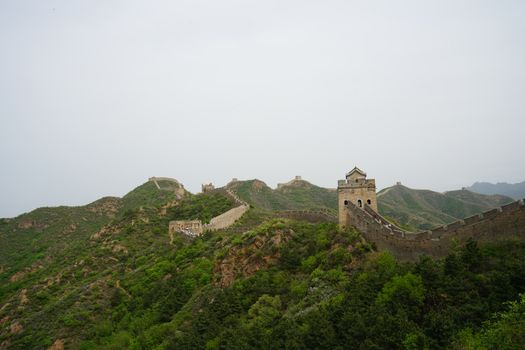
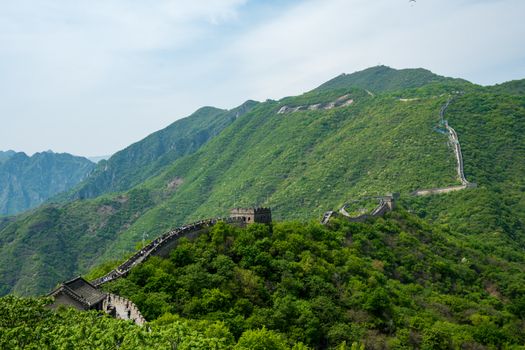
Forget the Disney-fied stone of Badaling. This spring, the "Wild Wall" is calling. We’re diving into the crumbling, blossom-choked ridges of Jiankou, the lakeside ruins of Huanghuacheng, and the design-forward village of Chenjiapu. If you want to hear the wind whistle through 600-year-old watchtowers without a selfie stick in sight, this is your definitive blueprint. ---
The Hook: Where the Wind Meets the Willow
I stepped off the local 916 express bus in Huairou, and the first thing that hit me wasn’t the smog or the city bustle—it was the scent of wild apricot blossoms. It’s a delicate, honey-sweet aroma that only lasts for three weeks in late March and early April. As I looked up, the "Wild Wall" didn't look like the postcards. It wasn't a neat line of gray bricks; it was a jagged, white-knuckle spine of limestone clinging to the peaks, half-smothered by the pink-and-white explosion of spring.
While 30,000 people were currently elbowing each other at Badaling, I was standing in a village where the only sound was a rooster and the distant "clink" of a mason’s hammer. This is the Great Wall that travelers dream of, but rarely find. If you’re ready to trade cable cars for crumbling stairs, here are the sections trending with the "in-the-know" crowd this spring.
---
1. Jiankou: The Photographer’s Vertigo
If the Great Wall had an adrenaline-junkie sibling, it would be Jiankou. This is the most photographed section of the "Wild Wall," yet it remains blissfully empty because, frankly, it’s terrifying.
Built on a ridge of white dolomite, Jiankou is famous for its "Eagle Flies Facing Upward" section—a staircase so steep that even birds supposedly have to fly vertically to clear it. In spring, the contrast between the stark white stone and the soft pink peach blossoms is a visual feast.
- The Vibe: Raw, crumbling, and unapologetically dangerous.
- Pro-Tip: Don't try to hike the "Ox Horn Edge" if you have a fear of heights. Instead, head to the Zhengbeilou tower for the iconic sunset shot. The "hidden entrance" is a small dirt path behind a village house in Xizhazi Village (look for the handwritten cardboard signs).
2. Huanghuacheng: The Lakeside Mirage
Huanghuacheng is the only section of the Wall in Beijing that is partially submerged in water. In the Ming Dynasty, a general was actually executed because the Emperor thought this section was a "waste of money." In reality, the general had built it so well that it survived the flooding of a modern reservoir.
During spring, the yellow wildflowers (for which the section is named) begin to bloom alongside the Haoming Lake. It’s the perfect spot for a "chill" Wall day.
- The Vibe: Serene, aquatic, and surprisingly lush.
- Pro-Tip: Rent a small wooden boat to get right up to the submerged ramparts. There is a "secret" chestnut orchard at the base of the wall with trees over 500 years old—the blossoms smell like heavy musk and are a local delicacy when honeyed.
3. Chenjiapu: The Design Nerd’s Retreat
While Jiankou is for hikers, Chenjiapu is for the "slow travel" movement. This section has become a trending hotspot on Chinese social media (Xiaohongshu) because of the village's transformation into a creative hub.
The Wall here is unrestored but accessible. After a morning trek, you can descend into the village to visit the Great Wall Bookstore, a stunning piece of modern architecture built into an old granary.
- The Vibe: Intellectual, rustic-chic, and quiet.
- Pro-Tip: Stay at one of the boutique homestays like "The Great Wall Box." Ask the owners to show you the "Brick with Characters"—some stones here still bear the stamps of the Ming Dynasty labor gangs who made them.
4. Gubeikou: The Battlefield of History
Gubeikou isn't just a wall; it’s a graveyard of empires. Because it was a strategic pass between China and Mongolia, it has seen more combat than almost any other section. It hasn't been "beautified." You’ll see bullet holes from the 1933 battle against the Japanese and towers that have partially collapsed into piles of ancient rubble.
In spring, the rolling hills around Gubeikou turn a vibrant, neon green. It’s a long, relatively flat hike compared to Jiankou, making it ideal for those who want distance without the vertical scramble.
- The Vibe: Solemn, expansive, and haunting.
- Pro-Tip: Look for the "Spider Tower." It’s an unrestored watchtower where local legends say the spirits of soldiers still linger. It’s also the best spot to see the "Double Wall"—where two different eras of construction run parallel.
5. Lianhuachi (Lotus Pond): The Local Secret
Tucked between Mutianyu and Jiankou, Lianhuachi is often overlooked by everyone except local Beijing hikers. This section features a unique "staircase to heaven" that leads to a high plateau.
The reason it’s trending this spring? The Magnolia trees. While the rest of the wall is covered in peach and apricot blossoms, Lianhuachi has pockets of rare wild magnolias that bloom in late April.
- The Vibe: Low-key, friendly, and authentic.
- Pro-Tip: There is no official ticket gate here. You usually pay a "cleaning fee" of 10-20 RMB to a local villager at the trailhead. Bring cash!
---
Quick Facts & Logistics
| Section | Effort Level | Best For | Est. Cost (Day Trip) | How to Get There | | :--- | :--- | :--- | :--- | :--- | | Jiankou | Extreme | Photography/Hike | $40 - $60 | Private driver from Huairou or Didi. | | Huanghuacheng| Moderate | Picnics/Boating | $30 - $50 | Bus 916 to Huairou, then H21. | | Chenjiapu | Easy | Culture/Design | $70 - $100 | High-speed train to Yanqing + Taxi. | | Gubeikou | Moderate | History/Trekking | $40 - $60 | Tourist bus from Dongzhimen. | | Lianhuachi | Hard | Solitude | $20 - $30 | Didi from Mutianyu area. |
---
Pro-Tips for the Wild Wall Virgin
- The "Didi" Strategy: Don't rely on public buses if you're short on time. Download the DiDi app (the Chinese Uber). It has an English interface. You can book a "Premier" driver for the day for about $100-$120 USD. It sounds like a lot, but for a group of three, it’s the best investment you’ll make.
- Offline Maps are Life: Google Maps is useless here. Download Amap (Gaode) or use Maps.me. The trails on the Wild Wall are often overgrown; having a GPS pin for your "hidden entrance" is vital.
- The "Blue Door" Rule: In many of these villages, the "official" path is blocked or non-existent. Look for blue or red metal doors in the village—these are often the entrances to private orchards that lead to the Wall. A polite "Nihao" and 10 RMB will usually get you through.
- Gear Up: This isn't a stroll. Wear shoes with aggressive tread. The "cat-slide" (loose scree) on the Wild Wall is real and can lead to a nasty tumble.
Final Thoughts
The Great Wall isn't a museum; it’s a living, breathing ruin. This spring, don't be just another tourist in a neon vest following a flag. Be the traveler who sits on a 600-year-old battlement, eats a jianbing (savory crepe) bought from a village grandmother, and watches the sun dip below a horizon of pink blossoms and crumbling stone. That is the Great Wall you’ll remember forever.
---
More pictures


Tags
Share this guide
We may earn a commission if you click a link and buy a product or service, at no extra cost to you. How affiliate links work.
Been there?