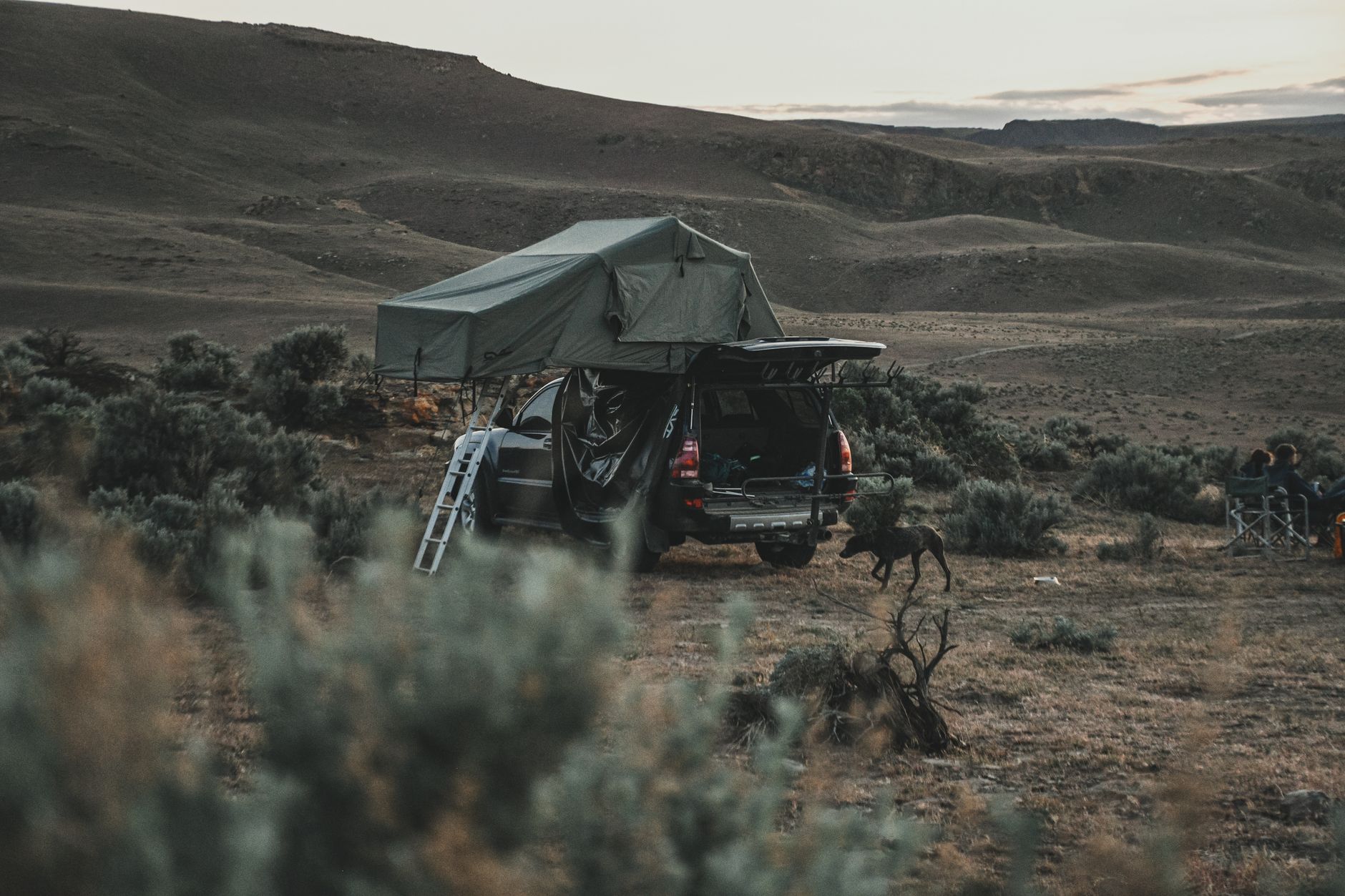
Imagine waking up to a panoramic view you didn't pay a dime for, with only the sounds of nature as your alarm. This isn't a dream – it's the magic of free camping, and I'm about to reveal how you can find these incredible, unspoiled havens before they hit the mainstream. Get ready to ditch the campgrounds and embrace true wilderness freedom! ---
Unearth Hidden Gems: Free Camping in Incredible Locations Before They Go Viral!
There’s a moment I often replay in my mind: the sun, a fiery orb, just cresting over the rugged peaks of the Eastern Sierra. The air was crisp, carrying the faint scent of pine and damp earth. My tent, pitched on a perfectly flat, secluded spot, offered an unobstructed, million-dollar view of the valley below, dotted with shimmering aspen groves. The best part? It cost me absolutely nothing. Zero dollars. Just the effort of finding it.
That morning, sipping lukewarm coffee as the world woke up around me, I felt a profound sense of peace and accomplishment. This wasn't a crowded campground with noisy neighbors and strict rules; this was my slice of wilderness, discovered through a bit of research, a dash of adventurous spirit, and a whole lot of trust in the unknown. This, my friends, is the unparalleled magic of free camping – or as seasoned adventurers call it, boondocking or dispersed camping.
In a world where everything seems to have a price tag, the idea of truly free, breathtaking camping spots often feels too good to be true. But I promise you, these havens exist, scattered across vast public lands, waiting for those willing to seek them out. And the best time to discover them? Right now, before the secret gets out and these pristine locations become mainstream.
Join me as I pull back the curtain on finding these incredible, unspoiled sanctuaries, sharing my own experiences, practical tips, and a few specific (but still slightly secret!) spots that will ignite your wanderlust and redefine your idea of a perfect outdoor escape.
---
The Allure of "Free": Why Boondocking is Your Next Obsession
Why forgo the amenities of a developed campground for a patch of dirt in the middle of nowhere? The reasons are as vast and varied as the landscapes themselves, but for me, it boils down to three core elements:
- Unbeatable Solitude & Connection: Forget the RV park hum or the distant chatter from the next campsite. Free camping often means pure silence, broken only by the whisper of the wind, the rustle of leaves, or the hoot of an owl. It’s an immersion in nature that resets your soul and reminds you of your place in the grand scheme of things. I remember one night, camped deep in a desert canyon, the silence was so profound I could almost hear the stars twinkling. It was a humbling, unforgettable experience.
- Budget-Friendly Adventure: Let’s be real – travel costs can add up quickly. Eliminating nightly accommodation fees frees up your budget for other adventures, better gear, or simply extending your trip. It’s the ultimate hack for long-term travelers, van lifers, and anyone who loves the outdoors without breaking the bank.
- The Thrill of Discovery: Finding that perfect, secluded spot feels like unearthing a hidden treasure. It’s a rewarding challenge that ignites your inner explorer and grants you access to views and experiences most tourists never even dream of. There’s a certain pride in knowing you’ve earned that sunrise view over a pristine lake, far from any paved road.
Boondocking isn’t just about saving money; it’s about embracing a philosophy of self-reliance, respect for nature, and a deeper, more authentic travel experience.
---
Decoding the "How": Your GPS to Untamed Wilderness
So, how do you find these elusive free campsites? It’s not as simple as pulling off the highway, but it’s far from impossible. With a few key resources and a dose of intrepid spirit, you’ll be a pro in no time.
1. Public Lands are Your Best Friend: The vast majority of free camping in the United States occurs on public lands managed by federal agencies. Your primary targets are:
- Bureau of Land Management (BLM) Land: Covering millions of acres, primarily in the western US, BLM land is a boondocker's paradise. Much of it is open for dispersed camping for up to 14 days in a 28-day period. Look for signs indicating "Public Land" or "BLM."
- National Forests: Similar to BLM land, National Forests offer extensive opportunities for dispersed camping, usually free of charge. Regulations can vary by forest and even by district, so always check.
- National Grasslands: Often managed by the Forest Service, these areas also offer dispersed camping.
2. Your Digital Toolkit: Essential Apps & Websites: These are the game-changers for any free camper. I wouldn’t leave home without them:
- iOverlander: This app is the holy grail. A crowd-sourced database, it lists everything from free campsites to water fill-ups, dump stations, and propane. Each entry includes detailed reviews, photos, and crucial information like road conditions and cell service. I've found some of my most cherished spots thanks to iOverlander, often cross-referencing reviews for the best intel.
- FreeCampsites.net: Another fantastic resource, this website (and its accompanying app) is dedicated specifically to free and cheap camping spots. It's user-friendly and great for broad searches.
- The Dyrt (Free Version): While the Pro version offers offline maps, the free version is still excellent for discovering user-submitted campgrounds, including many free options. Filters help you narrow down your search.
- Google Maps (Satellite View): Once you have a general area, switch to satellite view. Look for pull-offs, established fire rings (a sign others have camped there responsibly), and clearings that indicate a potential spot. This visual scouting is invaluable for assessing road conditions and suitability.
3. Old-School Wisdom: Ranger Stations & Visitor Centers: Don't underestimate the power of local knowledge! Before heading into a new area, stop at the nearest National Forest Ranger Station or BLM Field Office. The rangers are a wealth of information about current conditions, fire restrictions, road closures, and often, specific recommendations for dispersed camping areas. They can also provide detailed paper maps, which are essential when cell service inevitably disappears.
4. The Golden Rule: Know the Regulations! Always, always check local regulations. Dispersed camping typically has a 14-day stay limit (sometimes shorter), and specific areas may have restrictions on campfires, vehicle access, or even where you can park. A quick search for "[National Forest Name] dispersed camping" will usually yield the official guidelines. Ignorance is not an excuse for breaking rules, and it can jeopardize these privileges for everyone.
---
Unearthing Gems: My Top "Pre-Mainstream" Free Camping Spots (and How to Find Your Own!)
Now for the exciting part! While I can't give away the exact GPS coordinates of my most secret spots (a blogger has to keep some secrets, right?), I can describe types of locations and give you enough detail to start your own hunt. These are the kinds of places that make you feel like you've stepped into a postcard, untouched by the masses.
1. The Whispering Pines Overlook (e.g., Eastern Sierra Foothills, CA or remote Idaho National Forests)
Imagine a high-altitude haven, tucked away on a gravel forest service road, just outside the boundary of a popular national park, yet feeling a million miles away. This type of spot is characterized by dense Ponderosa pine forests, giving way to an expansive vista of distant snow-capped peaks or a sprawling valley.
- Why it's special: The solitude is profound. You'll wake to golden hour light bathing the mountains, the only sounds being the wind whispering through the pines and perhaps the distant call of a hawk. Star gazing here is unparalleled, with zero light pollution. It's the kind of place where you feel like you're floating above the world.
- How to find it: Look for National Forest land bordering popular national parks (but not inside the park, which usually prohibits dispersed camping). Use Google Maps satellite view to scout for well-worn pull-offs along less-traveled forest service roads. A 4x4 isn't always essential, but good ground clearance is often a plus. Check iOverlander for "dispersed camping" points in the general vicinity.
- My Anecdote: I once spent a week at a spot like this, and every morning, a small herd of deer would graze peacefully just meters from my tent. It felt like living inside a nature documentary. The sunsets painted the sky in fiery hues that changed every night, a private show just for me.
- Instagram-worthy elements: Panoramic mountain views, dramatic sunsets/sunrises over the treeline, starry night sky timelapses, misty morning forest scenes.
2. Crimson Canyon Oasis (e.g., Remote BLM Land, Southern Utah or Arizona)
Picture an otherworldly landscape of vibrant red rock, sculpted by wind and water, where unique geological formations rise dramatically from the desert floor. These spots are often found deep within BLM land, accessible via washboard dirt roads that deter the casual traveler.
- Why it's special: The colors are surreal – fiery reds, deep oranges, and surprising patches of green where a hidden spring or seasonal wash provides life. You might find ancient petroglyphs, natural arches, or slot canyons to explore. The sense of ancient history and raw wilderness is palpable.
- How to find it: Focus on BLM land in areas known for red rock formations, but specifically seek out spots away from the main tourist routes. Look for "primitive camping" or "dispersed camping" on BLM maps. Road conditions can be challenging; high clearance and capable tires are often necessary. Always check weather forecasts for flash flood warnings if camping near washes.
- My Anecdote: After navigating a particularly bumpy dirt road, I once found a spot overlooking a vast, uninhabited canyon. In the distance, a lone coyote howled at dusk. The next morning, I hiked a short distance to discover a small, unexpected pool of water, a true oasis in the desert, teeming with tiny life. It felt like I was the first person to ever lay eyes on it.
- Instagram-worthy elements: Dramatic red rock formations, contrasting desert flora, golden hour light playing on canyon walls, unique geological textures, wide-angle shots of vast, empty landscapes.
3. Emerald Coast Hideaway (e.g., Olympic National Forest, WA or Oregon Coast Range)
Imagine the rugged beauty of a temperate rainforest meeting the wild, untamed Pacific Ocean. These free spots are often found on forest service roads winding through dense, moss-draped forests, just a short walk or drive from a dramatic, driftwood-strewn beach.
- Why it's special: The symphony of ocean waves crashing and forest sounds creates a unique, calming atmosphere. You'll experience misty mornings, towering old-growth trees, and the invigorating scent of salt and damp earth. It’s perfect for storm watching, beachcombing, and exploring tide pools.
- How to find it: Search for National Forest or State Forest lands adjacent to the coastline in the Pacific Northwest. Use iOverlander and local ranger station advice to find forest service roads that lead toward the ocean. Be prepared for potentially muddy, unpaved roads and limited cell service.
- My Anecdote: One stormy evening, I camped in a dense grove of Douglas firs, the rain drumming rhythmically on my tent. The next morning, the sun broke through, revealing a path to a secluded beach littered with massive pieces of driftwood. I spent hours collecting unique stones and watching eagles soar overhead, feeling completely disconnected from the world.
- Instagram-worthy elements: Misty forest scenes, dramatic rugged coastline, driftwood art, moody Pacific Northwest vibes, lush green canopy shots.
4. The High Desert Mesa (e.g., Remote Nevada or New Mexico BLM Land)
Picture an elevated plateau in the heart of the high desert, offering 360-degree views of vast, empty landscapes stretching to distant mountain ranges. These spots are all about the immense sense of scale and the unparalleled clarity of the desert sky.
- Why it's special: The sheer vastness is breathtaking. Sunrises and sunsets paint the entire sky in unbelievable colors, and the night sky is an astronomer's dream, completely devoid of light pollution. It's a place where you truly feel tiny and insignificant in the best possible way.
- How to find it: Look for large tracts of BLM land in Nevada, New Mexico, or even parts of Wyoming. Seek out mesas or elevated areas that offer unobstructed views. Many of these spots are accessible via relatively well-maintained dirt roads, making them easier to reach for a wider range of vehicles.
- My Anecdote: I once spent a night on a mesa overlooking what felt like half of Nevada. The silence was absolute, save for the distant cry of a hawk. As darkness fell, the stars emerged in such a brilliant, dense tapestry that I felt I could reach out and touch them. It was a profound reminder of the universe's grandeur.
- Instagram-worthy elements: Expansive panoramic views, dramatic big-sky sunsets/sunrises, incredible Milky Way photography, silhouette shots against a vast horizon.
---
Gear Up for Freedom: Your Essential Boondocking Kit
To truly enjoy these off-grid experiences, you need to be prepared. Here’s a checklist of essentials:
- Shelter: A reliable tent, a comfortable RV, or a well-equipped camper van. Ensure it's suitable for the weather conditions of your chosen location.
- Water, Water, Water: This is non-negotiable. Carry more water than you think you’ll need for drinking, cooking, and basic hygiene. A good water filter/purifier is also wise, though don't rely on finding natural sources.
- Power Solutions: Solar panels (portable or roof-mounted), a robust power station (e.g., Jackery, Goal Zero), and plenty of charged power banks for phones and cameras.
- Waste Management: This is crucial for LNT. Pack out everything you pack in. For human waste, a portable toilet (wag bags are excellent for solid waste), a trowel for catholes (at least 6-8 inches deep and 200 feet from water sources, trails, and camp), and toilet paper.
- Safety & Navigation: A comprehensive first-aid kit, a reliable map (paper and offline digital maps like Gaia GPS), a compass, a headlamp, and a satellite messenger (like a Garmin inReach) for emergencies when out of cell service.
- Cooking & Food: A portable stove, fuel, cooking utensils, and non-perishable food.
- Comfort Items: Camp chairs, a table, and plenty of layers of clothing for fluctuating temperatures.
---
The "Leave No Trace" Ethos: Preserving Our Wild Sanctuaries
The privilege of free camping on public lands comes with a profound responsibility: to leave these places better than you found them. The "Leave No Trace" (LNT) principles are your guiding light. Adhere to them strictly, and these incredible spots can remain pristine for generations to come.
- Plan Ahead and Prepare: Know the area, weather, and regulations. Pack appropriate gear.
- Travel and Camp on Durable Surfaces: Stick to existing roads and campsites. Avoid sensitive vegetation.
- Dispose of Waste Properly: Pack it in, pack it out. This includes all trash, food scraps, and human/pet waste.
- Leave What You Find: Don't collect souvenirs, alter sites, or disturb natural features.
- Minimize Campfire Impacts: Use established fire rings. Keep fires small. Drown fires completely. Better yet, use a stove for cooking and enjoy the stars without a fire if conditions are dry. Always check for fire bans!
- Respect Wildlife: Observe from a distance. Never feed animals. Store food securely.
- Be Considerate of Other Visitors: Camp away from others. Keep noise levels down.
My commitment to LNT is unwavering because I’ve seen what happens when people don't respect these principles. A single careless camper can lead to trash-strewn sites, damaged ecosystems, and ultimately, restrictions or closures that ruin these opportunities for everyone. Let’s be the custodians of these wild places, ensuring their beauty endures.
---
Your Next Adventure Awaits
The world of free camping is vast, exhilarating, and incredibly rewarding. It's a chance to disconnect from the noise, reconnect with nature, and experience true freedom on the open road. These hidden gems are out there, waiting for you to discover them – not on a crowded Instagram feed, but through your own exploration and respect for the wild.
So, what are you waiting for? Grab your gear, consult your maps, and set out to find your own slice of paradise before everyone else does. Remember to tread lightly, leave no trace, and share your stories (but maybe not the exact coordinates!). The greatest adventures are often found off the beaten path, and the best views are always free.
What's your favorite tip for finding amazing free camping spots? Share your LNT wisdom in the comments below!
---
More pictures


Tags
Share this guide
We may earn a commission if you click a link and buy a product or service, at no extra cost to you. How affiliate links work.
Been there?