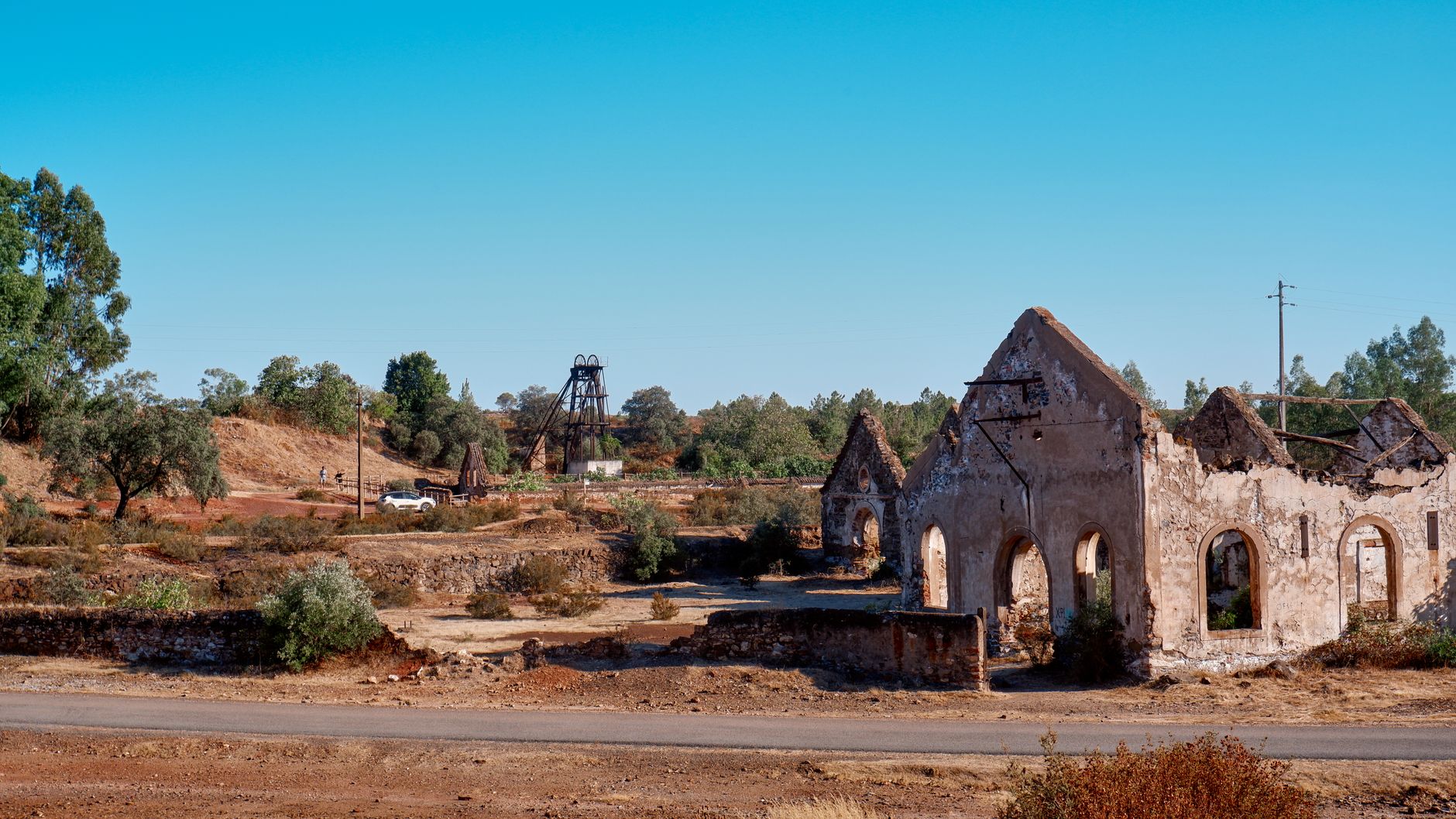
Ever felt the pull of a place where time stands still, where whispers of lives long past echo in the wind? Join me on an unforgettable journey to six of the world's most captivating forgotten ghost towns, places so rich in history and atmosphere they'll genuinely blow your mind and ignite your wanderlust for the extraordinary. ---
The dust motes danced in the slivers of light piercing the broken windowpane, illuminating an overturned chair and a child's forgotten toy. The air was thick with the scent of aged wood and forgotten dreams, a silence so profound it hummed. Standing there, in the heart of what was once a bustling saloon in a forgotten Californian mining town, I felt an almost electric connection to the past. It was then, years ago, that my fascination with ghost towns truly took hold.
We’ve all seen the glossy travel brochures – pristine beaches, majestic mountains, vibrant cities. But what about the places that time forgot? The towns abandoned to the elements, swallowed by sand, or frozen in a moment of catastrophic history? These aren't just ruins; they are open-air museums, poignant monuments to human endeavor, resilience, and sometimes, tragedy. They offer a unique, often eerie, window into worlds that once thrived, now waiting for curious souls like us to unearth their stories.
If you're tired of the same old tourist traps and crave an adventure that will genuinely stir your soul and challenge your perceptions, then buckle up. I’ve scoured the globe, braved the elements, and navigated forgotten paths to bring you a curated list of six forgotten ghost towns that don't just deserve a visit – they demand it. Each one promises an experience so profound, so visually stunning, and so historically rich, it will absolutely blow your mind.
---
1. Bodie, California, USA: A Wild West Relic Frozen in Time
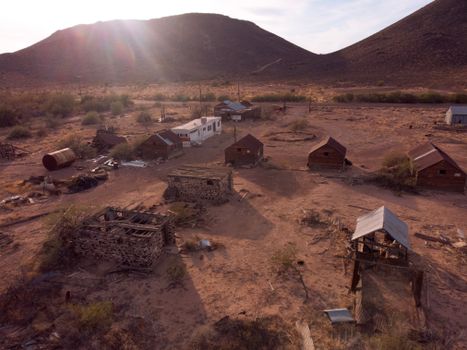
Imagine stepping onto a dusty main street, past saloons, general stores, and homes, all preserved exactly as they were when their inhabitants abruptly left over a century ago. That’s Bodie for you – a bona fide ghost town nestled in the Sierra Nevada mountains of California, a testament to the wild, untamed spirit of the American Gold Rush.
My first visit to Bodie was on a crisp autumn morning. The air was thin, carrying the scent of sagebrush and history. As I walked past the crumbling wooden buildings, their paint peeled by decades of sun and snow, I could almost hear the clinking of glasses, the shouts of prospectors, and the distant clang of a blacksmith's hammer. The California State Parks system maintains Bodie in a state of "arrested decay," meaning they prevent further deterioration but don't restore it. This commitment to authenticity makes it incredibly powerful. I peered through the windows of the schoolhouse, seeing textbooks still on desks, and into the general store, where shelves remained stocked with dusty goods. It felt less like a museum and more like a moment frozen in amber. The old church, with its solitary steeple, stood as a silent sentinel over the graves in the windswept cemetery, each headstone a story untold.
Why it will blow your mind: Bodie offers an unparalleled glimpse into 19th-century frontier life. Its sheer preservation is astonishing, making you feel like you've truly time-traveled. The raw, desolate beauty of its surroundings only adds to the dramatic atmosphere. It's a photographer's dream, especially at sunrise or sunset when the long shadows play tricks on your eyes.
Practical Tips:
- Getting there: Located east of the Sierra Nevada, accessible via CA-270, a partially unpaved road. Check road conditions, especially in winter.
- Entry Fee: Around $8-$10 per person, cash usually preferred.
- Best Time to Visit: Spring and fall offer pleasant weather and fewer crowds. Winters can be harsh, with roads potentially closed.
- What to Bring: Water, snacks (no services inside), sturdy shoes, and a good camera. There's no electricity or running water in the park.
- Instagram-Worthy Shot: The main street lined with abandoned buildings, or the interior of the church with its peeling paint and ghostly light. #BodieGhostTown #WildWestHistory
---
2. Kolmanskop, Namibia: A Diamond City Swallowed by Sand
Deep in the Namib Desert, a surreal spectacle awaits: Kolmanskop, a former diamond mining town slowly being reclaimed by the shifting sands. This German colonial settlement boomed in the early 20th century, boasting a hospital, ballroom, power station, and even the first X-ray station in the Southern Hemisphere. But when diamond prices plummeted and richer deposits were found elsewhere, Kolmanskop was abandoned in the 1950s, leaving its elegant European-style houses to the mercy of the desert.
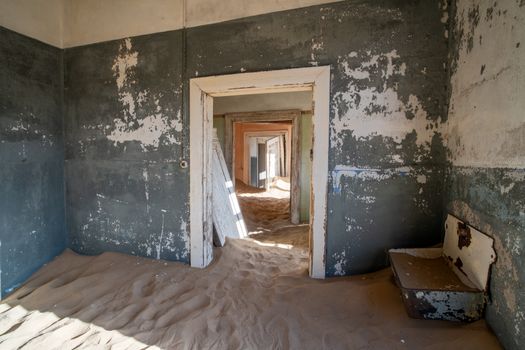
Stepping into Kolmanskop felt like entering a dreamscape. Sand dunes flowed through doorways, cascaded down staircases, and piled up against walls, creating bizarre, beautiful sculptures within the rooms. I remember walking into what was once a grand ballroom, now a vast expanse of rippled sand, with a single window framing the endless desert outside. The silence here was different from Bodie's – it was a deep, ancient silence, punctuated only by the whisper of the wind carrying more sand into the forgotten homes. It’s an incredibly humbling experience to witness nature's slow but inevitable triumph over human ambition. The vibrant colours of the peeling paint against the golden sand and the stark blue sky create an unforgettable visual palette.
Why it will blow your mind: The sheer visual impact of sand-filled houses is unlike anything you've ever seen. It’s a powerful reminder of nature's relentless power and the ephemeral nature of human prosperity. The photographic opportunities are endless and truly unique.
Practical Tips:
- Getting there: Located a few kilometers inland from Lüderitz. You need a permit to enter Diamond Area No. 1, which can be purchased at the gate.
- Entry Fee: Approximately N$300 (around $20 USD) for a guided tour, which is mandatory for entry.
- Best Time to Visit: Early morning is best for photography, avoiding the midday heat and harsh sun.
- What to Bring: Sunscreen, hat, water, comfortable shoes (sand gets everywhere!), and a wide-angle lens for those epic interior shots.
- Instagram-Worthy Shot: A sand-filled room with light streaming through a window, or the exterior of a house half-buried in a dune. #Kolmanskop #DesertGhosts #NamibiaTravel
---
3. Craco, Basilicata, Italy: A Medieval Hamlet on the Brink
Perched precariously on a jagged hilltop in the Basilicata region of Southern Italy, Craco looks like something out of a medieval fantasy. Its origins date back to the 8th century, and it once flourished as a monastic center, university town, and agricultural hub. But a series of devastating landslides, exacerbated by poor infrastructure and seismic activity, forced its inhabitants to abandon their ancient homes between 1963 and 1974.
My journey to Craco was a winding drive through sun-drenched Italian countryside, with the ghost town appearing suddenly, dramatically silhouetted against the sky. The first time I saw it, an involuntary gasp escaped my lips. It’s breathtakingly beautiful and heartbreakingly fragile. Walking through its narrow, cobbled streets, now often shored up with scaffolding, I felt the weight of centuries. The stone houses, some still partially furnished, clung to the cliff face as if in defiance of gravity. I imagined the lives lived here – the laughter, the struggles, the simple routines – all abruptly halted. The panoramic views from the town’s highest points, overlooking the badlands (calanchi) of the surrounding valleys, are absolutely spectacular and deeply melancholic. You can almost feel the earth shifting beneath your feet.
Why it will blow your mind: Craco combines stunning medieval architecture with a dramatic natural setting and a poignant story of forced abandonment. It’s an incredibly atmospheric place that feels deeply rooted in history and nature's power. It’s also surprisingly cinematic, having been a backdrop for films like "The Passion of the Christ."
Practical Tips:
- Getting there: Best accessed by car. It’s a remote location, so plan your route carefully.
- Entry Fee: Guided tours are mandatory for safety due to the unstable ground, costing approximately €15-€20. You cannot enter unaccompanied.
- Best Time to Visit: Spring or early autumn for pleasant weather and fewer tourists.
- What to Bring: Sturdy walking shoes, water, and a camera for the incredible vistas.
- Instagram-Worthy Shot: The entire town perched on the hilltop from a distance, or a close-up of a crumbling stone archway with the dramatic landscape in the background. #Craco #ItalianGhostTown #MedievalItaly
---
4. Pripyat, Ukraine: The Eerie Silence of a Nuclear Catastrophe
Pripyat isn't just a ghost town; it's a chilling monument to human error and the devastating power of the atom. Once a vibrant, modern Soviet city built for the workers of the Chernobyl Nuclear Power Plant, it was evacuated in just a few hours following the catastrophic accident in April 1986. Today, it remains frozen in time, a haunting echo of Soviet life.
Visiting Pripyat, within the Chernobyl Exclusion Zone, is not just a trip; it's a pilgrimage. The experience is profoundly moving and deeply unsettling. As I walked through the deserted apartment blocks, the overgrown amusement park (with its iconic Ferris wheel forever stalled), and the empty schoolrooms littered with gas masks, an oppressive silence hung in the air. The most striking thing was the way nature has begun to reclaim the city – trees growing through buildings, vines scaling walls, turning a once-bustling urban landscape into a verdant, yet poisoned, wilderness. My guide pointed out subtle details, like a faded propaganda poster or a child’s forgotten doll, each a punch to the gut. The radiation levels are monitored, and tours are strictly regulated, making it a surprisingly safe, albeit somber, experience. This is not a place for thrill-seekers; it's a place for reflection.
Why it will blow your mind: Pripyat offers a unique, visceral encounter with a modern catastrophe. It’s a powerful, sobering reminder of the consequences of human actions and the resilience of nature. The visual contrast between urban decay and rampant natural growth is incredibly striking and deeply symbolic.
Practical Tips:
- Getting there: Only accessible via organized tours from Kyiv. Book with a reputable, licensed operator well in advance.
- Entry Fee: Tours vary widely depending on duration (1-day to multi-day) and group size, typically ranging from $100-$500 USD.
- Best Time to Visit: Spring or autumn for milder weather and fewer leaves on the trees, which makes viewing the buildings easier.
- What to Bring: Long sleeves and pants (for radiation protection), sturdy closed-toe shoes, passport, snacks, water, and a respectful attitude. Follow your guide's instructions precisely.
- Instagram-Worthy Shot: The iconic Ferris wheel, the swimming pool, or the main square, all framed by overgrown trees. #Chernobyl #Pripyat #DarkTourism #NuclearHistory
---
5. Hashima Island (Gunkanjima), Japan: The Battleship Island
Rising dramatically from the East China Sea off the coast of Nagasaki, Hashima Island, better known as Gunkanjima (Battleship Island due to its silhouette), is an incredible feat of engineering and a stark example of industrial ambition. From 1887 to 1974, this tiny island was a bustling coal mining facility, home to over 5,000 residents, making it one of the most densely populated places on Earth. It boasted schools, hospitals, temples, and even a cinema, all contained within its concrete walls.
My boat journey to Gunkanjima was choppy, but the sight of the island emerging from the mist was unforgettable. It looked exactly like a derelict battleship, a concrete leviathan slowly succumbing to the waves. Once ashore (access is limited to a small, safe viewing platform), the sheer scale of the abandoned concrete complexes is overwhelming. Buildings lean precariously, staircases lead to nowhere, and the salty wind whistles through broken windows. It's a powerful visual representation of a bygone industrial era, a place where thousands toiled beneath the sea to fuel Japan’s modernization. The history is complex, marked by both incredible innovation and the dark shadow of forced labor during WWII. Standing there, feeling the wind and hearing the waves crash against the sea walls, I couldn’t help but marvel at the human ingenuity that built such a place, and the relentless power of nature that slowly dismantles it.
Why it will blow your mind: Gunkanjima's unique architecture, its incredible history as a symbol of Japan's industrial revolution, and its dramatic isolation in the open sea make it a truly unforgettable sight. It's a UNESCO World Heritage site and has inspired numerous films and video games.
Practical Tips:
- Getting there: Accessible only via authorized boat tours from Nagasaki. Book well in advance, as tours can be cancelled due to rough seas.
- Entry Fee: Boat tours typically cost ¥4000-¥5000 (around $30-$40 USD).
- Best Time to Visit: Any time of year, but check weather forecasts as tours are weather-dependent.
- What to Bring: Layers (it can be windy), seasickness medication if needed, and a good zoom lens for photos from the viewing platform.
- Instagram-Worthy Shot: The iconic "battleship" silhouette from the boat, or the crumbling concrete buildings from the viewing platform. #Gunkanjima #HashimaIsland #IndustrialHistory #JapanTravel
---
6. Kayaköy, Turkey: The Ghost Village of Love and Loss
Hidden in a tranquil valley just a short drive from the bustling resorts of Fethiye, Kayaköy offers a different kind of ghost town experience – one steeped in cultural history and profound human stories. Once a thriving Greek village known as Levissi, it was abruptly abandoned in 1923 during the population exchange between Greece and Turkey following the Greco-Turkish War. Its Christian inhabitants were forced to leave for Greece, and the Muslim Turks who were meant to resettle there found the stone houses unsuitable or simply never came, leaving the village to decay.
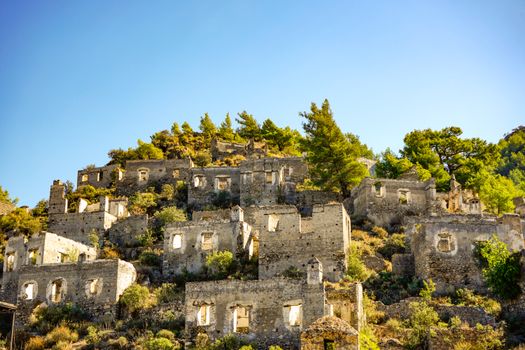
My visit to Kayaköy was on a surprisingly quiet afternoon. The sun cast long shadows over the hundreds of roofless stone houses, their empty window frames staring out like vacant eyes. Unlike the dramatic, sudden abandonment of other ghost towns, Kayaköy’s story is one of forced exodus, a poignant reminder of geopolitical shifts and the human cost of conflict. Walking up the hill, past the two beautifully preserved churches (one still partially active), I felt a deep sense of melancholy. The silence here wasn't eerie; it was sorrowful, a quiet testament to a vanished community. I imagined the families who once lived here, the children who played in these now-overgrown lanes, and the traditions that simply ceased to be. The view from the top of the village, overlooking the valley and the Mediterranean in the distance, is breathtaking and adds to the reflective atmosphere.
Why it will blow your mind: Kayaköy’s story is a powerful lesson in history, cultural identity, and the tragic consequences of political decisions. It’s a beautiful, yet deeply sad, place that encourages introspection and empathy, offering a unique perspective on abandoned places.
Practical Tips:
- Getting there: Easily accessible by local dolmuş (minibus) from Fethiye, or by taxi/rental car.
- Entry Fee: There's a small fee (around ₺10-₺20) to enter the main archaeological site.
- Best Time to Visit: Spring or autumn for comfortable hiking weather. Summer can be very hot.
- What to Bring: Comfortable walking shoes (the paths are uneven), water, and a respectful demeanor.
- Instagram-Worthy Shot: The panoramic view of hundreds of roofless houses stretching across the hillside, or the interior of one of the beautiful churches. #Kayakoy #GhostVillage #TurkishHistory #CulturalHeritage
---
General Tips for Your Ghost Town Adventure
Venturing into these forgotten realms is an incredible experience, but it requires careful planning and a responsible attitude. Here's some actionable advice to make your trip safe, respectful, and unforgettable:
- Do Your Research: Each ghost town has its own unique rules, dangers, and historical context. Understand accessibility, permit requirements, and safety guidelines before you go. Some are protected parks, others are dangerous ruins.
- Safety First: Many abandoned structures are unstable. Never climb on walls, enter unsafe buildings (unless with an authorized guide), or stray from marked paths. Watch out for uneven ground, sharp objects, and wildlife.
- Respect the Past: These aren't playgrounds; they are historical sites and often memorials. Do not take souvenirs, disturb artifacts, or leave any trash behind. Leave only footprints, take only photos (and memories!).
- Dress Appropriately: Sturdy, closed-toe shoes are essential. Long pants and sleeves can protect against scrapes, insects, and sun exposure. Layers are always a good idea.
- Pack Essentials: Always carry plenty of water, snacks, sunscreen, a hat, and a first-aid kit. Depending on the location, a flashlight, map, and fully charged phone are crucial.
- Photography Ethics: Capture the beauty and history, but be mindful. Avoid overly dramatic or disrespectful poses. Focus on telling the story of the place. Drone photography is often restricted or requires special permits.
- Go with a Guide (When Necessary): For places like Pripyat or Kolmanskop, a knowledgeable guide is not just recommended but mandatory. They ensure your safety, provide invaluable historical context, and navigate complex regulations.
- Be Prepared for the Elements: Ghost towns are often exposed. Be ready for extreme heat, cold, wind, or rain.
---
The Echoes of Time Await You
Visiting a forgotten ghost town is more than just a trip; it's an immersive journey into the heart of history, a poignant encounter with the past that shapes our present. It’s a chance to step away from the noise of modern life and listen to the silent stories etched into decaying walls and windswept landscapes. Each of these six destinations offers a truly mind-blowing experience, challenging your perceptions and leaving an indelible mark on your soul.
So, are you ready to trade the beaten path for the forgotten trail? To discover the beauty in decay, the stories in silence, and the profound lessons held within abandoned places? The world is full of these incredible, overlooked treasures. Start planning your adventure today, and prepare to have your mind blown.
Which forgotten ghost town will you explore first? Share your thoughts and dream destinations in the comments below!
---
More pictures
Tags
Share this guide
We may earn a commission if you click a link and buy a product or service, at no extra cost to you. How affiliate links work.
Been there?