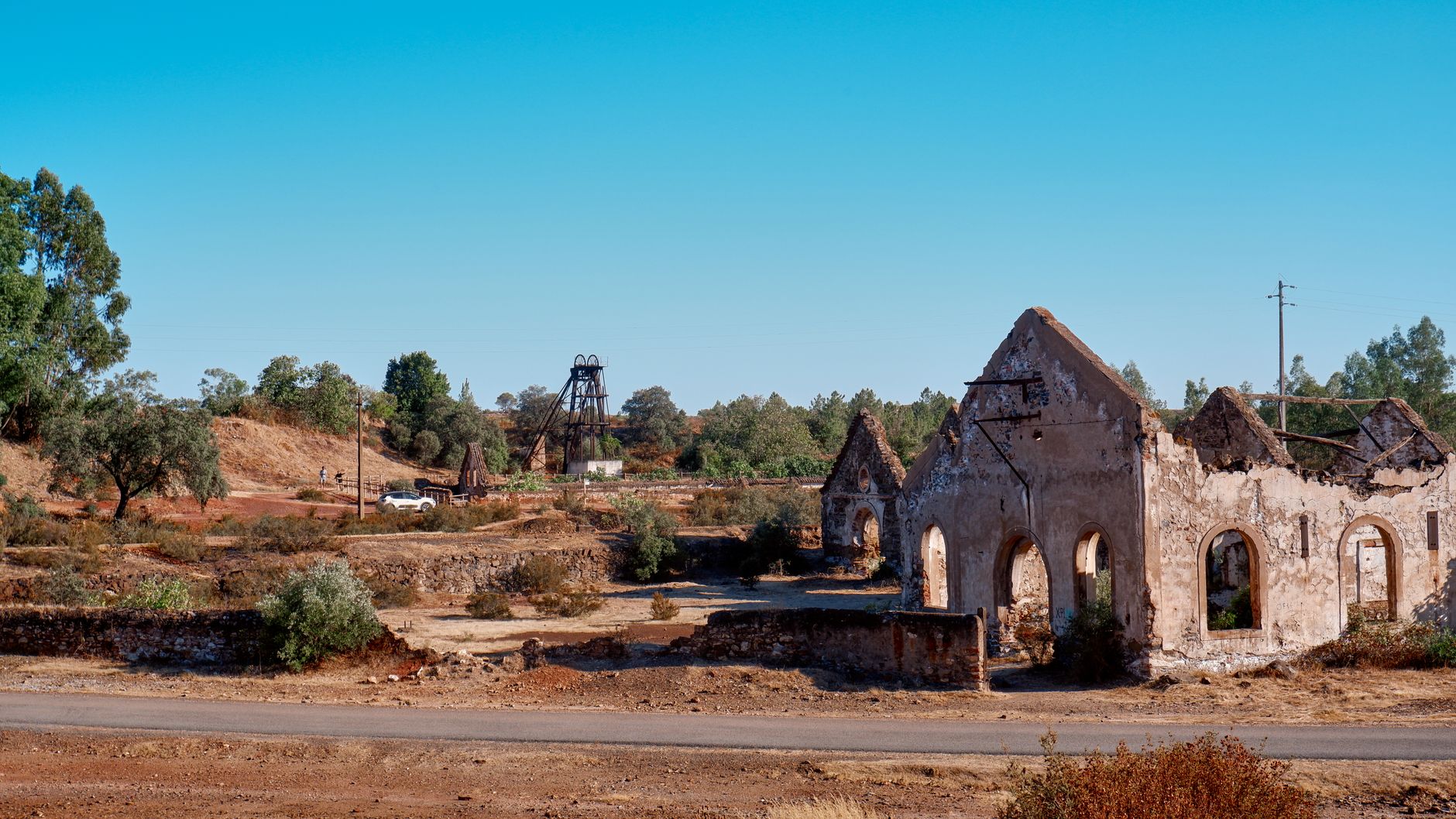
Forget bustling cities and crowded beaches. My most profound travel experiences came from the silent, dusty streets of forgotten ghost towns. Join me as I share how these hauntingly beautiful relics of the past completely reshaped my view of life, history, and adventure. ---
Whispers of the Past: How Forgotten Ghost Towns Changed My Life Forever
I used to chase sunsets on crowded beaches, navigate bustling markets, and marvel at iconic landmarks. Like many of you, I sought the typical postcard moments, the vibrant pulse of a living city. But a few years ago, I found myself in a rut. The thrill of travel felt dulled, the wonder a little muted. I craved something different, something that would shake me to my core and remind me why I fell in love with exploring in the first place.
That’s when I stumbled upon the idea of ghost towns. Not the cheesy, touristy kind, but the truly forgotten, dust-laden remnants of once-thriving communities. Places where time had literally stopped, preserving stories in every creaking floorboard and rusted artifact. What started as a whim, a quest for a unique photo opportunity, quickly spiraled into an obsession – an adventure that didn't just offer cool Instagram shots but profoundly altered my perspective on life, history, and the relentless march of time. These aren't just abandoned buildings; they are silent teachers, and their lessons are etched into my soul forever.
Join me as I take you through the desolate beauty of these incredible places and share how their forgotten echoes became the most life-changing soundtrack of my travels.
The Irresistible Pull of the Abandoned: Why Ghost Towns Haunt Us (in a Good Way)
What is it about a ghost town that captures the imagination so completely? Is it the raw, untamed history laid bare? The chilling silence broken only by the wind? For me, it was the sheer authenticity. In a world obsessed with shiny new things, these places offer a stark, beautiful contrast. They are monuments to human ambition, resilience, and ultimately, impermanence.
Stepping into a ghost town is like walking onto a perfectly preserved movie set, except the stories are real, the props are original, and the actors have simply vanished. You don’t just read about history; you breathe it. You feel the presence of those who once lived, loved, and labored there. The air is thick with untold narratives, forgotten dreams, and the quiet dignity of a life left behind. It’s a powerful, humbling experience that forces you to confront the fleeting nature of our own existence and appreciate the present moment with a new intensity.
My journey began with a desperate need for a fresh perspective, and these towns delivered it in spades. They taught me to look beyond the obvious, to find beauty in decay, and to listen to the whispers of the past.
Bodie, California: Where Time Stands Still in "Arrested Decay"
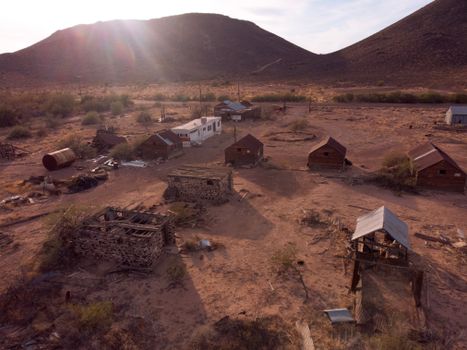
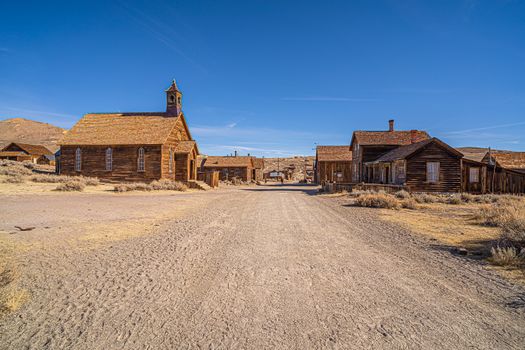
My first true ghost town immersion was Bodie, California. Nestled high in the Sierra Nevada mountains, Bodie isn't just abandoned; it's a state historic park meticulously preserved in a state of "arrested decay." This means that everything remains exactly as it was when the last residents left, untouched by modern hands, allowing nature and time to slowly reclaim it.
I arrived early one crisp autumn morning, the air still holding the chill of the night. The entrance fee was $10 per person ($5 for kids), and there was an additional $5 vehicle fee for parking, which felt like a small price to pay for a journey back to 1879. The park operates seasonally, generally from late spring to late fall, with limited access in winter due to heavy snow. Always check their official website for current operating hours and road conditions.
Walking down the dusty main street, I felt a shiver run down my spine. The general store still had shelves stocked with goods, the saloon bar was set, and the schoolhouse blackboard still bore lessons written in chalk. I peered through the windows of old homes, seeing tables set for meals that would never be eaten, beds neatly made, and personal belongings scattered as if their owners had just stepped out for a moment. It was eerily beautiful, a vivid tableau of a gold rush town that once boasted a population of 10,000.
The silence was profound, broken only by the crunch of my boots on gravel and the occasional gust of wind whistling through broken panes. I spent hours exploring, imagining the clamor of the stamp mill, the shouts of miners, the laughter from the dance halls. It was a visceral connection to a bygone era, a stark reminder of the boom and bust cycles that shaped the American West. Bodie taught me that history isn't just dates and names in a textbook; it's the tangible remnants of lives lived, dreams pursued, and communities built against all odds. It was a profound lesson in impermanence and the relentless power of nature.
Practical Tip for Bodie: Wear sturdy shoes – the ground is uneven and dusty. Bring plenty of water and snacks, as there are no services inside the park. And most importantly, bring your camera! The light at sunrise and sunset casts incredible shadows, perfect for dramatic photography. Remember, it’s a protected site, so "take nothing but pictures, leave nothing but footprints."
Kennecott, Alaska: A Copper Empire Lost to the Wild
From the dusty plains of California, my ghost town quest led me to the remote wilderness of Alaska: Kennecott. This former copper mining town, nestled deep within Wrangell-St. Elias National Park and Preserve, is a testament to human ingenuity and the overwhelming power of nature. Getting there is an adventure in itself.
To reach Kennecott, you first drive the McCarthy Road, a gravel track that stretches 60 miles from Chitina. It's a challenging drive, often taking 2-3 hours, and requires a high-clearance vehicle (rentals often prohibit it, so check carefully!). Alternatively, many visitors fly into McCarthy from Chitina or even Anchorage, which can cost anywhere from $300-$500 round trip depending on the departure point and air taxi service. Once in McCarthy, a pedestrian bridge spans the Kennicott River, and from there, it’s a short shuttle ride or a scenic 4.5-mile walk to Kennecott.
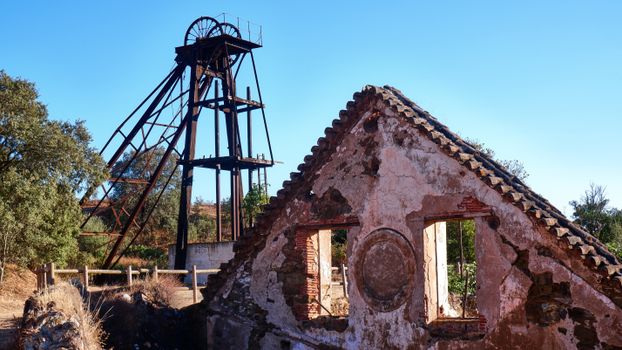
I opted for the drive, feeling every bump and rattle, and the reward was immense. Kennecott looms against a backdrop of towering, snow-capped mountains and the massive Kennicott Glacier. The iconic 14-story mill building, a red behemoth clinging precariously to the mountainside, is an engineering marvel. It once processed some of the richest copper ore in the world.
Walking through the abandoned bunkhouses, the power plant, and the general store, I felt dwarfed by the scale of the operation and the unforgiving landscape. Guided tours of the mill building are highly recommended (prices vary, typically $28-$35 per person for a 2-3 hour tour), offering incredible insight into the mining process and the lives of the workers. I learned about the harsh conditions, the isolation, and the sheer determination that fueled this remote outpost.
Kennecott taught me about human ambition pushed to its limits, and how even the most powerful industries can be humbled by the forces of nature and economic shifts. It also reinforced my appreciation for the untouched wilderness, a stark contrast to the human footprint left behind. The experience was raw, powerful, and utterly unforgettable.
Practical Tip for Kennecott: This is true wilderness. Bring bear spray, layers of clothing, and waterproof gear. Book any air taxis or guided tours well in advance, especially during peak summer months. Cell service is virtually non-existent, so inform someone of your itinerary. This is an adventure, not just a sightseeing trip!
Craco, Italy: A Medieval Ghost Town on a Crumbling Hilltop
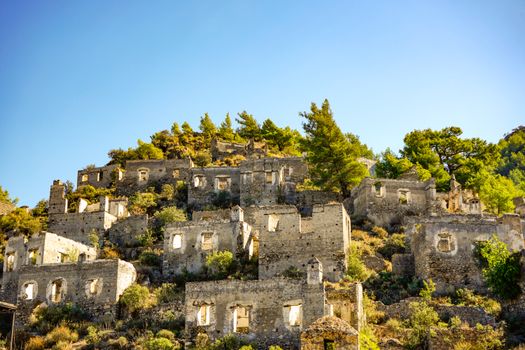
My journey wasn't limited to the American West. I longed to see how Europe's ancient past manifested in abandonment. My search led me to Craco, Italy, a breathtakingly beautiful and tragically abandoned medieval village perched precariously on a hilltop in the Basilicata region.
Craco's story is one of natural disaster. Successive landslides, starting in the 1960s, forced the evacuation of its entire population. Today, it stands as a hauntingly beautiful shell, a silent sentinel overlooking the dramatic "calanchi" badlands. Unlike Bodie, you can't just wander freely here due to safety concerns. Access is strictly limited to guided tours only, which typically cost around €10-€15 per person and last about an hour. These tours are essential, not just for safety, but for unlocking the history of this unique place.
The first sight of Craco is breathtaking. It rises from the landscape like a medieval fortress, its stone buildings and bell tower silhouetted against the sky. As I walked through the narrow, winding streets with my guide, I could almost hear the echoes of children playing, villagers chatting, and the clatter of daily life. The guide pointed out the remnants of frescoes in the church, the outlines of homes, and the panoramic views that once inspired awe in its inhabitants.
Craco has a cinematic quality, having served as a filming location for movies like "The Passion of the Christ" and "Quantum of Solace." But beyond its aesthetic appeal, it tells a poignant story of a community forced to abandon its ancestral homes, a testament to the unpredictable power of Mother Earth. It taught me about resilience in the face of insurmountable odds and the deep human connection to place. The beauty of its decay was mesmerizing, a stark reminder of the transient nature of even the most ancient settlements.
Practical Tip for Craco: Check the official Craco website or local tourism offices for tour availability and booking information, as schedules can vary. Wear comfortable walking shoes suitable for uneven terrain. The drive there is scenic but can be winding, so allow ample time. And prepare to be awestruck by the dramatic landscape!
Beyond the Dust: Practical Tips for Your Own Ghost Town Adventure
Intrigued by the allure of the abandoned? Here are some essential tips to make your ghost town adventure safe, respectful, and truly unforgettable:
- Do Your Research (Thoroughly!): Not all "ghost towns" are created equal. Some are tourist traps, others are privately owned and off-limits, and some are truly dangerous. Look for well-documented sites, state parks, or those with established visitor access. Check for opening hours, entrance fees, and any specific regulations.
- Safety First, Always: Ghost towns often have unstable structures, hidden wells, or uneven terrain. Stick to marked paths. Never enter buildings unless explicitly permitted and deemed safe by authorities. Bring a first-aid kit, plenty of water, and emergency supplies, especially for remote locations.
- Respect the Site and Its History: This is paramount. These are not playgrounds. Do not disturb artifacts, graffiti walls, or take souvenirs. "Take nothing but pictures, leave nothing but footprints." These sites are historical treasures, and it's our responsibility to preserve them for future generations.
- Gear Up Appropriately:
- Sturdy Footwear: Essential for uneven, dusty, or rocky terrain.
- Layers of Clothing: Weather can change rapidly, especially in remote or mountainous areas.
- Sun Protection: Hat, sunglasses, sunscreen.
- Plenty of Water & Snacks: Services are often non-existent.
- Camera Gear: A wide-angle lens is great for capturing landscapes and interiors. A tripod can be useful for low-light shots.
- Headlamp/Flashlight: Even if you plan to be out during the day, it's a good safety measure.
- Offline Maps: Cell service is often unreliable. Download maps of the area beforehand.
- Go Early or Late: To avoid crowds and capture the best light for photography, plan to visit during the early morning or late afternoon/golden hour. The shadows and colors are incredible.
- Listen to the Silence: Don't rush through. Take time to simply sit, observe, and let the atmosphere seep in. It's in these quiet moments that the most profound insights often emerge.
- Consider a Guide: For complex or restricted sites like Craco or Kennecott, a knowledgeable local guide can unlock layers of history and ensure a safe, enriching experience.
The Unseen Lessons: How Ghost Towns Changed Me Forever
My ghost town adventures weren't just about seeing cool places; they were a journey of self-discovery. These silent cities taught me profound lessons:
- The Beauty of Impermanence: Every abandoned building, every rusted relic, whispers a truth: nothing lasts forever. This isn't a morbid thought, but a liberating one. It taught me to cherish the present, to make the most of every moment, and to appreciate the ephemeral beauty of life.
- The Resilience of the Human Spirit: Despite the eventual abandonment, these towns were built by people with incredible dreams, grit, and determination. They battled harsh environments, economic downturns, and isolation. Their stories, though silent, are a powerful testament to human resilience.
- A Deeper Connection to History: History ceased to be a dry subject from textbooks. It became tangible, emotional, and deeply personal. I felt a connection to the lives lived, the struggles endured, and the dreams that faded.
- The Power of Perspective: Stepping away from the constant noise and demands of modern life into these quiet, forgotten worlds offered a radical shift in perspective. My own problems seemed smaller, my priorities clearer. It was a powerful reset button for my soul.
- Finding Beauty in Decay: I learned to see beauty in weathered wood, crumbling stone, and the gentle encroachment of nature. There's a profound aesthetic in the process of return, of things going back to the earth.
These forgotten places didn't just change my travel habits; they changed me. They opened my eyes to a different kind of beauty, a deeper kind of history, and a more profound understanding of life itself.
Your Own Journey to the Past
If you're looking for a travel experience that transcends the ordinary, that challenges your perceptions, and truly leaves an indelible mark, I implore you: seek out a forgotten ghost town. It won't be about luxurious resorts or crowded tourist traps. It will be about connection – connection to the past, to nature, and ultimately, to a deeper part of yourself.
So, pack your bags, lace up your boots, and prepare to be enchanted by the haunting beauty of these forgotten worlds. They might just change your life forever too.
Have you visited a ghost town that left a lasting impression? Share your stories and tips in the comments below! Let's inspire each other to explore the hidden corners of history.
---
More pictures
Tags
Share this guide
We may earn a commission if you click a link and buy a product or service, at no extra cost to you. How affiliate links work.
Been there?