
Trade crowded tourist traps for the chilling allure of forgotten history this November. We've unearthed the most captivating ghost towns worldwide, perfect for an atmospheric adventure. Get ready to explore haunting beauty and untold stories that will ignite your wanderlust like never before.
The wind howls through splintered window frames, carrying whispers of lives long past. Dust motes dance in shafts of sunlight piercing through decaying roofs, illuminating relics of a bygone era. There’s a profound silence, broken only by the crunch of your boots on forgotten pathways, a silence that speaks volumes of dreams pursued, fortunes made and lost, and the relentless march of time. This, my friends, is the magic of a ghost town.
My fascination began years ago, on a crisp autumn afternoon when I stumbled upon a tiny, nameless mining camp nestled deep in the Nevada desert. The air was electric with untold stories, and I felt an undeniable connection to the spirits of those who once called it home. Since then, exploring abandoned places has become an obsession, a quest to unearth the beauty and history left behind. And let me tell you, there's no better time to embark on such a journey than November.
Why November, you ask? Picture this: the summer crowds have vanished, the oppressive heat of warmer months has given way to crisp, invigorating air, and in many regions, the first dustings of snow or the last fiery hues of autumn leaves add an unparalleled layer of atmosphere. The stark beauty of skeletal structures against a dramatic sky, the chill that nips at your nose as you wander through deserted streets – it all amplifies the eerie enchantment of these forgotten places. November 2025 is calling, and it's time to answer.
Join me as we dive into five of the most captivating, truly "forgotten" ghost towns around the globe, each offering a unique glimpse into history, incredible photographic opportunities, and an adventure you won't soon forget.
1. Bodie, California, USA: A State of Arrested Decay
Location: East of the Sierra Nevada mountain range, near Mono Lake, California. Access: Accessible via State Route 270, a paved road that turns into a dirt road for the last few miles. Check road conditions, especially in November, as snow can close access. Entrance Fee: ~$8 per adult (2024 rates, subject to change).
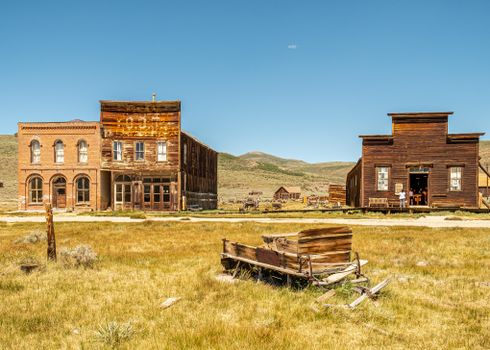
Bodie isn’t just a ghost town; it’s a time capsule. Designated a State Historic Park, it’s preserved in a state of "arrested decay," meaning buildings are maintained exactly as they were found – dusty, decaying, and utterly authentic. This notorious gold mining town, once home to 10,000 people, saloons, gambling halls, and even a Chinatown, offers an unparalleled glimpse into the wild west.
Why November? My last visit to Bodie in mid-November was unforgettable. The air was sharp, carrying the scent of dry sage and pine. The golden light of late autumn cast long, dramatic shadows across the weathered wooden structures, making every photograph feel like a masterpiece. The crowds were minimal, allowing me to wander through the deserted streets, peer into the dusty general store, and imagine the clang of the blacksmith's hammer without interruption. The possibility of an early snowfall transforming Bodie into a stark, silent wonderland is an added thrill. Imagine those iconic shots of the church or the stamp mill against a fresh blanket of white!
Personal Anecdote: I remember standing inside the old schoolhouse, dust motes dancing in the weak sunlight, seeing children's slates and textbooks still on the desks. It wasn't just old objects; it was a tangible connection to the past, a feeling that those children had just stepped out for recess. The silence was so profound, you could almost hear the faint echo of their laughter. It’s an incredibly moving experience.
Practical Tips:
- Dress in layers: November weather in the Sierras can be unpredictable, ranging from mild to freezing.
- Bring water and snacks: There are no services within the park.
- Photography: Golden hour (late afternoon) is magical. Focus on details – the peeling paint, the forgotten tools, the interiors of the buildings (shot through windows, as you can't enter most). A wide-angle lens is great for capturing the vastness.
- Nearby: Mono Lake, with its surreal tufa towers, is a short drive away and makes for a fantastic pairing.
2. Rhyolite, Nevada, USA: Desert Dreams and Artistic Whispers
Location: Near Beatty, Nevada, just outside Death Valley National Park. Access: Easily accessible via paved roads, a short detour off US-95. Entrance Fee: Free.
If Bodie is about arrested decay, Rhyolite is about pure, unadulterated desert desolation, punctuated by quirky art. Once the largest city in the Bullfrog Mining District, Rhyolite boomed in the early 1900s, boasting banks, a hospital, a school, and even a stock exchange. By 1920, it was a ghost. Today, its skeletal remains – the three-story bank building, the old jail, and the unique Bottle House – stand testament to its brief, glorious past, surrounded by vast, empty desert.
Why November? The scorching summer heat of the Nevada desert is long gone by November, replaced by clear, cool days perfect for exploration. The stark beauty of the desert landscape feels particularly poignant during this time, with the low sun casting dramatic shadows that accentuate the ruins. The air is crisp, and the silence is immense, allowing you to truly appreciate the isolation and history. Plus, you’ll largely have the place to yourself.
Personal Anecdote: My first visit to Rhyolite was in early November, and what struck me most was the contrast between the desolate ruins and the vibrant art installations of the Goldwell Open Air Museum, located just next to the main townsite. Seeing the 'Last Supper' sculpture by Albert Szukalski, with its ghostly figures against the backdrop of the mountains and the ghost town, felt incredibly profound and eerie. It added a layer of modern interpretation to the ancient echoes of the past. The Bottle House, made entirely of glass bottles, is also a surprisingly charming and resilient structure.
Practical Tips:
- Bring plenty of water: Even in November, the desert air is dry.
- Explore on foot: While you can drive through, walking allows you to truly soak in the details.
- Photography: The Bottle House and the Goldwell Open Air Museum offer unique photo ops. Wide-angle shots of the ruins against the expansive desert sky are stunning, especially at sunrise or sunset.
- Nearby: Death Valley National Park is right next door – combine your ghost town adventure with a visit to one of America's most unique national parks.
3. St. Elmo, Colorado, USA: Alpine Echoes of the Gold Rush
Location: Chaffee County, Colorado, in the Sawatch Range of the Rocky Mountains. Access: Accessible via County Road 162 from Buena Vista. The road is generally well-maintained but can become challenging for 2WD vehicles after heavy snow. Check local conditions in November. Entrance Fee: Free, but donations are appreciated to help maintain the historic buildings.
Nestled high in the Colorado Rockies at nearly 10,000 feet, St. Elmo is one of Colorado's best-preserved and most picturesque ghost towns. Founded in 1880 during the gold and silver rush, it was a bustling mining community. Today, it boasts nearly 40 intact buildings, including a general store (which is often open in summer but closed by November), a schoolhouse, and a saloon. The surrounding mountains provide a breathtaking backdrop.
Why November? While many visit St. Elmo in summer, November offers a truly magical, quiet experience. The aspens might have shed their golden leaves, but the crisp mountain air, the potential for early season snow, and the dramatic, brooding skies create an incredibly atmospheric setting. Imagine the wooden buildings dusted with fresh snow, steam rising from your breath as you explore, and the only sounds being the wind and the distant cry of a hawk. It’s a photographer’s dream and an adventurer’s solace.
Personal Anecdote: My November trip to St. Elmo was a spontaneous detour. The road was clear, but the air bit with a delicious chill. As I walked past the old general store, I saw a handful of friendly chipmunks and squirrels, seemingly the only inhabitants, darting around the wooden porch. It felt like stepping onto a movie set, utterly silent and perfectly preserved. The highlight was hiking a short trail to a viewpoint overlooking the entire town, seeing the entire valley shrouded in the quiet anticipation of winter.
Practical Tips:
- Vehicle: A 4x4 or AWD vehicle is highly recommended for November, especially if snow is forecast.
- Warm layers are essential: High altitude means cold temperatures. A good waterproof jacket, hat, and gloves are a must.
- Photography: The snow-capped peaks against the old wooden buildings offer incredible contrasts. Look for frosted windows and icicles. Early morning light is stunning.
- Respect: St. Elmo is privately owned in parts, so respect signage and do not trespass or disturb anything.
4. Kolmanskop, Namibia: Sand-Swept Diamond Dreams
Location: Sperrgebiet (Forbidden Zone) in southern Namibia, a few kilometers inland from the port of Lüderitz. Access: Requires a guided tour. Tours typically depart from Lüderitz. Book well in advance. Entrance Fee: ~N$300 (approx. $16 USD) per adult for a standard tour (2024 rates). Special photography permits are available for early morning/late afternoon access, typically costing more.
Venturing beyond the US, Kolmanskop offers a truly unique ghost town experience. Once a thriving German diamond mining town, it was abandoned in 1956 when the diamond fields dried up. Since then, the relentless Namib Desert has been slowly reclaiming it, filling houses with towering dunes of sand. The sight of elegant European-style homes half-submerged in sand is utterly surreal and breathtaking.
Why November? November in Namibia marks the transition from dry season to the start of the short rainy season. While temperatures can still be warm, the intense heat of summer hasn't fully arrived, and the air is often clearer. Crucially, the light for photography is phenomenal during this time, casting long, dramatic shadows that highlight the sand-filled interiors. The lack of major tourist crowds compared to peak season allows for a more intimate and profound experience.
Personal Anecdote: Stepping into Kolmanskop felt like entering a dreamscape. I chose an early morning photography tour in late November, and watching the sunrise paint the sand dunes inside the abandoned houses with hues of gold and orange was an experience I'll never forget. I distinctly remember walking into what was once a grand ballroom, now half-filled with sand, and imagining the waltzes and laughter that once echoed there. The silence was absolute, broken only by the wind whistling through broken panes. It’s a place that profoundly moves you.
Practical Tips:
- Book a tour: Access is restricted, so you must join a guided tour. Consider a photography permit for extended and special access.
- Wear appropriate footwear: You'll be walking in sand, often quite deep. Closed shoes are best to keep sand out.
- Protect your camera gear: The fine desert sand gets everywhere. Bring lens cloths, dust blowers, and consider a rain cover for your camera.
- Hydration: Always bring plenty of water.
- Nearby: Lüderitz itself is a charming colonial town with unique architecture and fascinating history.
5. Craco, Basilicata, Italy: A Medieval Marvel Frozen in Time
Location: Province of Matera, Basilicata region, southern Italy. Access: Guided tours are mandatory for safety and preservation reasons. You must book in advance with the local tourism office. Entrance Fee: ~€10-€15 for a guided tour (2024 rates).
Perched dramatically atop a steep hill, overlooking a landscape of rolling fields and badlands, Craco is an ancient medieval village that looks like something out of a fairy tale – a hauntingly beautiful one. Founded in the 8th century, it was slowly abandoned in the 20th century due to a series of landslides and floods, leaving its stone houses, church, and Norman tower intact but empty. Its dramatic setting has made it a popular filming location.
Why November? Southern Italy in November offers mild, often sunny weather, far removed from the summer heat. The golden light of autumn washes over the ancient stone, enhancing its texture and history. Crucially, the tourist season has waned significantly, meaning you can explore this incredibly picturesque site without hordes of people. The muted colors of the surrounding landscape add to the melancholic beauty, making Craco feel even more isolated and timeless.
Personal Anecdote: My visit to Craco was in late November, and the silence was profound, broken only by the wind whistling around the ancient tower. Walking through the narrow, cobbled streets, peering into the skeletal remains of homes, I felt like I was stepping back a thousand years. The highlight was standing at the edge of the town, looking out over the "calanchi" (badlands) – a landscape so stark and beautiful it felt otherworldly. It was easy to imagine knights and peasants walking these same paths, their lives unfolding against this epic backdrop.
Practical Tips:
- Book a guided tour: This is essential for safety and access. Contact the Craco tourism office well in advance.
- Wear sturdy shoes: The terrain can be uneven, and you'll be walking on ancient stones.
- Photography: Craco is incredibly photogenic. Focus on the architecture, the dramatic cliffside setting, and the intricate details of the stone. Wide-angle shots capturing the entire town from a distance are iconic. Golden hour is spectacular.
- Nearby: Matera, a UNESCO World Heritage site known for its cave dwellings (Sassi di Matera), is relatively close and makes for an excellent base or a combined trip.
Practical Tips for Your Ghost Town Adventure in November 2025
Exploring ghost towns, especially in the off-season, requires a bit more planning and respect. Here's how to make your trip safe, responsible, and unforgettable:
- Do Your Research: Always check road conditions, access restrictions, and operating hours (if any) before you go. November weather can be unpredictable, leading to road closures, especially in mountainous or remote areas.
- Dress in Layers: Temperatures can fluctuate wildly. Be prepared for cold, wind, and potentially rain or snow. Waterproof outer layers, warm base layers, hats, gloves, and sturdy, waterproof hiking boots are essential.
- Safety First: Many ghost towns have decaying structures. Never enter buildings unless explicitly permitted and deemed safe by authorities. Watch your step for uneven terrain, broken glass, or rusted metal. Inform someone of your itinerary.
- Leave No Trace: This is paramount. Take nothing but photos, leave nothing but footprints. Do not disturb artifacts, graffiti walls, or move anything. These places are historical treasures for everyone to enjoy.
- Bring Essentials: Pack plenty of water, snacks, a first-aid kit, a fully charged phone (with a power bank), and a physical map or downloaded offline maps, as cell service can be spotty.
- Photography Gear: Beyond your camera, consider a tripod for low-light shots, extra batteries (cold drains them faster), and protective gear for your equipment against dust, sand, or moisture.
- Respect the Silence: Part of the magic is the profound quiet. Be mindful of others and keep noise to a minimum. Let the atmosphere speak for itself.
- Local Regulations: Some ghost towns are on private land or within state/national parks, each with its own rules. Always adhere to posted signs and local guidelines.
- Consider a Guide: For places like Kolmanskop or Craco, a local guide is mandatory and invaluable for safety, historical context, and navigating the site.
Conclusion: Answer the Call of the Past
There's something profoundly human about visiting a place where life once thrived, now reclaimed by nature and time. Ghost towns are not just abandoned buildings; they are echoes of dreams, struggles, and untold stories. They invite us to slow down, to imagine, and to connect with history on a deeply personal level.
This November 2025, trade the predictable for the profound. Step off the well-worn tourist path and answer the haunting call of a forgotten ghost town. Whether you're drawn to the dusty streets of the American West, the sand-swept elegance of Namibia, or the ancient stone villages of Italy, an unforgettable adventure awaits. These are experiences that will not only fill your camera roll with incredible shots but will also etch themselves into your soul.
Which forgotten ghost town is calling your name for November 2025? Have you visited any unique abandoned places? Share your stories and plans in the comments below! And don't forget to tag #TripsoraGhostTowns on Instagram with your incredible photos – we can't wait to see them!
---
More pictures
Tags
Share this guide
We may earn a commission if you click a link and buy a product or service, at no extra cost to you. How affiliate links work.
Been there?