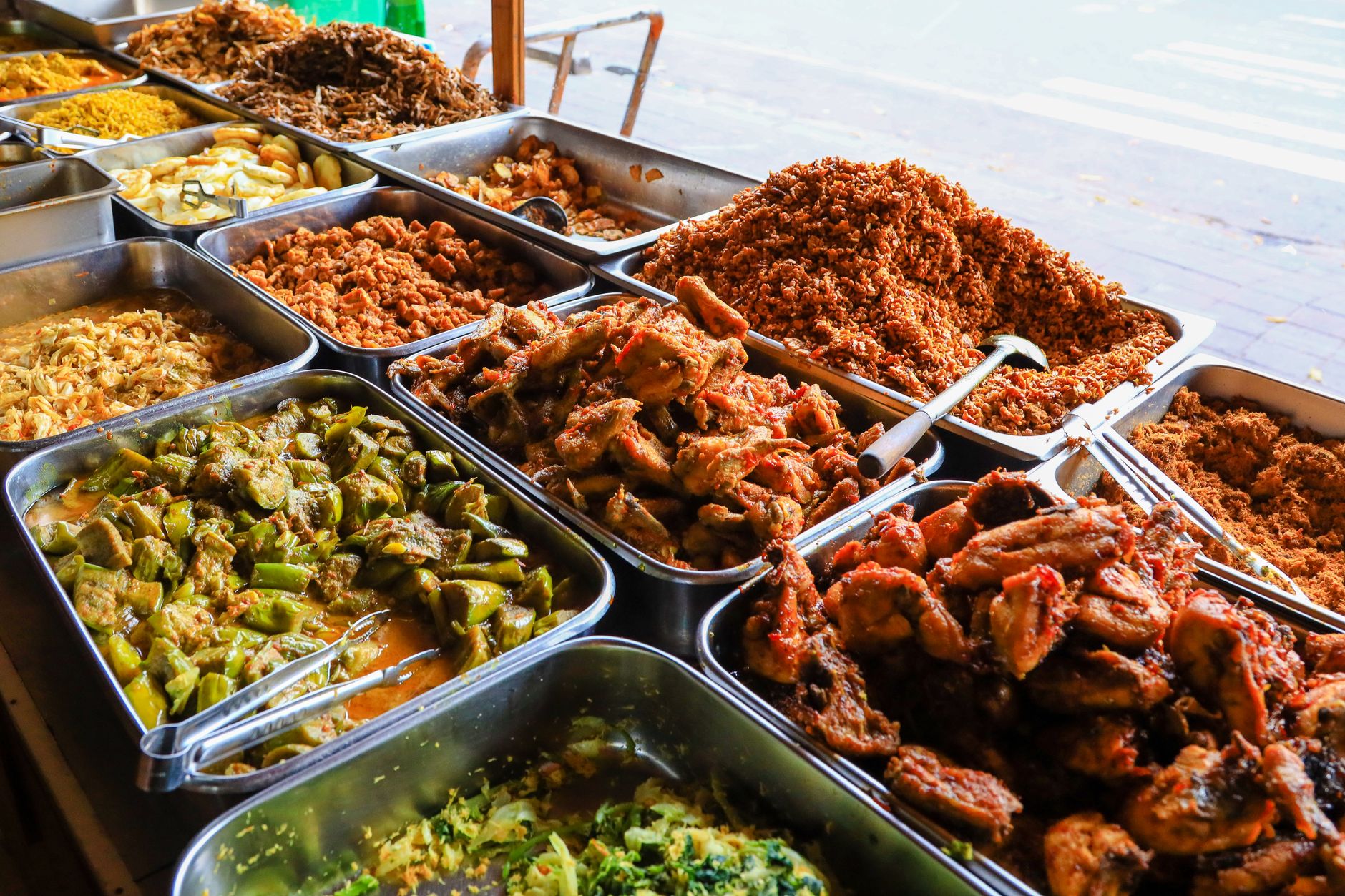
A tour of savory dishes that pass for cakes, custards and pastries, with notes on where to try them and how to avoid a surprise at the table.
Few travel moments are as funny as taking a big bite of what looks like a custard tart and discovering it tastes of mushrooms and soy sauce. Around the world, cooks have created savory dishes that borrow the shapes, colours and textures of desserts. Some of these resemblances are accidental, because steamed, baked and layered foods tend to look alike. Others are deliberate, such as sandwich cakes that fool the eye at a party.
This guide celebrates those delicious impostors. It covers where to find them, what they taste like, and how to ask questions so you are never caught off guard. There are no secrets here, only dishes that deserve to be better known. Menus and recipes vary by region and by cook, so use these descriptions as general guidance.
Why savory food often looks sweet
There is a simple culinary logic behind the confusion. Many techniques are shared by sweet and savory cooking.
- Steaming produces soft, pale, cake-like textures.
- Baking with eggs and dairy makes custards and quiches that look like puddings.
- Layering creates cake-like stacks from bread, vegetables or fish.
- Glazes and toppings such as sesame seeds, herbs or grated cheese look like sprinkles.
- Moulds and cutters shape rice, dough and meat into pretty forms.
The result is that your eyes may say dessert while your nose says dinner. A quick sniff and a polite question go a long way.
Japan: chawanmushi and other quiet surprises
Chawanmushi is a steamed egg custard served in a small cup, often with a spoon. It has a wobbly, silky texture just like a sweet pudding. Inside, you may find shiitake mushrooms, chicken, ginkgo nuts or shrimp, flavoured with dashi stock and a touch of soy. It is warm, gentle and comforting.
Another to look for is tamagoyaki, a rolled omelette that is sliced into golden layers. Depending on the cook, it may be slightly sweet or purely savory, and it can resemble a roll cake when sliced.
Japan also has savory cheesecakes and soufflé-style dishes at some cafes, and rice shaped into neat triangles or balls that can resemble mochi until you bite into pickled plum or grilled salmon.
Tip: Chawanmushi is common in izakaya, set-meal restaurants and some department-store food halls. If you do not like seafood, ask what is inside.
India: dhokla and its cousins
In Gujarat and nearby regions, dhokla is a steamed snack made from fermented gram flour or rice and lentil batter. It is pale yellow, spongy and cut into squares, so it looks very much like a slice of sponge cake. The flavour is mildly tangy and savory, finished with a tempering of mustard seeds, curry leaves and green chilli, sometimes with a sprinkle of coconut or coriander.
Related snacks include:
- Idli, white steamed rice and lentil cakes from South India, eaten with chutney and sambar.
- Khandvi, thin rolled sheets of gram flour that look like delicate pastry scrolls.
- Handvo, a baked savory cake with vegetables.
All of these are generally vegetarian, though it is wise to confirm ingredients if you have dietary restrictions.
Sweden: smörgåstårta, the sandwich cake
Smörgåstårta literally means sandwich cake, and it is exactly that. Layers of bread are stacked with fillings such as creamy egg, prawns, smoked salmon, cucumber and mayonnaise or cream cheese, then covered with a frosting of soft cheese and decorated with herbs, vegetables or fish. Sliced, it looks like a party cake.
It appears at celebrations and in some bakeries and delicatessens. If you see an elaborate cake in a Swedish bakery with prawns on top, you have found it.
Georgia: khachapuri
This famous Georgian bread comes in many regional forms. The Adjarian version is a boat-shaped loaf filled with melted cheese, topped with butter and a raw egg yolk that you stir in. It looks like a pastry with a golden filling, and the first bite might surprise someone expecting something sweet.
Other versions are round, like a savory pie, or layered. It is rich and filling, so sharing is a good idea.
Morocco: bastilla
Bastilla, also spelled pastilla, is a layered pie of thin, crisp pastry traditionally filled with spiced poultry or pigeon, eggs and almonds. It is dusted with powdered sugar and cinnamon, which makes it look like dessert. The flavour combines sweet and savory, a hallmark of many Moroccan dishes. Seafood versions also exist.
If you try it in Marrakech or Fes, notice the contrast between flaky pastry, aromatic filling and the sugar on top.
China and Taiwan: turnip cake and steamed buns
Lo bak go, often called turnip cake or radish cake, is a dim sum favourite. It is made with shredded radish, rice flour and often dried shrimp, sausage or mushrooms. It is steamed into a firm block, then sliced and pan-fried until golden. It looks like a plain cake, but it is deeply savory.
Steamed buns, or baozi, are soft and white and look like sweet buns. They may be filled with pork, vegetables, or sweet red bean paste, so ask which is which. In many dim sum restaurants, the buns are labelled, but pictures or trolleys can be misleading.
Spain: tortilla de patatas
A Spanish potato omelette, cut in wedges, looks like a thick, golden cake. It is made with eggs, potatoes and often onion. Served warm or at room temperature, it is a staple in bars as a tapa or in a sandwich. There are lively debates about whether it should include onion, and how runny the centre should be.
Peru: causa
Causa is a cold layered dish of seasoned mashed yellow potato, usually flavoured with lime and ají amarillo chilli. The layers are filled with chicken, tuna, avocado or seafood and sometimes arranged in a neat tower or cake shape. Topped with decorative sauces and garnishes, it looks like a miniature layer cake.
Nigeria and West Africa: moi moi
Moi moi is a steamed pudding made from blended black-eyed peas, peppers, onions and spices. It is often cooked wrapped in leaves or in small moulds and has a soft, smooth texture. Fillings might include egg or fish. If you spot what looks like a firm custard, check what it is.
The Netherlands and Britain: savory puddings and pies
Britain has Yorkshire pudding, a puffed batter often served with roast beef and gravy. It has a golden, risen look that could be mistaken for a pastry, yet its job is to soak up gravy. Other British classics such as pork pies and Cornish pasties are baked pastries with savory fillings, and a neatly crimped, glazed pie can resemble a sweet tart from a distance.
Italy: arancini and savory tarts
Arancini are fried rice balls, often filled with ragù, peas or cheese. Their golden, rounded shape is reminiscent of doughnuts or truffles. In Sicily, they are a beloved street snack, and the name comes from the word for oranges.
Italy also has savory torte, such as vegetable and cheese pies baked in a springform tin, which look like cakes.
Korea and the Philippines: rice cakes of many kinds
Rice cakes in Korea, known as tteok, can be sweet or savory. Tteokbokki, chewy cylinders simmered in a spicy sauce, are a street food staple, while other tteok are served plain or with sweet fillings. In the Philippines, puto and kakanin are steamed rice treats that range from sweet to lightly salty, sometimes topped with cheese or salted egg. When shapes and colours are similar, asking is the surest way to know.
How to order without surprises
A few strategies make dessert lookalikes a delight instead of a disappointment.
- Ask what it is. A simple "sweet or savory?" in the local language is surprisingly effective. A translation app can help.
- Look at where it is served. Dishes in the savory section of a menu, in a bakery's lunch counter or in a bar are likely not desserts.
- Check the toppings. Herbs, grated cheese, pickles and fish eggs are clues.
- Smell first. Aromas of garlic, soy, curry or smoke signal savory.
- Observe locals. If people are eating it with rice, bread or a main course, it is not dessert.
- Mention allergies clearly. Eggs, nuts, dairy, gluten and shellfish are common in these dishes. Carry a translated allergy card if needed.
Tasting tips and etiquette
- Share dishes so you can try more.
- Do not be embarrassed about asking questions. Cooks and servers are often delighted by curiosity.
- Take your time. Many of these foods are best fresh and warm.
- Respect local customs, such as eating with hands or utensils, and how dishes are shared.
Making a food tour of lookalikes
If the idea appeals, build a trip or a city day around it.
- In Tokyo, combine a department-store food hall visit with a set lunch featuring chawanmushi.
- In Ahmedabad or Mumbai, sample dhokla and other vegetarian snacks.
- In Tbilisi, order different khachapuri styles at a few bakeries.
- In Stockholm, look for a bakery selling smörgåstårta slices.
- In Madrid or Seville, compare tortillas in neighbourhood bars.
- In Lima, try causa at a traditional restaurant.
Always check opening hours and availability locally, since small places change menus and schedules.
Frequently asked questions
Are these dishes common, or only found in special places? Many are everyday foods, but regional variations are significant. A dish popular in one province may be unfamiliar in another.
Can I make these at home? Many have simple versions you can find in cookbooks and reputable recipe sites. Start with chawanmushi, tortilla or causa, and enjoy experimenting.
Are they suitable for vegetarians? Some are, but others contain meat, fish or fish-based stock. Always ask, because ingredients like dashi, fish sauce or lard can be hidden.
How do I avoid disappointment? Remember that appearance can mislead. Treat every unfamiliar pastry or pudding as a small adventure, and ask a friendly question before you bite.
Summary
From Japan's silky chawanmushi and Gujarat's springy dhokla to Sweden's sandwich cake and Morocco's sugar-dusted bastilla, savory dishes often dress up as desserts. The resemblance comes from shared techniques such as steaming, baking and layering, and it makes eating abroad a little more playful. Ask what you are ordering, watch what locals do, mention dietary needs and enjoy the surprise. Once you start noticing these lookalikes, every bakery counter and street stall becomes a small mystery waiting to be tasted.
More pictures



Tags
Share this guide
We may earn a commission if you click a link and buy a product or service, at no extra cost to you. How affiliate links work.
Been there?