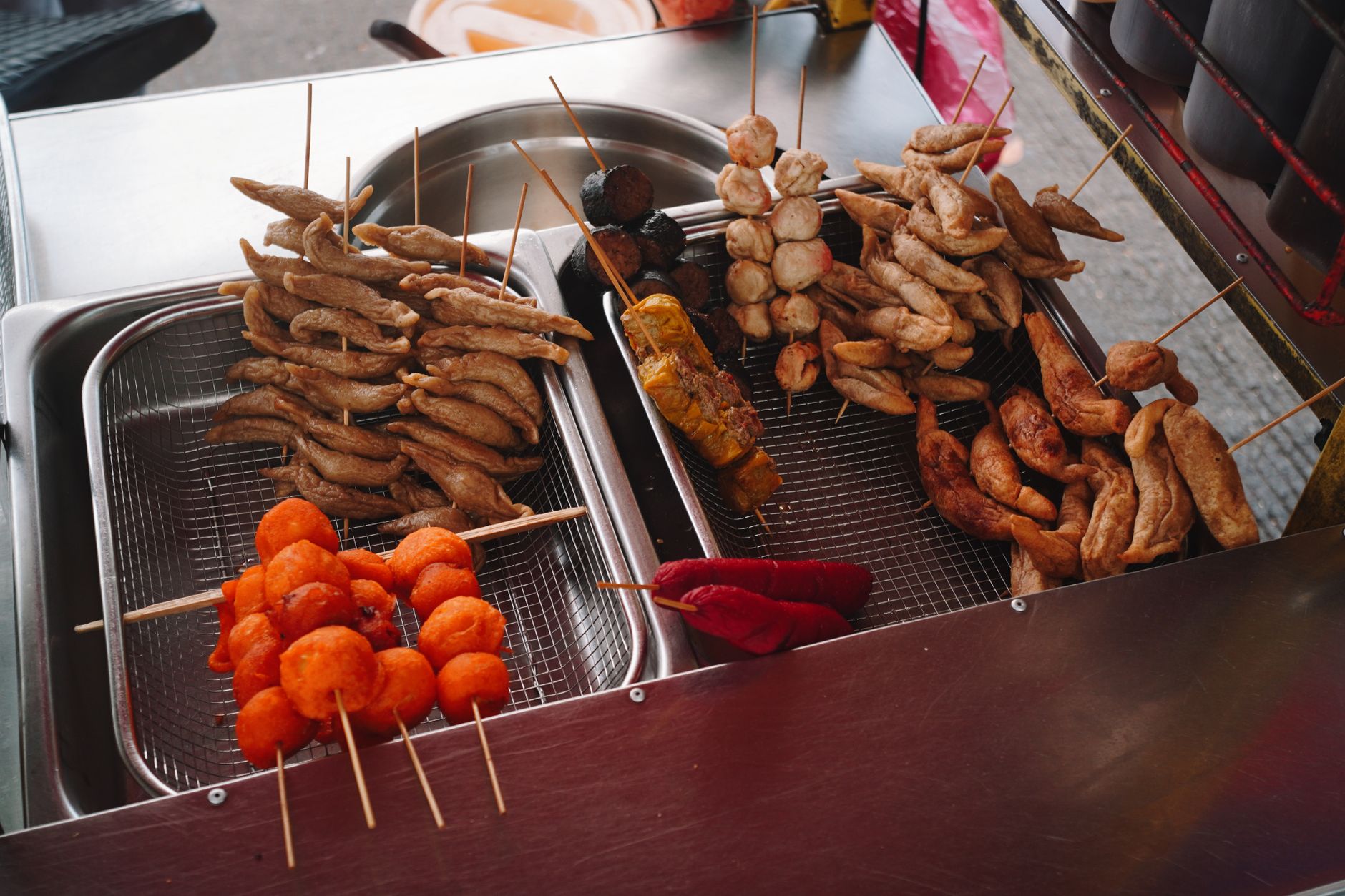
Ever bitten into what you thought was a sweet treat, only to be delightfully surprised by a savory explosion? Get ready to challenge your taste buds as we dive into a world of culinary illusions – dishes that masterfully mimic desserts but are anything but sweet, waiting for you to discover them before they become mainstream sensations. ---
The sweet tooth is a powerful thing, isn't it? It guides us through bustling markets, lures us into charming patisseries, and whispers promises of sugary bliss. But what if I told you that sometimes, that sweet tooth is a glorious liar? What if the most innocent-looking confection, gleaming under the market lights, is actually a master of disguise, waiting to deliver a delicious, savory punch?
My own journey into the world of "dessert impostors" began quite innocently in a small, bustling alleyway in Kyoto. I was meandering through Nishiki Market, a sensory overload of sights, sounds, and incredible smells. My eyes landed on a stall selling what looked like perfectly toasted, golden-brown pillows on a stick. My mind immediately screamed "mochi!" – the chewy, sweet rice cakes I adored. I imagined a sugary glaze, perhaps some red bean paste. Eagerly, I pointed, paid my ¥300, and took a hopeful bite.
Instead of the anticipated sweetness, my taste buds were hit with a delightful, complex wave of umami: a savory soy sauce glaze, the subtle brininess of nori seaweed, and the satisfying chew of the grilled mochi. It was Isobe-yaki mochi, a traditional savory snack, not a dessert at all! I laughed out loud, a genuine, joyful laugh born of surprise and pure gastronomic delight. It was a revelation – a moment when my culinary expectations were delightfully upended, and I realized I’d stumbled upon a whole new category of food adventure.
That moment sparked an obsession. Now, whenever I travel, I’m on the hunt for these culinary chameleons: dishes that look like they belong on a dessert platter but are resolutely, wonderfully savory. These aren't just quirky dishes; they're windows into local cultures, showcasing ingenious uses of ingredients and challenging our preconceived notions of what "sweet" and "savory" truly mean. And the best part? Many of them are still hidden gems, waiting for intrepid foodies like us to discover them before they inevitably go mainstream and populate every Instagram feed.
So, buckle up, fellow food adventurers! Let’s embark on a delicious expedition to uncover these incredible dessert impostors. Get ready to fool your taste buds, broaden your palate, and snap some truly viral-worthy photos along the way.
The Art of Deception: Why These Savory Sweethearts Exist
Before we dive into specific dishes, let's appreciate the genius behind these culinary illusions. Why do these foods exist? It's a fascinating blend of cultural tradition, ingredient availability, and sheer culinary creativity.
Many ingredients commonly associated with sweetness – like coconut milk, sticky rice, various pastes, and even certain fruits or vegetables – have a versatility that transcends a single flavor profile. In different cultures, these ingredients are embraced for their texture, their ability to absorb flavors, or their inherent umami, rather than just their sugar content.
Think about it:
- Appearance: Many savory dishes use techniques (steaming, frying, layering) and ingredients (flours, starches, creams) that result in textures and aesthetics we typically associate with desserts. The golden-brown crust of a fried cheese, the delicate layers of a pastry, the vibrant colors of a steamed cake – these are universal visual cues.
- Cultural Context: In many parts of the world, the distinction between "snack" and "dessert" isn't as rigid as in Western cuisine. A small, often handheld item might be eaten at any time of day, and its flavor profile can range from sweet to savory without a clear categorization.
- Ingredient Versatility: Take rice flour, for example. It's the base for countless sweet mochi and dango, but also for savory dumplings and pancakes. The same goes for coconut milk, often used in sweet curries and desserts, but equally at home in rich, savory stews. It’s all about how it’s seasoned and what it’s paired with.
Understanding this helps us approach these dishes with an open mind, ready for the delightful surprise.
1. Japan's Unexpected Twists: Beyond Sweet Mochi
Japan, a country renowned for its delicate wagashi (traditional sweets), also holds some of the most charming savory impostors.
- Isobe-yaki Mochi (磯辺焼き餅): The Umami Revelation
- What it looks like: Grilled, slightly puffed disks or rectangles of pure white mochi, often wrapped in a dark sheet of nori seaweed. It has the soft, chewy texture and simple aesthetic of a sweet mochi.
- What it actually is: This is the dish that started my obsession! Freshly grilled mochi, brushed with a savory soy sauce (shoyu) glaze, sometimes with a hint of mirin. The nori adds a beautiful oceanic, umami counterpoint. It's warm, comforting, and deeply savory.
- Where to find it: Traditional tea houses, street food stalls, particularly around temples or markets in cities like Kyoto (Nishiki Market, Gion district) and Tokyo (Asakusa). It’s a popular snack, especially during colder months.
- Price: Typically ¥200-500 per piece or stick.
- My Anecdote: My initial bite in Kyoto, expecting sweetness and getting that rich, savory soy hit, was a moment of pure culinary enlightenment. The warmth of the mochi, the slight char from the grill, and the salty-sweetness of the glaze – it was perfect. I immediately bought another.
- Instagram-worthy: The simple elegance of the white mochi against the dark nori, perhaps held against a backdrop of a traditional Japanese street or garden. Use #IsobeYakiSurprise #SavoryMochi.
- Zunda Mochi (ずんだ餅): The Edamame Enigma (Often Sweet, But Can Be Savory-Leaning)
- What it looks like: Bright green, almost pistachio-colored paste generously coating soft mochi. It screams "sweet matcha" or "pistachio dessert."
- What it actually is: While traditionally sweet (made with mashed edamame, sugar, and salt), some regional variations, especially in Sendai, emphasize the fresh, earthy flavor of the edamame with less sugar, making it a surprisingly refreshing, almost savory-leaning snack. The natural sweetness of the edamame comes through, balanced by a touch of salt. It blurs the lines beautifully.
- Where to find it: Predominantly in the Tohoku region, especially Sendai. Look for specialty zunda shops or souvenir stores.
- Price: ¥300-600 for a small plate.
- Instagram-worthy: The vibrant green color is incredibly photogenic! Capture the texture of the paste and the soft mochi. #ZundaMochiMystery #EdamameEats.
2. Europe's Savory Pastry Paradoxes: The Cheese "Cake" Conundrum
Europe, with its rich history of baking, also presents some delightful deceptions, often involving cheese and flaky pastry.
- Spanakopita (Σπανακόπιτα): The Greek Spinach Pie That Looks Like a Sweet Pastry
- What it looks like: Golden-brown, flaky phyllo pastry, often cut into triangles or squares, sometimes resembling a sweet baklava or strudel. It glistens with butter, inviting a sweet bite.
- What it actually is: A quintessential Greek savory pie filled with a delicious mixture of spinach, feta cheese, onions, and herbs like dill and mint. The salty feta and earthy spinach create a wonderfully balanced, savory experience.
- Where to find it: Every bakery (άρτος) and café in Greece, particularly popular for breakfast or a quick snack. Also common in Greek restaurants worldwide.
- Price: €2.50-5.00 per slice/piece.
- My Anecdote: During my first trip to Athens, I saw a bakery display laden with these beautiful pastries. Assuming it was a sweet treat, I ordered one for dessert. The initial surprise of the salty, tangy feta was a jolt, but a delicious one! It quickly became my go-to savory snack.
- Instagram-worthy: The beautiful golden layers of phyllo, perhaps with a slight crumble. A cross-section revealing the vibrant green spinach and white feta. #SpanakopitaSurprise #GreekSavoryDelight.
- Saganaki (σαγανάκι): The Flaming Fried Cheese
- What it looks like: A sizzling, golden-brown slab of cheese, often served in a small, round pan. Its rich, caramelized crust and soft interior can easily be mistaken for a warm, gooey dessert like a baked brie or a sweet fritter.
- What it actually is: A savory appetizer made from pan-fried cheese (often kefalotyri, graviera, or halloumi). It's typically flambéed tableside with ouzo or brandy, then doused with a squeeze of lemon juice. The result is a salty, tangy, slightly crispy, and utterly addictive dish.
- Where to find it: Greek tavernas and restaurants across Greece.
- Price: €7-15 per portion.
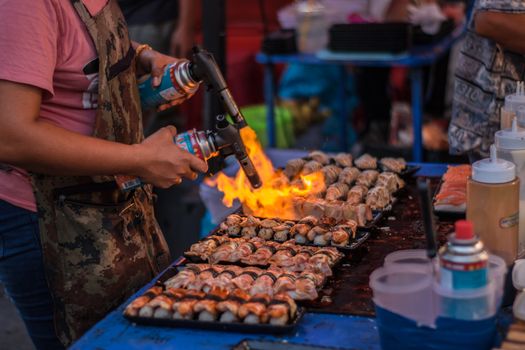
- Instagram-worthy: The moment it's flambéed tableside is pure social media gold! Capture the flame, the sizzle, and the glorious golden cheese. #FlamingCheese #SaganakiShock.
3. Asia's Hidden Savory Treasures: Beyond Sweetness
Southeast Asia, a region known for its vibrant street food and diverse culinary landscape, offers a plethora of savory dishes that cleverly mimic sweet treats.
- Banh Gio (Bánh Giò): Vietnam's Pyramid Powerhouse
- What it looks like: A delicate, translucent, pyramid-shaped dumpling, wrapped in banana leaves. Its soft, gelatinous appearance and elegant form make it look like a steamed sweet cake or a delicate jelly dessert.
- What it actually is: This is a savory, steamed dumpling made from a rice flour and tapioca flour dough, filled with a hearty mixture of ground pork, wood ear mushrooms, shallots, and sometimes quail eggs. It’s a comforting, substantial snack or light meal, served warm.
- Where to find it: Street food stalls and small local eateries across Vietnam, especially popular in Hanoi. Look for vendors with stacks of banana leaf-wrapped parcels.
- Price: VND 15,000-30,000 (approx. $0.60-$1.30 USD).
- My Anecdote: Wandering through the Old Quarter of Hanoi, I spotted a woman unwrapping these beautiful pyramids. My sweet-craving brain immediately thought "sweet sticky rice cake!" My first bite, however, was a delicious surprise of savory pork and earthy mushrooms. It was incredibly satisfying and became a breakfast staple.
- Instagram-worthy: The elegant pyramid shape, unwrapped from its banana leaf cocoon, revealing the translucent dough. A close-up of the savory filling. #BanhGioSurprise #VietnameseSavory.
- Kuih Talam (Malaysia/Indonesia): The Two-Layered Illusion
- What it looks like: A beautiful two-layered steamed cake. The bottom layer is often white and opaque (coconut milk-based), while the top layer is typically a vibrant green (pandan flavored). Its distinct layers and jelly-like texture scream "dessert."
- What it actually is: While many kuih are sweet, kuih talam walks a fascinating line. The bottom white layer is a savory-salty coconut milk custard, made with rice flour and a generous pinch of salt to balance the richness. The top green layer is a slightly sweet pandan-flavored custard. The contrast is the magic – a salty base meeting a subtly sweet top, preventing it from being purely dessert. It's often eaten as a snack rather than a strict dessert.
- Where to find it: Hawker centers, morning markets, and traditional kuih stalls throughout Malaysia and Indonesia (e.g., Pasar Malam in Kuala Lumpur, roadside stalls in Penang).
- Price: MYR 1-3 per piece (approx. $0.20-$0.70 USD).
- Instagram-worthy: The striking two-tone layers are incredibly photogenic. Capture the jiggly texture and vibrant colors. #KuihTalamTrick #MalaysianSnack.
4. Latin America's Savory Surprises: Disguised Delights
Latin America, with its corn-based staples and rich fillings, also excels at presenting savory dishes in deceptively sweet forms.
- Pastel de Choclo (Chile/Peru): The Corn Pie Conundrum
- What it looks like: A golden-brown, baked dish with a creamy, almost cake-like corn topping. It resembles a sweet corn pudding or a savory crumble, definitely giving off dessert vibes.
- What it actually is: A hearty, savory casserole. The "choclo" (corn) topping is indeed often slightly sweet, made with fresh corn purée, sometimes with basil and milk. However, underneath lies a robust, savory filling of "pino" – seasoned ground beef (or other meat), onions, olives, and hard-boiled eggs. The interplay of the sweet corn crust and the savory filling is what makes it so unique and surprising.
- Where to find it: Traditional restaurants (picadas in Chile, picanterías in Peru) and home kitchens.
- Price: CLP 6,000-12,000 in Chile (approx. $6-12 USD) for a substantial portion.
- My Anecdote: In Santiago, Chile, I ordered this beautiful golden pie, fully expecting a sweet corn dessert. The first bite into the creamy corn was pleasant, but then my spoon hit the rich, savory meat filling. It was a delightful moment of "oh, this is much more complex!" – a perfect main course masquerading as a sweet side.
- Instagram-worthy: The rustic, golden-brown crust, perhaps with a dollop of a fresh herb garnish. A cross-section photo showing the distinct layers. #PastelDeChocloSurprise #ChileanComfort.
- Arepas con Queso (Colombia/Venezuela): The Cheese Pancake Illusion
- What it looks like: Thick, round, golden-grilled corn cakes, often slightly puffed, with melted cheese oozing out. They can easily be mistaken for sweet pancakes, thick tortillas, or even a type of sweet fritter.
- What it actually is: A staple savory food made from ground maize dough. Arepas con queso are grilled or fried, then stuffed or mixed with various types of salty, melty cheese (like queso costeño or mozzarella). They are a savory, cheesy, and incredibly satisfying snack or breakfast item, often served with other savory fillings or just on their own.
- Where to find it: Street vendors, local markets, and areperías throughout Colombia and Venezuela.
- Price: COP 3,000-8,000 in Colombia (approx. $0.70-$2 USD).
- Instagram-worthy: The perfectly golden exterior, with tantalizing melted cheese pulling apart as you take a bite. Steam rising from a fresh-off-the-grill arepa. #ArepaAdventures #SavoryPancake.
Practical Tips for Uncovering Dessert Impostors
Ready to embark on your own savory quest? Here are some actionable tips to help you uncover these culinary gems:
- Ask the Locals: This is hands-down the best advice. Point to the dish and ask, "Es dulce o salado?" (Spanish for "Is it sweet or savory?"), "Kore wa amai desu ka, soreとも shioppai desu ka?" (Japanese for "Is this sweet or salty?"), or "Manis atau asin?" (Malay/Indonesian for "Sweet or salty?"). Even a simple "Sweet?" with a questioning look can get you an answer.
- Observe the Context:
- Is it sold alongside savory street food or in a dedicated dessert shop?
- Are people eating it as a main meal, a snack, or at the end of a meal?
- What condiments are available? Savory dishes might have chili sauces, soy sauce, or lime, while desserts usually have sugar, syrup, or fruit.
- Look for Visual Clues (But Don't Rely Solely!): Sometimes, a hint of meat or vegetable peeking through, or a less-than-sugary sheen, can give it away. But remember, the whole point is deception!
- Embrace the Surprise: Part of the fun is the unexpected twist. Go in with an open mind and be ready for your taste buds to be delightfully challenged. Even if you're initially surprised, you might discover a new favorite.
- Be Adventurous with Your Order: Don't just stick to what you know. Point to something that looks intriguing and give it a try. These are often the dishes that locals love and tourists overlook.
- Trust Your Gut (and Nose): Sometimes, the aroma can give you a clue. A subtle waft of spices or herbs might hint at a savory filling, even if the appearance is misleading.
Why These Foods are Instagram Gold (and Viral Potential!)
These dessert impostors are tailor-made for social media. They tap into a universal experience of expectation versus reality, but in a fun, delicious way.
- The "Reveal" Factor: The moment you bite into something that looks sweet and discover it's savory is a perfect "aha!" moment for a Reel or TikTok. Capture your genuine reaction!
- Visual Appeal: Many of these dishes are stunningly beautiful – vibrant colors, interesting textures, and unique shapes. Think the layered beauty of kuih talam or the golden crust of pastel de choclo.
- Storytelling Potential: Each dish comes with a story of cultural context and culinary ingenuity. Share that narrative!
- Engagement: Asking your followers, "What do you think this is?" before revealing the savory truth is a fantastic way to boost comments and shares.
- Hashtags: Use a mix of general food travel hashtags and specific ones for the dish, plus our special #TripsoraDessertImpostors to join the community!
Conclusion: Expand Your Palate, One Deception at a Time
My accidental discovery of Isobe-yaki mochi in Kyoto taught me a valuable lesson: the world of food is infinitely more diverse and surprising than we often give it credit for. By seeking out these "dessert impostors," we're not just finding unique snacks; we're breaking down culinary barriers, embracing different cultural perspectives, and expanding our own palates in the most delicious way possible.
These aren't just foods; they're experiences. They're conversations starters, memory makers, and perfect fodder for your next viral travel story. So, the next time you're exploring a bustling market or a quaint local eatery, keep an eye out for that innocent-looking sweet treat. It just might be a savory masterpiece waiting to delightfully fool you.
What's your favorite savory surprise that looks like a dessert? Have you stumbled upon any of these culinary chameleons on your travels? Share your experiences and photos in the comments below! Don't forget to tag #TripsoraDessertImpostors on your next food adventure – let's inspire each other to taste the unexpected!
---
More pictures

Tags
Share this guide
We may earn a commission if you click a link and buy a product or service, at no extra cost to you. How affiliate links work.
Been there?