
Some traditional foods raise legal, safety or ethical questions. Here is how to travel thoughtfully around them.
Foods with caveats
Some local delicacies are restricted, require special licences or carry risks. Trying them is a personal choice, but it is worth knowing the context.
Examples
- Fugu (pufferfish), Japan: Prepared only by licensed chefs because of a deadly toxin. Eat it only at a licensed restaurant.
- Casu marzu (Sardinia, Italy): A cheese containing live insect larvae. Its sale is restricted, and it carries food-safety concerns.
- Absinthe, once banned in several countries, is now widely legal with regulated ingredient limits.
- Haggis in the US: Imports of traditional haggis with lung have been restricted for health reasons.
- Foie gras: Banned or restricted in some places on animal welfare grounds, and legal in others.
- Shark fin and certain endangered species: Ethical and legal concerns exist.
Guidelines for travellers
- Check local laws and customs rules.
- Choose licensed, reputable places for risky foods.
- Think about ethics: avoid products from endangered species.
- Avoid bringing restricted foods home. Customs may confiscate them.
- Consider allergies and health.
Enjoy the safe delights
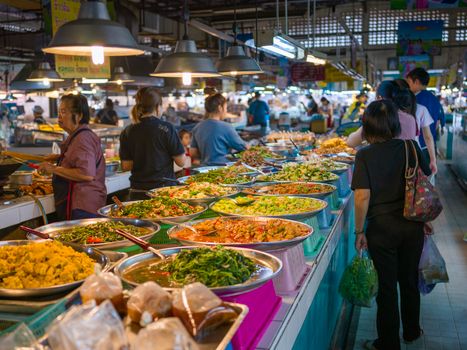
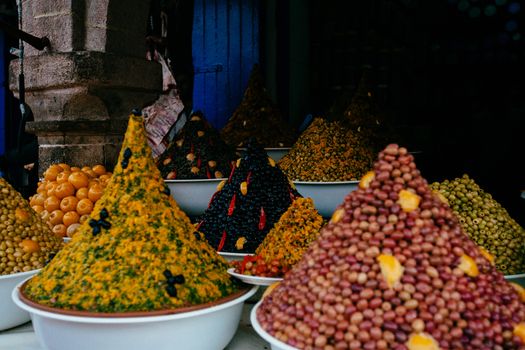
Most of the world's food culture is accessible and delicious without risk. Markets, home cooking and street stalls offer plenty.
Rules differ by country and change, so check official guidance.
More pictures


Tags
Share this guide
We may earn a commission if you click a link and buy a product or service, at no extra cost to you. How affiliate links work.
Been there?