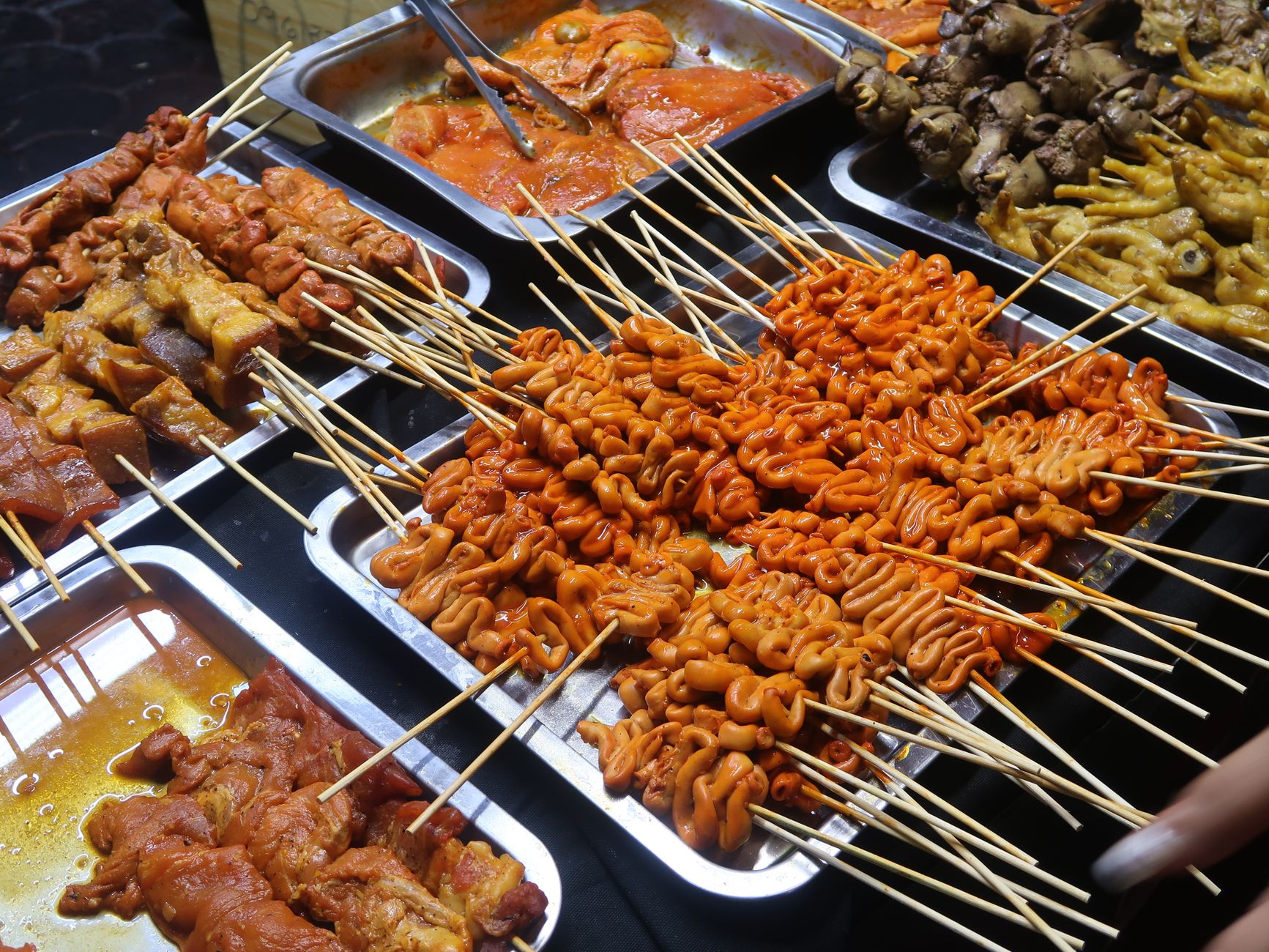
Your Instagram feed is full of picture-perfect smoothie bowls and pristine pasta, but what about the culinary underworld? We're diving deep into the world of forbidden foods – delicacies so rare, so controversial, they're illegal in most countries. Get ready to uncover the secret bites travel influencers don't dare to show you. ---
The Secret Palate: What Your Favorite Influencers Aren't Showing You
Let's be honest. We’ve all scrolled through Instagram, drooling over vibrant street food, perfectly plated Michelin-star creations, and sun-drenched brunch spreads from exotic locales. Your favorite travel influencers make it look effortless, a curated symphony of deliciousness designed to inspire wanderlust and maybe, just maybe, make you a little jealous. But what if I told you there’s an entire culinary universe they conveniently omit from their perfectly lit feeds? A world of flavors so intense, so controversial, or so downright dangerous, that it’s illegal in most countries – and definitely not 'brand-safe' for a sponsored post.
My own journey into this gastronomic underbelly began, as many good stories do, with a whisper. I was in a dimly lit izakaya in Tokyo, having just devoured some of the most incredible sushi of my life. The chef, a man whose hands moved with the precision of a surgeon, leaned in conspiratorially. "You know," he murmured, wiping his blade, "many people come here for fugu. But few truly understand its secret." He wasn't talking about the taste; he was talking about the line between ecstasy and oblivion. That conversation sparked an obsession: what other culinary secrets were hidden behind a veil of legality, ethics, or sheer danger?
This isn't about shaming anyone. It's about pulling back the curtain on the real, raw, sometimes shocking world of food that exists beyond the 'gram. It's about understanding cultural nuances, legal intricacies, and the lengths some food enthusiasts will go for a truly unique experience. So, buckle up, because Tripsora is taking you on a wild ride to explore the foods that are illegal in most countries – the ones your favorite influencers definitely don't want you to know about.
---
1. Ortolan Bunting: The Songbird's Secret Supper (France)
Imagine a tiny songbird, smaller than your palm, force-fed until it's morbidly obese, drowned in Armagnac, then roasted whole. The traditional way to eat it? With a napkin draped over your head to "trap the aromas" or, as some believe, to hide your gluttony from God. This, my friends, is the Ortolan Bunting, a French delicacy shrouded in secrecy and controversy.
Why it's illegal: The Ortolan Bunting is an endangered species. Its hunting and sale have been illegal in France since 1999, and across the EU, due to conservation efforts. Yet, whispers persist of underground feasts, often involving high-profile politicians and chefs, willing to risk hefty fines and public outrage for this forbidden experience.
My Brush with the Forbidden: I've never tasted Ortolan, and frankly, my conscience wouldn't allow me. But I've heard the hushed tales from French gourmands, their eyes lighting up as they describe the delicate bones, the rich, fatty meat, and the almost spiritual act of consumption. A chef friend in Paris once showed me a faded photograph, taken years ago, of an Ortolan feast. The image was grainy, the faces obscured, but the solemnity of the moment was palpable. It's not just a meal; it's a ritual, a defiant act against modernity.
Why influencers don't show it: Beyond the obvious legal and ethical nightmare, the sheer brutality of its preparation and consumption is far from the 'aspirational' content most influencers aim for. It's a dark secret of haute cuisine, not a pretty plate for a quick selfie.
The Takeaway: While the ethics are undeniably fraught, understanding the Ortolan tradition offers a glimpse into a very specific, almost rebellious, facet of French culinary history. It's a stark reminder that food traditions aren't always pretty, and sometimes, for good reason, they need to evolve or disappear.
---
2. Casu Marzu: The Maggot Cheese of Sardinia (Italy)
If the thought of cheese makes your mouth water, prepare for a different kind of sensation. Casu Marzu, meaning "rotten cheese" in Sardinian, is a traditional sheep milk cheese that takes fermentation to a whole new level. How? By introducing live insect larvae – maggots – into the Pecorino Sardo. These maggots digest the cheese, breaking down its fats and giving it an incredibly soft, almost liquid texture, with a pungent, ammoniacal kick. And yes, you eat it with the maggots still wriggling.
Why it's illegal: The European Union has banned the sale of Casu Marzu due to health and hygiene regulations. Consuming live maggots, especially those that might jump into your eyes, isn't exactly a stamp of approval from food safety authorities. There's a risk of intestinal larval myiasis if the maggots survive stomach acid.
My Dive into the Deep End: On a remote trip to Sardinia, after much convincing (and a few shots of local grappa for courage), I found myself face-to-face with a wheel of Casu Marzu. It was offered discreetly by a local shepherd, a man whose family had been making it for generations. The aroma alone was a challenge – sharp, earthy, and undeniably... alive. Taking a bite, the texture was unlike anything I'd ever experienced: creamy, yet granular from the tiny, active larvae. The flavor was intense, a powerful blend of aged cheese and something wild, almost feral. It was an assault on the senses, and honestly, a unique experience I'll never forget (though I'm not sure I'd repeat it often!).
Where to find it (discreetly): You won't find this in any supermarket or restaurant. It's a homemade specialty, often shared within families and close communities in Sardinia. If you're traveling there, building rapport with locals and expressing genuine interest might lead to an invitation, but always be respectful of their traditions and the illegality.
Why influencers don't show it: Maggots. Enough said. While a few 'extreme food' influencers might dabble, the general aesthetic is too far removed from the 'clean eating' or 'gourmet travel' brands they cultivate. It's definitely not 'pretty food.'
The Takeaway: Casu Marzu is a testament to the ingenuity and daring of traditional food preservation. It pushes the boundaries of what we consider edible and reminds us that some of the most unique culinary experiences exist far off the beaten, Instagrammable path.
---
3. Fugu: The Deadly Delicacy (Japan)
Fugu, the Japanese pufferfish, is perhaps the most famous illegal-ish food in the world. Famous for its exquisite taste and its deadly secret: tetrodotoxin, a neurotoxin found in its organs (especially the liver and ovaries) that is 1,200 times more potent than cyanide. There's no known antidote, and a tiny mistake can lead to paralysis and death.
Why it's (mostly) illegal: While legal to consume in Japan, South Korea, and a few other places, its preparation is so strictly regulated that it's essentially illegal to serve or import in most other countries unless handled by highly specialized, licensed chefs. In the US, for instance, Fugu can only be imported from specific, approved sources and prepared by certified chefs. Eating it elsewhere without these precautions is a gamble with your life.
My Dance with Danger: My first (and only, so far) Fugu experience was in Osaka, Japan, at a restaurant where the chef had over 30 years of experience and a license proudly displayed. It wasn't cheap – around ¥15,000-¥30,000 (US$100-200) for a multi-course meal. The sashimi was translucent, almost ethereal, served in delicate floral patterns. Each bite was a paradox: a subtle, clean flavor, almost sweet, followed by a tingling sensation on the lips and tongue – just a hint of the toxin, a controlled risk. It was thrilling, a culinary tightrope walk. The chef explained how every part of the fish, from the skin to the fried karaage, was prepared to perfection, ensuring safety while maximizing flavor.
Why influencers don't show it: While some might feature it cautiously, the inherent danger makes it a tricky subject. Promoting a food that could kill you isn't great for your brand, especially if your followers try to replicate the experience without proper precautions. It’s a niche, high-risk luxury.
The Takeaway: Fugu is the ultimate expression of culinary mastery and precision. It's a reminder that some of the most profound food experiences involve not just flavor, but also a deep respect for tradition, skill, and the fine line between life and death. If you ever try it, do so only with a certified, experienced chef in Japan.
---
4. Unripe Ackee Fruit: Jamaica's Hidden Hazard
The national fruit of Jamaica, ackee, is a vibrant, pear-shaped fruit that, when ripe and properly prepared, is absolutely delicious. It's a staple in dishes like Ackee and Saltfish. But there's a catch: the unripe fruit contains hypoglycin A and B, toxins that can cause "Jamaican Vomiting Sickness," leading to severe hypoglycemia, coma, and even death.
Why it's illegal (for import): Due to the high risk of toxicity from unripe or improperly processed ackee, many countries, including the United States, have strict regulations or outright bans on importing fresh ackee. Only processed, canned, or frozen ackee that has been certified safe is allowed.
My Jamaican Awakening: My first taste of ackee was in a small, bustling restaurant in Negril, Jamaica. The server explained the importance of waiting for the fruit to naturally open on the tree, revealing its edible yellow arils and black seeds. "Don't ever pick it green, mon," she warned with a serious look. The dish, Ackee and Saltfish, was incredible – creamy, savory, with a unique texture often compared to scrambled eggs, but with a richer, nutty flavor. It was a revelation, a truly authentic taste of the island.
Practical Tip: If you're traveling to Jamaica, enjoy ackee prepared by locals who know how to identify ripe fruit and cook it safely. If you want to bring it home, ensure it's from a reputable source selling processed, canned ackee that meets international import standards. Don't even think about trying to pick and prepare fresh ackee yourself unless you are an expert.
Why influencers don't show it: The "danger" aspect isn't as glamorous as Fugu's controlled risk. It's more about food safety and proper handling, which doesn't make for thrilling, shareable content. Most influencers would rather show a perfect plate of safe, delicious food than highlight a potential health hazard.
The Takeaway: Ackee is a beautiful example of how culture and cuisine are intrinsically linked to environmental knowledge. It teaches us that nature's bounty can also hold hidden dangers, and respecting local wisdom is paramount when exploring exotic foods.
---
5. Traditional Haggis: The Forbidden Scottish Treat (USA)
Haggis, the national dish of Scotland, is a savory pudding containing sheep's pluck (heart, liver, and lungs), minced with onion, oatmeal, suet, spices, and salt, encased in the animal's stomach and simmered. It's an iconic, hearty dish, celebrated with poetry and whisky.
Why it's illegal (in the US): Since 1971, the import and sale of traditional haggis containing sheep's lung has been banned in the United States by the USDA. The concern is that lung tissue, a non-muscle meat, could potentially harbor disease or parasitic infections. While haggis can be made in the US without lungs, or imported in a lung-free version, purists argue it's just not the same.
My Ode to the Offal: During a Hogmanay (New Year's Eve) celebration in Edinburgh, I finally experienced a true, traditional haggis. It was served with neeps (turnips) and tatties (potatoes), and a generous dram of Scotch. The texture was crumbly, the flavor rich, earthy, and deeply savory with a peppery kick. It was warming, comforting, and surprisingly delicious – far from the intimidating image often portrayed. It was a communal experience, full of laughter and toasts, a genuine taste of Scottish hospitality.
Where to find it: In Scotland, it's everywhere! From pubs to fine dining. Outside Scotland, look for "vegetarian haggis" or "American haggis" (without lung) to stay legal. Some specialty delis might carry the legal versions.
Why influencers don't show it: It's not particularly photogenic, and the description (sheep's organs in a stomach) can be off-putting to a broad audience. Plus, discussing its illegality in the US might complicate things for American influencers. It's a niche appeal, not universally 'pretty'.
The Takeaway: Haggis is a powerful symbol of Scottish culture and resilience. It reminds us that what might seem unusual or even unappetizing to one culture can be a beloved, foundational dish for another. It’s a lesson in embracing culinary diversity, even if it involves a little offal.
---
6. Shark Fin Soup: A Controversial Delicacy (Global)
Shark fin soup is a traditional Chinese delicacy, often served at banquets and special occasions, seen as a symbol of status and wealth. The "fin" itself has little taste and is primarily valued for its gelatinous texture and the prestige it confers.
Why it's illegal/controversial: The global shark fin trade is a major driver of shark population decline, pushing many species towards extinction. The practice of "finning" – where sharks are caught, their fins cut off, and their bodies thrown back into the ocean to die – is incredibly cruel and wasteful. Consequently, the sale and consumption of shark fin are banned or heavily restricted in many countries (including the US, Canada, Australia, and many parts of the EU) and by numerous airlines and hotel chains.
My Regretful Encounter: Years ago, before I fully understood the devastating impact of the shark fin trade, I was offered shark fin soup at a wedding banquet in Southeast Asia. I tried a small bowl. The texture was indeed gelatinous, almost like glass noodles, and the taste was primarily from the rich chicken broth it was cooked in. It wasn't particularly memorable for its flavor, but the experience has stayed with me for a different reason: a growing awareness of the ethical cost. It's a decision I deeply regret, one that taught me the importance of researching and making informed, ethical choices about what I consume, especially when traveling.
Practical Tip: Always research the ethical implications of local delicacies. If you encounter shark fin soup on a menu, politely decline. There are many other incredible, ethical dishes to explore in Asian cuisine. Use your voice (and your wallet) to support sustainable practices.
Why influencers don't show it: No ethical influencer wants to be associated with animal cruelty and species endangerment. It's a PR nightmare and goes against any responsible travel narrative. This is one secret they are right not to share.
The Takeaway: Shark fin soup is a powerful example of how culinary traditions can come into conflict with modern conservation efforts. It's a call for conscious consumption and a reminder that our food choices have global consequences.
---
7. Sassafras Root: The Root of All Evil (USA/EU)
Sassafras root is the traditional ingredient that gives root beer its distinctive, earthy flavor. Sounds innocent enough, right? Not quite.
Why it's illegal (for direct food use): The natural oil extracted from sassafras root contains safrole, a compound identified as a carcinogen in animal studies and a precursor for the illicit drug MDMA (ecstasy). Because of these health and safety concerns, the FDA in the US and similar regulatory bodies in the EU have banned the use of sassafras root bark, leaves, and oil as a direct food additive or flavoring agent. Modern commercial root beers use artificial sassafras flavorings or safrole-free sassafras extracts.
My Backyard Discovery: Growing up in the American South, sassafras trees were everywhere. My grandfather, a man of the earth, would sometimes dig up a root, boil it, and make a simple sassafras tea. The aroma was intoxicating – sweet, woody, distinctly "root beer." I tried a sip; it was earthy, slightly medicinal, and curiously refreshing. He never made it often, and always in small quantities. It was a fleeting taste of a bygone era, before the health risks were fully understood.
Where to find it (legally): You can buy sassafras leaves (filé powder) for seasoning in Creole cuisine, as the amount of safrole is negligible. You can also find safrole-free sassafras extracts for culinary use. However, finding and consuming raw sassafras root for food or drink is generally discouraged and illegal in many commercial contexts.
Why influencers don't show it: It's not exotic enough for global travel content, and the health warnings make it a non-starter for food influencers promoting healthy or delicious treats. It's a historical curiosity more than a current culinary trend.
The Takeaway: Sassafras is a fascinating example of how scientific discovery can change our relationship with traditional ingredients. It highlights the evolving nature of food safety and how even seemingly harmless natural products can have hidden complexities.
---
Beyond the Filter: The True Taste of Travel
So, there you have it – a peek behind the perfectly filtered, carefully curated feeds of your favorite travel influencers. The world of food is vast, complex, and often, delightfully rebellious. It’s not always about the prettiest plate or the most Instagram-ready dish. Sometimes, the most memorable culinary experiences are those that challenge your perceptions, test your boundaries, or even, in some cases, skirt the edge of legality.
These forbidden foods, whether due to conservation, safety, or cultural clashes, offer a deeper understanding of the places we visit. They tell stories of tradition, ingenuity, and sometimes, human folly. They remind us that true travel is about discovery, about embracing the uncomfortable, and about seeking out the authentic, even when it’s a little… wild.
What's your most daring food experience? Have you ever encountered a forbidden delicacy on your travels? Share your stories in the comments below! And don't forget to share this post with your fellow adventurers – let's uncover more culinary secrets together!
---
More pictures


Tags
Share this guide
We may earn a commission if you click a link and buy a product or service, at no extra cost to you. How affiliate links work.
Been there?