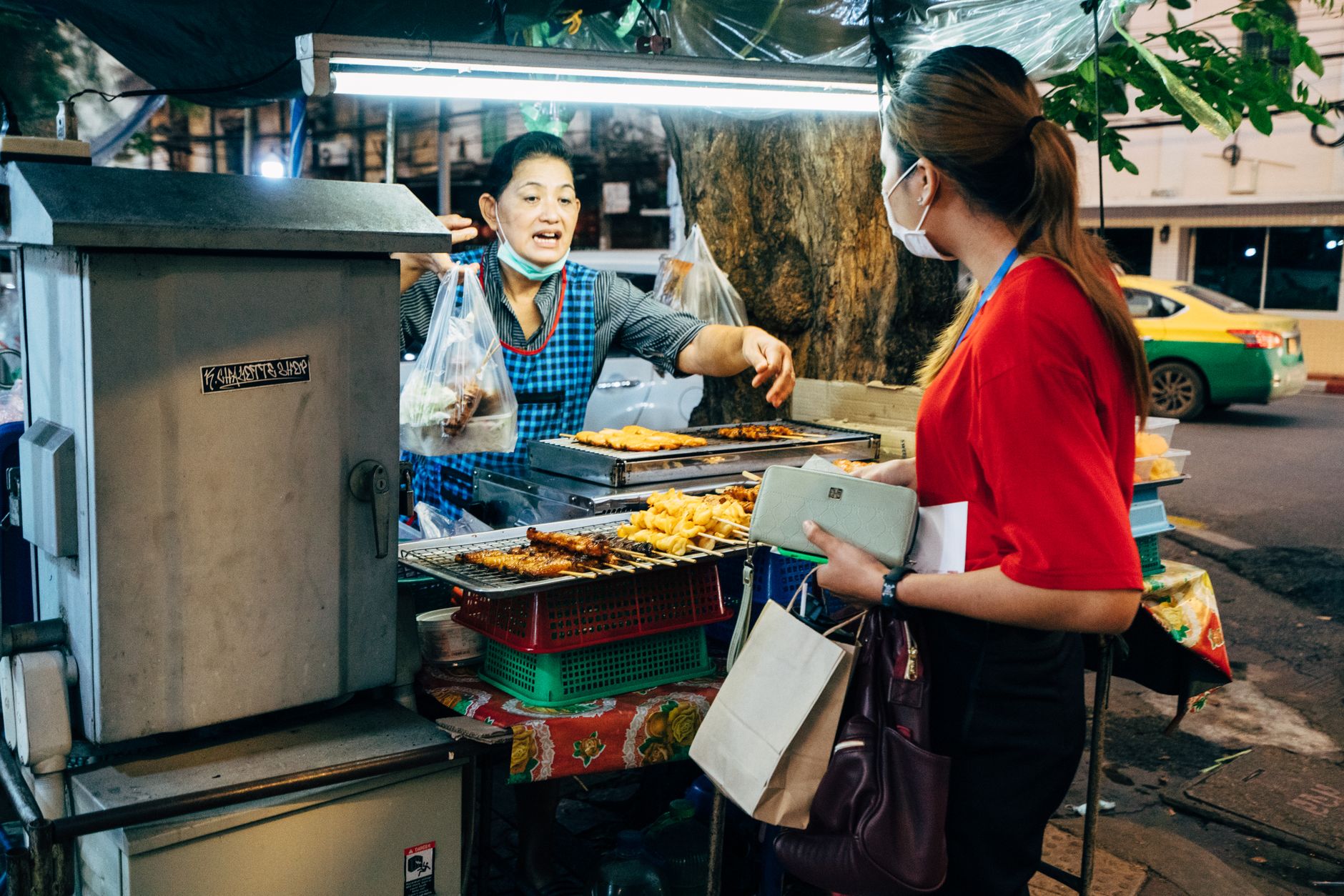
If you are tired of elbowing through selfie sticks at Bangkok’s Jodd Fairs or Chatuchak just to overpay for lukewarm mango sticky rice, this guide is your salvation. We have unlocked six world-class, low-crowd food markets across the globe that are quietly trending this summer. Expect charcoal-grilled seafood, hundred-year-old sourdough broths, and native mezcal, all served alongside locals rather than tour buses. ---
The Night I Left Bangkok Behind
I stepped off the local train onto the humidity-slicked concrete of Tainan, my lungs instantly filling with the intoxicating aroma of charred pork fat, fried basil, and star-anise-laced bone broth. Just forty-eight hours prior, I was trapped in the stifling, shoulder-to-shoulder gridlock of Bangkok’s Jodd Fairs, dodging selfie sticks while waiting forty minutes for a shellac-coated squid skewer that tasted mostly of sweet chili sauce and disappointment.
Bangkok will always hold a place in street food lore, but the magic has been diluted by its own fame. TikTok queues have replaced historic food vendors, prices have doubled, and the heat of thousands of crammed bodies ruins the experience.
As a travel journalist who eats for a living, I made it my mission to track down the world’s most extraordinary food markets—places where the recipes remain uncompromisingly local, the ingredients are harvested hours before they hit the wok, and you can actually sit down to eat without being shoved. These six markets are outperforming Bangkok on every metric this summer, without the overwhelming crowds.
---
1. Wusheng Night Market: Tainan, Taiwan
The Culinary Soul of Taiwan’s Oldest Capital
While tourists bottleneck at Taipei’s Shilin Market, culinary purists head south to Tainan. Operating only on Wednesdays and Saturdays, Wusheng is Tainan’s oldest night market, tucked behind low-rise residential blocks away from the standard tourist trail.
``` +------------------------------------------------------------------------------------+ | QUICK FACTS: WUSHENG NIGHT MARKET | +--------------------------+---------------------------------------------------------+ | Average Cost per Dish | $2.00 - $4.50 USD (NT$60 - NT$140) | | Best Time to Arrive | 6:15 PM (Just as the fryers hit operating temperature) | | How to Get There | 10-minute taxi or a 15-minute YouBike ride from Tainan | | | Main Station down Wusheng Road. | +--------------------------+---------------------------------------------------------+ ```
Here, the air is thick with the sweet smell of Lu Rou Fan (braised pork belly rice) infused with local rock sugar and aged soy sauce. The crown jewel is the milkfish soup stall near the western perimeter: hand-filleted milkfish belly cooked instantly in a clear broth brewed with shredded ginger and rice wine.
- The Signature Bite: Guan Cai Ban ("Coffin Bread")—a thick slab of sweet white bread fried to a golden crunch, hollowed out, and filled with a rich, velvety seafood chowder loaded with squids and pea shoots.
- Pro-Tip: Skip the main central aisle. Head directly to the northern alley behind the scooter parking lot to find the third-generation oyster omelet stall where they use duck eggs for a richer, crisper batter.
---
2. Mercato del Capo: Palermo, Sicily
An Arabic-Norman Feast in the Heart of the Mediterranean
Forget the sanitized food halls of Western Europe. Capo Market in Palermo feels more like a North African souk transposed onto 9th-century Italian stone alleyways. High-pitched cries of fishmongers (il abbanniatu) echo off decaying Baroque facades while swords of swordfish bleed onto crushed ice beneath striped red-and-yellow canvas awnings.
``` +------------------------------------------------------------------------------------+ | QUICK FACTS: MERCATO DEL CAPO | +--------------------------+---------------------------------------------------------+ | Average Cost per Dish | $3.50 - $7.00 USD (€3.00 - €6.50) | | Best Time to Arrive | 10:30 AM (For morning-fresh frying without noon heat) | | How to Get There | Enter via the ancient city gate, Porta Carini, a short | | | walk from Teatro Massimo. | +--------------------------+---------------------------------------------------------+ ```
Palermo’s street food culture ranks among the top five globally, but Capo remains delightfully untamed by mass tourism compared to the nearby Vucciria. Summer brings wild fennel, sardines, and sweet Zibibbo grapes into prime season.
``` [Porta Carini Archway] │ ▼ (Central Marble Alley) ──► [Pastificio Morello - Fresh Pasta] │ ▼ {Sizzling Frying Stations} ──► ORDER: Panelle & Mangia e Bevi │ ▼ [Piazza Beati Paoli Exit] ──► (Hidden seating area under fig tree) ```
- The Signature Bite: Panelle e Cazzilli—crispy chickpea flour fritters and potato croquettes dusted with sea salt and fresh lemon juice, stuffed into a soft sesame brioche roll. Wash it down with a cold Forst beer.
- Pro-Tip: Find Pastificio Morello. Look for the wooden door with no sign, just behind the fried fish cart. They serve bowlfuls of fresh Pasta con le Sarde (sardines, fennel, pine nuts, and raisins) straight from big aluminium trays for €5.
---
3. Cecil Street Market (San Tiao Lu): Penang, Malaysia
Charcoal Smoke and Legendary Hawker Heritage
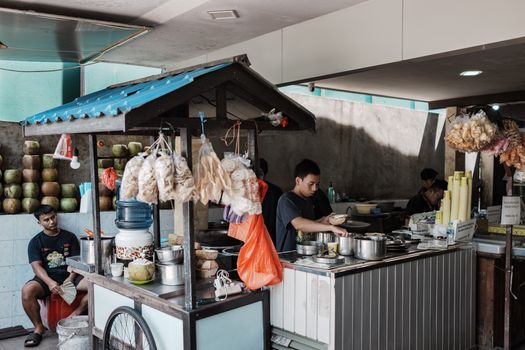
While tourist crowds swamp Kimberley Street and Gurney Drive, Penang’s true hawkers gather at Cecil Street Market in George Town. Housed inside a sprawling metal-roofed warehouse, this dual wet-market and hawker center operates at maximum culinary efficiency without a single tour bus in sight.
``` +------------------------------------------------------------------------------------+ | QUICK FACTS: CECIL STREET MARKET | +--------------------------+---------------------------------------------------------+ | Average Cost per Dish | $1.50 - $3.00 USD (RM 6 - RM 13) | | Best Time to Arrive | 2:00 PM - 4:00 PM (Prime hawker hours before close) | | How to Get There | Take a Grab car to Lebuh Cecil; it sits right at the | | | intersection of Lebuh Cydoni. | +--------------------------+---------------------------------------------------------+ ```
The olfactory profile here is intense: rendered duck fat, fermented shrimp paste (belacan), and the carbon sting of wok hei (the "breath of the wok").
- The Signature Bite: Duck Meat Koay Teow Th'ng. Silky flat rice noodles swimming in a pig-bone broth simmered for eight hours, topped with shredded duck meat, pork lard croutons, and bouncy fish balls.
- Pro-Tip: The stall with the longest queue of local uncles in high-vis vests is Stalls 38/39 (Crispy Pork Belly). Order a half-kilo of the roast pork (Siew Yoke) with its crackling skin that sounds like breaking glass, and pair it with fresh nutmeg juice from the drink stall across the aisle.
---
4. Mercado de Tlacolula: Oaxaca, Mexico
An Ancient Zapotec Smoke Alley Experience
While Bangkok’s markets run on liquefied gas, the culinary heartbeat of Tlacolula—a short jump east of Oaxaca City—runs on oak charcoal and copal incense. While tourists crowd Oaxaca’s downtown Mercado 20 de Noviembre, Sunday at Tlacolula offers an ancient, living market tradition where indigenous Zapotec vendors trade ingredients refined over millennia.
``` +------------------------------------------------------------------------------------+ | QUICK FACTS: MERCADO DE TLACOLULA | +--------------------------+---------------------------------------------------------+ | Average Cost per Dish | $2.50 - $5.00 USD (40 - 90 MXN) | | Best Time to Arrive | 8:30 AM (Sundays only; early arrivals get first cut) | | How to Get There | Take a local 'colectivo' (shared taxi) from the Eduardo | | | Vasconcelos stadium in Oaxaca City ($2 USD). | +--------------------------+---------------------------------------------------------+ ```
The centerpiece is the Pasillo de Carne Asada (Hall of Smoked Meats). A dimly lit stone corridor choked with sweet oak smoke, where thick cuts of beef (tasajo), marinated pork (cecina), and spiced sausage (chorizo) hang from metal hooks, waiting to be grilled over open embers right before your eyes.
- The Signature Bite: Buy a quarter-kilo of Cecina Enchilada, hand it to the grillmaster in the center corridor, then buy a basket of fresh avocado, lime, handmade blue-corn tortillas, and grilled spring onions (cebollitas) from the women sitting on woven mats outside.
- Pro-Tip: Look for older women selling clay bowls of Tejate—an ancient pre-Hispanic foam drink made from roasted corn, fermented cacao beans, mamey fruit pits, and flor de rosita. It is uniquely refreshing in the mid-day heat.
---
5. Dezerter Bazaar: Tbilisi, Georgia
Wild Ferments, Wood-Fired Meats, and Caucasus Flavors
Tbilisi is fast becoming Europe’s favorite summer escape, but its massive main market—the Dezerter Bazaar near the central railway station—remains wonderfully raw, unfiltered, and deeply underrated as a street food hotspot. Named after soldiers who deserted the army in the 1920s and sold their weapons here, this sprawling complex mixes Soviet-era concrete grit with unmatched culinary traditions.
``` +------------------------------------------------------------------------------------+ | QUICK FACTS: DEZERTER BAZAAR | +--------------------------+---------------------------------------------------------+ | Average Cost per Dish | $2.00 - $6.00 USD (5 - 15 GEL) | | Best Time to Arrive | 9:00 AM (When fresh breads come out of the tone ovens) | | How to Get There | Take the Metro to Station Square; the market exits | | | right onto Abastumani Street. | +--------------------------+---------------------------------------------------------+ ```
Walk through rows of hanging Churchkhela (strings of walnuts dipped in concentrated grape juice dustings), wooden barrels brimming with sour pickled garlic shoots, and mountain cheeses weeping salty whey.
- The Signature Bite: Freshly baked Puri (Georgian flatbread) pulled directly from the clay wall of a subterranean Tone oven, slathered with salty Sulguni cheese, and eaten immediately while the steam burns your fingertips.
- Pro-Tip: Head to the lower covered fruit sector and seek out the unmarked corner stall run by an elderly woman named Nino. She serves home-poured amber wine (Qvevri) from plastic water jugs alongside hot, charcoal-skewered Mtsvadi (pork shashlik) sprinkled with wild sumac.
---
6. Yanagibashi Rengo Market & Nagahama Yatai: Fukuoka, Japan
The Ultimate Coastal Street Food Alternative
Bangkok’s night scenes are chaotic; Fukuoka’s street food culture is precise, atmospheric, and deeply relaxed. Fukuoka is famous for its Yatai—small, eight-seat open-air wooden food stalls covered with fabric curtains (noren) that pop up along riverbanks at sunset.
To experience the ultimate street food day, start your morning at Yanagibashi Rengo Market (Fukuoka’s "Kitchen"), then end your night at the lesser-known Nagahama Yatai District, far away from the tourist-heavy Nakasu Island.
``` +------------------------------------------------------------------------------------+ | QUICK FACTS: FUKUOKA STREET FOOD | +--------------------------+---------------------------------------------------------+ | Average Cost per Dish | $4.00 - $9.00 USD (600 - 1300 JPY) | | Best Time to Arrive | 7:30 PM (For Yatai seating as the first shift leaves) | | How to Get There | Take the Fukuoka City Subway to Akasaka Station; walk | | | north toward Nagahama fish market docks. | +--------------------------+---------------------------------------------------------+ ```
``` [Morning: Yanagibashi Rengo] ──► Fresh Mentaiko & Uni Rice Bowls │ ▼ [Mid-Day Rest: Ohori Park] ──► Green Tea & Local Sweets │ ▼ [Night: Nagahama Docks] ──► Yatai Seating: Hakata Tonkotsu Ramen & Sake ```
- The Signature Bite: Hakata Tonkotsu Ramen. Silky pork-bone soup boiled down for 18 hours until emulsified, served with ultra-thin noodles cooked katame (firm), topped with wood-ear mushrooms, green onions, and melt-in-your-mouth chashu pork.
- Pro-Tip: At the Yatai stalls, it is custom to order one drink and two dishes, then move on after 45 minutes to let the next diner sit. Order the Mentaiko Tamagoyaki (Japanese rolled omelet stuffed with spicy cured cod roe)—it is creamy, savory, and rich in umami.
---
How to Eat Like a Local in Any Uncrowded Market
Navigating an authentic, non-English-speaking food market can be intimidating, but following these fundamental rules will ensure you eat safely and exceptionally well anywhere in the world:
- Follow the Single-Dish Specialist: Avoid vendors trying to cook ten different cuisines. The best vendor is the one who has been cooking a single dish—like beef intestine soup or crisp scallion pancakes—for forty years.
- Observe the High-Turnover Rule: Look for stalls with high local turnover rather than long, stagnant queues. High turnover guarantees ingredients are replenished every few hours, keeping fish, meat, and herbs fresh.
- Carry Small Cash Denominations: High-value bills alienate street vendors who don't have change early in the shift. Keep small coins and bills in a separate pocket for fast transactions.
- Embrace the Water Test: If a market stall uses running tap water or filtered ice blocks in insulated containers, it is safe. Skip raw leafy salads if you are in high-humidity tropical destinations; stick to peeled fruit and stir-fried greens.
---
The Final Verdict
Bangkok will always be a street food capital, but travel is about discovery, not standing in line. This summer, swap the crowded tourist hotspots for the smoke-filled halls of Tlacolula, the breezy canals of Tainan, or the historic arches of Palermo. You will spend half the money, double your flavor experience, and bring home stories that haven't already been filmed a million times on social media.
---
More pictures


Tags
Share this guide
We may earn a commission if you click a link and buy a product or service, at no extra cost to you. How affiliate links work.
Been there?